































Botanical Glass Cups That Double as Living Art
What Is a Botanical Glass Cup? The Artisan Drinkware Trend Redefining Aesthetic Home Decor
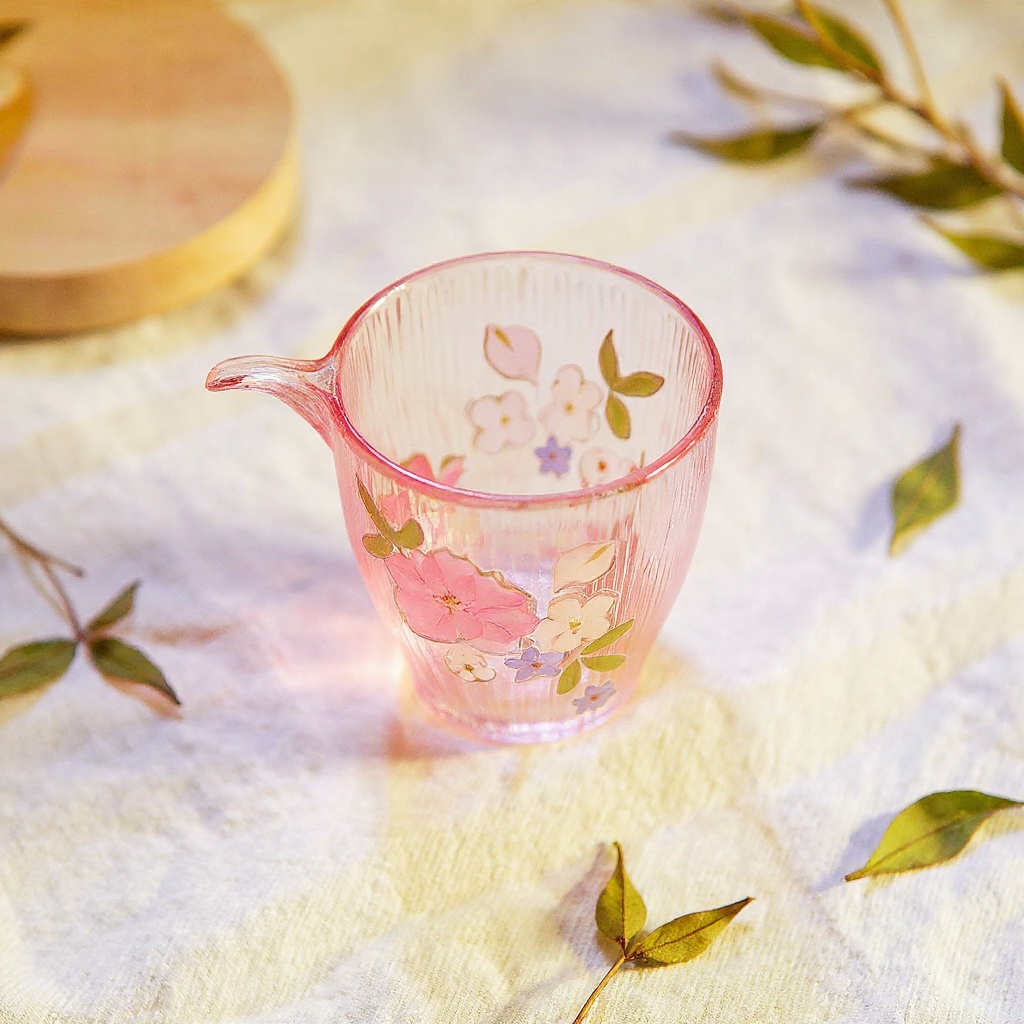
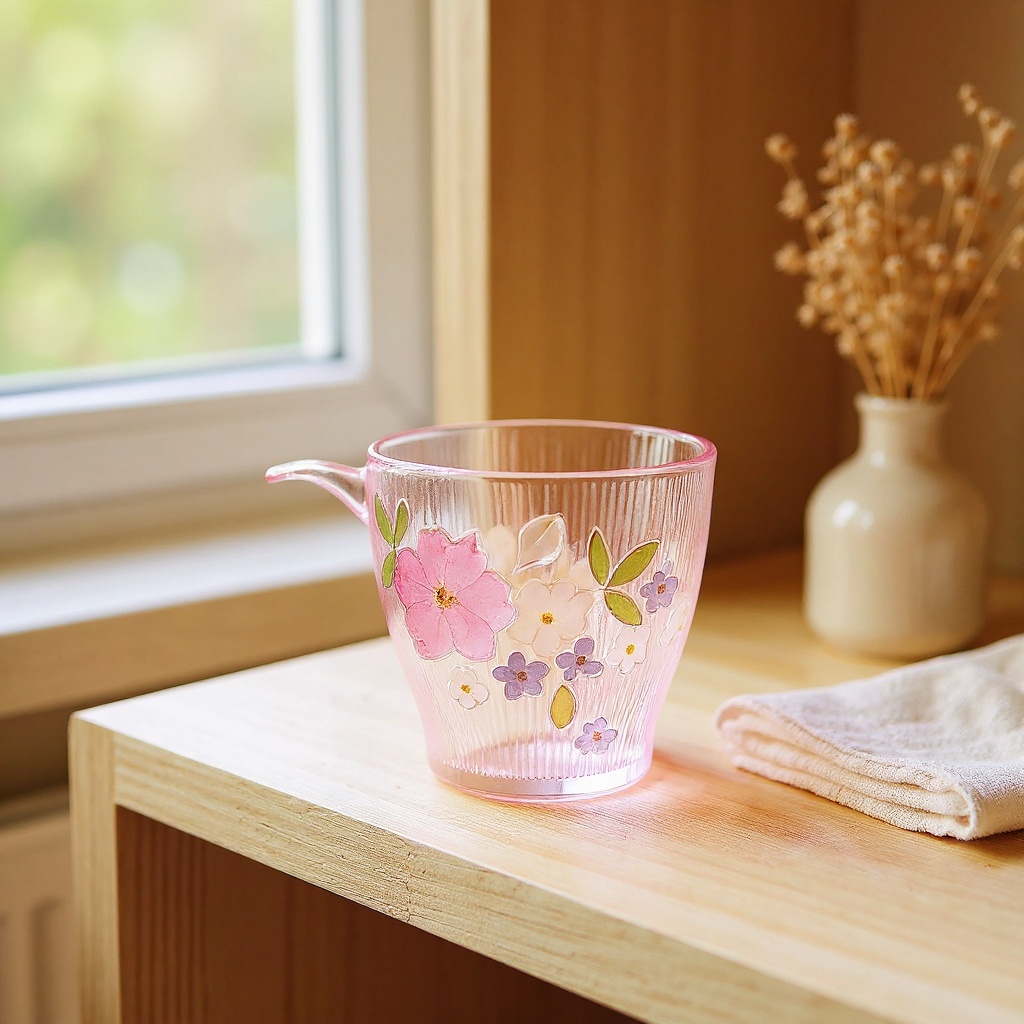
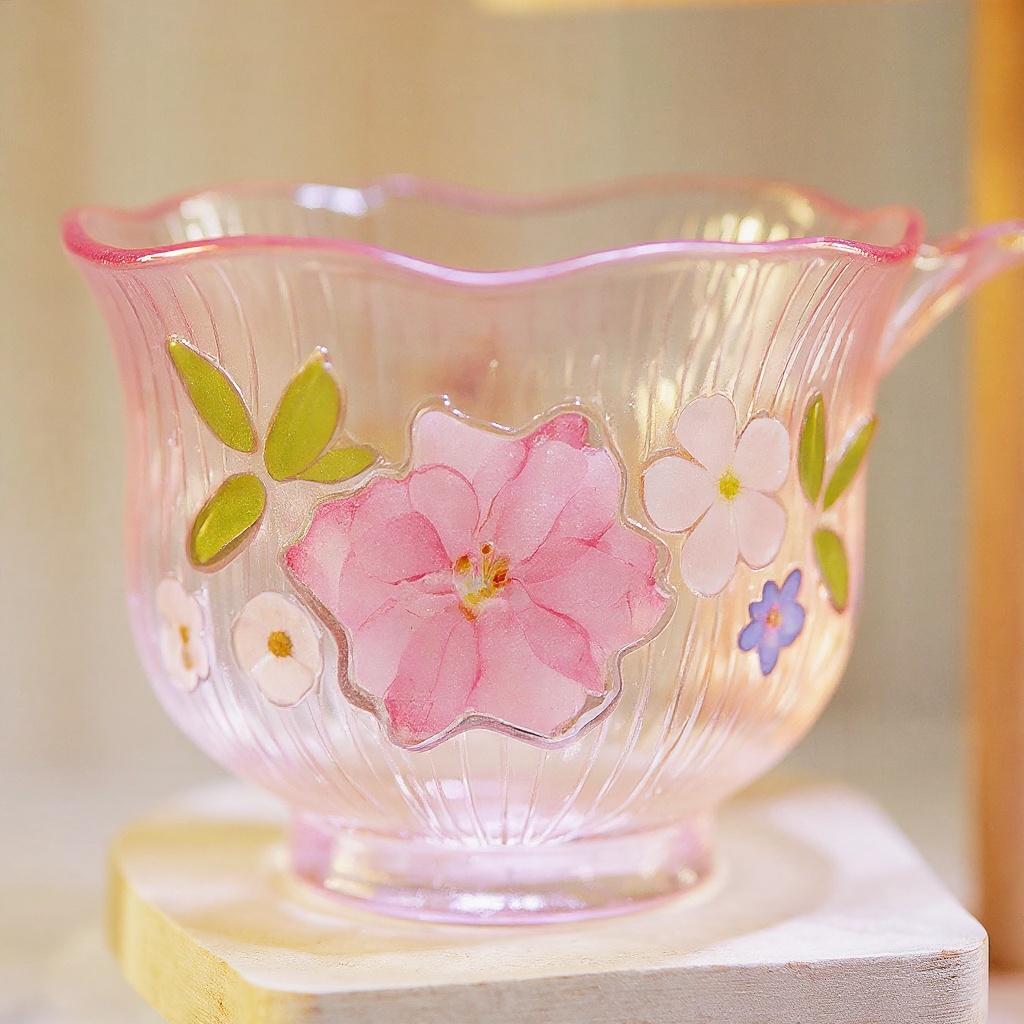
By pampasroom, founder of Pampasroom · 8+ years sourcing and studying botanical preservation techniques and artisan glass craft across Southeast Asia · Contributor to handmade goods education platformsA botanical glass cup is a hand-blown glass vessel—typically 300–500ml—in which real preserved flowers, leaves, or botanical elements are permanently embedded on or within the outer glass surface, creating a three-dimensional floral display you can hold, use, and admire daily. Unlike printed floral mugs, these cups feature genuine plant matter that catches light differently at every angle. The botanical glass cup aesthetic home decor category has grown from a niche craft into a recognized artisan segment, driven by demand for objects that are simultaneously functional and deeply personal. Our Handmade Gradient Pink Butterfly Glass Cup | Preserved Flowers Floral Tea Mug 400ml is the clearest example of what this category can be at its best: soft pink-to-clear ombre glass, visibly raised real preserved flowers, and a butterfly motif—all on one 400ml vessel made to hold your morning tea.
Why Preserved Flowers in Glass Beat Every Printed Alternative
Mass-produced mugs with printed flower designs cost $15–$40. They also fade, chip, and feel like what they are: factory output. Real botanical glass cups cannot be replicated at scale. Pressed flower craft has existed for centuries, and contemporary artisans have developed preservation methods—primarily silica gel drying and glycerin treatment—that maintain a flower's original color structure and dimensional form before it is fixed to glass. When you hold one of these cups, you feel the raised texture of actual petals beneath your fingertips. That is not a printed effect. That is a real flower, sealed into the glass surface by a human being who spent days on that single piece.
The crafting timeline for quality botanical glass cups typically runs 3–5 days per piece. Artisans must select flowers at precise peak-bloom stages, preserve them to remove internal moisture (which would otherwise expand and crack glass under heat), position each element individually, and seal them permanently. This is why handmade versions command higher prices. You are paying for skilled labor hours, not markup on materials alone.
Our Handmade Gradient Pink Butterfly Glass Cup follows this exact process—each cup is finished by hand, which means slight natural variations between pieces. No two are identical. That matters.
The Honest Truth About Botanical Glass Cups Nobody Else Will Tell You
Here it is: if you keep your cup on a south-facing windowsill in direct sunlight for 6–8 hours a day, the flower pigments will shift over 12–18 months. Reds hold well. Yellows drift toward tan. Pinks—the color most associated with this aesthetic—can soften to cream over time under heavy UV exposure. This is not a defect. It is the nature of real botanical material. No amount of sealing prevents photodegradation entirely.
The solution is simple. Display near a window. Don't live inside one.
For most indoor settings with indirect natural light, properly preserved flowers in sealed glass maintain their appearance for 5–10 years, consistent with the known shelf life of glycerin-preserved botanicals documented in craft conservation literature. That is a realistic expectation, not a marketing claim.
Heat Resistance and Daily Use: What the Numbers Actually Mean
Borosilicate glass—the material used in quality scientific and culinary glassware—has a coefficient of thermal expansion roughly one-third that of standard soda-lime glass, according to material science references from manufacturers including Schott AG, one of the world's leading technical glass producers. In practical terms, this means borosilicate vessels can move from refrigerator temperature to hot-liquid temperature without cracking under normal use conditions. Most quality botanical glass cups using borosilicate construction are rated for liquids up to approximately 120°C (248°F)—well above the 100°C boiling point of water.
The flower preservation step is directly linked to heat safety. Residual moisture inside plant tissue expands when heated. If flowers are not fully desiccated before embedding, that expansion creates internal pressure. Artisans who skip or rush this step produce cups that fail. The 3–5 day process timeline exists precisely because proper desiccation cannot be rushed without consequence.
| Feature | Botanical Glass Cup | Printed Ceramic Mug | Resin Flower Cup | Pressed Flower Ceramic |
|---|---|---|---|---|
| Heat Resistance | ~248°F (120°C) | ~300°F (148°C) | ~140°F (60°C) | ~300°F (148°C) |
| Flower Authenticity | Real preserved flowers | Printed graphics | Real flowers in resin | Pressed flowers under glaze |
| Texture / Dimension | Raised 3D surface | Flat printed surface | Embedded, smooth | Flat under glaze |
| Estimated Lifespan | 5–10 years with care | 2–3 years before fading | 1–2 years before yellowing | 3–5 years |
| Price Range | $50–$120 | $15–$40 | $25–$80 | $30–$70 |
| Dishwasher Safe | Hand wash only | Yes | No | Hand wash recommended |
| UV Sensitivity | Moderate | Low | High | Low |
How Botanical Glass Cups Are Actually Made: A Step-by-Step Process
Understanding the craft removes any doubt about why these objects cost what they cost.
1. Flower selection — Blooms are harvested at peak form, before moisture content begins shifting post-peak. Timing here affects final color retention. 2. Preservation treatment — Flowers are buried in silica gel crystals or immersed in glycerin solution for 48–72 hours, depending on flower density. This removes internal moisture while maintaining structural form. 3. Glass preparation — The base vessel is hand-blown and shaped. For gradient pieces like the pink-to-clear ombre design, this step involves layering different glass densities with colorant compounds—a technique that requires years of experience to execute without visible streaking or uneven transition. 4. Botanical placement — Preserved flowers are positioned on the outer glass surface in deliberate arrangements. The butterfly motif elements are added at this stage as complementary sculptural details. 5. Sealing layer application — A final glass or resin seal encases the botanical elements completely, eliminating air pockets that could cause thermal stress during use. 6. Annealing — The finished piece is slowly cooled in a controlled kiln environment to relieve internal stress in the glass structure. Skipping this step increases breakage risk significantly. 7. Quality inspection — Each cup is examined for seal integrity, bubble formation, and flower positioning before it leaves the studio.
Seven steps. Three to five days minimum. One cup.
The Botanical Glass Cup Aesthetic Home Decor Appeal: More Than Trend
Glass art spans everything from monumental public installations to intimate functional vessels, and botanical glass cups occupy a specific and meaningful niche: daily-use objects with genuine artistic intention. This connects directly to the principles of the slow living movement, which prioritizes meaningful, intentional objects over disposable consumption.The botanical glass cup aesthetic home decor trend resonates because it satisfies two things at once. Function. And something worth looking at.
For the cottagecore and botanical aesthetics community specifically, these cups work as both drinkware and styling objects. Their raised textures and gradient glass catch and scatter light in ways that flat-surfaced mugs cannot. On a linen cloth with scattered dried petals nearby, a single cup becomes a complete visual composition. On a kitchen shelf between a small plant and a ceramic vessel, it anchors the natural material palette without competing loudly for attention.
How to Style a Botanical Glass Cup Without Overdoing It
Three principles. No more needed.
Light first. Position your cup where it will receive indirect natural light during the hours you're most likely to be in that space. Morning light from an east-facing window is ideal for pink glass—the warm wavelengths in early light amplify the ombre gradient in ways that overhead artificial lighting cannot replicate. Space second. Resist the impulse to surround the cup with too many other objects. Two or three complementary items at most: a small potted plant, a vintage book, one ceramic piece in a neutral tone. The cup's botanical surface detail needs visual breathing room to read clearly. Odd numbers third. Groupings of three or five objects read more naturally to the human eye than even-numbered arrangements. If you're building a shelf vignette around your botanical cup, work in threes.For flat-lay photography, scatter 4–6 loose dried petals near the base of the cup rather than arranging them in a pattern. Natural randomness photographs better than deliberate placement.
Investment Value vs. Mass Market: An Honest Breakdown
A $114 handcrafted botanical glass cup versus a $25 printed mug is not a comparison between two mugs. It is a comparison between a machine-produced functional object and a handmade piece that required a skilled artisan's attention for multiple days. High-end studio glass works by recognized artists sell for $500–$1,500 or more. Mid-range botanical glass cups sit far below that ceiling while still representing genuine craft.
The price reflects five compounding factors:
1. Heat-resistant glass material costs — Borosilicate raw materials cost more than standard ceramic, before any labor is applied 2. Preservation-grade botanical materials — Flowers selected and treated for longevity, not decorative filler 3. Skilled labor time — 3–5 days of an experienced artisan's work per single piece 4. Small-batch production limits — No economies of scale available when each cup is individually made 5. Specialized packaging — Fragile hand-blown glass requires protective materials that add cost per unit
For gift-giving, the case is straightforward. A recipient who unwraps a botanical glass cup immediately understands it was made by a person, not manufactured by a process. That distinction is legible without explanation. The botanical glass cup with preserved flowers functions as a daily-use object and a standing record of care in the giving.
Care Instructions That Actually Preserve the Investment
Simple rules. Follow all of them.
- Hand wash only — Use mild dish soap and lukewarm water. Hot water immediately after a cold surface creates thermal shock risk on any glass, including borosilicate. - No abrasive sponges — Scratching the outer glass surface around raised botanical elements can compromise seal integrity over time. Use a soft cloth or non-scratch sponge. - Dry immediately — Water left standing on the outer surface can leave mineral deposits that cloud glass clarity. Pat dry with a soft cloth after washing. - Store away from direct UV — When not in use, keep the cup where it won't receive prolonged direct sun exposure. Indirect light during display is fine. - No microwave — The botanical sealing materials and glass construction are not rated for microwave use. Pour hot liquid in from a kettle instead. - No dishwasher — High-pressure cycles and harsh detergent chemistry can affect both the preserved flowers and any adhesion points in the sealing layer.
If you notice a botanical element beginning to lift after years of use, professional glass repair studios can re-seal loose sections for approximately $30–$50, extending the cup's life rather than replacing it entirely.
FAQ
What exactly is a botanical glass cup and how is it different from a regular floral mug?A botanical glass cup is a hand-blown glass vessel with real preserved flowers and botanical elements permanently embedded on or within the outer glass surface. The flowers are genuine plant matter—selected, dehydrated, positioned, and sealed by an artisan. A printed floral mug has photographic or illustrated flower graphics applied to ceramic or glass through a decal or transfer process. The difference is three-dimensional texture, authentic botanical material, and handcraft labor versus machine-applied graphics.
Are preserved flower glass cups safe to use for hot drinks like tea and coffee?Quality botanical glass cups constructed from borosilicate glass are rated for liquid temperatures up to approximately 120°C (248°F), which covers all standard hot beverage use. The preservation process removes internal moisture from the flowers before they are sealed, preventing expansion under heat. Always verify the specific cup's heat rating with the seller before use, as some decorative pieces are not intended for hot liquids.
How long do preserved flowers last when embedded in glass?Properly desiccated and sealed botanical elements in glass typically maintain their appearance for 5–10 years under normal indoor use conditions. The primary threat to longevity is prolonged direct UV exposure, which degrades certain pigments—particularly yellows and light pinks—over 12–24 months of sustained direct sunlight. Reds and deeper tones hold significantly longer. Indirect natural light during display, with storage away from windows when not in use, extends appearance life toward the upper end of that range.
Can you put a botanical glass cup in the dishwasher?No. Dishwasher heat cycles, high-pressure water jets, and commercial detergent chemistry can all compromise the seal integrity around embedded botanical elements. Some adhesion between the outer sealing layer and the preserved flowers may weaken under repeated dishwasher exposure. Hand washing with mild soap and lukewarm water is the only recommended cleaning method for botanical glass cups.
What is the difference between a resin flower cup and a hand-embedded glass cup?Resin flower cups suspend botanical elements inside cast polymer resin rather than glass. Resin has a significantly lower heat tolerance—typically around 60°C (140°F)—making resin cups unsuitable for hot beverages without risking material deformation. Glass offers superior thermal stability, does not yellow over time the way some resins do under UV exposure, and provides better optical clarity. The trade-off is price: resin cups are generally less expensive and lighter in weight.
Why do handmade botanical glass cups cost so much more than printed floral mugs?Five factors compound to create the price difference: heat-resistant borosilicate glass costs more than standard ceramic as a raw material; preservation-grade botanical flowers require specific selection and treatment; a skilled artisan spends 3–5 days per piece versus machine-produced seconds per mug; small-batch production eliminates the cost efficiencies of mass manufacturing; and fragile hand-blown glass requires specialized protective packaging. The price reflects actual labor and material costs, not brand markup.
Is a botanical glass cup a good gift for someone who loves cottagecore or botanical aesthetics?Yes, for several specific reasons. Botanical glass cups combine daily functional utility with handcrafted natural aesthetics that align directly with cottagecore values: real plant material, slow craft production, and objects made with visible human intention. They work as drinkware and as display objects, giving the recipient flexible use. The botanical glass cup with preserved flowers makes a particularly appropriate gift because it remains useful daily rather than sitting on a shelf purely as decoration.
Can the embedded flowers in glass cups fade or change color over time?Yes, with significant variation by flower color and exposure conditions. Reds and deep purples show the most resistance to UV-driven color shift. Yellows and light pinks are most susceptible, potentially shifting over 12–18 months of direct daily sunlight exposure. Under normal indoor indirect light conditions, color change is minimal and gradual. Some collectors consider subtle natural aging of botanical material to be part of the object's character rather than a flaw.
How do I style a glass cup with flowers in it without making my shelf look cluttered?Limit surrounding objects to two or three complementary pieces—a small plant, a neutral ceramic, or a vintage book. Use odd-numbered groupings, which read more naturally than pairs. Give the cup space to be the visual focal point rather than competing with equally detailed objects nearby. Indirect natural light from a window nearby, rather than overhead artificial lighting, will show the gradient glass and raised botanical surface at their best.
What kind of flowers are typically used in botanical glass cups?Artisans most commonly select flowers with structural density that survives the desiccation process without collapsing: small roses, gypsophila (baby's breath), lavender sprigs, forget-me-nots, and various small filler blooms. Large, high-moisture flowers like peonies or hydrangeas are rarely used because their petal structure is too fragile to survive drying intact. The specific selection affects the final visual texture—denser flowers create more pronounced raised relief on the glass surface.
Conclusion
Botanical glass cups are functional art pieces in the most literal sense. They hold your tea. They also hold something a printed mug never will: real botanical material, shaped and placed by a human being who spent days on that single object. The botanical glass cup aesthetic home decor category continues to grow because people are actively seeking objects that carry evidence of care in their making.
The pink-to-clear gradient, the raised preserved flowers, the butterfly motif—these are not decorative gestures. They are the result of a specific multi-day craft process that cannot be shortcut without compromising the object. If you're ready to use something genuinely beautiful every morning, browse our Handmade Gradient Pink Butterfly Glass Cup | Preserved Flowers Floral Tea Mug 400ml and see what botanical glass craft looks like when it's done properly.


