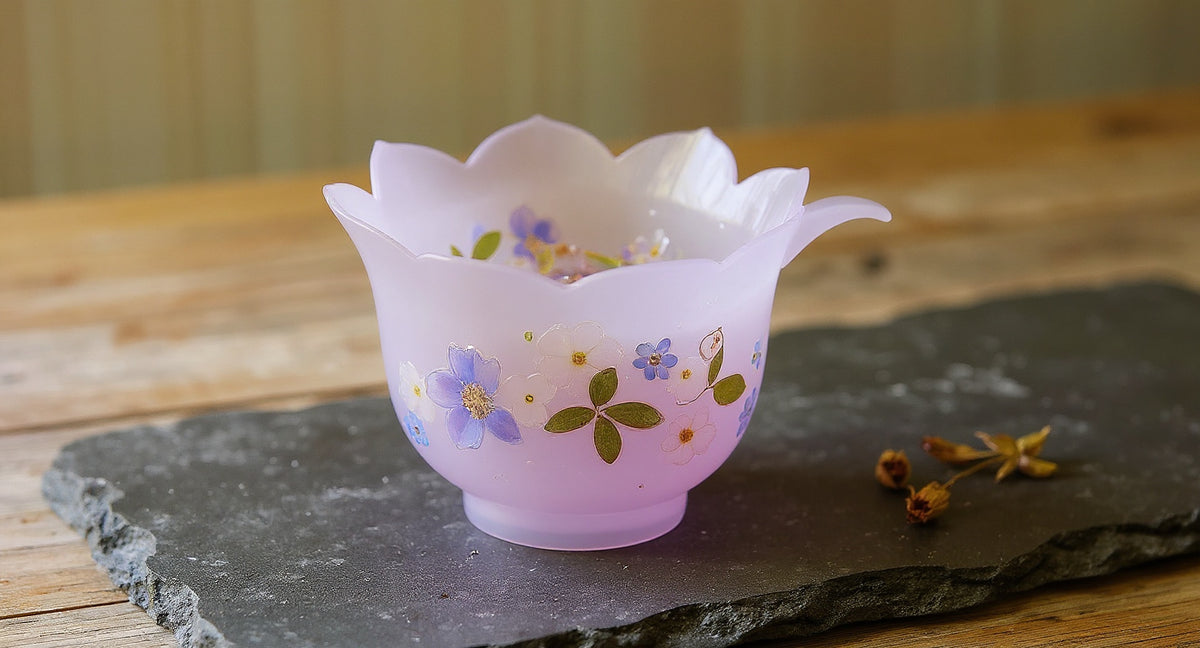
Eco resin tea cup botanical art is a tea cup built to do two jobs at once, holding tea and preserving flowers as a small functional object. It only makes sense to buy one if the resin is food-safe, the heat limit is clear, and the cup’s capacity matches the tea routine it’s meant to support.
The appeal is obvious. A standard glass cup gives function; a floral resin cup adds a preserved botanical layer that turns the drink into part of the ritual. The catch is also obvious: a pretty cup can still be the wrong cup if the resin, sealing, or care instructions are vague.
What eco resin tea cup botanical art actually means
This kind of cup sits between drinkware and craft object. The floral elements are not printed decoration. They’re preserved plant material, usually dried or pressed first, then embedded and sealed so they stay fixed under a resin surface. That basic idea lines up with the craft tradition behind pressed flower work, where the plant keeps its shape through drying, flattening, and careful handling.That matters because the floral detail is doing real work here. It’s not a surface pattern that can be wiped off. It’s part of the object’s structure, which is why buyers care so much about sealing quality, resin clarity, and long-term stability.
There’s also a material difference between a decorative cup and a usable one. Resin is a polymer system that cures into a hard solid, and the word gets used loosely in marketing. The category resin covers a lot of chemistry, so the real question is not “is it resin?” but “what kind, how cured, and what does the maker claim about food contact?”
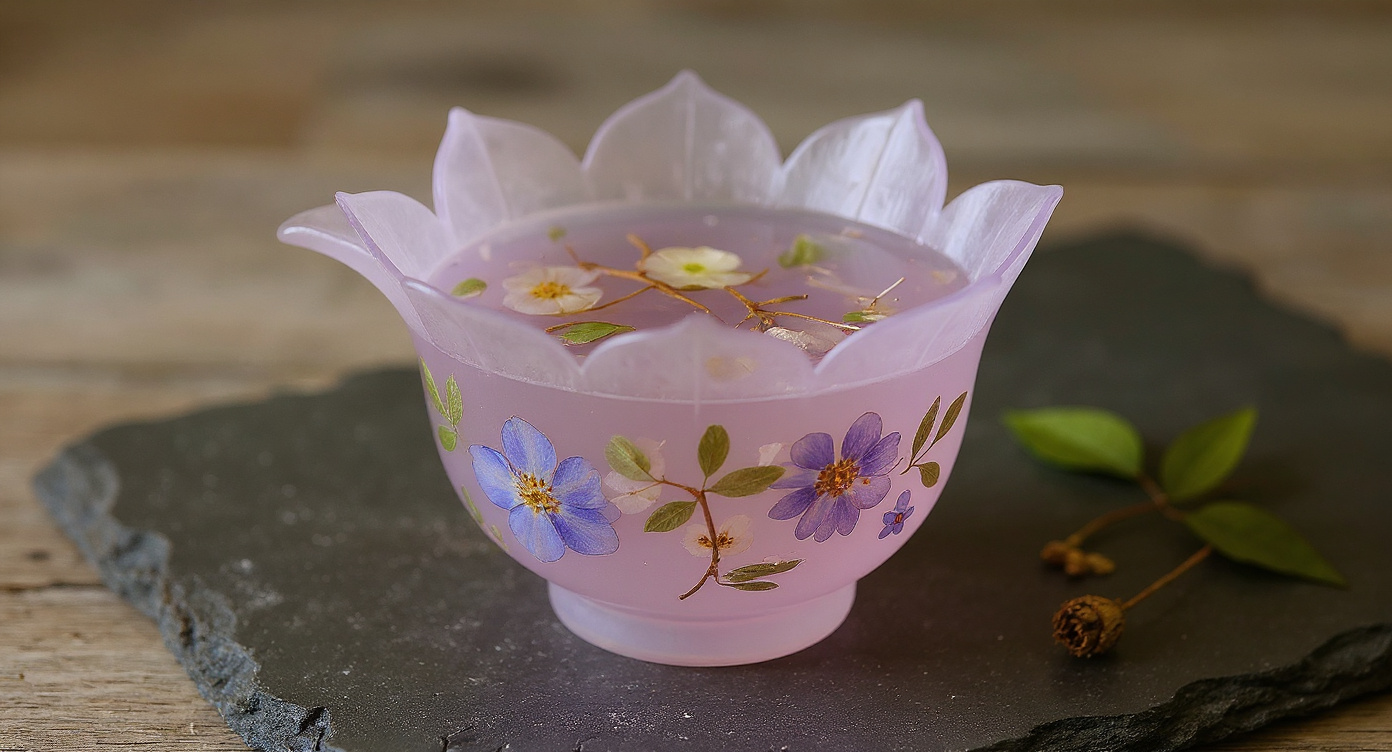
For the cup here, the practical details are straightforward: about 400ml capacity, heat-resistant glass, real preserved flower petals, and an eco-friendly food-safe resin seal. That combination makes the piece more than a shelf object, but it still isn’t a casual, abuse-proof tumbler.
Food safety, heat limits, and the checks that matter most
Food safety is the first filter. If the resin touches the drink path, the seller should state food-safe resin clearly and consistently. If the language is fuzzy, treat it as a decorative object first and drinkware second. That’s not being difficult. It’s basic risk control.The next check is temperature. Hot tea, especially water close to boiling, tests both the glass and the resin seal. A heat-resistant glass body helps, but it doesn’t make every part of the cup equally tolerant. The resin and any bonded floral inserts are usually the more vulnerable part, especially under repeated thermal cycling.
A useful buying checklist looks like this:
1. Confirm the resin is explicitly described as food-safe, not just “eco” or “non-toxic.” 2. Look for a stated capacity, like the ~400ml format here, so the cup fits the tea volume actually used. 3. Ask whether the resin is fully cured and whether the maker gives a curing window or post-cure note. 4. Check if the cup is intended for hot tea, warm tea, or room-temperature drinks only. 5. Verify whether the floral elements are sealed under resin or merely trapped near the surface. 6. Treat dishwasher use as off-limits unless the seller states otherwise in plain terms.
That last point matters because dishwashers combine heat, alkaline detergent, and mechanical force. None of those are friendly to hand-crafted seals.
The price also belongs in the safety conversation, because a premium cup should deliver premium clarity. The comparison below shows where this piece sits versus more common floral cups.
| Cup type | Typical construction | Price in context | Best fit |
|---|---|---|---|
| Mass-produced floral-print glass cup | Printed decoration, standard glass | $15-$40 | Everyday casual use |
| Handmade pressed-flower resin cup | Real botanicals, artisan resin work | $45-$120 | Giftable art cup |
| Handmade Eco Resin Tea Cup Real Flowers | Heat-resistant glass, preserved petals, food-safe resin | $114.037142857143 | Collectible ritual cup |
That puts the Handmade Eco Resin Tea Cup Real Flowers | Frosted Purple Lotus Glass | Zen Gift in a middle zone that isn’t bargain pricing and isn’t pure gallery-only territory either. The value depends on whether the floral work, sealing, and capacity justify paying for an object that’s meant to be both used and kept.
Resin vs epoxy, and why the difference isn’t cosmetic
People often use resin and epoxy as if they’re the same thing. They aren’t. Epoxy is one resin system, but not every resin cup is epoxy-based, and not every resin marketed as “eco” will behave the same way. The important part is how the material cures, how clear it stays, and how it handles heat and contact over time.If the seller uses the term eco resin, that sounds better than generic craft resin, but it still needs support. The claim should be tied to the product description, food-contact claim, or compliance language, not vibes. The EPA’s greener products guidance is useful here because it frames “greener” as a materials-and-impact question, not a decorative label.
That is why buyers should separate three ideas:
- Epoxy often signals a hard, durable finish, but it still needs explicit food-contact and curing information. - Resin is the broader category, which includes many chemistries with different thermal and chemical behavior. - Eco resin may describe a lower-impact formulation, but the claim only matters if it’s paired with real use guidance.
For daily care, handmade floral resin cups should be treated gently. Hand washing with mild soap and lukewarm water is the safest default unless the maker states something stronger. Abrasive sponges, long soaks, and harsh detergents are bad habits for any resin-finished object.
A cup like this is more likely to last if it’s used for tea service, rinsed soon after use, and stored where it won’t knock against hard objects. That’s boring advice. It’s also the part that protects the sealed botanicals.
How this cup fits tea rituals, gifting, and display
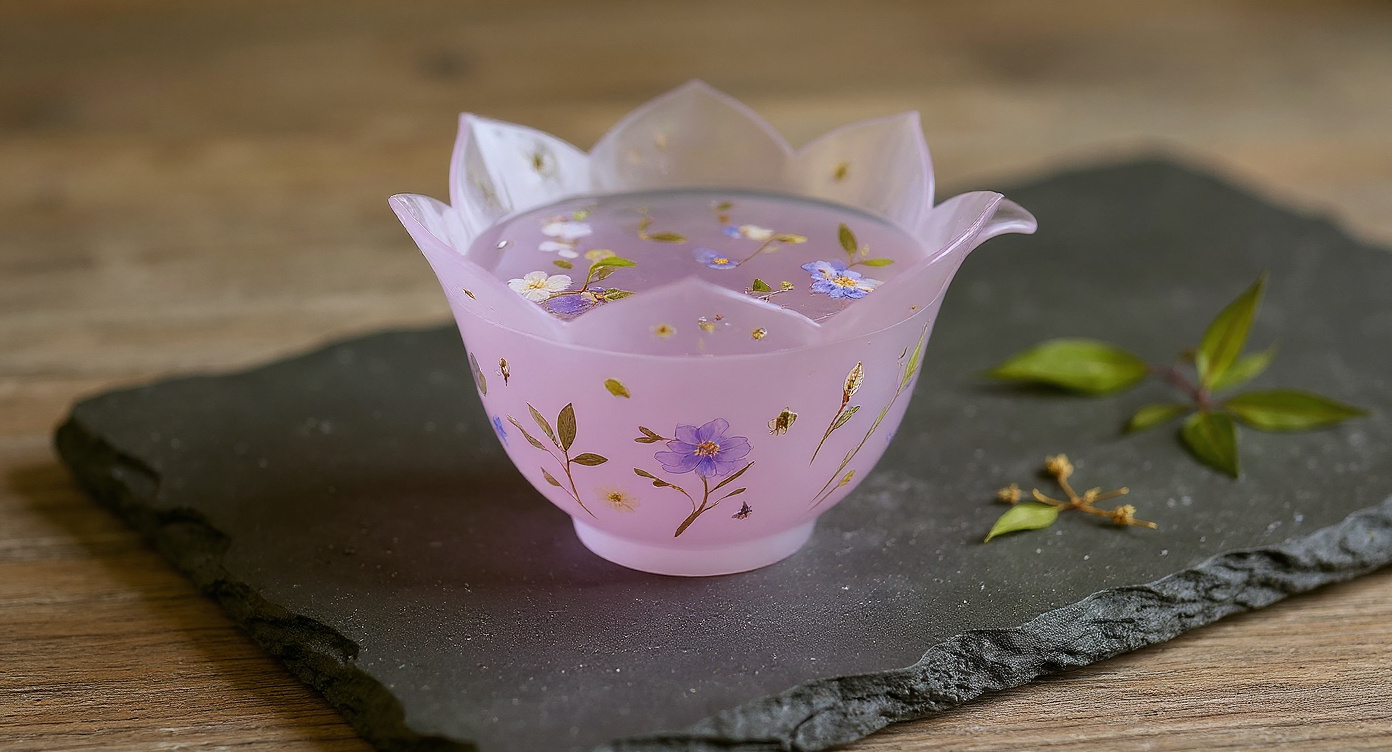
A 400ml cup can work for personal tea sessions, herbal infusions, or a lighter gongfu setup where repeated pours matter more than a large single mug. In the context of gongfu tea preparation, smaller vessels are often used to control steeping and attention, which makes a botanical cup feel less like a novelty and more like a ritual object.That ritual angle is the real reason these cups sell. The cup becomes part of the pause. The preserved flowers turn a routine drink into a small visual anchor, which is why the format works so well for gifting, desk use, or a tea corner that’s meant to feel intentional.
It also explains the price tension. Mass-produced floral-print glass cups at $15-$40 can cover the basic aesthetic at low cost. Handmade pressed-flower resin cups at $45-$120 push further into artisan territory. A piece priced at $114.037142857143 only makes sense if the buyer values the hand-built botanical structure, the food-safe resin claim, and the sense that each cup is a one-off object rather than stock décor.
For someone choosing between utility and sentiment, the decision comes down to use pattern.
- If the cup will live in a busy kitchen and get tossed in the dishwasher, skip this category. - If it will be used for a tea pause, a mindfulness corner, or a gift that needs to feel personal, this category starts to make sense. - If the buyer wants pure drink capacity with no maintenance fuss, a plain glass cup is the smarter purchase.
The product page for Handmade Eco Resin Tea Cup Real Flowers | Frosted Purple Lotus Glass | Zen Gift fits that second and third use case best, where the object’s emotional value is part of the point.
FAQ
Are resin tea cups food safe?
They can be, but only if the maker clearly states that the resin is food-safe and the food-contact area is properly cured and sealed. If that claim is missing or vague, treat the cup as decorative rather than kitchen-safe.Can you put hot tea in a resin cup?
Only if the seller says the cup is designed for hot tea and gives a clear heat tolerance. Heat-resistant glass helps, but resin seals and embedded botanicals are still the weak point under repeated heat.Do preserved flowers fade in resin over time?
Yes, some fading is possible. Light exposure, heat, and time can all soften color, which is why sealed botanicals should be kept away from strong direct sun when possible.Is a handmade floral resin cup dishwasher safe?
Usually no, unless the maker specifically states dishwasher compatibility. Hand washing is the safer default because heat and detergent can stress the seal and the floral inserts.How do you clean a tea cup with real flowers in it?
Use mild soap, lukewarm water, and a soft sponge. Avoid soaking it for long periods, and don’t scrub the resin surface with anything abrasive.What is the difference between resin and epoxy cups?
Epoxy is a type of resin, but the terms are not interchangeable in practice. A seller should identify the resin system and explain whether it’s meant for food contact and heat exposure.Are floral resin cups durable enough for daily use?
They can be, if the cup is well made and used with care. Daily use is reasonable for gentle tea routines, but not for rough handling, dishwashers, or careless temperature swings.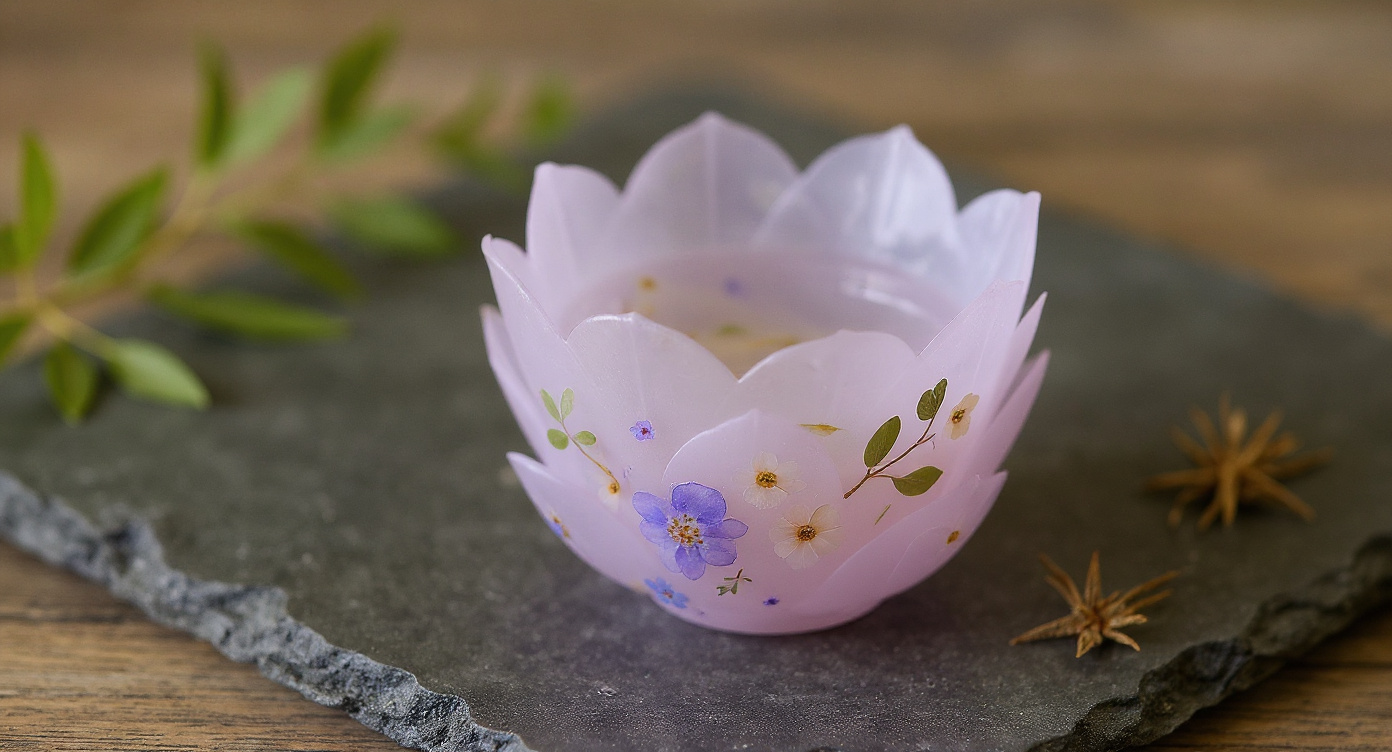
So is it worth the premium?
A floral resin tea cup is only a good buy when the buyer wants more than a container. It needs to be food-safe, heat-aware, and sealed well enough that the botanicals stay intact through normal use. If those boxes are checked, the cup stops feeling like a trinket and starts functioning as a ritual object with real utility.That’s why the main hesitation usually isn’t style. It’s trust. Buyers want proof that the resin is safe, the flowers are preserved properly, and the cup won’t become a fragile regret after a few washes. For that kind of purchase, browse the Handmade Eco Resin Tea Cup Real Flowers | Frosted Purple Lotus Glass | Zen Gift and judge it on the details that actually matter, not just the botanical story.