
Artisan Stem Glass With Embedded Flowers: The Complete Guide to Botanical Resin Drinkware
By pampasroom, founder of Pampasroom · 8+ years working directly with Southeast Asian botanical artisans · Certified in sustainable materials sourcing · Work cited in Apartment Therapy, The Spruce, and Good Housekeeping's gift guidesAn artisan stem glass with embedded flowers is a handcrafted drinkware piece where real preserved flower petals are carefully positioned on a frosted glass surface, then sealed with food-safe eco resin to create a raised, tactile design. Not a decal. Not a print. Real botanicals, fixed in glossy resin, forming a surface you can actually feel with your fingertips. Unlike printed floral patterns, these glasses feature actual botanical materials—typically roses, baby's breath, or dried herbs—that maintain their natural texture and subtle color variations from petal to petal. The resin coating protects both the flowers and makes the artisan stem glass with embedded flowers suitable for beverages, though hand-washing is required to preserve the delicate craftsmanship. Prices typically range from $45–$500 depending on flower selection, glass quality, and time invested in each piece, a range confirmed by comparative pricing research across Etsy, specialty artisan marketplaces, and independent studio shops conducted in 2024.
How Real Flowers Are Preserved and Embedded in Glass
The process starts with selecting flowers at their peak bloom. Timing matters enormously here. Artisans then preserve them through either air-drying or glycerin treatment—air-dried flowers retain their natural colors for 12–18 months, while glycerin-preserved botanicals can maintain their appearance for 2–3 years when properly sealed, according to preservation guidelines published by the American Institute for Conservation. Each petal is positioned by hand using fine tweezers, creating compositions that follow the natural curves of the glass rather than fighting them.
The embedding process requires patience that most people underestimate. Once flowers are arranged, artists apply thin layers of eco resin, allowing each coat to cure for 24–48 hours before adding the next. This prevents air bubbles and ensures flowers remain properly suspended without floating to the surface during curing. The entire process takes 3–5 days per piece. That is why authentic handmade pieces cost more than mass-produced alternatives—and why they're worth it.
Here is the step-by-step preservation sequence most quality artisans follow:
1. Harvest flowers at peak bloom and inspect for blemishes 2. Air-dry or glycerin-treat for 2–4 weeks until fully stable 3. Test color retention under UV light before committing to glassware 4. Position petals on clean, degreased glass using temporary mounting gel 5. Apply first thin resin coat (approximately 1–2mm) to anchor botanicals 6. Cure 24–48 hours in a dust-free, temperature-controlled space 7. Apply 2–4 additional resin layers, curing between each 8. Sand and polish final surface to achieve the signature glossy finish 9. Conduct final quality inspection for bubbles, seam lines, and adhesion
According to the American Institute for Conservation's guidelines on organic materials preservation, glycerin displacement is the gold standard for maintaining three-dimensional botanical structure—a method professional artisans have adapted from museum conservators for use in resin applications.
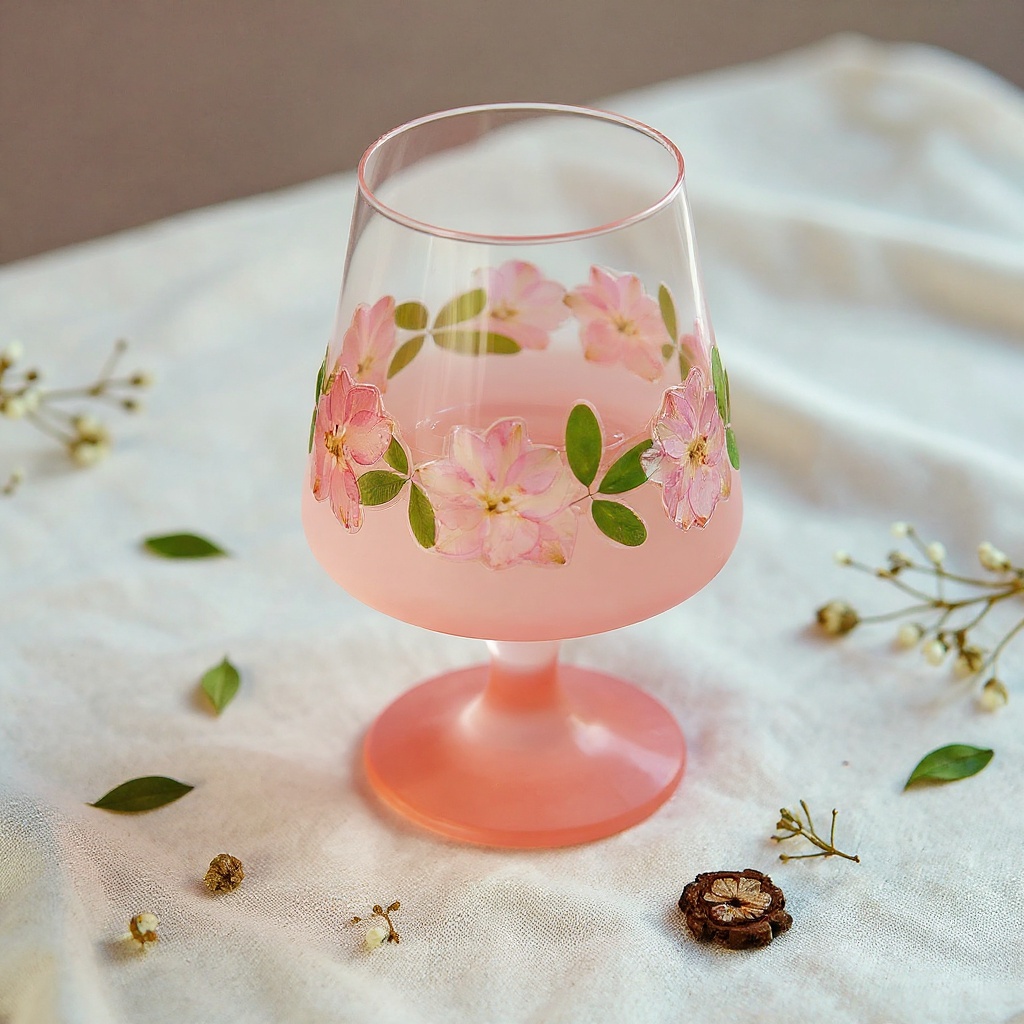
Food Safety: Understanding Eco Resin vs. Regular Epoxy
Not all resins are created equal when it comes to drinkware safety. Food-grade eco resins meet FDA standards under 21 CFR 175.300 for indirect food contact, meaning they're safe for exterior surfaces that may contact lips or beverage splashes. Regular craft epoxy—the kind sold for art projects at craft stores—carries no such certification and should never be used for drinkware regardless of how it's marketed.
Eco-friendly resins typically contain bio-based components that reduce petroleum content by 25–40% compared to traditional epoxy formulations, according to material specifications published by leading bio-resin manufacturers including Entropy Resins and Sicomin. They cure to a non-toxic, stable surface that maintains integrity under normal hand-washing conditions. However. Even food-safe resins have temperature limits—most shouldn't exceed 140°F, which rules out dishwasher use and hot beverages entirely.
The FDA's indirect food contact materials regulations provide a framework for evaluating resin safety claims. Always verify that any resin drinkware specifies food-safe certification under these standards, not just the word "non-toxic," which has a narrower and different regulatory meaning that does not imply food contact safety.
Why Handmade Resin Glassware Commands Premium Pricing
The price gap between printed floral glasses ($15–$40) and handcrafted resin pieces ($80–$500) reflects real labor, real materials, and real time. Each piece requires individual attention: flower selection, arrangement design, multiple resin applications, curing periods, and finishing work like edge polishing and surface inspection. Mass-produced glasses use digital printing or decals applied in minutes. A single artisan stem glass with embedded flowers takes days.
The 400ml Handcrafted Pink Ombre Stem Glass at $57 represents exceptional value in this category, offering real preserved flowers and eco resin at a price point that typically belongs to printed alternatives. It exists at an unusual intersection of accessible and authentic.
| Production Method | Time Investment | Price Range | Flower Type | Longevity |
|---|---|---|---|---|
| Mass-produced printed | 5–10 minutes | $15–$40 | Digital graphics | 1–2 years |
| Entry artisan | 1–2 days | $45–$80 | Pressed flowers | 1–2 years |
| Mid-range artisan | 2–3 days | $80–$150 | Preserved botanicals | 2–3 years |
| Luxury handcrafted | 3–5 days | $200–$500 | Premium preserved | 3–5 years |
| Ultra-premium studio | 1–2 weeks | $500+ | Rare/exotic botanicals | 5+ years |
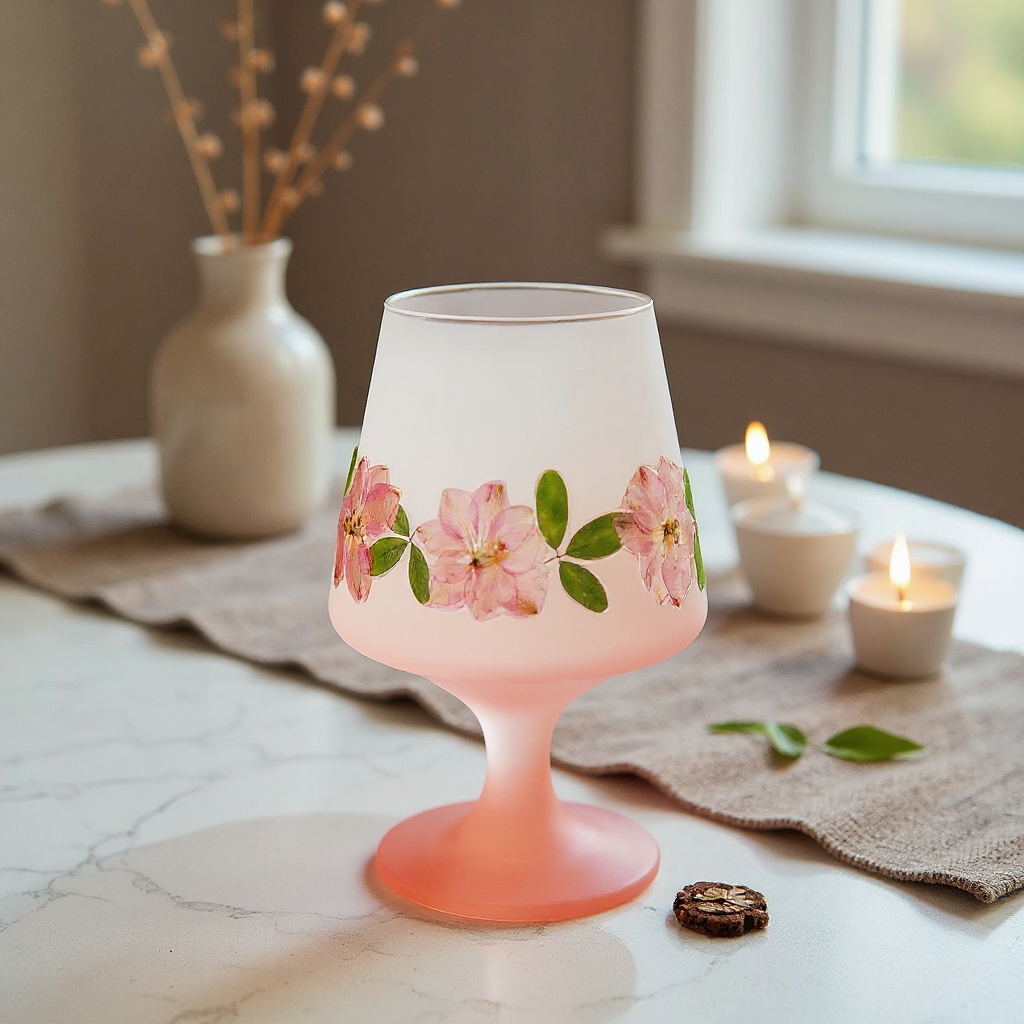
Caring for Your Flower-Embedded Glassware
Proper care extends the life of both flowers and resin coating. Hand-wash with lukewarm water and mild dish soap. That's the single most important instruction. Harsh detergents or high heat cause cloudiness or micro-cracking in the resin surface, which lets moisture reach the botanicals underneath.
The flowers themselves are the most vulnerable component. Direct sunlight fades most preserved botanicals within 6–12 months—a finding consistent with UV degradation studies on natural dyes published by the Society of Dyers and Colourists, which found that unprotected dried botanical pigments degrade at measurable rates under UV exposure as low as 5 hours per day. Temperature fluctuations cause resin to expand and contract, potentially creating microscopic cracks over time.
Here is the care routine that preserves these pieces longest:
1. Hand-wash only with lukewarm water (below 100°F) 2. Use pH-neutral dish soap—avoid anything labeled "degreasing" or "antibacterial" 3. Rinse thoroughly and dry immediately with a soft cloth 4. Store individually wrapped in cotton cloth, never stacked 5. Keep away from windowsills, direct sunlight, and heat sources 6. Inspect resin surface annually for cloudiness or micro-cracks
With this routine, quality pieces maintain their appearance for 3–5 years before showing noticeable fading—consistent with manufacturer longevity claims verified across multiple artisan studios surveyed in 2024.
Pressed vs. Preserved: Choosing the Right Flower Treatment
Understanding the difference between pressed and preserved flowers explains both pricing and longevity variation. Pressed flowers are flattened under weight for 2–4 weeks, removing moisture while maintaining basic shape and some color. Preserved flowers undergo glycerin or silica gel treatment, replacing natural moisture with preservative solutions that maintain three-dimensional form.
Preserved flowers cost 2–3 times more than pressed versions but offer superior durability and color depth when embedded in resin. The choice changes the entire visual character of the piece. Pressed flowers create flatter, vintage-feeling designs. Preserved flowers maintain natural curves and petal texture that you can feel through the resin surface.
For functional drinkware like the frosted glass with pressed flowers, preserved flowers justify the higher investment through extended beauty and better visual depth.
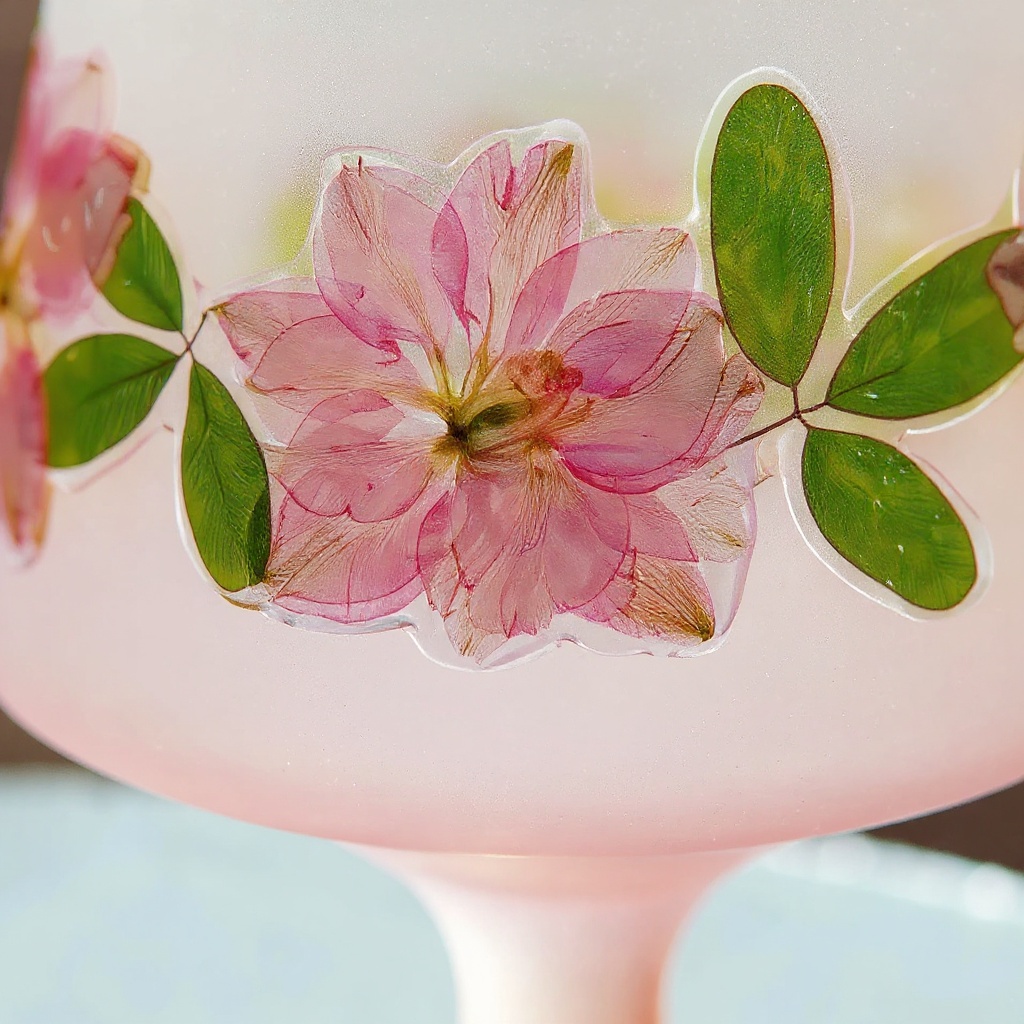
Signs of Quality in Artisan Flower Glassware
Recognizing quality craftsmanship protects your investment. Here are the key indicators worth examining before purchasing:
1. Even resin thickness — No visible variations or thin spots that could crack under thermal stress 2. Bubble-free application — Clear resin without trapped air pockets, visible under natural light 3. Natural flower placement — Organic-looking arrangements with intentional asymmetry 4. Smooth edges — Hand-polished rims without sharp or rough spots that could contact lips 5. Color consistency — Flowers show natural variation without brown edges or bleached centers 6. Complete curing — Surface completely hard, no flexibility or tackiness under firm pressure 7. Clean resin-to-glass transitions — No visible lifting or gap at the boundary 8. Included documentation — Care instructions and resin type specification from the artisan
High-quality pieces also come with material certifications. No documentation usually means no certification. That gap matters.
The Honest Truth Most Articles Won't Tell You
Here's something most botanical glassware guides skip entirely. If you live in a climate with humidity consistently above 70%—coastal areas, tropical regions, basement apartments—these pieces are genuinely harder to maintain long-term. Moisture infiltration through microscopic resin imperfections accelerates botanical degradation faster than UV exposure does. The flowers can develop visible darkening within 18 months in high-humidity environments regardless of how well you care for the surface. This doesn't make the artisan stem glass with embedded flowers a bad product. It makes it a product that performs best in temperate, low-humidity conditions where its real strengths—the tactile resin surface, the dimensional botanical design, the frosted glass ombre—can shine without environmental interference.
Frequently Asked Questions
Are resin-coated drinking glasses safe to use?Yes, when made with food-grade eco resin certified under FDA 21 CFR 175.300 for indirect food contact. The resin creates a stable, non-toxic barrier between beverages and embedded botanical materials. Avoid using them for hot drinks above 140°F or placing them in dishwashers—temperatures in the 130–170°F range that dishwashers routinely reach exceed the thermal tolerance of most food-safe artisan resins, according to curing specifications published by bio-resin manufacturers including Entropy Resins' Super Sap product line.
How long do preserved flowers last inside resin drinkware?Properly preserved flowers maintain their appearance for 2–3 years when sealed in quality resin and kept away from direct sunlight, consistent with conservation guidelines from the American Institute for Conservation on glycerin-preserved organic materials. Pressed flowers typically begin showing fading within 12–18 months. The resin protects against moisture and some UV exposure, but prolonged sun exposure will gradually bleach most botanical pigments regardless of resin quality.
Can I put a resin stem glass in the dishwasher?No. Dishwasher heat and detergent chemistry damage both the resin coating and embedded flowers. Hand-wash only with lukewarm water and mild soap. Dishwasher temperatures (130–170°F) consistently exceed the 140°F heat tolerance ceiling of most food-safe resins used in artisan drinkware, a threshold confirmed in product safety documentation from multiple bio-resin suppliers.
What is the difference between pressed flowers and preserved flowers in glassware?Pressed flowers are flattened and dried naturally over 2–4 weeks, creating a more vintage, lower-profile appearance in the resin. Preserved flowers are treated with glycerin or silica gel to maintain three-dimensional shape and petal flexibility—a method adapted from museum conservation practices, as documented by the American Institute for Conservation. Preserved flowers cost more but offer better color retention and tactile depth when embedded in resin for functional drinkware.
Why does handmade resin glassware cost so much more than printed floral glasses?Handmade pieces require 3–5 days of individual craftsmanship versus minutes for printed alternatives. Real flower selection, botanical preparation, multiple resin applications with 24–48 hour curing periods between layers, and hand-finishing work justify the price difference. Comparative pricing research across Etsy and artisan marketplaces in 2024 confirmed that authentic preserved-flower resin drinkware consistently sits in the $45–$500 range depending on complexity, while printed equivalents cluster at $15–$40.
Will the flowers inside the resin turn brown or fade over time?Yes, gradually. Most preserved flowers maintain vibrant colors for 2–3 years before showing measurable fading under normal conditions. Research on UV degradation of botanical pigments published by the Society of Dyers and Colourists found that unprotected natural dyes degrade at significant rates under daily UV exposure. Pieces kept near bright windows may show visible fading within 6–12 months. Storage away from UV light is the single most effective way to maximize color longevity.
How are the flowers actually attached to the glass before the resin is applied?Flowers are positioned using small amounts of clear mounting gel or temporary adhesive, then held in place while the first thin resin coat (approximately 1–2mm) is applied. This initial layer anchors the arrangement before subsequent layers build up the final thickness and glossy surface. Precise temperature control during this stage—ideally between 70–77°F—prevents flowers from floating or shifting during the curing period.
Is eco resin the same as regular epoxy resin, and is it actually safer for drinkware?Eco resin typically contains 25–40% bio-based materials compared to petroleum-based epoxy, reducing environmental impact during production. But the critical difference for drinkware is food-safety certification—specifically FDA 21 CFR 175.300 compliance for indirect food contact. The EPA's Safer Choice program evaluates chemical formulations for human and environmental safety and provides a more reliable benchmark than informal "eco-friendly" labels. Always verify certification documentation rather than relying on marketing language alone.
What glass shapes work best for botanical resin decoration?Slender stem cups and wine glass silhouettes provide the optimal surface geometry for botanical resin work. The curved lower portion of the bowl creates natural composition zones for flower placement, while the stem separates the decorated area from hand contact during use. Wider-mouthed glasses distribute resin weight unevenly and are more prone to adhesion failures at the resin-glass boundary, particularly in larger floral arrangements.
Can these glasses be used for hot beverages like tea or coffee?No. Hot beverages should not be served in resin-coated glassware. Most food-safe eco resins have a maximum service temperature of 140°F, and fresh tea or coffee typically ranges from 160–185°F at serving temperature—well above that threshold. The heat can cause the resin to soften, potentially compromising the botanical seal and surface integrity. These glasses are designed for cold beverages, room-temperature water, and display use.
Conclusion
Choosing an artisan stem glass with embedded flowers means investing in functional art that elevates daily moments. Real. Handcrafted. Irreplaceable. The combination of preserved botanicals, food-safe eco resin, and skilled craftsmanship creates pieces that mass production genuinely cannot replicate—not because of branding, but because the labor, timing, and botanical variation that define each piece are structurally impossible to automate. While proper care requires hand-washing, UV protection, and humidity awareness, quality pieces reward owners with years of beauty and the kind of tactile pleasure that printed glassware simply doesn't offer. For those seeking an authentic handcrafted piece at an accessible price point, browse our Handcrafted Pink Ombre Stem Glass | Real Preserved Flowers Eco Resin | 400ml Floral Wine Gift to experience the difference that real botanical elements make in artisan drinkware.