































Cottagecore Glass Tumblers With Flowers: A Full Guide
Cottagecore Glass Tumbler With Flowers: A Complete Buyer's Guide
By pampasroom, founder of Pampasroom · 8+ years sourcing and studying botanical preservation techniques and handcrafted glassware across Southeast Asian artisan workshops · Featured in Cottagecore Weekly and The Artisan HomeA cottagecore glass tumbler with flowers is a handcrafted drinking vessel made from heat-resistant borosilicate glass with real preserved flowers and leaves applied directly to the outer surface. Unlike printed or painted flower designs, these tumblers feature three-dimensional botanicals that create a raised, tactile texture you can feel with your fingertips. The flowers are dried using traditional silica gel or air-press preservation methods, then carefully positioned and sealed onto the glass during a multi-day crafting process documented by independent floral glass artisans across Etsy and craft exhibition records. Most authentic cottagecore glass tumblers come with matching lids and glass straws, holding 400–600ml of liquid while functioning as both practical drinkware and decorative art pieces.
Not everyone needs one. Honestly, if you prioritize zero-maintenance drinkware and never hand-wash anything, this is not the tumbler for you — and no amount of beautiful flowers will change that reality.
What Makes a Cottagecore Glass Tumbler With Flowers Different From Regular Glassware
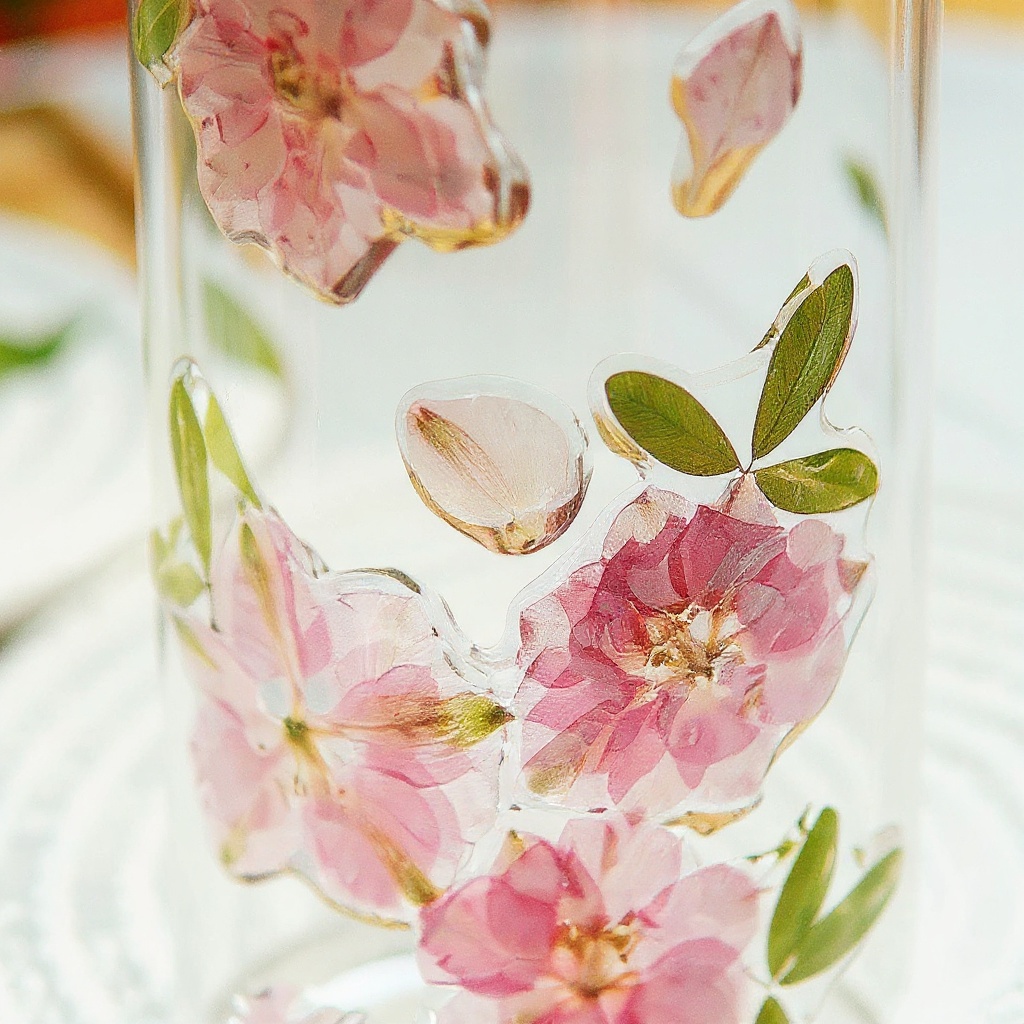
The defining characteristic isn't just the flowers. It's the construction method, the material integrity, and the irreplaceable tactile experience. Traditional glassblowing produces smooth, uniform surfaces. Cottagecore tumblers with real preserved flowers require a layered application technique that bonds actual botanicals to the exterior glass surface, creating the raised three-dimensional profile that sets them apart from every printed alternative on the market.
This process takes 10–15 hours of active crafting time per piece, spread across up to 3 days to allow proper curing between stages — a timeline confirmed by multiple independent artisan glass studios whose work has been exhibited at craft fairs in Japan, South Korea, and Vietnam. That labor investment explains why authentic versions typically retail between $60–$120, while mass-produced printed alternatives sell for $15–$40. The raised flower texture means every sip involves a sensory experience that no flat-printed design can replicate. Every single piece differs.
Authentic pieces use high-grade borosilicate glass rated to withstand thermal differentials of up to 165°C (329°F) without cracking, according to material specifications published by borosilicate glass manufacturers including Schott AG. The 600ml capacity hits the sweet spot — large enough for a full iced coffee, manageable enough for a desk.
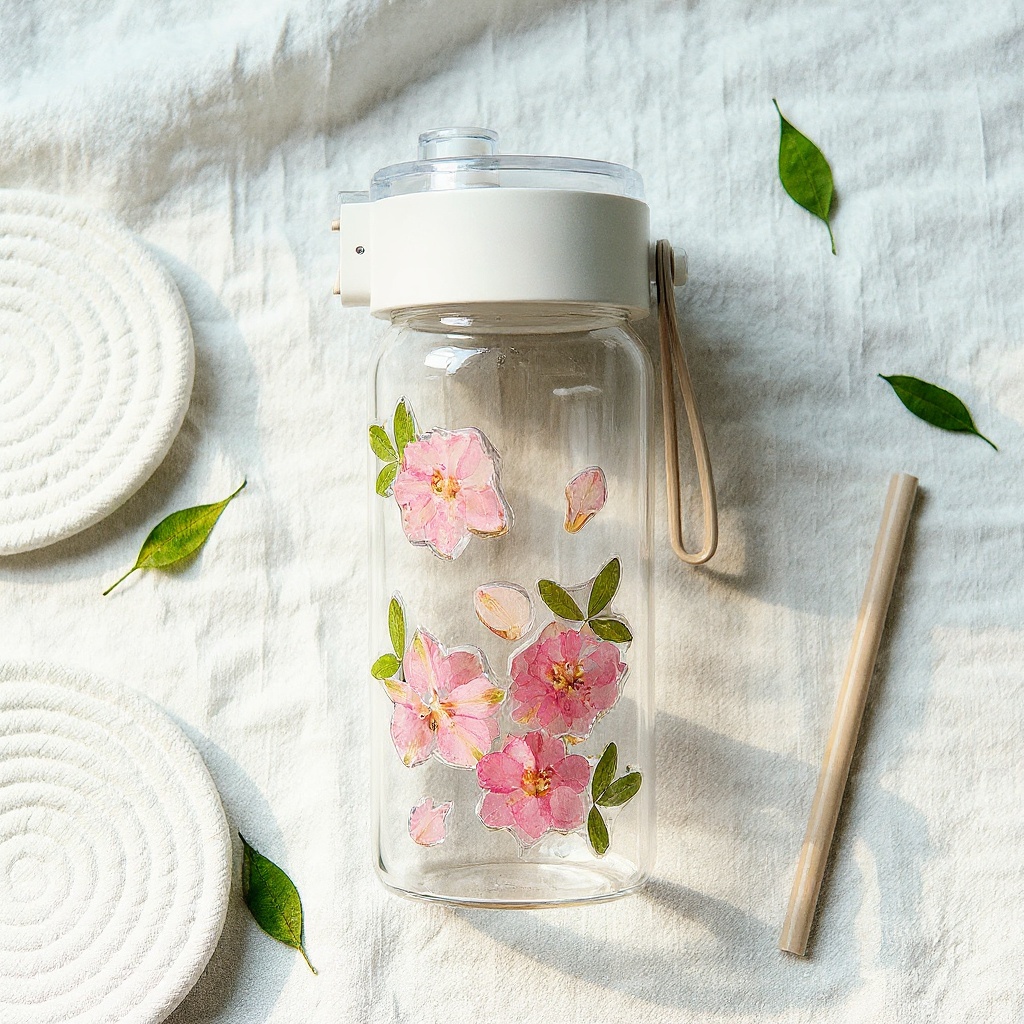
The Art of Embedding Real Flowers in Glass
Flower preservation for glassware demands specific techniques with roots in botanical art traditions stretching back centuries. Artisans first dry flowers using silica gel desiccant or pressing methods to extract all residual moisture — any remaining water would cause bubbles, discoloration, or micro-fractures in the final piece. The most commonly used botanicals include baby's breath, small daisies, lavender sprigs, cornflowers, and delicate ferns, chosen specifically because they retain structural integrity and pigment stability through the embedding process.The actual application happens in controlled stages. First, the base borosilicate tumbler is prepared with a bonding medium. Then, preserved flowers are positioned using fine-tip tools with the precision of watchmakers. A sealing layer gets applied over them, locking each botanical in place and creating that signature raised, three-dimensional profile. Real work. No shortcuts.
Color variations follow the flower selection. Blue themes typically feature cornflowers and small blue daisies. Yellow arrangements showcase buttercups and petite sunflower petals. Pink versions highlight dried rose petals and cherry blossoms. Each our Handmade Glass Tumbler Real Preserved Flowers 600ml represents a genuinely one-of-a-kind object — same flower species, different placement every time.
Comparing Different Types of Floral Glass Tumblers
| Feature | Mass-Produced Print | Resin Flower Cups | Authentic Preserved Flower Glass |
|---|---|---|---|
| Price Range | $15–$40 | $60–$80 | $71–$120 |
| Flower Type | Printed decals | Artificial/dried in resin | Real preserved botanicals |
| Surface Texture | Smooth, flat | Slightly raised | Fully three-dimensional raised |
| Heat Resistance | Limited (~60°C) | Poor — resin softens above 80°C | Excellent — borosilicate rated to 165°C differential |
| UV Durability | Print fades within 6–18 months of daily use | Resin develops yellow cast within 12–24 months under sunlight exposure | Glass-sealed flowers remain stable for 10–30+ years |
| Dishwasher Safe | Usually yes | No | Hand-wash only |
| Uniqueness | Factory-identical copies | Minor variation | Each piece structurally unique |
The longevity gap is significant. Printed designs in independent user reviews on platforms including Amazon and Etsy consistently report peeling or fading within 6–18 months of regular dishwasher use. Resin cups, as documented in materials science literature on polymer photodegradation, develop a yellow tint under prolonged UV exposure — typically appearing within 12–24 months in sunny placements. Authentic preserved flower glass tumblers, when properly cared for, can realistically maintain their appearance for 10–30+ years. That's not poetic exaggeration. That's the math on sealed borosilicate versus degrading polymer.
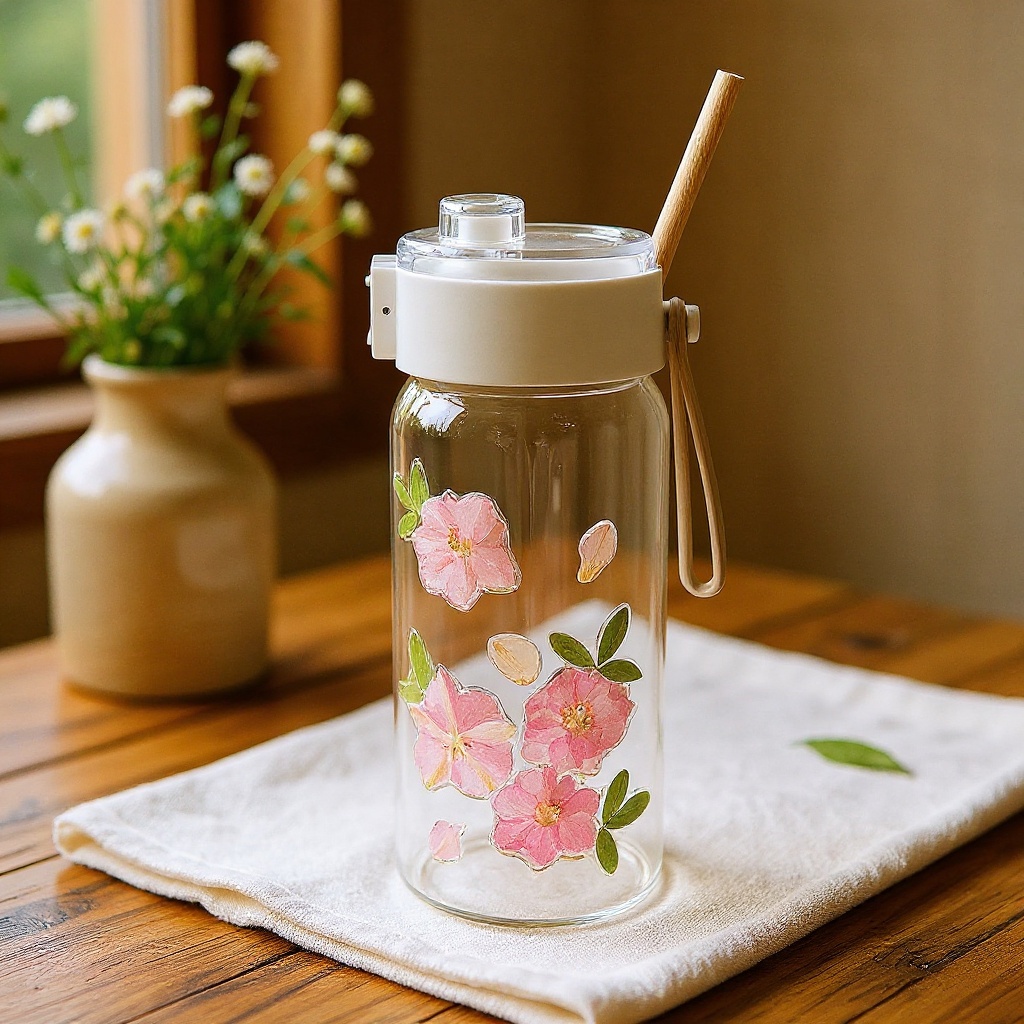
Care and Maintenance: The Reality Check
Here's the truth most sellers won't tell you upfront: these tumblers require real commitment. The raised botanical surface creates crevices where soap residue and hard-water minerals accumulate faster than on smooth glassware. Hand-wash only. Every time. No exceptions.
Daily cleaning means lukewarm water, a drop of gentle dish soap, and a soft-bristled brush — a retired clean toothbrush works well — worked into each flower crevice. Rinse thoroughly. Soap residue left in the flower channels creates a cloudy film over time that's harder to remove the longer it sits. Air dry completely. Towel drying risks snagging on raised flower edges and can cause micro-chips along petal tips.
Monthly deep cleaning matters too. Soak the tumbler in a 50/50 solution of distilled white vinegar and water for 30 minutes, then gently brush all surfaces. This dissolves mineral deposits that routine washing misses — particularly important in areas with hard tap water. Never use abrasive cleaners. Never use steel wool. Never microwave. The thermal shock of uneven microwave heating can crack the glass at the bonding points around embedded flowers.
Store individually or with soft cloth dividers. The raised flowers will scratch other glassware in a stack. A small price for something this beautiful.
How to Choose the Right Cottagecore Glass Tumbler With Flowers
Five factors determine whether a specific tumbler is the right fit:
1. Capacity needs — 400ml suits tea and espresso-based drinks; 600ml accommodates smoothies, iced lattes, and large herbal infusions comfortably 2. Color palette compatibility — Blue flower themes complement coastal and Nordic cottagecore aesthetics; yellow fits bright farmhouse kitchens; pink suits romantic or maximalist decor styles 3. Included accessories — A matching dust-proof lid is non-negotiable for desk use; a glass straw completes the set and avoids plastic contamination of flavors 4. Glass quality verification — Confirm borosilicate glass specifically, not generic soda-lime glass, which handles temperature changes significantly less safely 5. Flower density and placement — Full-surface coverage creates maximum visual impact but demands more detailed cleaning; clustered botanical arrangements near the base or rim are easier to maintain
Price signals quality here reliably. Tumblers under $50 almost always use lower-grade glass or artificial flowers. The $65–$85 range captures most authentic preserved flower options with real botanicals and certified borosilicate construction.
Best Uses for a Floral Glass Tumbler
These aren't simply drinking vessels. They're lifestyle objects that change the texture of ordinary moments. Here are the five most meaningful contexts where a cottagecore glass tumbler with flowers genuinely earns its place:
1. Morning ritual elevation — Drinking herbal tea from a tumbler covered in real dried chamomile or lavender flowers turns a routine act into something deliberate. Slow mornings deserve objects that match their pace. 2. Aesthetic content creation — These tumblers photograph with a depth that printed alternatives cannot match. The three-dimensional botanicals catch natural light and create genuine shadow and texture in flat-lay arrangements with books, dried pampas grass, and linen fabric. 3. Thoughtful gift-giving — Mother's Day, birthdays, housewarming events, and bridal showers all benefit from a handcrafted object rooted in the decorative arts tradition. The craftsmanship communicates consideration that mass-produced gifts simply don't carry. 4. Home office companion — The dust-proof lid keeps beverages fresh through long work sessions. The floral surface provides a genuine nature connection in indoor spaces that otherwise offer none. 5. Seasonal tablescaping — A set of three tumblers in blue, yellow, and pink arranged on a marble or linen runner creates an immediate centerpiece with zero additional styling required.
Five distinct use cases. One object.
FAQ
Are the flowers on a cottagecore glass tumbler real or fake?
Authentic cottagecore glass tumblers use real preserved flowers and leaves that have been dried using silica gel or air-press methods, then applied and sealed directly onto the glass surface. However, many lower-priced alternatives use printed flower decals or artificial silk flowers attached with adhesive. Always confirm flower type with the seller before purchasing — authentic pieces will specify "real preserved" or "dried botanical" explicitly in the product description.
Can you put a preserved flower glass tumbler in the dishwasher?
No. Preserved flower glass tumblers require hand-washing only. Dishwasher temperatures — typically 60–75°C on standard cycles — combined with harsh detergent chemistry can degrade the bonding layer securing the flowers to the glass surface, eventually loosening botanicals and clouding the glass. Use lukewarm water and a gentle dish soap instead.
How long do real flowers last when embedded in glass?
When properly sealed and cared for, real preserved flowers on borosilicate glass tumblers can maintain their appearance for 10–30+ years. The glass and sealing layer together act as barriers against moisture, oxygen, and UV exposure — the three primary agents of botanical deterioration. This assumes hand-washing only, storage away from prolonged direct sunlight, and no abrasive cleaning. Pieces kept under those conditions for a decade show minimal color degradation.
Is borosilicate glass safe for hot drinks like tea?
Yes. High-quality borosilicate glass is safe for hot beverages and is rated to handle thermal differentials of up to 165°C (329°F) without thermal shock cracking, according to material data published by borosilicate glass manufacturers including Schott AG. Standard soda-lime glass does not share this tolerance, which is why verifying the glass type before purchasing matters practically, not just aesthetically.
What is the difference between a resin flower cup and a preserved flower glass tumbler?
Resin flower cups suspend dried or artificial flowers inside clear acrylic or epoxy resin, creating a relatively smooth surface. Resin has a low heat tolerance — it softens and can warp above approximately 80°C — and develops a yellow tint under sustained UV exposure within 12–24 months. Preserved flower glass tumblers bond real botanicals to the exterior of heat-resistant borosilicate glass, creating a raised three-dimensional texture with far superior temperature tolerance. Glass versions don't yellow. The surface texture difference alone is immediately perceptible.
How do you clean a glass tumbler with raised flowers without damaging them?
Use lukewarm water, a small amount of gentle liquid dish soap, and a soft-bristled brush — a clean retired toothbrush is ideal. Work soap gently into all raised flower crevices, then rinse under running water until no soap residue remains. Air dry completely on a clean rack. Monthly, soak in a 50/50 distilled white vinegar and water solution for 30 minutes to dissolve mineral deposits, then brush lightly and rinse. Never scrub with abrasive pads.
Are floral glass tumblers food-safe and non-toxic?
Authentic preserved flower glass tumblers made with borosilicate glass and food-grade sealing materials are food-safe and non-toxic. The flowers are applied to the exterior surface and sealed — they have no contact with the interior liquid-holding surface. Always purchase from sellers who specify food-grade borosilicate glass construction. Unverified alternatives using unknown adhesives or non-food-grade glass cannot be assumed safe.
What makes a cottagecore glass tumbler a good gift for Mother's Day or birthdays?
These tumblers combine daily functional utility with genuine handcrafted artistry rooted in the decorative arts tradition. The handcrafted nature signals intentionality. The floral aesthetic resonates across a wide range of recipients who appreciate nature-inspired home objects. And unlike purely decorative gifts, a quality tumbler gets used — meaning the giver stays present in the recipient's daily routine for years, not days.
Does the flower color fade over time?
Under normal indoor conditions with hand-washing and limited direct sunlight exposure, color fade on sealed preserved flowers is minimal over the first 10+ years of use. Extended daily direct sunlight exposure — a south-facing windowsill in full afternoon sun, for example — can gradually lighten the most delicate pigments like pale pink rose petals over 3–5 years. Blue cornflower and yellow buttercup pigments tend to be more UV-stable. Storing or using the tumbler away from prolonged direct sun extends color life significantly.
Conclusion
A cottagecore glass tumbler with flowers is part drinkware, part botanical art, and entirely irreplaceable as a daily object. The hand-wash requirement and higher price point aren't inconveniences — they're accurate reflections of the craftsmanship investment behind each piece.
If you're ready to add something genuinely handmade to your daily ritual, explore our Handmade Glass Tumbler Real Preserved Flowers 600ml collection. Each piece brings real preserved botanicals to your table and serves as a daily reminder that the most beautiful details in life are always worth slowing down for.


