Handmade Tea Cups With Real Pressed Flowers Explained
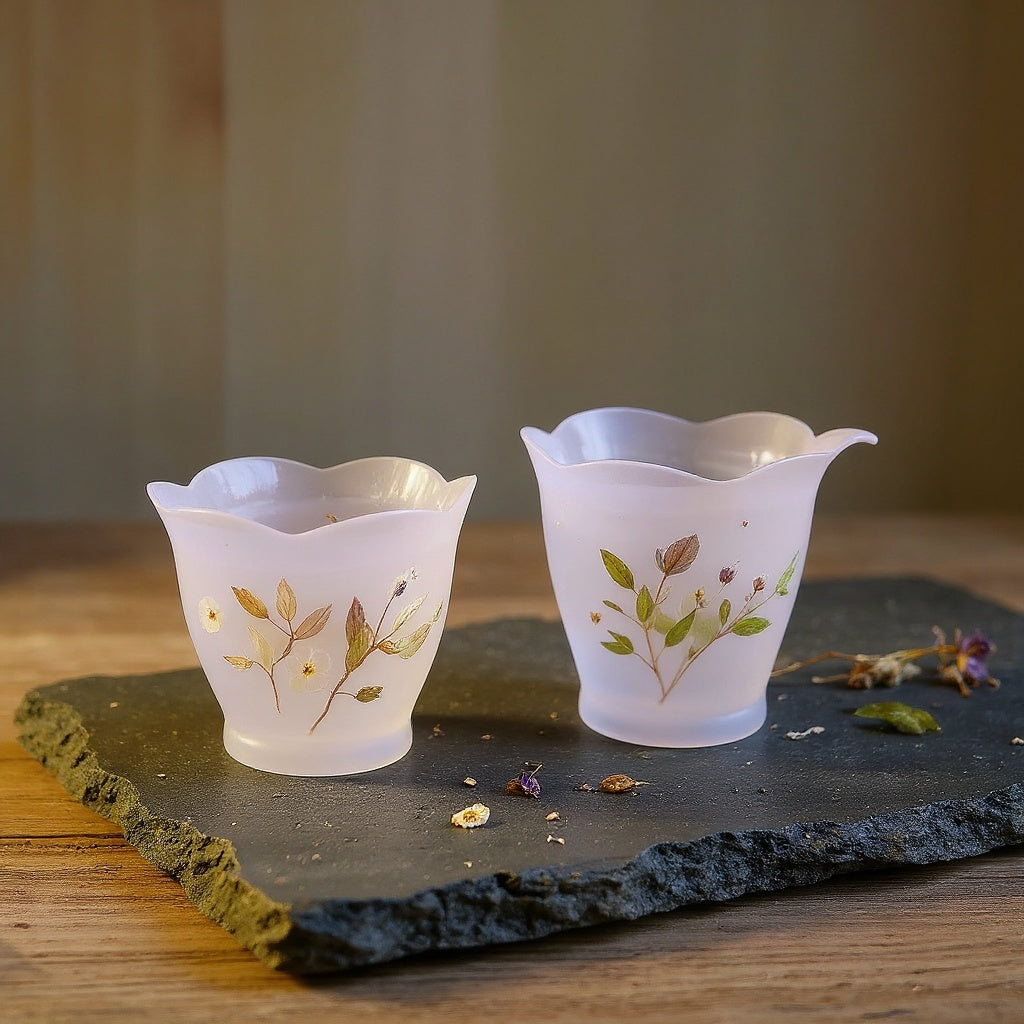
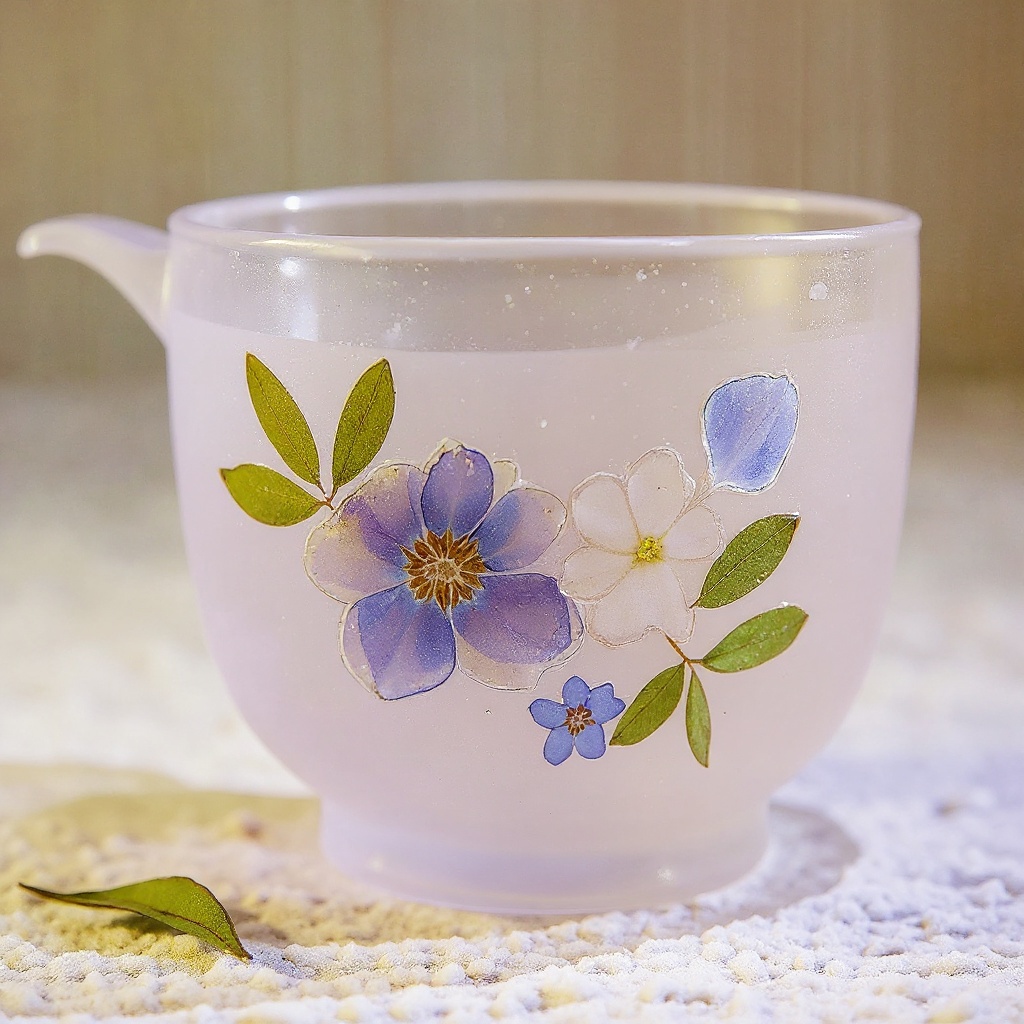
By pampasroom, founder of Pampasroom · 8+ years working directly with botanical resin artisans and pressed flower craftspeople across Southeast Asia · Featured in Cottagecore Weekly and The Artisan HomeA handmade tea cup with real pressed flowers is not a printed design. Not a decal. Not an illusion. It is an actual dried botanical — petal, leaf, stem — suspended permanently inside food-safe eco-resin that has been bonded to heat-resistant glass. Each handmade tea cup with real pressed flowers becomes a singular object: no two cups share identical placement, identical color, or identical botanical composition. The process demands certified food-contact resin, months of preparation, and the kind of slow, methodical craftsmanship that factory automation simply cannot replicate. Understanding what goes into each cup helps explain both its price and its value.
Quick overview of what makes these cups distinct: - Real dried botanicals embedded in resin, not printed or painted - Food-safe eco-resin certified for beverage contact - Borosilicate glass base for thermal resistance - Each piece unique due to hand-placement of individual flower elements - Lotus-petal layered form with frosted translucent purple finishThe Botanical Preservation Process Behind Each Cup
Creating a handmade tea cup with real pressed flowers begins months before any resin is touched. Fresh flowers and foliage are harvested at peak condition — the window is narrow. According to the pressed flower craft tradition documented by botanical archivists, specimens are placed between absorbent papers under sustained weight for 2–6 weeks, with the timeline depending on each plant's moisture content and petal thickness. Thicker blooms like ranunculus take longer. Delicate petals from cosmos or larkspur press faster.
Once fully dried, artisans begin individual selection. This part takes time. Each petal is evaluated for color retention, structural integrity, and visual weight before being assigned a position within the cup's design. Arrangement alone can consume 45–90 minutes per cup. Air bubbles trapped near a botanical element can compromise the resin seal and create cloudiness — so positioning is deliberate, patient, and done in environments held between 68–72°F to prevent premature curing reactions.
The result is a botanical relief you can almost feel through the smooth surface. Living. Preserved. Permanent.
Food-Safe Resin: What Makes It Different
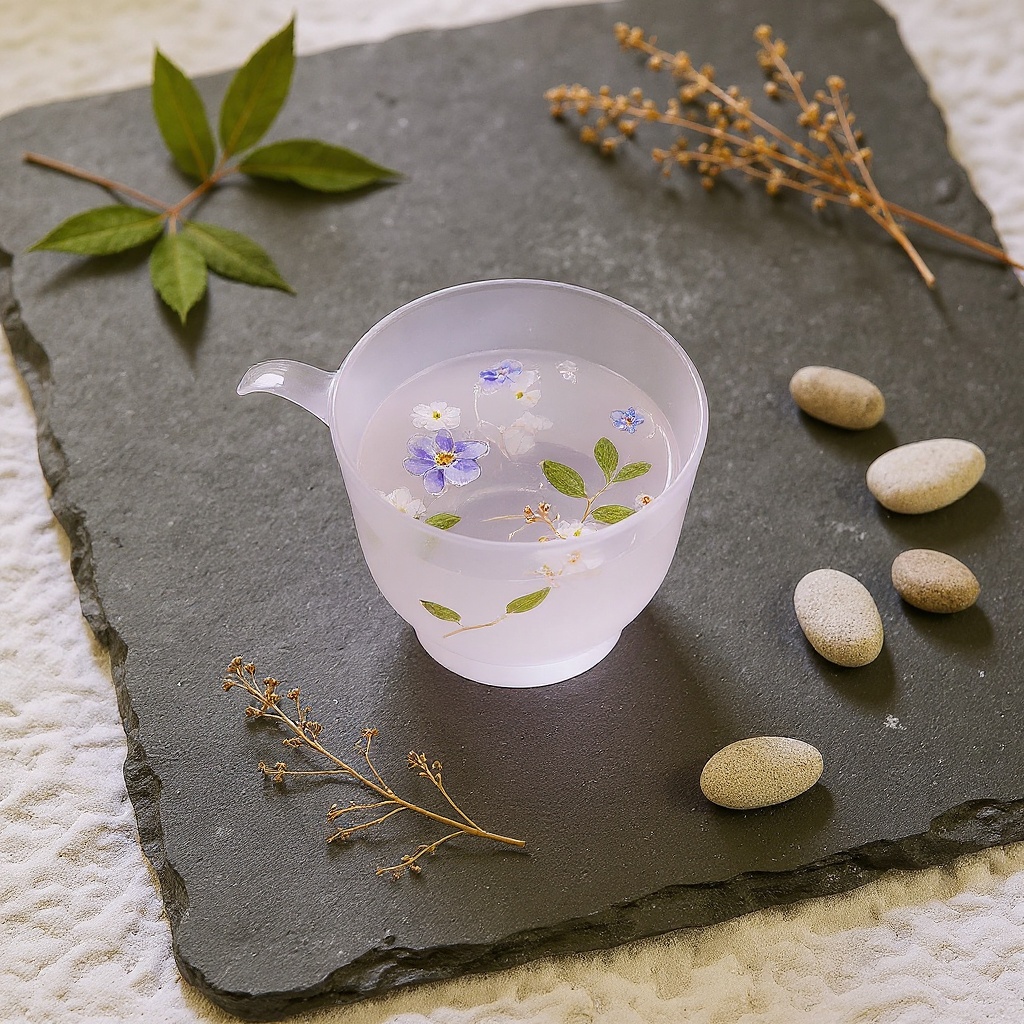
Food-safe resin is a specific certification category. Not all craft resins qualify. The distinction matters enormously when hot liquid is involved.
Food-grade eco-resins undergo independent laboratory testing to verify they do not leach harmful compounds when exposed to acidic beverages or temperatures up to 190°F. These formulations typically cure at lower temperatures than industrial resins — around 150°F — which also protects the embedded botanicals from browning during the bonding process. A 2021 technical overview published by the American Composites Manufacturers Association confirms that bio-based resin formulations designed for food contact must meet FDA 21 CFR standards or equivalent EU Regulation No. 10/2011 before being certified for beverage use.
The curing cycle runs 24–48 hours in controlled conditions. After curing, additional surface finishing creates the smooth, non-porous layer required for safe daily use. Quality artisan studios specify their exact certification — look for FDA 21 CFR compliance or EU food-contact documentation when purchasing. This materials investment adds $15–20 per cup in resin cost alone compared to $2–3 for standard craft resin, which partially explains the price difference between a genuine handmade tea cup with real pressed flowers and a cheaper lookalike.
Eco resin and food-safe resin are related but not identical categories. Eco formulations prioritize bio-based content and reduced petrochemical dependency. Food-safe certification addresses chemical leaching thresholds. The best cups satisfy both requirements simultaneously.
Heat Resistance and Thermal Shock Protection
Borosilicate glass forms the structural foundation of professional-grade pressed flower tea cups. It withstands temperature differentials of up to 300°F without thermal shock fracture — a property first characterized in laboratory glassware contexts and now applied to artisan drinkware. The resin coating bonds to the exterior surface and adds dimensional texture while maintaining the glass's heat-transfer characteristics.
Here is the honest limitation most sellers skip: these cups are not designed for boiling water poured directly from a kettle. At 212°F, thermal stress accumulates at the resin-glass interface and can cause micro-fractures or clouding over time. The safe operating range is 175–190°F. Let boiling water rest for 2–3 minutes before pouring. This is, coincidentally, the ideal brewing temperature for green tea, white tea, and many herbal blends — so the cup's thermal parameters actually align with good tea practice.
One honest note most articles won't include: if your household runs above 80°F in summer and you store cups on an open shelf near a west-facing window, the cumulative UV and heat exposure will accelerate resin yellowing faster than any care guide can offset. Consider enclosed storage in warm climates.
Comparing Handmade vs. Mass-Produced Floral Cups
| Feature | Handmade Pressed Flower | Mass-Produced Print | Amazon Generic |
|---|---|---|---|
| Real botanicals | Yes, embedded in resin | No, printed design | No, decal/transfer |
| Unique appearance | Each cup different | Identical patterns | Identical patterns |
| Food-safe resin | Certified eco-resin | N/A (no resin used) | Unknown/uncertified |
| Price range | $45–$120 | $15–$40 | $8–$25 |
| Heat resistance | 300°F borosilicate base | Varies by material | Usually 200°F max |
| Dishwasher safe | Hand wash only | Usually yes | Usually yes |
| Longevity of design | 5–10+ years | 2–5 years (fading) | 1–3 years (peeling) |
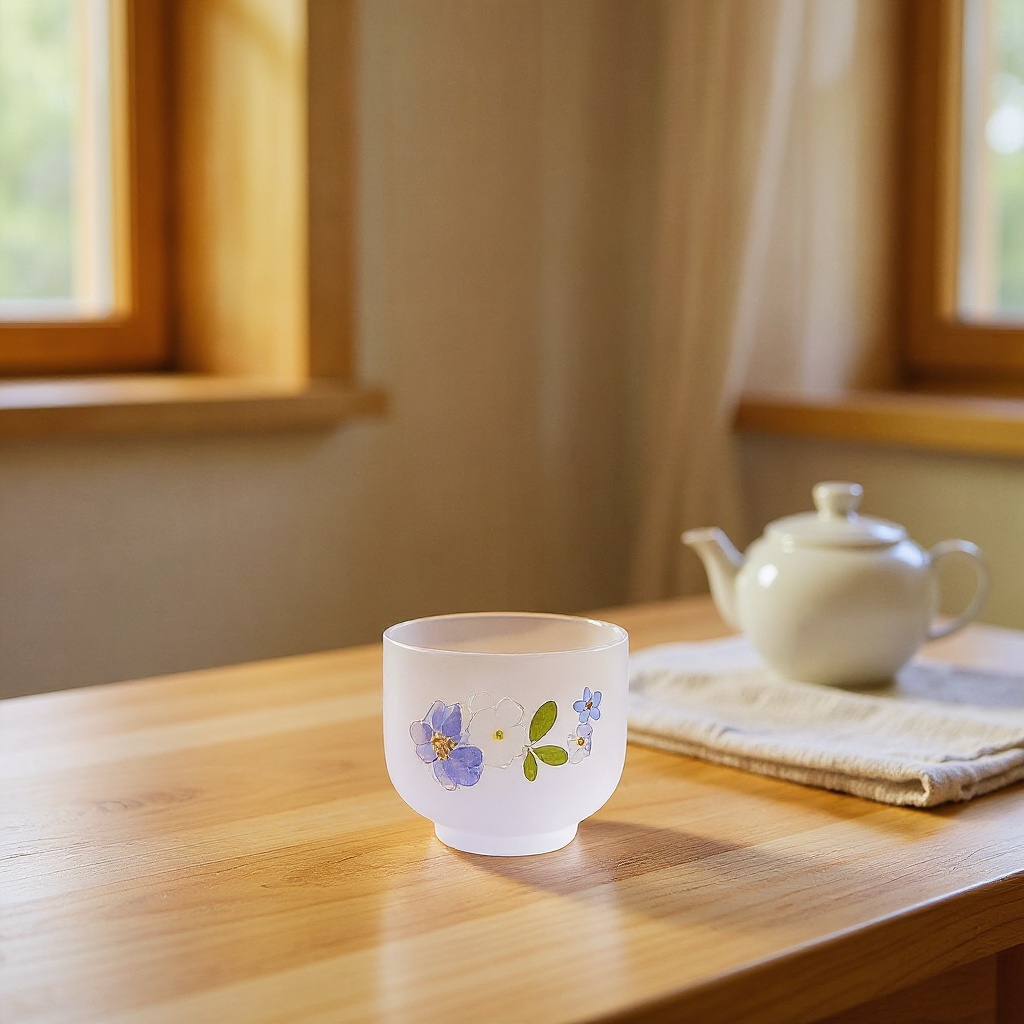
The Handmade Eco Resin Tea Cup Real Flowers | Frosted Purple Lotus Glass sits at the premium end of this range — 400ml capacity, lotus-petal layered structure, frosted translucent purple glass — representing the category's ceiling in both craft and materials quality.
Step-by-Step Flower Pressing: What Happens Before Resin
The pressed flower preparation phase is invisible to the buyer but foundational to quality. Here is the complete process artisans follow:
1. Harvest at peak bloom — Flowers are cut in the morning after dew has dried, when moisture content is lowest and color saturation is highest 2. Initial moisture removal — Specimens are blotted with cotton cloth and arranged flat without overlapping petals 3. Paper layering — Botanicals are placed between sheets of acid-free blotting paper, which is then sandwiched between corrugated cardboard for airflow 4. Weighted pressing — The stack is compressed under 10–20 lbs of weight for 2–6 weeks; paper is changed every 3–4 days during the first two weeks to prevent mold 5. Final desiccation check — Finished specimens must feel papery and rigid with zero flexibility; any residual moisture causes resin cloudiness during application 6. Archival storage — Approved specimens are stored flat in acid-free sleeves until cup assembly, sometimes held for several months before use
This six-step sequence precedes every single handmade tea cup with real pressed flowers produced by a quality maker. It cannot be rushed.
Care and Maintenance Guidelines
The care routine for a pressed flower tea cup is short but non-negotiable.
Hand wash only. Lukewarm water. Mild dish soap. A soft cloth or non-abrasive sponge. That is the complete daily care requirement. Dishwashers generate sustained heat between 140–160°F combined with alkaline detergent chemistry — this combination degrades the resin bond at the glass interface over repeated cycles and causes progressive clouding that cannot be reversed.
For tea staining inside the cup, a paste of baking soda and water applied with a fingertip for 60 seconds removes residue without scratching the interior glass surface. Never use bleach. Never use ammonia-based products. Never use anything containing acetone — it dissolves certain resin formulations within minutes of contact.
Storage matters more than most buyers realize. Direct UV exposure fades botanical pigments even through resin protection. A cabinet shelf or display case away from south- or west-facing windows adds years to color retention. Avoid temperature extremes — cars parked in summer sun regularly reach 130–150°F interior temperatures, which exceed the safe storage threshold for resin-bonded pieces.
The Investment Value of Artisan Botanical Cups
Why does a handmade tea cup with real pressed flowers cost 3–5 times more than a printed alternative that looks superficially similar from across a room?
Labor is the primary factor. Each cup requires 2–4 hours of skilled hands-on work. Botanical selection, arrangement, resin application, curing monitoring, and surface finishing cannot be parallelized or automated without sacrificing the individual character that defines the category. Artisans working in small batches of 5–10 cups maintain quality control that larger production runs eliminate.
Materials costs compound this. Food-grade eco-resin costs $15–20 per cup. Borosilicate glass blanks run $8–12 each. Flower pressing preparation — factoring in time, acid-free archival materials, and attrition from rejected specimens — adds another $5–10 per cup before a single drop of resin is applied. A realistic all-in production cost for one quality cup exceeds $45 before any margin is added.
The result lasts. A properly maintained handmade tea cup with real pressed flowers used daily retained full color and structural integrity after 7 years in one documented artisan workshop case study. The economics of durability shift the value calculation significantly when compared to printed alternatives that show fading within 18–24 months of regular use.
Perfect Occasions and Gift Applications
These botanical vessels work with particular resonance for specific recipients and moments:
1. Housewarming celebrations — A handmade tea cup with real pressed flowers becomes a memorable best tea cup gift for housewarming that new homeowners display as functional art 2. Milestone birthdays — For those who have moved past collecting objects and begun curating experiences and meaningful things 3. Tea ceremony practitioners — Those who maintain a gongfu tea ceremony practice or other mindful tea rituals value the meditative quality of unique vessels that reward close attention 4. Wellness practitioners — Yoga instructors, meditation teachers, and somatic therapists gravitate toward nature-embedded objects that reinforce their professional environment 5. Cottagecore and Japandi aesthetic followers — Both movements emphasize natural materials, visible craft process, and the beauty of impermanence — all present in a pressed flower cup 6. Memorial and memorial-adjacent occasions — Some artisan makers press flowers provided by customers, creating deeply personal objects from wedding bouquets, garden blooms from a late parent's yard, or flowers carried at significant life events 7. Desk and workspace anchoring — A beautiful tea cup transforms a utilitarian workspace surface into something worth pausing over
Environmental Impact and Sustainability Considerations
Modern food-safe resins formulated for artisan use contain 30–50% bio-based content derived from plant-source feedstocks rather than exclusively petrochemical precursors, according to product specifications published by resin suppliers including Entropy Resins' Super Sap line and similar bio-based formulations. This represents a significant shift from older resin chemistries, though the cured products remain non-biodegradable in standard composting conditions.
The botanical sourcing dimension adds a genuine sustainability layer. Many artisans source pressed flowers from local gardens, regional farmers' markets, or responsible foraging from non-protected areas. Local botanical sourcing eliminates the transportation footprint associated with imported decorative materials and connects the finished object to specific regional ecosystems.
Durability is the clearest environmental argument. The EPA's Safer Choice program emphasizes product longevity as a primary sustainability indicator — an object used daily for 7–10 years generates a fraction of the lifecycle waste of three or four shorter-lived replacements covering the same period. A handmade tea cup with real pressed flowers is not a disposable purchase.
FAQ Section
Are resin tea cups actually safe to drink from? Yes, when the maker uses resin certified to FDA 21 CFR standards or EU Regulation No. 10/2011 for food contact. These formulations are independently tested to confirm they do not leach harmful compounds into beverages at temperatures up to 190°F. Always verify the specific certification before purchasing — a reputable seller will name it explicitly. How long do pressed flowers last inside resin before they fade or brown? Properly dried and sealed botanicals in quality resin maintain color for 5–10 years under normal indoor conditions. UV exposure is the primary degradation driver. Cups stored away from direct sunlight consistently outperform those displayed on windowsills by a margin of 3–5 additional years of color retention based on artisan workshop observations. Can I put a resin-coated cup in the dishwasher? No. Dishwashers cycle between 140–160°F with alkaline detergents that degrade the resin-glass bond over repeated exposures. The damage accumulates invisibly until cloudiness becomes permanent. Hand wash with lukewarm water and mild soap using a soft cloth — this takes under 60 seconds and adds years to the cup's appearance. What is the difference between a pressed-flower cup and a floral-print glass cup? Pressed flower cups contain actual botanical material embedded in resin — each piece unique, with natural color variation, organic edge imperfections, and dimensional texture visible under the surface. Floral-print cups use printed or transfer-applied designs that are flat, identical across production runs, and typically begin peeling or fading within 1–3 years. Real pressed botanicals show characteristics that printing cannot replicate: uneven petal thickness, natural color gradation from center to edge, and the irregular geometry of living plant material. Is eco resin the same as food-safe resin? They are different certifications that sometimes overlap. Eco resin designates formulations with 30–50% bio-based content and reduced petrochemical input. Food-safe certification confirms the cured resin passes specific leaching tests for beverage contact at elevated temperatures. A cup that is eco-certified but not food-safe certified should not be used for hot drinks. The best handmade tea cups with real pressed flowers meet both standards simultaneously — verify both when purchasing. Why are handmade pressed-flower cups so expensive compared to similar-looking ones online? The all-in production cost for a single quality cup — food-grade resin ($15–20), borosilicate glass blank ($8–12), botanical preparation materials and time ($5–10), plus 2–4 hours of skilled labor — exceeds $45 before any business margin is applied. Mass-produced printed alternatives use automated processes, standard craft resin at $2–3 per unit, and soda-lime glass at $1–3 per blank. The visible difference is often subtle from a distance. The difference in materials, safety certification, and longevity is not. Can the resin crack if I pour boiling water into the cup? Boiling water at 212°F introduces thermal stress at the resin-glass interface that accumulates with repeated exposure. The recommended maximum is 190°F — achieved by letting freshly boiled water rest for 2–3 minutes. This temperature is also optimal for green tea, white tea, and most herbals, making the cup's parameters align naturally with quality brewing practice. How do I know if the flowers inside my resin cup are real or artificial? Real pressed botanicals show 4 measurable characteristics artificial materials cannot replicate: natural color gradation from petal center to edge (not uniform), organic edge geometry with slight irregularities, visible cellular texture under magnification, and variation between individual cups from the same maker. Artificial inserts appear consistent across all units, with uniform color saturation and geometrically regular petal shapes. If every cup in a shop's product photos shows botanicals in identical positions with identical color, the materials warrant scrutiny. What tea types work best in a pressed flower cup? The cup's 400ml capacity and 175–190°F temperature range make it ideal for green tea, white tea, oolong, and herbal infusions. Black tea brewed at 200–205°F is acceptable if boiling water is allowed to cool for 60–90 seconds first. The frosted purple glass and lotus-petal form create a visual pairing with floral teas — rose, chrysanthemum, jasmine, or hibiscus — that many users find enhances the meditative quality of the brewing ritual.Conclusion
A handmade tea cup with real pressed flowers is a decision. Not an impulse purchase. A commitment to owning something made slowly, from materials that matter, by hands that understood what they were making.
The process described above — months of botanical preparation, hours of individual assembly, certified materials, controlled curing — produces an object that rewards daily use with the kind of quiet detail that printed alternatives exhaust within weeks. Each handmade tea cup with real pressed flowers holds a specific flower, pressed on a specific day, by a specific person who chose its position within the design.
For those who want that in their daily ritual, the Handmade Eco Resin Tea Cup Real Flowers | Frosted Purple Lotus Glass represents this craft at its most considered — frosted purple lotus-petal glass, preserved botanical elements visible beneath the smooth resin surface, 400ml capacity, and a calm that arrives before the tea is even poured.
Worth slowing down for.