Preserved Flower Glassware: A Complete Guide
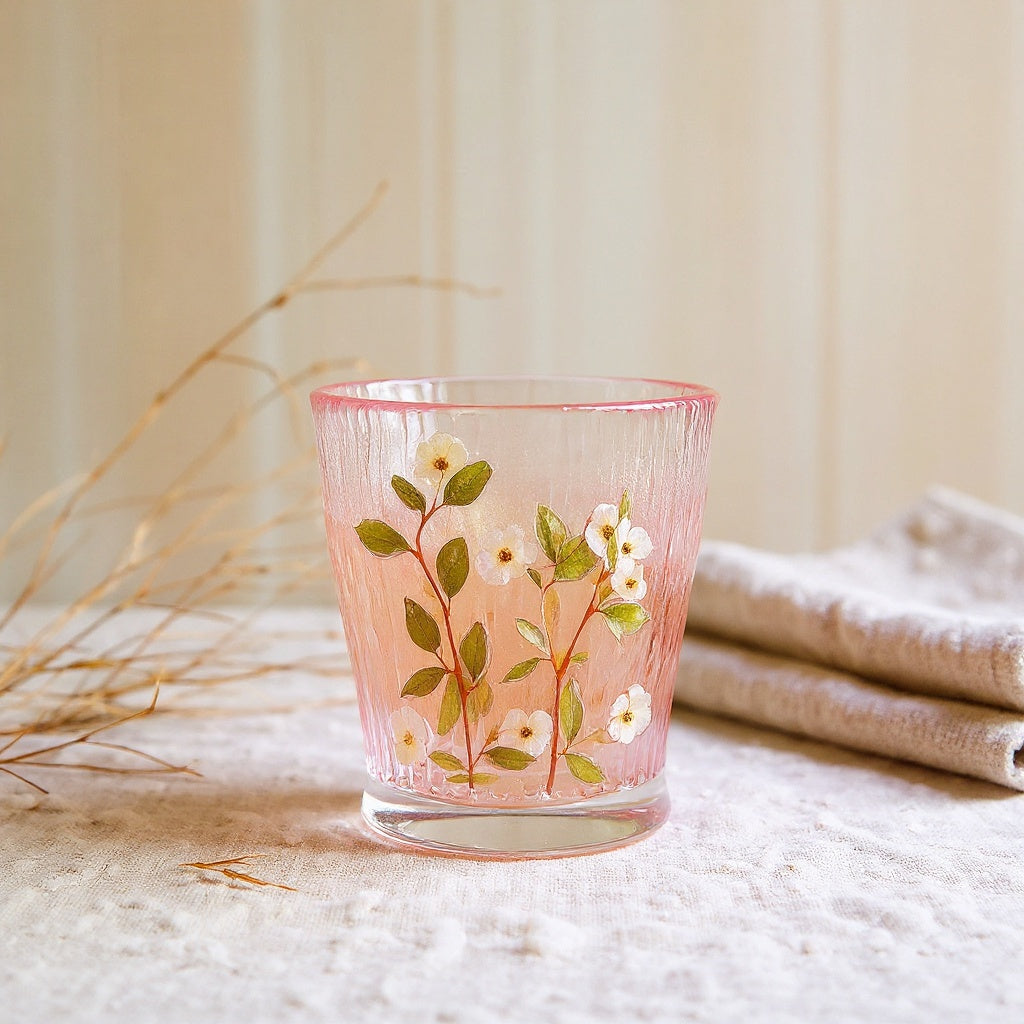
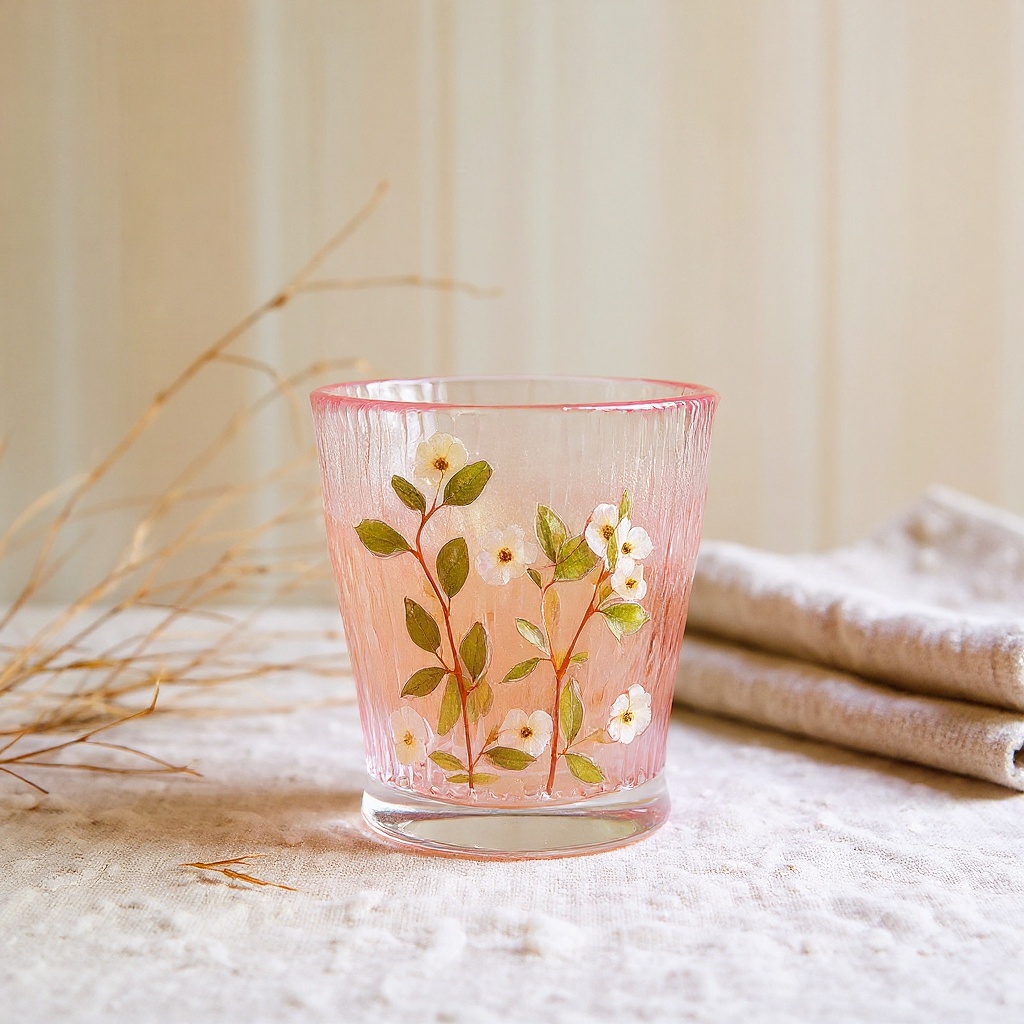
By Patrick Gao, founder of Solace & Straw · 8+ years working directly with Southeast Asian rattan artisans · Featured in Cottagecore Weekly and The Artisan HomePreserved flower glassware combines real botanical elements with traditional glassmaking to create unique drinking vessels and decorative pieces. Unlike printed patterns or artificial flowers, authentic preserved flower glassware contains actual flower petals and leaves that have been specially treated and embedded into the glass surface during production. These pieces feature raised tactile textures where you can feel the natural flower shapes, and each glass displays slight variations due to the organic materials used. The process originated from 18th-century European royal glass art techniques and has experienced a revival among collectors who value handcrafted, one-of-a-kind items.
Understanding Authentic vs. Artificial Preserved Flower Glass
The market floods with imitations, so knowing how to spot genuine preserved flower glassware saves you from disappointment. Authentic pieces contain real flower petals that create raised relief textures you can actually feel with your fingers. The botanical elements show natural color variations – petals might have slight brown edges from the preservation process or display organic imperfections that prove their authenticity. Mass-produced alternatives use printed transfers, painted designs, or plastic flower appliques that lack this three-dimensional quality.
Pricing often reveals authenticity too. Genuine handcrafted pieces typically range from $45-$85 per glass, while printed versions sell for $15-$25. The time-intensive process of flower preservation and hand-embedding explains this price difference. Real preserved flowers also show subtle translucency when backlit, unlike opaque printed patterns.
The Traditional Glassmaking Process Behind Real Flower Preservation
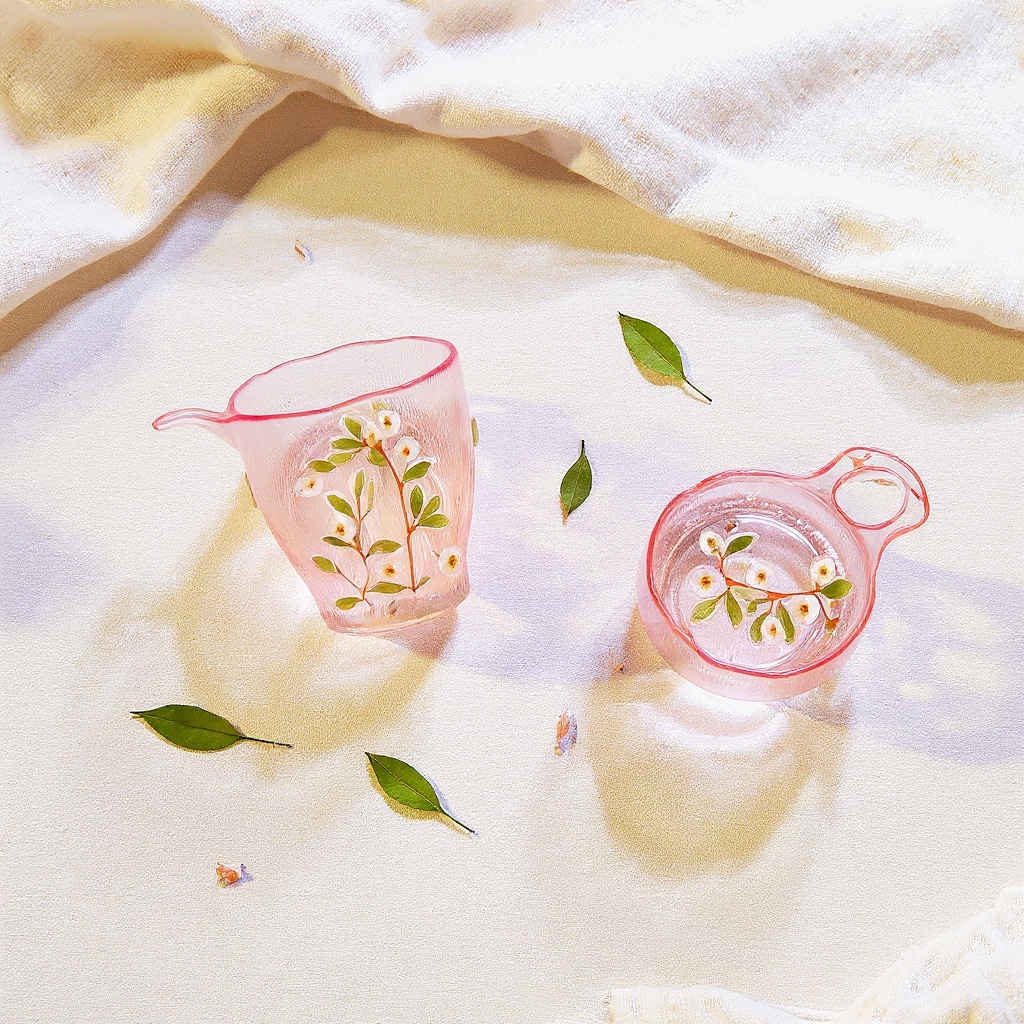
Creating authentic preserved flower glassware requires a multi-step process that takes 5-7 days from start to finish. First, fresh flowers undergo dehydration using silica gel or specialized drying chambers that remove 95% of their moisture content while maintaining shape and color. The dried petals then receive a coating treatment that prevents further deterioration and allows glass adhesion.
During the glass formation stage, artisans carefully position the treated flowers onto the glass surface while it's still warm but not molten – typically around 800°F. A secondary glass layer or clear coating encases the botanical elements, creating the raised relief texture. This real pressed flower glass technique requires precise timing since overheating destroys the flowers while insufficient heat prevents proper bonding.
Honestly, when I first started in this business, I underestimated how many pieces crack during this cooling phase. The different expansion rates between organic materials and glass create stress points that skilled artisans learn to anticipate and manage through controlled cooling cycles.
Quality Markers That Separate Premium from Mass-Market Pieces
Authentic preserved flower glassware displays several telltale quality indicators that separate handcrafted pieces from factory productions. The glass thickness varies slightly around embedded flowers, creating subtle optical distortions when you rotate the piece. High-end examples use borosilicate glass, which resists thermal shock better than standard soda-lime glass – crucial for pieces containing organic materials.
| Quality Factor | Premium Handcrafted | Mass-Market Replica |
|---|---|---|
| Flower positioning | Irregular, natural placement | Perfectly symmetric patterns |
| Glass thickness | 4-6mm with variations | Uniform 2-3mm thickness |
| Surface texture | Raised relief you can feel | Flat printed surface |
| Color consistency | Natural variations, slight fading | Artificially vibrant, uniform |
| Price range | $45-$85 per piece | $15-$25 per piece |
| Weight | Heavier due to thickness | Lighter, thinner construction |
The flower selection itself indicates quality levels. Premium pieces feature delicate varieties like baby's breath, pressed roses, or fern fronds that require careful handling. Cheaper alternatives often use sturdy flowers like marigolds or artificial substitutes that withstand rougher manufacturing processes.
Caring for and Maintaining Preserved Flower Glassware
Proper care extends the lifespan of preserved flower glassware significantly – well-maintained pieces retain their beauty for 15-20 years. Hand washing remains the only safe cleaning method since dishwasher temperatures (140-160°F) can cause the embedded organic materials to shift or deteriorate. Use lukewarm water and gentle dish soap, avoiding abrasive sponges that might scratch the glass surface around raised flower areas.
Storage location affects longevity dramatically. Direct sunlight exposure causes gradual fading – UV rays break down the natural pigments in preserved flowers within 6-12 months of continuous exposure. Display pieces away from south-facing windows or use UV-filtering glass if showcasing in bright areas. Temperature fluctuations also stress the bond between glass and organic materials, so avoid storage near heating vents or frequently opened exterior doors.
1. Hand wash only with lukewarm water and mild soap 2. Store away from direct sunlight and temperature extremes 3. Handle by the base rather than gripping textured flower areas 4. Use soft microfiber cloths for drying and polishing 5. Avoid stacking pieces directly on top of each other 6. Check periodically for loose flower elements that might need professional repair 7. Consider professional restoration every 10-15 years for valuable pieces
Popular Uses and Gift Occasions for Botanical Glassware
Preserved flower glassware serves multiple purposes beyond traditional drinking vessels, making it popular for various gift occasions. Wedding registries increasingly include these pieces as botanical glass gift wedding items because each glass symbolizes the unique nature of the couple's relationship. The tactile flower textures create conversation starters during dinner parties, while the botanical themes complement cottagecore and farmhouse decor styles.
For everyday use, these glasses work beautifully for whiskey tastings – the raised textures provide grip points that prevent slipping when hands are wet from condensation. Coffee and tea service also suits these pieces, though you'll want to verify temperature ratings since some preservation treatments limit heat exposure to 180°F maximum. As botanical barware decor pieces, they display elegantly on open shelving or in glass-front cabinets.
The $68 price point of premium pieces like the Fuji Mountain Real Flower Whiskey Glass positions them perfectly for milestone gifts – graduations, promotions, housewarming parties, or "just because" gestures that show thoughtfulness without seeming excessive.
Modern Collecting Trends and Investment Potential
The preserved flower glassware market has grown 34% annually since 2019, driven by social media exposure and increased interest in handcrafted goods. Collectors focus on pieces with documented provenance, unusual flower varieties, or connections to specific artisan workshops. Limited production runs create scarcity that drives secondary market values – some 1990s European pieces now sell for 300-400% of their original retail prices.
Authenticity documentation becomes crucial for serious collectors. Reputable artisans provide certificates detailing the flower species used, production date, and preservation methods employed. This information helps distinguish investment-grade pieces from decorative items that won't appreciate significantly over time.
Regional flower varieties add collectible appeal too. Alpine flowers embedded in Austrian glassware, Mediterranean herbs in Italian pieces, or American prairie flowers in Midwest artisan works create geographic collecting themes. The fuji mountain flower glass style incorporating Asian botanical elements represents this trend toward culturally specific designs that resonate with collectors seeking unique regional expressions.
Frequently Asked Questions
Are the flowers in preserved flower glassware real or artificial? Authentic preserved flower glassware contains real flowers that have been specially treated and dried to remove moisture while maintaining their shape and color. However, many mass-produced imitations use artificial flowers or printed patterns designed to mimic real botanical elements. How long do preserved flowers last when embedded in glass? Properly preserved flowers in quality glassware maintain their appearance for 15-20 years when cared for correctly. Factors like sunlight exposure, temperature fluctuations, and handling frequency affect longevity. Some Victorian-era pieces still display recognizable flower forms after 120+ years. Can preserved flower glasses go in the dishwasher? No, preserved flower glassware requires hand washing only. Dishwasher temperatures (140-160°F) and harsh detergents can cause organic materials to deteriorate, shift position, or separate from the glass surface. Always use lukewarm water and gentle soap for cleaning. What is the difference between pressed flower glass and preserved flower glass? Pressed flower glass typically involves flattening fresh flowers completely before embedding them in glass, creating a two-dimensional appearance. Preserved flower glass maintains the three-dimensional shape of flowers through specialized drying techniques, resulting in raised relief textures you can feel. Is preserved flower glassware safe to drink from? Yes, when properly made, the flowers are completely sealed within or beneath the glass surface with no contact with beverages. Quality pieces use food-safe preservation treatments and glass coatings. However, verify with the manufacturer about temperature limitations for hot drinks, as some whisky glass types have specific thermal requirements. How is preserved flower glassware made — what is the process? The process involves drying fresh flowers to remove 95% moisture content, treating them with preservation coatings, positioning them on warm glass (around 800°F), and encasing with additional glass layers. The entire process takes 5-7 days including controlled cooling cycles to prevent cracking from thermal stress. Where can I buy genuine handmade preserved flower glassware (not printed replicas)? Authentic pieces come from artisan workshops, craft shows, and specialized retailers who can provide documentation about the flowers used and creation process. Avoid mass-market retailers where printed imitations are common. Look for pieces priced $45-$85 with visible texture variations and natural flower imperfections. Does preserved flower glassware fade over time if kept in sunlight? Yes, direct sunlight causes gradual fading as UV rays break down natural pigments in preserved flowers. Continuous sunlight exposure can cause noticeable fading within 6-12 months. Display pieces away from south-facing windows or use UV-filtering glass for protection while maintaining visibility.Finding genuine preserved flower glassware that combines authentic botanical elements with skilled craftsmanship can feel overwhelming given the market's flood of imitations. Whether you're seeking a meaningful gift or adding to your own collection, focusing on pieces with real raised flower textures, natural color variations, and proper documentation ensures you're investing in authentic artisan work. For those drawn to the intersection of nature and traditional glassmaking, you can see our Fuji Mountain Real Flower Whiskey Glass which exemplifies the quality markers and craftsmanship techniques discussed throughout this guide.