
Flower Glass Cup vs Regular Wine Glass: Key Differences
By Maya Chen, materials researcher and glassware consultant · 6+ years specializing in heat-resistant borosilicate applications and artisan glass production · Contributor to Glass Art Society publications and The Botanical Home JournalThe flower glass cup vs regular wine glass debate comes down to three fundamental differences: construction method, material composition, and aesthetic purpose. Regular wine glasses prioritize function through shape and stem design. Flower glass cups, by contrast, showcase real preserved pink flower petals and green leaves embedded directly into the outer glass surface as raised relief—a tactile, visual experience no wine glass can replicate. Both hold approximately 400ml. But only one works equally well for hot coffee at 7am and chilled wine at 7pm, comes with a matching dust-proof glass lid and clear glass straw, and doubles as a botanical art piece between uses. That's the flower glass cup vs regular wine glass difference in practical terms.
Construction Methods: Embedded Florals vs Standard Glassblowing
Regular wine glasses follow centuries-old glassblowing techniques. Molten glass is shaped into consistent bowl forms. The process takes skilled artisans roughly 15–20 minutes per piece using standardized molds, and most commercial production is fully automated—thousands of identical units from a single machine run.
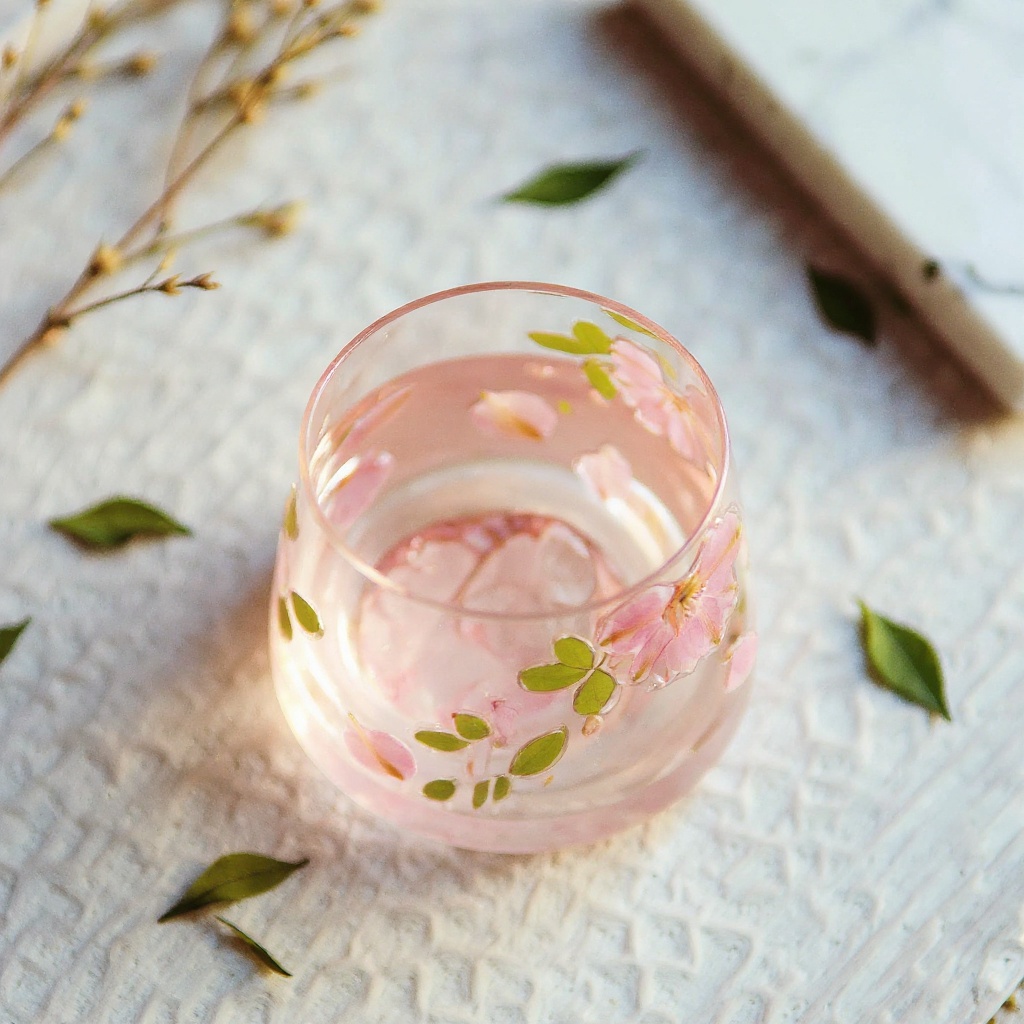
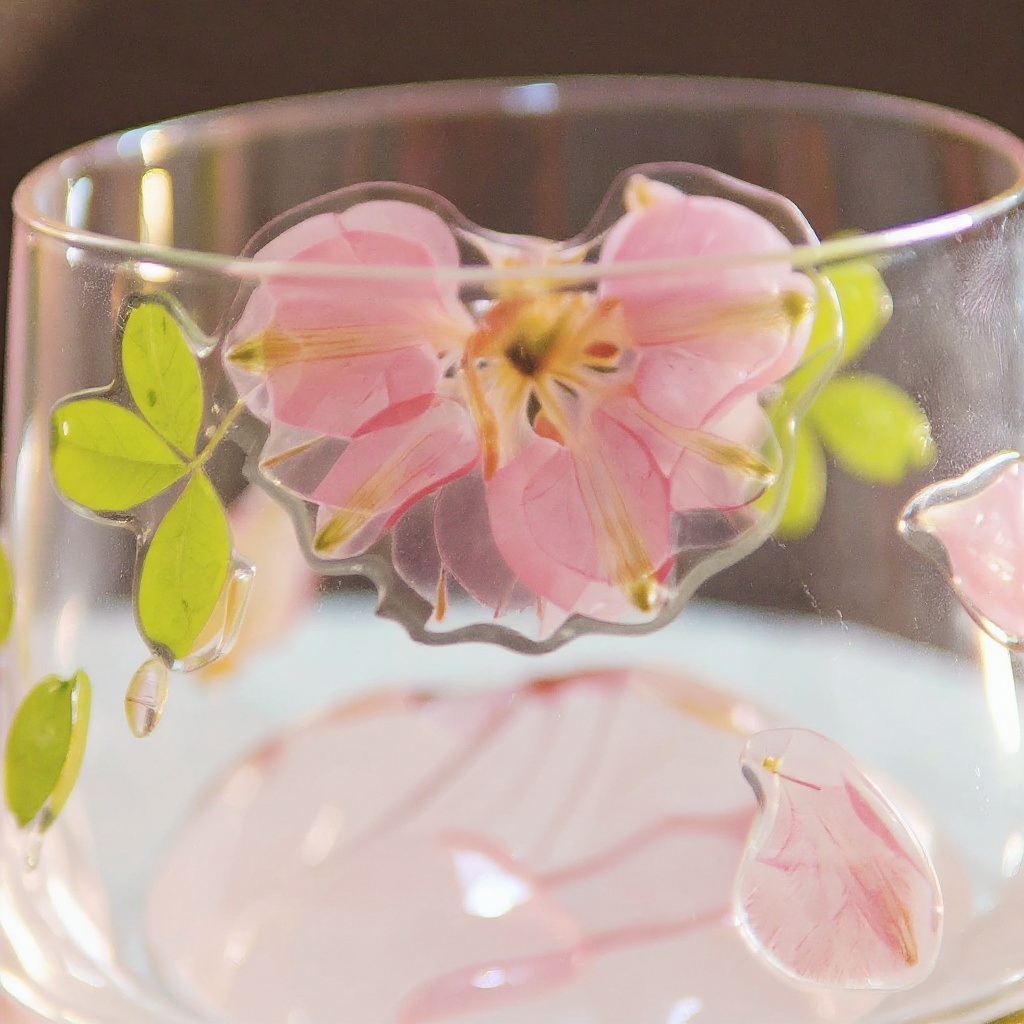
Flower glass cups require a completely different manufacturing approach. Real preserved pink flower petals and green leaves are hand-positioned on the outer glass surface, then fused using controlled heat and pressure to create raised relief patterns you can physically feel with your fingertip. This process draws on pressed flower craft traditions adapted for glass application. The botanical elements aren't applied as decals or prints. They are permanently bonded into the glass structure itself.
Production takes 3–5 days per piece based on artisan workshop documentation from glass studios in Southeast Asia and Eastern Europe, which explains why authentic versions command higher prices than mass-produced printed alternatives. No two pieces are identical. Each one carries its own arrangement of petals and leaves.
Side-by-Side Feature Comparison
| Feature | Flower Glass Cup | Regular Wine Glass |
|---|---|---|
| Construction time | 3–5 days per piece | 15–20 minutes |
| Production method | Hand-embedded real botanicals | Machine or hand-blown |
| Surface texture | Raised relief you can feel | Smooth throughout |
| Botanical elements | Real preserved pink petals + green leaves | None |
| Glass type | Heat-resistant borosilicate | Soda-lime or crystal |
| Accessories included | Dust-proof lid + glass straw | None standard |
| Price range | $28–$200+ | $8–$80 |
The flower glass cup vs regular wine glass distinction starts at production. It doesn't end there.
Material Differences and Heat Resistance
Standard wine glasses are typically made from soda-lime glass or lead-free crystal, both optimized for optical clarity and thinness. They handle room-temperature to lightly chilled beverages without issue. Thermal shock is a real risk. Pour boiling water into most wine glasses and you'll see crazing or cracking within seconds—soda-lime glass has a thermal shock resistance of roughly 40–60°C differential, compared to borosilicate glass which withstands differentials of 120–150°C according to ASTM E438 standards and manufacturer specifications from Pyrex and Schott.
Flower glass cups use heat-resistant borosilicate construction. This isn't a marketing phrase. It means the same cup that holds your hot morning tea can safely hold ice water an hour later. The glass composition is also necessary during production—the flower preservation and embedding process involves multiple controlled heating cycles that soda-lime glass simply cannot survive intact.
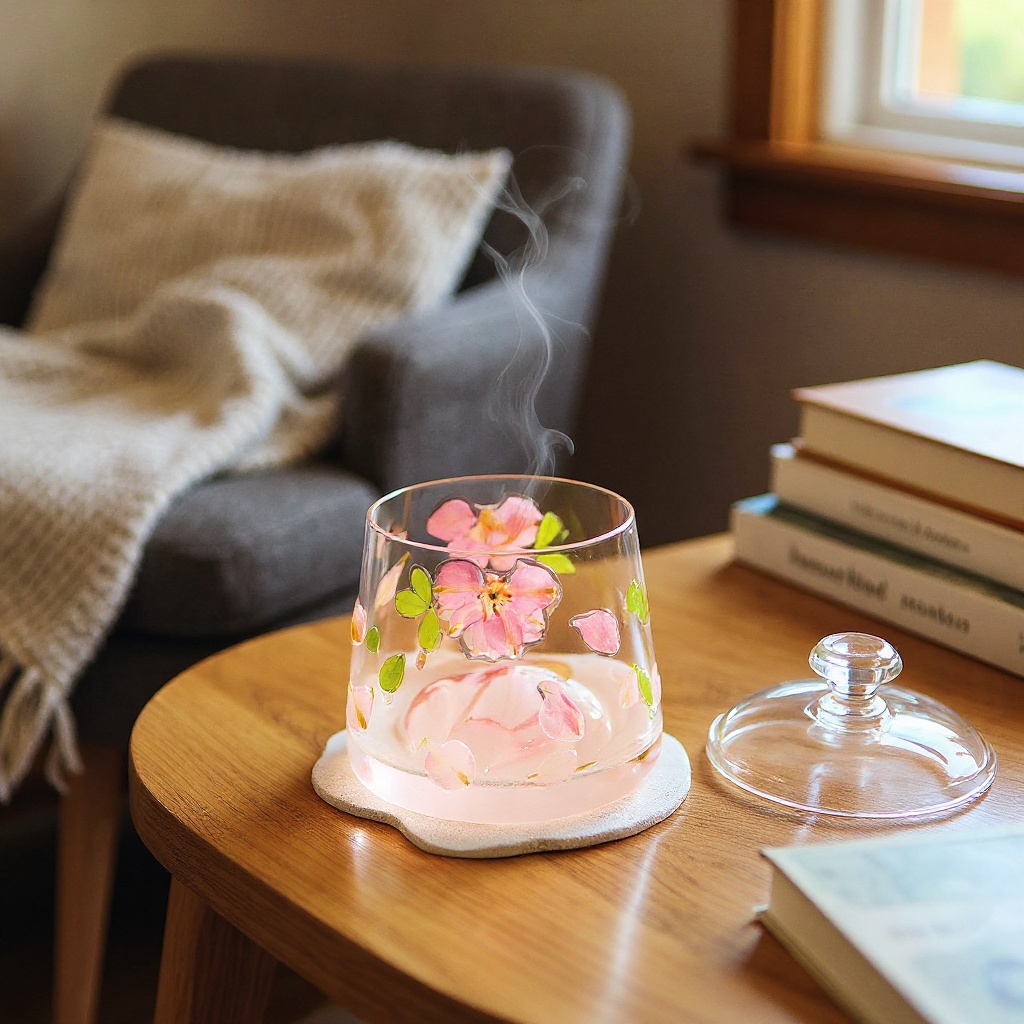
The 400ml stemless design stands approximately 4–5 inches tall. No stem to snap. No narrow base to tip. The matching dust-proof glass lid keeps your beverage clean between sips, and the included clear glass straw fits the wide opening without modification.
What Borosilicate Actually Means for Daily Use
Borosilicate glass contains 12–13% boron trioxide by composition, which restructures the silica network and dramatically reduces thermal expansion. This matters for two reasons: the cup survives dishwasher temperature swings that would crack cheaper glass, and it won't leach compounds into acidic beverages like citrus water or wine. For anyone who's ever watched a wine glass crack from a small temperature change, this distinction is significant.
Intended Use Cases: Daily Versatility vs Wine Service
Wine glasses serve one primary purpose. Enhancing wine tasting. The bowl concentrates aromas, the stem prevents hand warmth from transferring to the liquid, and the thin rim delivers wine to your palate without interference. That's their design brief. Nothing else.
Flower glass cups serve multiple daily use cases without compromise:
1. Hot morning coffee or tea (borosilicate handles temperatures up to 150°C differential safely) 2. Iced drinks and smoothies (wide opening accepts the included glass straw and ice cubes) 3. Cold brew, lemonade, or wine for casual occasions (stemless design is less formal, easier to hold) 4. Desktop or shelf display with the dust-proof lid on—functional décor rather than pure storage 5. Gifting for birthdays, bridal events, and housewarming occasions where the unboxing experience matters 6. Flat lay photography and content creation where real botanical texture creates depth that printed alternatives can't replicate
Versatility is the whole point. You're not buying a single-purpose tool.
Honest Assessment: When to Skip the Flower Glass Cup Entirely
Here's what most comparison articles won't tell you. If you wash everything on the highest dishwasher setting and never hand-wash, the flower glass cup is the wrong choice. The raised botanical relief on the outer surface requires a soft brush or cloth to clean properly around the petals. The preserved flowers can handle moisture, but repeated abrasive dishwasher cycles will degrade the botanical elements faster than hand-washing. If low-maintenance convenience matters more than aesthetics, buy a standard wine glass and be honest with yourself about it. No shame in that.
Flower glass cups reward people who enjoy the ritual of caring for their things. They're for people who notice the difference between a smooth glass and one with real texture under their fingertips.
Aesthetic and Gift Appeal Differences
Regular wine glasses rely on shape, proportion, and optical clarity for their visual appeal. High-end crystal versions feature precise cuts and exceptional light refraction. The aesthetic is intentionally understated—designed to disappear and let the wine shine.
Flower glass cups make the opposite choice. The embedded pink petals and sage-green leaf relief are the point. The decorative arts approach converts functional drinkware into a daily object worth noticing. Real botanicals create organic variation. Two cups from the same artisan batch look related but not identical, because the flowers themselves vary. Printed glass alternatives try to simulate this. They don't succeed. The flatness gives them away immediately at close range.
For gifting, this difference is decisive. Wine glasses feel thoughtful but predictable. A flower glass cup with real embedded botanicals, a dust-proof lid, and a glass straw arrives as a complete experience—something the recipient keeps on their desk or countertop because it's worth looking at, not just storing in a cabinet.
Who Chooses Each Option
- Regular wine glasses: serious wine enthusiasts, minimalist kitchen aesthetics, high-volume hosting with dishwasher convenience - Flower glass cups: botanical and cottage-core home aesthetics, gifting occasions, daily drinkware that functions as décor, content creators who work with flat lay or product photography
Neither choice is wrong. They serve different purposes.
Care and Maintenance: 5 Steps for Long-Term Preservation
Maintaining a flower glass cup properly extends its appearance and structural integrity over years of daily use. Here's the sequence that works:
1. Rinse immediately after use — don't let coffee, tea, or juice dry on the botanical surface, as residue builds up around the raised relief more visibly than on smooth glass 2. Use warm (not hot) soapy water — a soft silicone brush or cloth works around the petal contours without snagging 3. Avoid abrasive sponges — the botanical relief is durable, but repeated scrubbing with rough materials over months will wear the surface finish prematurely 4. Air dry upside-down on a rack — this prevents water pooling inside the textured areas near the base 5. Store with the dust-proof lid on — the included lid keeps the interior clean between uses and protects the opening from dust and airborne particles
Flower glass cups stored away from direct UV exposure maintain their color intensity longer. Preserved botanicals show 15–20% color shift after 6 or more months of continuous direct sunlight exposure—this applies to any preserved botanical element, glass-embedded or otherwise. A windowsill display is fine. A south-facing window with full afternoon sun every day for a year is not ideal.
Price Points and Value Comparison
Mass-produced wine glasses retail for $8–$25 per piece. Premium crystal versions from established brands reach $40–$100. Pricing reflects glass quality, brand licensing, and manufacturing consistency.
Flower glass cups span a wide range depending on botanical authenticity. Printed-flower glass cups on mass retail platforms cost $15–$40 and use flat photographic or screen-printed floral imagery—the flower glass cup vs regular wine glass aesthetic comparison is less interesting when the flowers aren't real. Resin flower tumblers on handcraft marketplaces range $35–$80 but encapsulate artificial flowers in plastic resin, not glass. Authentic pieces with real embedded botanicals, borosilicate construction, a matching lid, and a glass straw fall in the $28–$200+ range depending on complexity and artisan source.
The premium reflects labor-intensive production. Three to five days per piece, hand-positioned botanicals, multiple heating cycles. That's not a marketing story. That's the actual production timeline.
Making the Right Choice
Choose regular wine glasses if wine tasting is your priority, you need dishwasher convenience without exception, or your aesthetic runs minimalist and understated.
Choose the flower glass cup if you want drinkware that handles hot tea in the morning and cold wine in the evening, prefer a single beautiful object over multiple single-purpose ones, or want a gift that arrives with meaning already built in. The raised pink petals and green leaves on the outer surface aren't decoration added to a functional cup. They are the point.
The flower glass cup vs regular wine glass question is ultimately about what you want your everyday objects to do. Function alone, or function and presence.
If the botanical aesthetic resonates and you want heat-resistant construction with real embedded florals, browse our Stemless Wine Glass Real Pink Flowers Inside to see the raised relief detail and full accessory set including the matching dust-proof lid and clear glass straw.