Luxury Floral Barware: What Separates Art from Gimmick
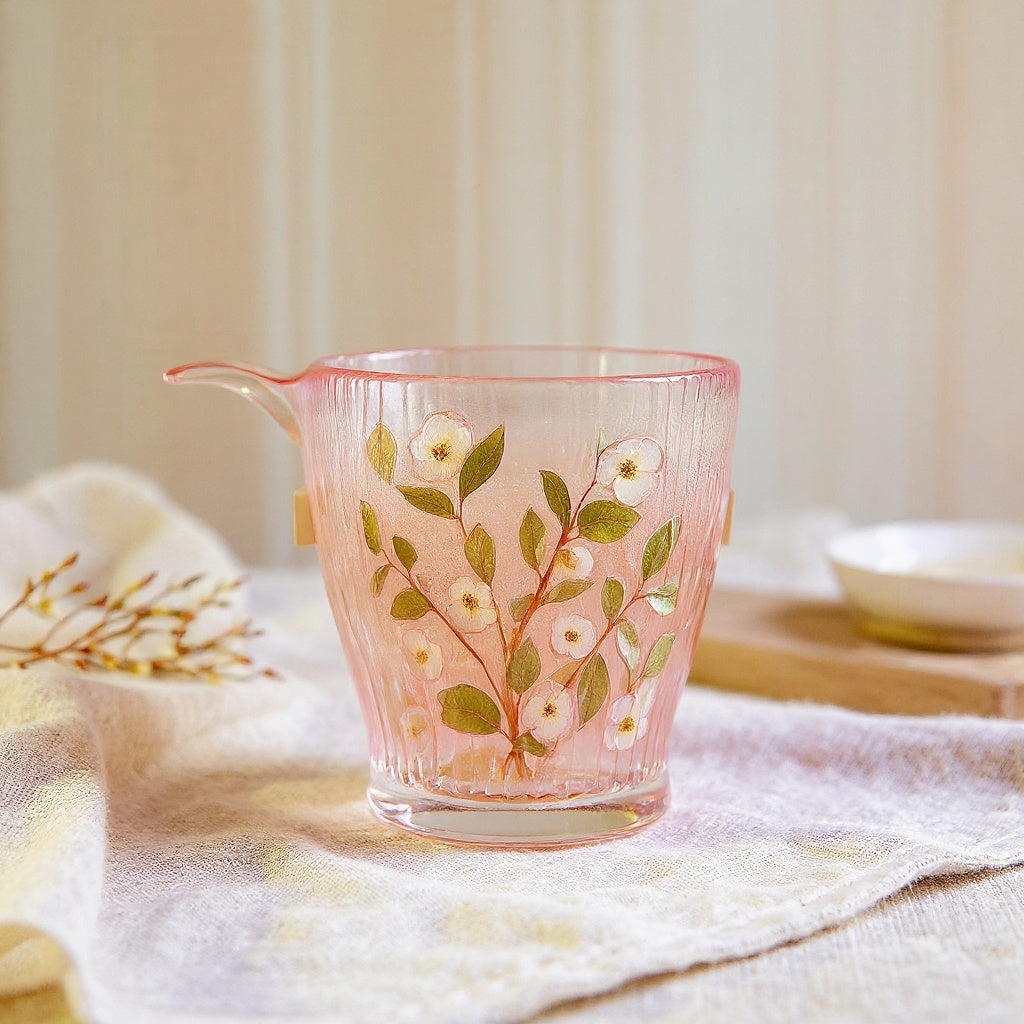
By Patrick Gao, founder of Solace & Straw · 8+ years working directly with Southeast Asian rattan artisans · Featured in Cottagecore Weekly and The Artisan HomeThe difference between luxury floral barware and cheap novelty pieces comes down to one fundamental question: are those flowers real or fake? True artisan botanical glassware uses genuine preserved flower petals and leaves embedded into the glass surface, creating tactile relief you can actually feel. Mass-produced gimmicks rely on printed patterns or plastic decals that wash off within months. Real luxury floral barware takes weeks to craft per piece, costs $50-200, and draws inspiration from centuries-old European glass artistry. The craftsmanship, materials, and longevity justify the investment—if you know what to look for.
The Hidden Truth About Mass-Produced "Botanical" Glassware
Walk into any home goods store and you'll find shelves of "floral" barware priced between $8-25. These pieces look convincing at first glance, but they're using one of three shortcuts that reveal their true nature. Printed decals account for about 80% of budget floral glassware—manufacturers apply vinyl stickers with flower patterns, then seal them under a thin coating. These start peeling within 6-12 months of regular washing.
The second category uses painted-on patterns that mimic pressed flowers but lack any texture or dimensional quality. Run your fingers across the surface and it feels completely smooth. The paint often contains lead-based pigments that can chip into beverages over time. Finally, some manufacturers embed plastic flower shapes between two glass layers, creating a "sandwich" effect that looks artificial under close inspection.
Authentic real pressed flower glass requires specialized kilns and preservation techniques that mass producers can't replicate at scale. The economic reality is simple: genuine botanical embedding costs 10-15 times more than printing, which explains why legitimate artisan pieces start around $50-70.
How Genuine Preserved Flower Glass Is Actually Made
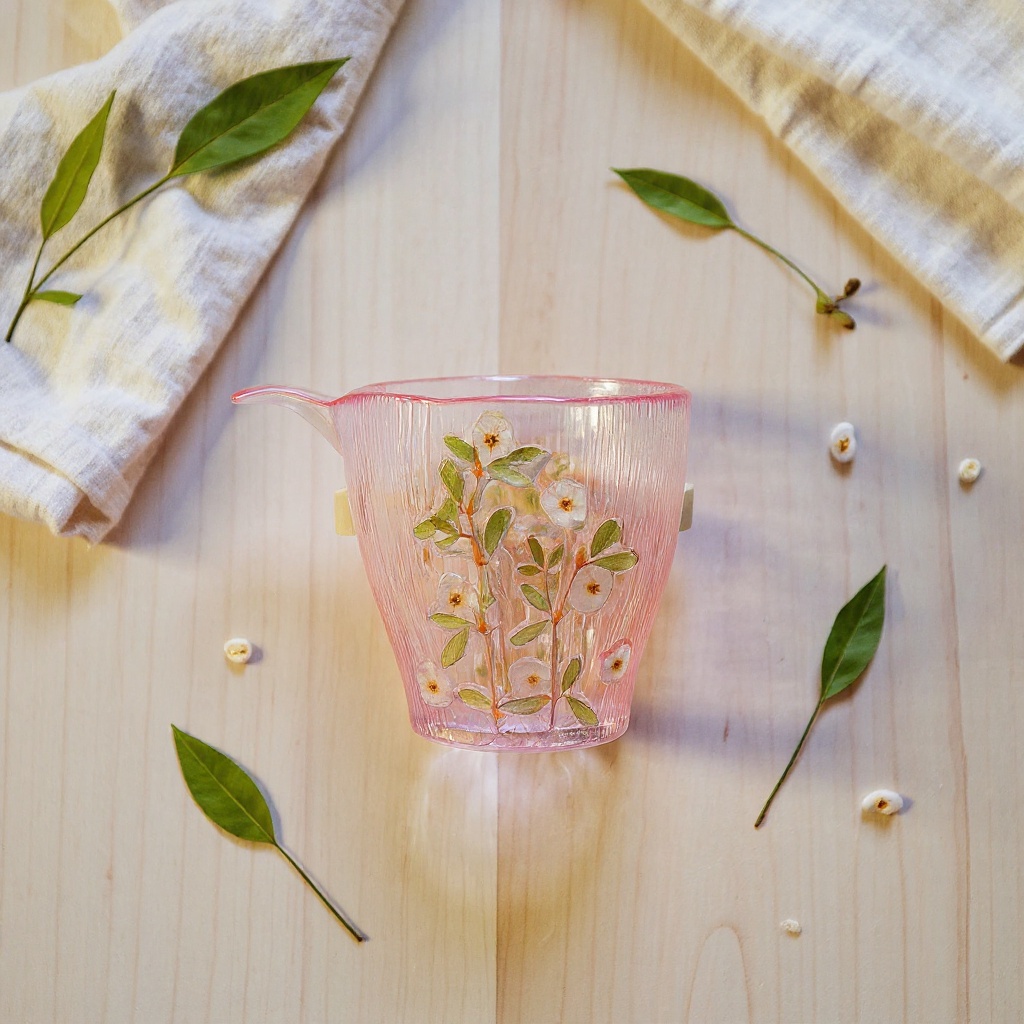
Creating authentic botanical glassware involves a multi-step process that begins months before the glass is even heated. Artisans first collect flower petals and leaves during peak bloom season, then preserve them using glycerin solutions or specialized pressing techniques that maintain color and flexibility. The preserved botanicals must cure for 4-6 weeks to achieve the right moisture content for glass embedding.
The embedding process happens during the glass forming stage, when the material reaches temperatures between 1,800-2,100°F. Craftspeople strategically place each flower element onto the hot glass surface, where it bonds permanently as the glass cools. This creates the raised tactile relief that distinguishes genuine pieces—you can actually feel the flower shapes through the glass wall.
Timing is everything during this process. If flowers are added too early, they burn and turn black. Too late, and they won't bond properly, leading to pieces that crack during the annealing process. Master glassworkers typically achieve success rates of only 60-70%, meaning 3-4 pieces are discarded for every perfect one that makes it to market. The pressed flower craft tradition dates back to Victorian times, but modern glass embedding techniques weren't perfected until the 1980s.
Recognizing Quality: The Tactile Test and Visual Clues
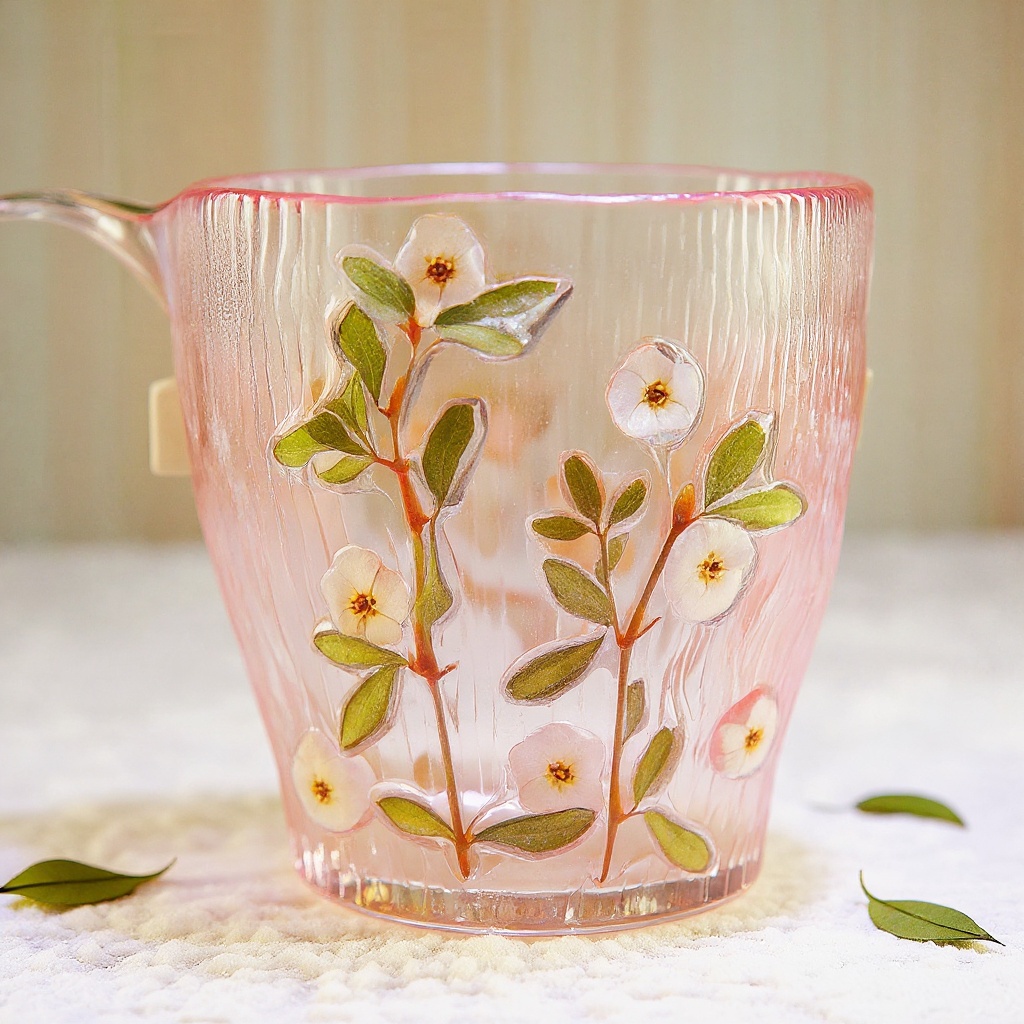
Your fingers are the best authentication tool when evaluating floral barware. Genuine preserved flower glass has noticeable texture variations across the surface—you'll feel ridges, bumps, and dimensional changes where each petal and leaf sits embedded. The flowers appear to be "floating" within the glass wall rather than sitting on top as a flat layer.
Color distribution provides another crucial indicator. Real preserved flowers retain natural color variations—no two petals will be exactly the same shade of pink or yellow. Printed patterns show uniform coloring that looks too perfect to be natural. Under bright lighting, authentic pieces display subtle transparency through the flower elements, while fake versions appear completely opaque.
The weight difference is significant too. Genuine botanical glassware typically weighs 15-25% more than printed versions due to the thicker glass walls needed for proper flower embedding. Quality pieces also feature smooth, fire-polished edges rather than the sharp, machine-cut rims found on mass-produced alternatives. When shopping for a real flower whiskey glass, these physical characteristics matter more than brand names or marketing claims.
Price Points: What You're Really Paying For
The luxury floral barware market segments into distinct price tiers that reflect different production methods and quality levels. Budget pieces ($8-25) use printed or painted designs with minimal craftsmanship involved. Mid-range options ($30-60) might feature some hand-applied elements but still rely on shortcuts like plastic components or superficial flower placement.
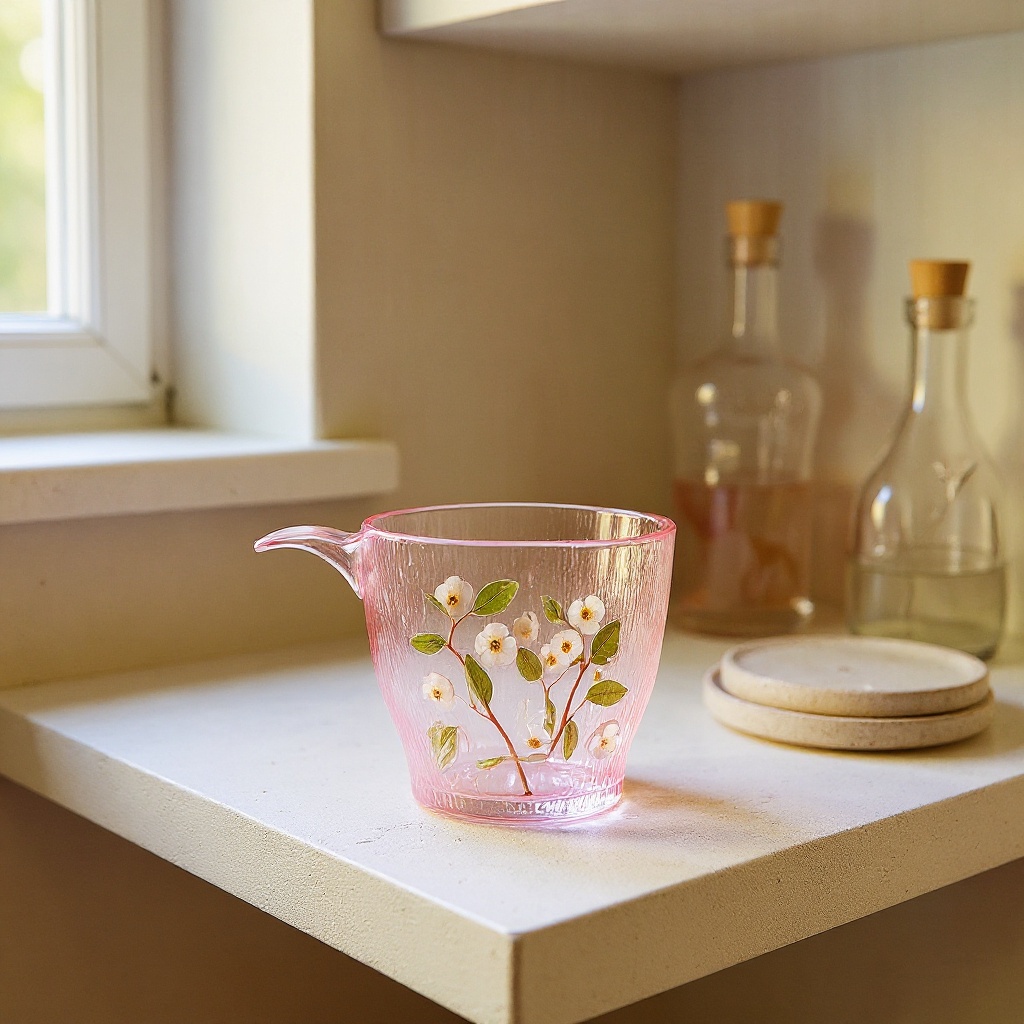
Authentic artisan pieces start around $50-70 and can reach $200+ for complex designs or limited editions. The Fuji Mountain Real Flower Whiskey Glass at $68 represents solid value in this category, featuring genuine preserved flower petals embedded in tactile relief patterns inspired by 18th-century European glass art techniques.
| Price Range | Production Method | Flower Type | Expected Lifespan | Quality Indicators |
|---|---|---|---|---|
| $8-25 | Mass printed | Fake/painted | 6-18 months | Smooth surface, uniform colors |
| $30-60 | Semi-handmade | Mixed real/fake | 2-5 years | Some texture, inconsistent quality |
| $70-150 | Artisan crafted | Real preserved | 10+ years | Full tactile relief, natural variations |
| $150+ | Master artisan | Premium botanicals | Lifetime | Museum-quality embedding |
The price premium reflects several hidden costs: flower collection and preservation (2-3 months), specialized kiln equipment, high failure rates during production, and the skilled labor required for each piece. When you factor in the 60-70% success rate during crafting, that $68 glass actually represents about $100 worth of materials and labor input.
Care and Maintenance: Preserving Your Investment
Proper care can extend the life of quality botanical glassware for decades, while poor maintenance will ruin even premium pieces within months. The embedded flowers are permanently sealed but still vulnerable to extreme temperature changes and harsh chemicals. Hand washing remains the gold standard—dishwashers expose glass to rapid temperature fluctuations that can cause micro-fractures around flower embeddings.
Use lukewarm water and gentle dish soap, avoiding anything with bleach or citrus-based degreasers that can cloud the glass over time. A soft cloth works better than sponges for cleaning textured surfaces without scratching. When drying, place glasses rim-down on a soft towel rather than using paper products that might snag on raised flower elements.
Storage matters too. Stack glasses with tissue paper between each piece, and avoid temperature extremes like freezer chilling or microwave heating. The whisky glass design typically handles room temperature to warm beverages (up to 120°F) without issues, but thermal shock from ice-cold liquids can stress the flower embeddings.
For preserved flower glassware, direct sunlight causes the most long-term damage. UV rays fade natural flower colors over 5-10 years, though this aging process often creates appealing vintage patina rather than obvious deterioration.
Gift-Giving Strategy: When Floral Barware Makes Sense
Floral barware works best as gifts for specific occasions and personality types, rather than as universal crowd-pleasers. The cottagecore aesthetic appeals strongly to women aged 25-45 who appreciate botanical elements, handmade craftsmanship, and Instagram-worthy home decor. Housewarming gifts, bridal shower presents, and milestone birthdays represent ideal gifting opportunities.
Wedding gifts deserve special consideration—a botanical glass gift wedding present should match the couple's established style preferences. Rustic, garden-themed, or vintage-inspired celebrations make perfect contexts, while ultra-modern or minimalist couples might prefer sleek crystal alternatives.
1. Housewarming gifts - Shows thoughtfulness and provides functional decor 2. Birthday presents for botanical enthusiasts - Demonstrates understanding of recipient's interests 3. Wedding shower gifts - Unique alternative to standard registry items 4. Mother's Day presents - Combines beauty with practicality 5. Retirement celebrations - Marks transition to leisurely home enjoyment 6. Anniversary gifts (5th, 10th) - Traditional yet distinctive choice 7. Holiday hostess gifts - Memorable alternative to wine or flowers
Avoid gifting floral barware to minimalists, bachelor pad owners, or anyone who's expressed preference for sleek, modern aesthetics. The piece needs to fit the recipient's existing decor style to become a treasured item rather than awkward obligation.
Red Flags: Spotting Overpriced Fakes
The growing popularity of botanical barware has attracted plenty of manufacturers hoping to capitalize with convincing knockoffs. Several warning signs indicate when you're looking at overpriced fake rather than genuine artisan work. Perfect symmetry in flower placement suggests machine application rather than hand-crafted positioning. Real preserved flowers vary in size, shape, and orientation—no two pieces should look identical.
Seller descriptions that emphasize "looks like real flowers" or "realistic floral patterns" often signal printed designs rather than actual botanicals. Authentic sellers confidently state "real preserved flowers" or "genuine botanical embedding" in their product titles. Vague terminology like "floral-inspired" or "nature-themed" typically masks artificial materials.
Shipping origin provides another clue. While quality glass comes from many countries, be suspicious of extremely low prices combined with long shipping times from unspecified international locations. Legitimate artisans proudly share their workshop locations and production methods. Glass material properties make shipping expensive, so unrealistically cheap international shipping often indicates mass-produced items rather than handcrafted pieces.
Photos matter too. Authentic sellers show multiple angles, close-up texture shots, and natural lighting that reveals true colors. Stock photos or images that look too perfect suggest the seller doesn't actually possess the item they're marketing.
Conclusion: Making an Informed Investment
Luxury floral barware represents a meaningful purchase when you understand what separates authentic craftsmanship from mass-produced alternatives. The investment pays off through decades of use, unique aesthetic appeal, and the satisfaction of supporting traditional glass artistry. Real preserved flowers, tactile relief surfaces, and proper embedding techniques justify premium pricing for discerning buyers.
Whether you're shopping for yourself or seeking a memorable gift, the key lies in recognizing quality indicators: genuine botanical materials, handcrafted construction, and honest seller descriptions. The Fuji Mountain Real Flower Whiskey Glass exemplifies these standards with its authentic preserved flower petals, raised tactile relief, and inspiration from European royal glass traditions.
For those ready to invest in genuine botanical artistry that will grace their home for years to come, browse our Fuji Mountain Real Flower Whiskey Glass to experience the difference that authentic craftsmanship makes.