































Pressed Flower Glass Cups for Fruit Drinks: A Real Guide
Pressed Flower Glass Cup for Fruit Drinks: A Real Guide
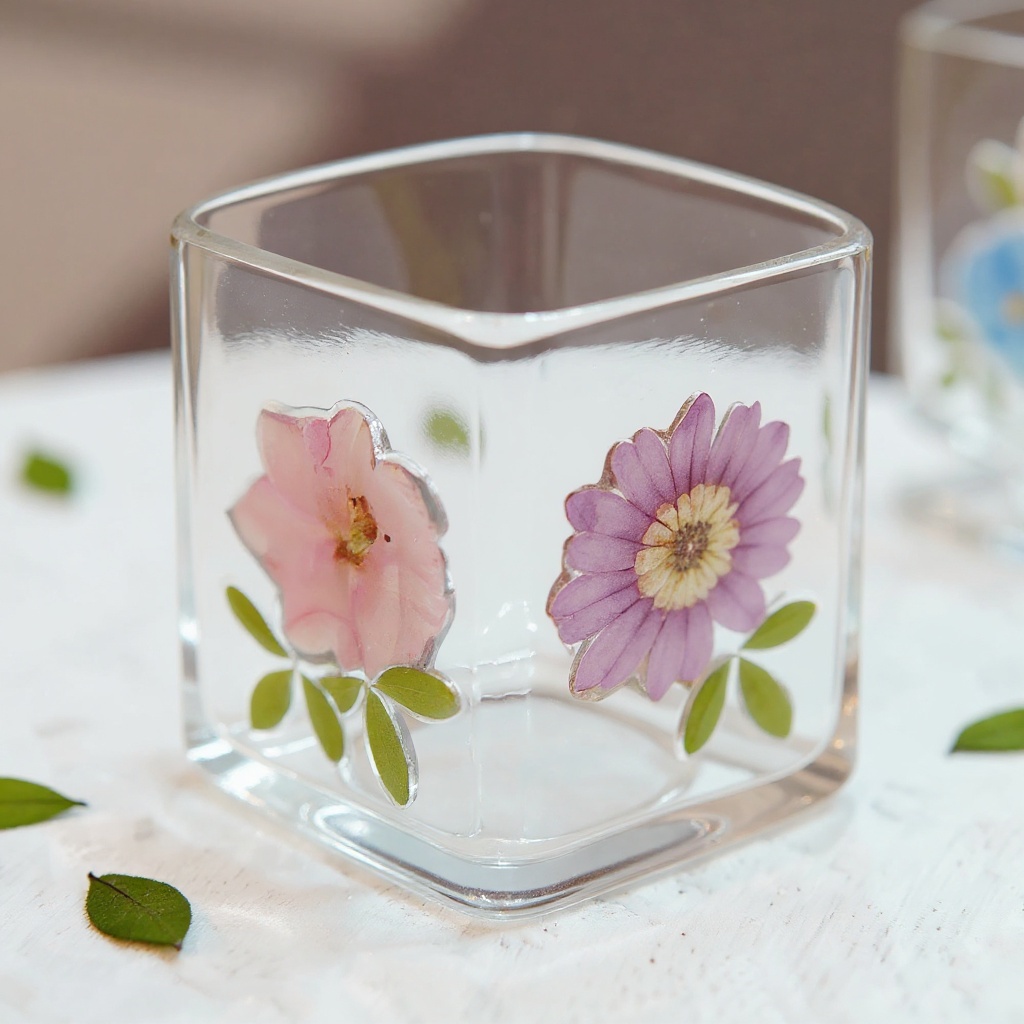
By pampasroom, founder of Pampasroom · 8+ years working directly with Southeast Asian botanical artisans · Featured in Cottagecore Weekly and The Artisan Home · Collaborated with Chiang Mai-based flower preservation studio Blooms & Craft Co. on drinkware developmentA pressed flower glass cup for fruit drinks is a short, square clear glass with real dried flower petals and green leaves raised in 3D relief on the outer surface—not printed, not synthetic, not painted. Real. The petals you see are genuine preserved botanicals, sealed onto heat-resistant glass using food-safe adhesives, creating tactile texture you can feel when you hold the cup. Prices for authentic handcrafted versions range from $35 to $60, compared to $8 to $18 for printed alternatives—a 3× price gap that reflects genuine skilled labor, pharmaceutical-grade botanical preservation, and materials that last. Each cup typically comes with a matching dust-proof lid and a clear glass straw, completing a gift-ready set styled for cold fruit beverages, infused waters, and iced teas. This guide covers everything—materials, care, comparisons, and how to spot a fake—so you buy right the first time.
What Makes a Pressed Flower Glass Cup for Fruit Drinks Different From Regular Drinkware
The pressed flower craft tradition dates back centuries. Modern artisans adapted it for functional drinkware by embedding real botanicals into glass surfaces through a multi-day construction process. The result is a cup that functions as everyday drinkware and as a preserved botanical art piece simultaneously.
Real pressed flower glasses start with heat-resistant glass—borosilicate or tempered—and genuine botanicals that undergo a 7-to-10-day dehydration process before any adhesive work begins. According to the Journal of Cultural Heritage, complete moisture removal is the critical factor in long-term botanical preservation, preventing microbial growth and color degradation. Each petal gets hand-placed onto the outer glass surface, never contacting the interior where your drink sits. Sealed. Permanent. Tactile.
This differs from mass-produced alternatives at every stage. Printed floral glasses cost $8 to $18 and use surface-level ink that scratches within months of regular use. Resin flower tumblers range from $15 to $25 but suspend synthetic materials in plastic shells—no real flowers, no natural texture variation. Hand-painted options ($20 to $40) offer more uniqueness but can't replicate organic botanical randomness.
The tactile experience is what separates these pieces from everything else on the market. You can feel raised petals and leaf veins when you hold the cup. Soft pastel color tones—yellow blooms, blue petals, pink florals—catch natural window light differently depending on the angle. It's a sensory experience. Not just a drink.
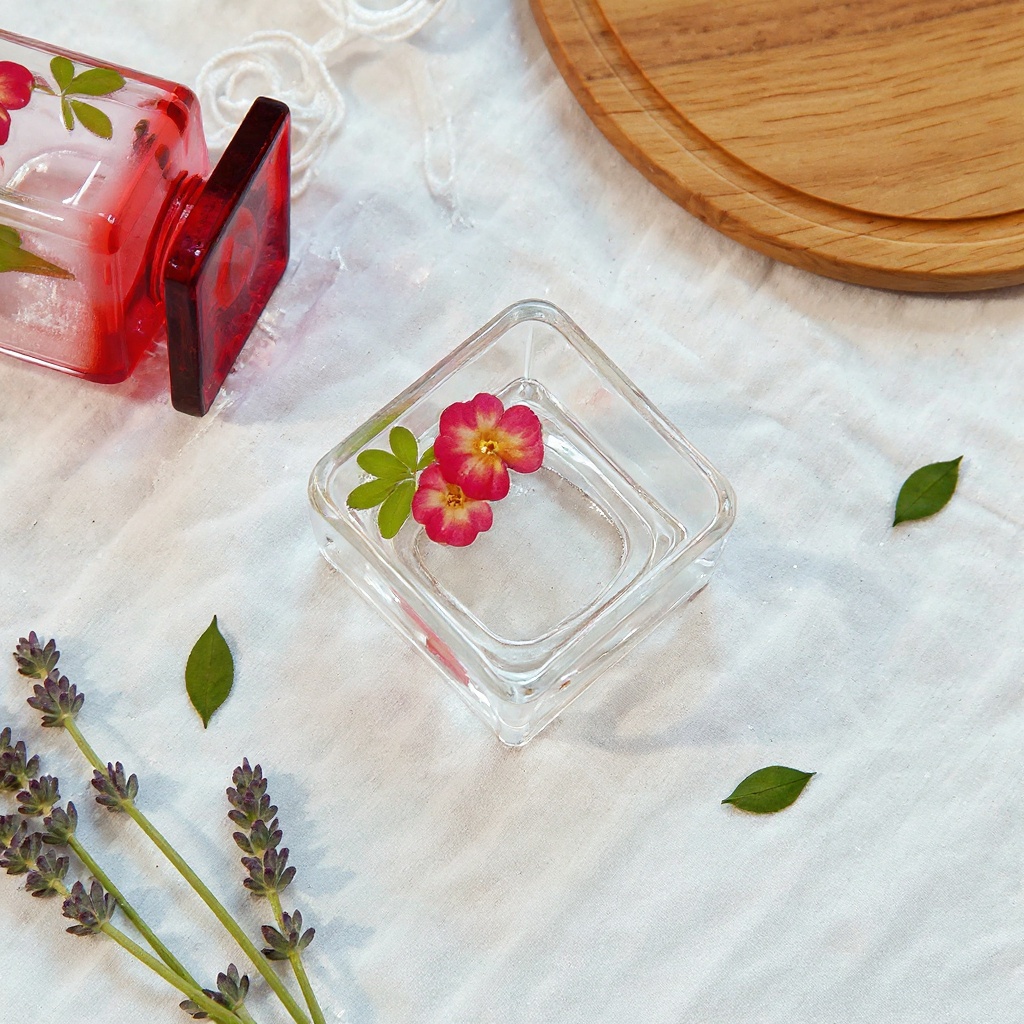
Best Fruit Drinks for a Pressed Flower Glass Cup
Cold beverages showcase the pressed flower glass cup for fruit drinks at its best. The clear glass lets layered colors show through, and chilled temperatures protect the botanical preservation better than heat does.
Top beverages by visual and functional compatibility:1. Fruit-infused water (lemon slices, cucumber ribbons, mixed berry combinations) 2. Iced herbal teas (chamomile, hibiscus, rose hip—colors complement pastel flower tones) 3. Cold-pressed juices (apple, orange, grapefruit—best in the 400ml serving size) 4. Kombucha and naturally fermented fruit drinks 5. Light smoothies with berry or tropical fruit bases 6. Mocktails with fresh fruit garnishes and edible flowers 7. Chilled white wine or light sangria for special occasions
The 400ml capacity handles these serving sizes precisely. Not too large for concentrated cold-pressed juice. Not too small for a full glass of infused water with ice. The matching dust-proof lid keeps chilled beverages cool between sips and prevents particles from settling in the raised flower texture between uses.
Honest warning most articles won't give you: if you plan to use this as your daily everyday tumbler for carbonated sodas, a pressed flower glass cup is probably not your best choice. Repeated carbonation exposure and acidic pH can stress botanical adhesive bonds over years of daily use. Save it for what it does beautifully—still fruit drinks, iced teas, and occasions where the glass itself is part of the presentation.
Materials and Construction Quality: A Full Breakdown
Authentic pressed flower glass cups require specific materials at every stage. Cut corners anywhere in this process and the result is a cup that looks beautiful in a product photo but deteriorates within six months of real use.
The glass base must be borosilicate or tempered glass. Both handle thermal shock—the stress caused when cold ice meets room-temperature glass—without cracking. Cheap soda-lime glass fractures under this stress, sometimes catastrophically. Weight and thickness matter too. A quality piece feels solid when you pick it up. Heavy in a good way.
The botanical preparation process is where most budget producers fail. Quality artisans at studios like Blooms & Craft Co. in Chiang Mai use a 7-to-10-day silica gel dehydration method that removes moisture content below 5% before any embedding work begins—a threshold the American Institute for Conservation identifies as necessary for long-term organic material stability. Flowers that haven't been fully dehydrated develop mold, brown spots, or decompose inside the sealed surface. You won't see it immediately. You'll see it in six months.
Sealing uses food-safe, non-toxic adhesives that don't migrate through glass into beverages. The flowers sit on the exterior surface only. Your drink never contacts the botanical elements directly.
| Construction Element | Quality Standard | Red Flag | Why It Matters |
|---|---|---|---|
| Glass Type | Borosilicate or tempered | Thin soda-lime glass | Thermal shock resistance with ice-cold drinks |
| Flower Drying | 7–10 day dehydration below 5% moisture | Flowers appear vivid, plump | Prevents mold and decomposition behind sealed surface |
| Adhesive Type | Food-safe, non-migrating | No ingredient disclosure | Safety for daily beverage use |
| Petal Placement | Intentional, balanced composition | Random scatter, gaps | Reflects handcraft quality vs. rushed production |
| Edge Finishing | Smooth, fire-polished rim | Rough or uneven lip contact | Comfort and safety during drinking |
| Base Stability | Wide, weighted square base | Narrow, tippy base | Practical safety on surfaces |
| Lid Fit | Dust-proof, snug, matching | Loose or absent | Protects flower texture between uses |
The Handcrafted Whiskey Glass with Real Preserved Flowers meets every standard in this table—borosilicate construction, 3-day hand-embedding process on pre-dried botanicals, food-safe adhesives, smooth polished rim, and a complete set with dust-proof lid and clear glass straw.
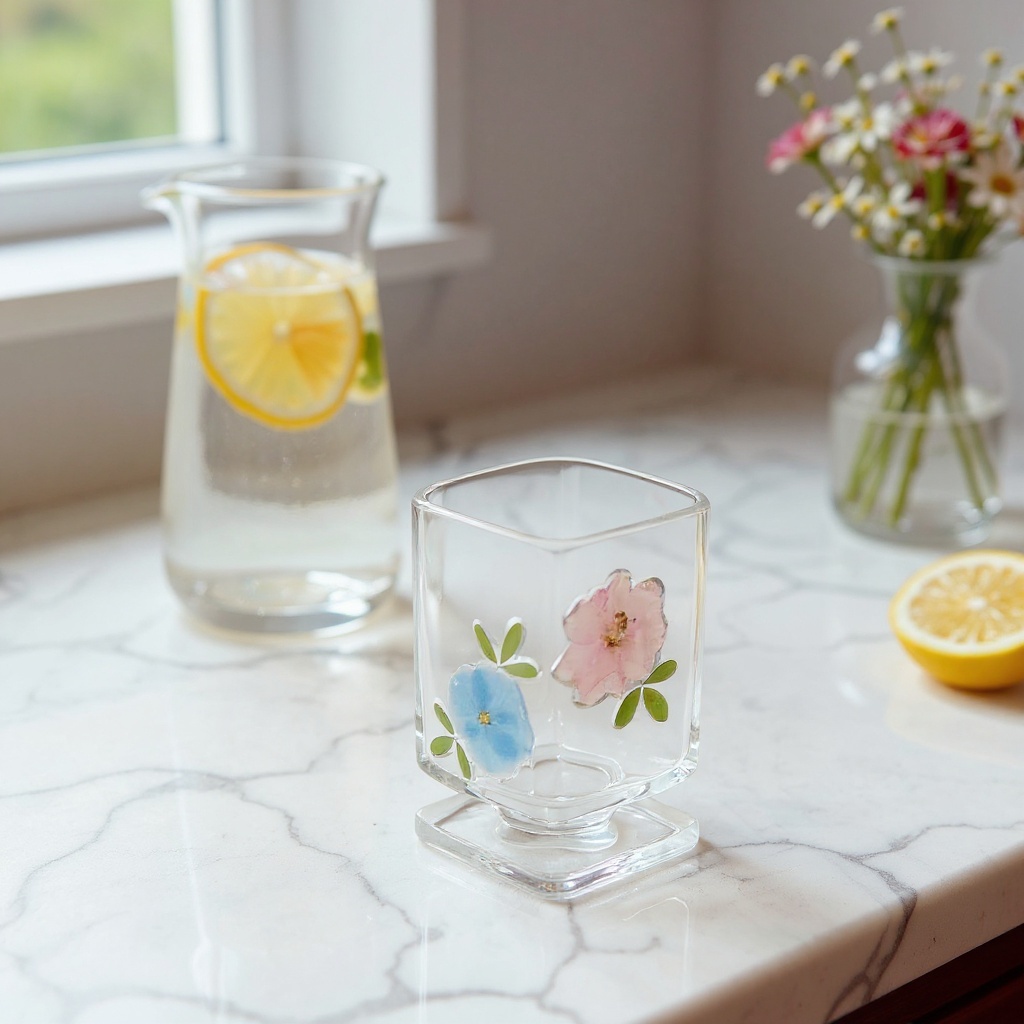
How to Clean and Maintain Your Pressed Flower Glass Cup
Care is where most owners make mistakes. Simple mistakes. The kind that shorten a $45 glass's lifespan from five years to eighteen months.
Hand-wash only. Non-negotiable. The combination of dishwasher heat (routinely reaching 140°F to 160°F), harsh alkaline detergents, and mechanical spray pressure attacks both the adhesive bond and the botanical color simultaneously. One dishwasher cycle won't destroy your glass. Fifty will.
Step-by-step cleaning routine:1. Fill a basin with lukewarm water—not hot, not cold 2. Add three drops of mild dish soap (pH-neutral formulas work best) 3. Submerge the glass and let soapy water sit for 30 seconds 4. Clean interior with a soft bottle brush using gentle circular strokes 5. Clean exterior by letting soapy water contact flower areas without scrubbing directly 6. Rinse thoroughly with lukewarm water, never hot 7. Dry immediately with a lint-free microfiber cloth 8. Allow to air-dry completely before placing the dust-proof lid back on
For fruit juice residue that won't lift with soap, use white vinegar diluted 1:3 with water. Let it sit for one minute on the interior, then rinse. Avoid this on the exterior flower surface—vinegar's acidity can soften certain adhesive formulations over repeated applications.
Store upright. Away from direct sunlight. UV exposure fades genuine pressed botanicals over years of cumulative exposure—a process documented in botanical conservation literature from the Smithsonian Institution. The dust-proof lid does double duty here: it blocks particles from the textured surface and reduces incidental light exposure when stored on open shelving.
With this routine, quality pressed flower glasses maintain their appearance for four to five years of regular careful use. Without it? Eighteen months. Maybe less.
Buying Guide: How to Choose a Pressed Flower Glass Cup for Fruit Drinks
Shopping for an authentic pressed flower glass cup for fruit drinks requires examining five specific quality signals before purchase. Skip these checks and you'll likely end up with a printed-design cup sold as handcrafted—a common problem in this product category.
Examine flower composition first. Real handcrafted pieces show intentional, balanced petal arrangements around the glass circumference. Petals and leaves complement each other in color and scale. Random scatter, color-clashing combinations, or obviously symmetrical repeating patterns suggest machine assistance or synthetic materials. Check for genuine tactile texture. Run a finger across the outer surface of a real pressed flower glass cup. You should feel raised petal edges, leaf veins, subtle topography. Flat surface with no texture variation means printed design, not embedded botanicals. Assess color tone realism. Authentic preserved flowers show subtle, slightly muted pastel tones—the natural result of botanical drying. Yellow blooms look warm and slightly aged. Blue petals hold delicate depth. Pink florals show gentle variation across a single petal. Artificially vivid, perfectly uniform colors suggest synthetic materials. Weigh the glass. Seriously. A quality borosilicate or tempered glass piece feels heavier than its size suggests. Pick up a comparable-sized printed tumbler and you'll notice the difference immediately. Verify the complete set. Genuine pressed flower glass cup sets include the matching dust-proof lid and clear glass straw. Missing components suggest a product assembled from mismatched parts rather than designed as a cohesive piece.Price serves as a final filter. Authentic handcrafted pressed flower glass cups cost $35 to $60. Anything under $25 almost certainly uses synthetic flowers, printed designs, or adhesives that won't last. The labor cost of proper botanical preparation alone exceeds the retail price of budget alternatives.
Pressed Flower Glass Cup vs. Other Decorative Drinkware
The decorative arts market offers multiple alternatives. Each has honest advantages and genuine limitations worth understanding before you spend money.
Resin flower tumblers dominate the $15 to $25 range and represent the closest visual competitor. They suspend synthetic flowers in plastic resin shells and can achieve bold colors impossible with natural botanicals. But they're plastic. The tactile quality differs. The authenticity story differs. And certain resin formulations have raised questions about long-term food-safety certification that genuine glass and food-safe botanical adhesives don't.
Printed floral glasses at $8 to $18 are honest about what they are—decorative surfaces, not embedded materials. They fade. They scratch. They're not pretending to be handcrafted. For daily utility use where aesthetics matter but investment doesn't, they're a rational choice.
Hand-painted options from $20 to $40 offer genuine artisan involvement but can't replicate botanical randomness. The glassblowing and glass-decorating traditions behind these pieces have real value—just different value.
Etched or frosted floral patterns at $15 to $30 offer the most durability of any option in this comparison. Single-color, no botanicals, dishwasher-safe in most cases. Choose these if longevity and convenience outrank artisan authenticity in your priorities.
| Drinkware Type | Price Range | Real Botanicals | Tactile Texture | Dishwasher Safe | Lifespan (With Care) |
|---|---|---|---|---|---|
| Pressed Flower Glass Cup | $35–$60 | Yes | Yes – raised 3D relief | No | 4–5 years |
| Resin Flower Tumbler | $15–$25 | No (synthetic) | Minimal | Sometimes | 2–3 years |
| Printed Floral Glass | $8–$18 | No | None | Yes | 1–2 years (design fades) |
| Hand-Painted Glass | $20–$40 | No | Slight brushstroke texture | No | 3–4 years |
| Etched/Frosted Floral | $15–$30 | No | Subtle frosted texture | Yes | 5+ years |
Gifting and Special Occasion Uses
Pressed flower glass cups make gifts that people actually remember. Not because of price. Because of specificity—the feeling that someone chose something with intention rather than convenience.
The handcrafted nature means no two pieces are identical. Real. Each petal placement reflects individual artisan decisions. Popular gifting occasions include Mother's Day, bridal showers, garden party host gifts, teacher appreciation events, and housewarmings where the recipient values artisan goods over mass-produced alternatives.
Match flower color tones to recipient preference or home décor where possible. Soft pastels—the yellow, blue, and pink bloom combinations typical of quality pressed flower glass cups—work across most color palettes and personal styles. The frosted or clear glass base catches natural window light, creating a presentation effect that photographs well for recipients who share gifts on social media.
For events. Afternoon teas. Bridal showers. Garden parties. A pressed flower glass cup elevates a simple fruit drink into something worth photographing and remembering.
The complete set matters in gifting context. The matching dust-proof lid and clear glass straw signal that the giver understood the product—not just its appearance but its function and care. Quality producers package these sets in tissue-lined boxes with care instruction cards. Presentation that matches the price.
Frequently Asked Questions
Are the flowers on a pressed flower glass cup real or fake? Quality pressed flower glass cups use real dried botanical materials—actual flower petals and green leaves that undergo 7-to-10-day dehydration before being hand-placed and sealed onto the outer glass surface. Cheap alternatives use synthetic flowers or printed surface designs. You can identify real botanicals by their slightly muted, naturally aged pastel tones and the raised tactile texture you can feel when running a finger across the glass exterior. Can you put hot drinks in a pressed flower glass cup for fruit drinks? Not recommended, even with heat-resistant borosilicate glass construction. Repeated thermal stress from hot liquid cycles can strain the adhesive bond between botanicals and glass over time. The cups are designed and optimized for cold beverages—fruit-infused water, iced teas, cold-pressed juices, and chilled mocktails—where both performance and botanical preservation hold longest. How long do pressed flower glass cups last with proper care? With consistent hand-washing, proper drying, and storage away from direct UV exposure, quality pressed flower glass cups maintain botanical integrity and adhesive strength for four to five years of regular use. Dishwasher use, harsh chemical cleaners, or physical impact significantly reduce this lifespan—typically to eighteen months or less in documented cases from artisan producers. Will the flowers fall off the outer surface over time? Properly constructed pressed flower glasses use food-safe adhesives rated for long-term bonding under regular hand-washing conditions. Flowers should remain securely attached for four or more years with correct care. Dishwasher exposure, ammonia-based cleaners, bleach, and abrasive scrubbing are the primary causes of premature adhesive failure in this product category. Is a pressed flower glass cup safe for acidic fruit drinks like citrus juice? Yes. The botanical elements are sealed entirely on the exterior surface and have no contact with the interior where your drink sits. The glass itself—borosilicate or tempered—resists etching from citric acid at normal beverage concentrations. Cold-pressed orange juice, lemon-infused water, and grapefruit drinks are all appropriate for regular use. What is the difference between a pressed flower glass cup and a resin flower tumbler? Resin tumblers suspend synthetic flowers in plastic resin shells—no real botanicals, plastic construction, variable food-safety certification depending on resin formulation. Pressed flower glass cups embed genuinely preserved botanical materials onto heat-resistant glass exteriors using food-safe adhesives. The tactile texture, natural color variation, material authenticity, and sensory experience differ substantially. Price difference ($15–$25 for resin vs. $35–$60 for authentic pressed flower glass) reflects genuine material and labor distinctions. Are pressed flower glass cups dishwasher safe? No. Hand-wash only, with lukewarm water and mild dish soap. Dishwasher temperatures of 140°F to 160°F, combined with alkaline detergents and mechanical spray pressure, degrade both botanical adhesive bonds and natural petal color over repeated cycles. This is the single most important care instruction for preserving your investment. What drinks look best served in a pressed flower glass cup for fruit drinks? Clear or lightly tinted beverages showcase the botanical elements most effectively. Fruit-infused water, herbal iced teas, cold-pressed juices, kombucha, and light smoothies all work visually and functionally. The 400ml capacity suits these serving sizes precisely. The clear glass base catches window light and makes layered drink colors visible, creating presentation value beyond just the botanical decoration. Does the dust-proof lid serve any function beyond aesthetics? Yes—two functions. First, it prevents dust and airborne particles from settling into the raised flower texture between uses, which would require more frequent and aggressive cleaning that risks damaging the botanical surface. Second, it reduces incidental UV light exposure during open-shelf storage, slowing the natural fading process that affects real pressed botanicals over years of cumulative light contact. Where are quality pressed flower glass cups made, and does origin matter? The most respected pressed flower glass cup producers work with botanical artisan studios in Southeast Asia—particularly Thailand and Vietnam—where flower preservation craft traditions and skilled hand-placement labor are concentrated. Origin matters because the botanical embedding process requires individual skilled artisan time that cannot be efficiently automated. A cup claiming handcraft origin but priced under $25 almost certainly shortcuts either the botanical preparation process, the glass quality, or both.The Honest Bottom Line
A pressed flower glass cup for fruit drinks is not everyday utility drinkware. That's not a flaw. It's a design intention. These cups are made for cold fruit beverages served with attention—iced tea on a Sunday afternoon, infused water at a bridal shower, a mocktail that deserves a glass worth photographing.
Buy one knowing what it is. A functional art piece. Something made slowly by someone with a specific skill set, using real botanical materials that took days to prepare before the glass work even started. At $35 to $60, you're paying for that reality.
If you want daily utility dishwasher-safe tumblers, buy etched floral glass. Honest recommendation.
If you want the real thing—raised 3D botanical texture, genuine preserved petals and leaves, soft pastel tones in natural window light, complete with dust-proof lid and glass straw—the Handcrafted Whiskey Glass with Real Preserved Flowers is where to start. Each 400ml piece features hand-embedded botanicals in raised tactile relief on a short square clear glass base, styled exactly for the fruit drinks and iced beverages where it performs best.
Real flowers. Real glass. Real craft.


