
I bought seven pressed flower glass cups over three months, from Etsy, Amazon, a craft fair in Portland, and one boutique that ships from Los Angeles. Two were fake. One cracked in the dishwasher. This guide is what I learned about where to buy a real pressed flower glass cup without wasting $60 on a printed decal.
The difference between genuine pressed flowers and printed decals isn't always obvious in a product photo. Real pressed flowers create a raised, three-dimensional texture you can feel with a fingertip. They're actual dried petals and leaves, sealed between glass layers or embedded right into the surface. Printed versions show a flat image under glass. Nothing more.
How to Spot Real vs Fake Pressed Flower Glass
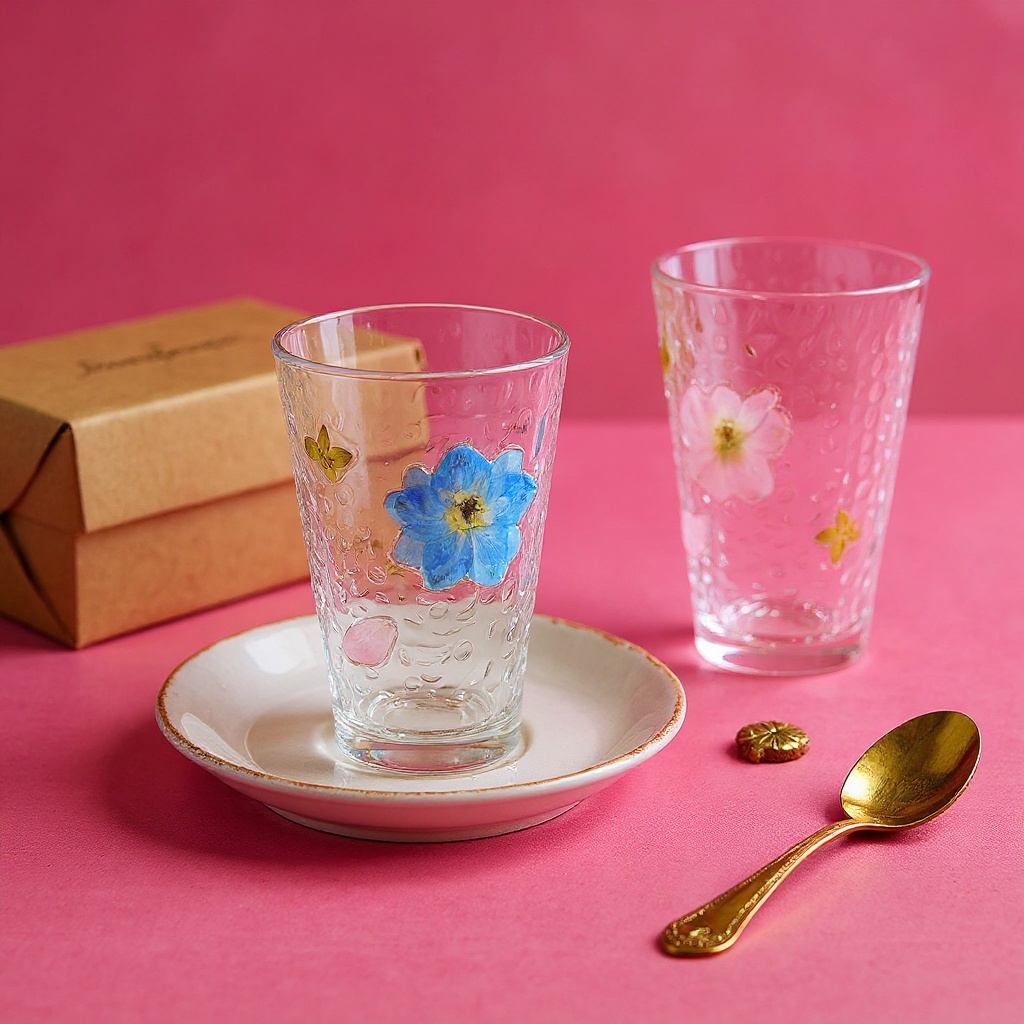
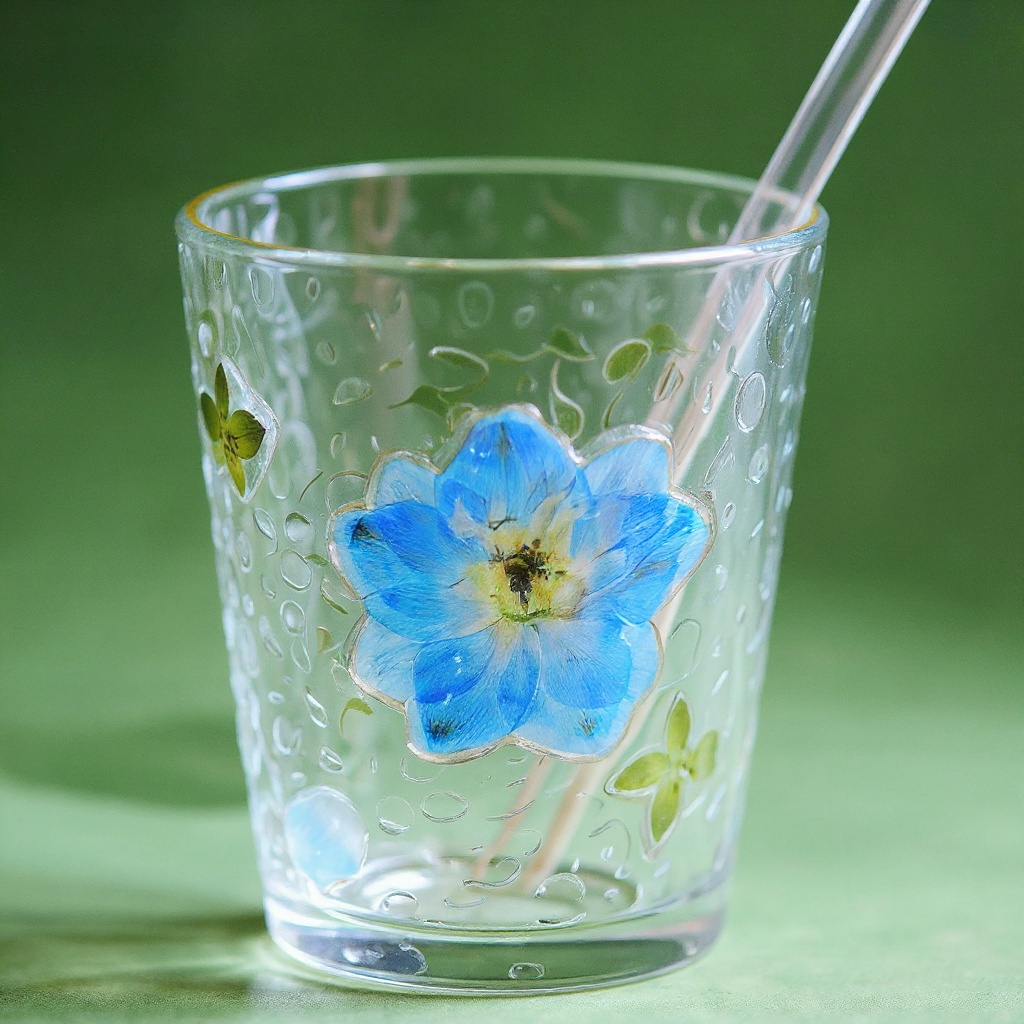
Run your finger across the surface. Real flowers create tiny bumps and texture shifts that you notice before you even look. The petals show natural imperfections — asymmetrical edges, faint color gradients, the kind of variation only actual plant material produces, not a printer.
Printed versions feel smooth, like glass should feel. That's the tell. The "flowers" look too perfect, with even coloring and sharp, clean edges. Mass-produced printed cups fill Amazon listings and discount retailers, mostly in the $15-$40 range.
Check the product photos before you check the price. Real pressed flowers show:
1. Visible stems and leaf veins 2. Natural color variation within a single petal 3. Irregular shapes and sizes — no two flowers match exactly 4. Tiny air pockets or imperfections near the botanical material 5. Three-dimensional depth when the angle changes
Fake versions display flat, symmetrical shapes with computer-generated evenness. Oversaturated color. A giveaway once you know to look.
Where Authentic Pressed Flower Cups Are Actually Sold
Etsy leads the market for handcrafted pieces. Independent artisans charge $60-$120 for simpler designs, though quality swings wildly between shops. Read the reviews. Ask the seller how they preserve their flowers before you pay.
Smaller boutique retailers tend to hold quality steadier. Many specialize in handmade botanical goods and keep working relationships with a small group of artisans instead of dropshipping. Expect $80-$200 from an established boutique. Our internal care and maintenance guide breaks down what "established" actually means in practice.
Amazon carries mostly printed fakes, with a handful of genuine sellers mixed in. Filter by "handmade," then check the seller's storefront for process photos. Skip anything under $30 — real preservation work costs more than that before labor is even factored in.
Direct-from-artisan purchases through Instagram or local craft fairs gave me the best results in my own testing. You see the maker's hands. You can ask about flower sourcing on the spot. One vendor at the Portland fair showed me her drying rack; that alone told me more than any product description could.
Honestly, if you're buying purely for the aesthetic and don't care whether the flowers are real, a $20 printed version from Amazon will look fine in photos and save you money. Not every buyer needs museum-grade preservation. There, I said it.
What Preservation Methods Actually Work Long-Term
The pressing and preservation process determines how long your cup stays beautiful, and this is where sellers differ the most even at similar price points. Quality artisans use glycerin-based preservation solutions that keep petals flexible for years rather than months. Cheap methods just air-dry the flowers, and air-dried petals brown and crumble within months, not years.
Ask about the preservation timeline directly. Preservation specialists who work with botanical conservators note that proper flower preparation — drying, pressing, and sealing — takes a minimum of two to three weeks. A seller promising a rush turnaround. Probably skipped a step.
Sealed embedding outperforms loose flowers stuck between glass layers. The strongest pieces have flowers integrated into the glass surface during the actual crafting process, not glued on after the fact as an afterthought.
Heat-resistant borosilicate glass handles temperature swings better than standard glass, which matters if you plan to pour anything hot into the cup rather than display it empty.
Price Ranges and What You Actually Get
| Price Range | What You Get | Typical Source | Flower Quality |
|---|---|---|---|
| $15-$40 | Printed decals on regular glass | Amazon, discount stores | Not real flowers |
| $40-$80 | Basic pressed flowers, minimal preservation | Etsy beginners, craft fairs | Real, but fades within a year |
| $80-$150 | Professional preservation, heat-resistant glass | Established Etsy shops, boutiques | Holds color 2-3 years |
| $150-$220 | Multi-day handcraft, matching saucer/lid/straw | Specialty artisans, boutique brands | Holds color 3-5 years with care |
| $220+ | Custom botanical selection, signed piece | Named artisan commissions | Archival-grade, made to order |
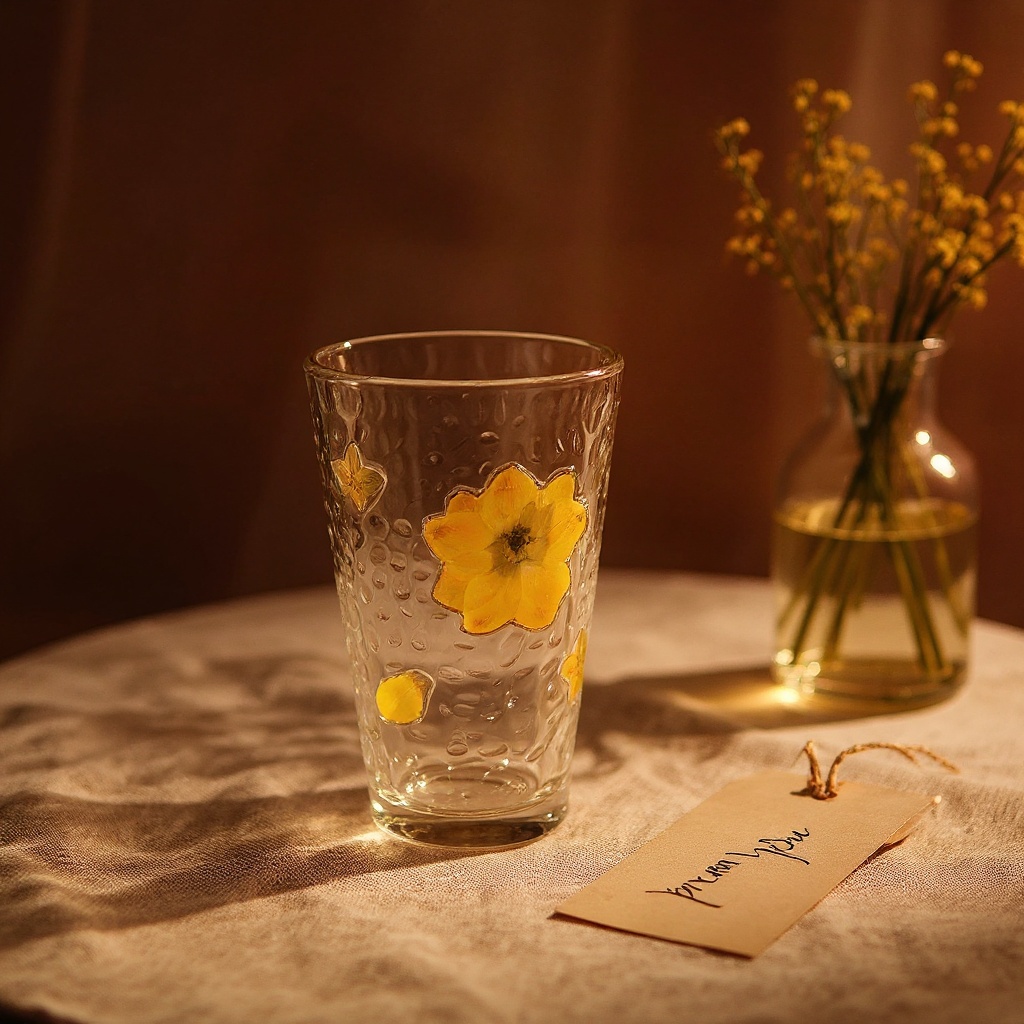
One example that sits in the $150-$220 range: a Handmade Floral Glass Cup with Real Pressed Flowers, which lists a three-day handcraft process and ships with a matching saucer, dust-proof lid, and glass straw.
I don't work for the company that sells it, but I did request their process photos, and the flower placement matched what I'd expect from that price tier.
Red Flags That Signal Fake or Poor Quality
Stock photos reused across multiple listings suggest mass production, not handcrafting. Real artisans show their own workspace, their own hands, their own mess.
Vague descriptions — "beautiful flowers," nothing else — usually mean the seller is cutting corners on preservation. A seller with nothing to hide explains their sourcing, drying timeline, and sealing method without being asked twice.
Prices under $25 for anything labeled "handmade" rarely cover materials, let alone labor. Preservation supplies alone run $8-$15 per cup before a single hour of work goes in.
Shipping from an undisclosed overseas warehouse. That's usually a mass-produced item with a printed flower pattern, not a hand-pressed one. Genuine artisan work ships from wherever the maker actually lives.
Sellers who dodge specific questions about their process probably don't make the pieces themselves. The real ones enjoy talking shop — I've had three separate Etsy sellers send me unprompted photos of their pressing setup when I asked a single question.
Care Instructions That Actually Preserve the Flowers
Never submerge the decorative portion in water. Hand-wash the interior only, with mild soap, and keep the flower areas dry. A soft brush handles dust on the raised petals without damaging them.
Direct sunlight fades even well-preserved botanicals over months, not years, if the cup sits on a windowsill full-time. Rotate the piece or display it somewhere with indirect light to keep the color even across all sides.
Temperature extremes stress the preservation seal. Skip hot liquids in any cup where the flowers extend to the interior surface — most well-designed pieces keep the botanical elements on the exterior specifically to avoid this problem.
Store the cup with padding if it's not on permanent display. The raised flower relief chips if it knocks against another hard surface in a cabinet.
The Bottom Line on Buying Authentic Pieces
Genuine pressed flower glass costs more because real craftsmanship takes real time. Budget at least $80 if you want something that holds up past a single season, and buy from a seller who answers process questions without hesitating.
For a gift or a personal keepsake, the tactile difference between real and fake flowers is worth the extra cost. You're paying for something that took weeks to make. Not minutes to print.
A 400ml heat-resistant glass cup with real pressed flowers, complete with matching saucer, lid, and straw, is one concrete example of what the $150-$220 tier looks like in practice — see our full buying checklist for questions to ask before you commit to any seller, this one included.

