































Real Flower Cups: How They're Made and Why They Last
Real Flower Cups: How They're Made and Why They Last
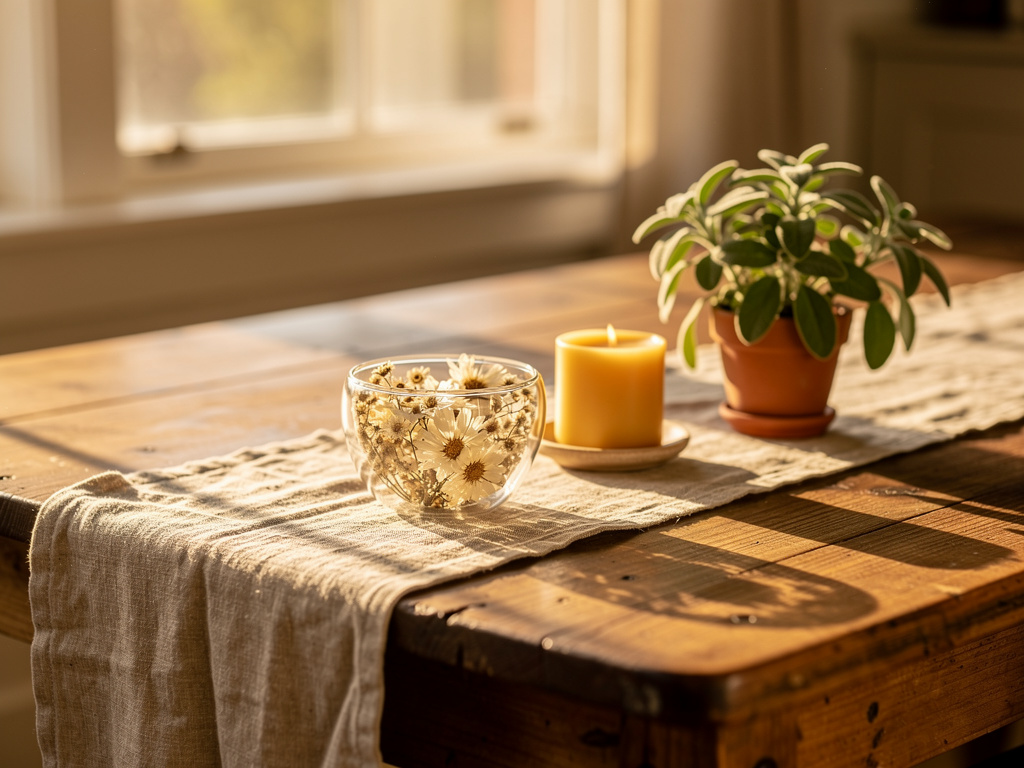
A real flower cup is a double-wall glass vessel containing actual dried or preserved botanical material sealed permanently in the air gap between its two glass layers — and you're looking at a product that takes skilled artisans up to 45 minutes per piece to construct by hand. The flowers never touch your drink. They exist in a hermetically sealed chamber, suspended between borosilicate glass walls, where they can remain vivid for three to five years with proper care. Most people buying these cups don't fully understand what they're getting — or whether what they ordered is the real thing at all.
---
What a Real Flower Cup Actually Is (Most People Get This Wrong)
Double-wall glass construction explained
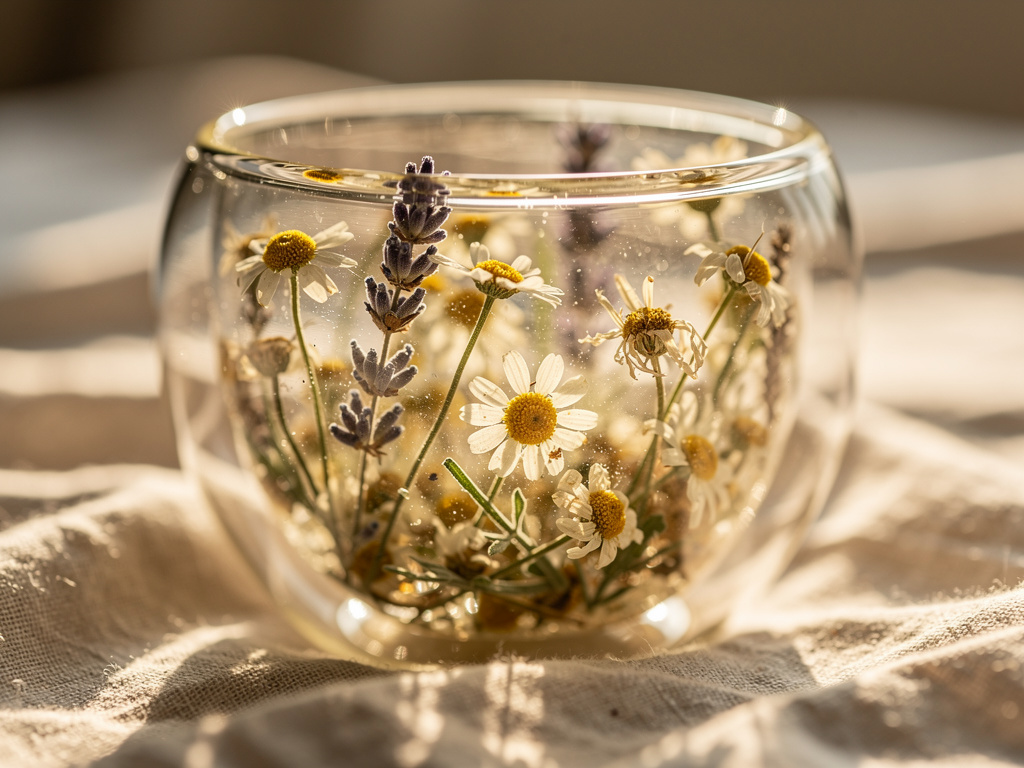
The defining feature of a genuine real flower cup is its double-wall borosilicate glass construction. Two concentric glass cylinders — one fitting inside the other — create a sealed air gap roughly 6–10mm wide. That gap is where the botanicals live. The inner wall holds your liquid. The outer wall faces the world. The space between them is closed off completely, protecting both the flowers from moisture and your drink from contamination.
Borosilicate glass is the standard material because it resists thermal shock. It withstands temperatures from -40°C to 300°C without cracking, which matters enormously when you're pouring hot tea into a cup whose structural integrity depends on two glass walls staying bonded together.
The difference between pressed, dried, and preserved flowers used inside
Not all botanicals inside these cups are prepared the same way. Pressed flowers are flattened under weight and are typically used in flat applications like frames or resin. Dried flowers retain their three-dimensional shape through air drying or silica gel methods. Preserved flowers have been treated with glycerin, which replaces moisture in the plant cells and keeps petals supple and vivid far longer than simple drying.
The preservation method used before a flower goes into your cup determines almost everything about its long-term appearance.
Why 'real flower' matters vs. printed or painted designs
Here's where the market gets genuinely misleading. Scores of listings on Amazon and AliExpress sell cups with printed floral patterns on the glass — or worse, resin-encased artificial petals — and label them "flower cups" without any clear disclosure. A real flower cup uses actual botanical material. Full stop. If a listing doesn't explicitly state the flowers are natural, dried, or preserved, assume they aren't.
Many resin flower cups are also mislabeled as real flower cups. The distinction matters for food safety, aesthetics, and longevity — all of which we'll cover in detail.
---
How Real Flower Cups Are Made: The Full Crafting Process
Step 1 — Drying and preserving the botanicals
Before any flower touches glass, it has to be prepared. Artisan makers who sell through Etsy or at craft markets typically use one of three methods: silica gel drying (fastest, best color retention), air drying (slowest, slightly more color degradation), or glycerin preservation (most expensive, best long-term flexibility and vibrancy).
Silica gel drying can preserve a rose in 48–72 hours while retaining close to its original hue. Air drying the same rose takes one to three weeks and often results in deeper, more muted tones. Glycerin preservation takes several days of submersion but produces botanicals that resist edge-browning for years. If you want to experiment yourself, our guide on how to dry and preserve flowers at home covers all three methods with material costs.
Step 2 — Arranging flowers in the inner wall cavity
This is the part that separates genuine artisan work from factory production. A skilled maker feeds individual petals, stems, and leaves through a small opening at the top of the inner glass wall before the outer layer is applied and sealed. The placement is done with fine tweezers or custom tools. It can take 20 to 30 minutes just to arrange a single cup's botanical layer.
Industrial versions — the kind you'll find at Walmart for $12 — use pre-formed botanical inserts stamped into shape and dropped in as a unit. They look fine in product photos. In person, the difference in detail is immediately obvious.
Step 3 — Sealing the double-wall chamber
Once the botanicals are positioned, the outer glass wall is fused to the inner wall, closing the chamber permanently. On high-quality cups, this seal is tight enough that no air or moisture can penetrate over years of normal use. On cheaper versions, the seal can begin to fail with repeated heat exposure — which is exactly why dishwashers are a death sentence for these cups.
Why handmade cups vary so widely in quality and price
The seal quality is everything. A cup that looks identical to another at point of purchase can develop internal condensation or mold within six months if the seal isn't done correctly. This is why handmade cups from experienced artisans — even at $65–$85 — often outlast mass-produced versions that cost a quarter of the price.
The crafting process alone explains the price gap. But glass type, botanical quality, and preservation method stack on top of that. Understanding the full process makes the next section — glass material comparison — much easier to evaluate.
---
Borosilicate vs. Regular Glass — Which Should You Choose?
Thermal resistance and why it protects your flowers
Borosilicate glass handles extreme temperature changes without the micro-fractures that eventually compromise a cup's seal. Regular soda-lime glass — the kind used in most inexpensive glassware — expands and contracts more dramatically with heat, stressing the bond between the two walls every time you pour in hot coffee or run the cup under cold water.
Over time, that stress cracks the seal. Once the seal is compromised, moisture enters the botanical chamber. The flowers mold or rot, and there is no repair.
Clarity differences and how they affect botanical visibility
Borosilicate glass contains higher silica content, which produces a clearer, less greenish tint than soda-lime glass. This matters visually: the botanicals inside a borosilicate cup appear more vivid, with truer colors and better contrast against the glass. If you've ever held a cheap flower cup and thought the flowers looked dull or slightly distorted, you were likely looking through soda-lime glass.
For a deeper dive on material differences, our borosilicate glass drinkware explained resource covers the chemistry in plain language.
Weight, durability, and dishwasher safety comparison
Regular glass is heavier. Borosilicate is lighter and more durable. Neither is dishwasher-safe in double-wall form — the heat and water pressure are too aggressive — but borosilicate will survive accidental dishwasher exposure better than soda-lime. Most premium real flower cups from brands like Anthropologie's artisan collaborations and the World Market botanica line specify borosilicate explicitly. If a listing is silent on glass type, that silence is informative.
---
Dried Flower Types Compared: Beauty, Longevity, and Color Retention
Roses and lavender — the most common choices
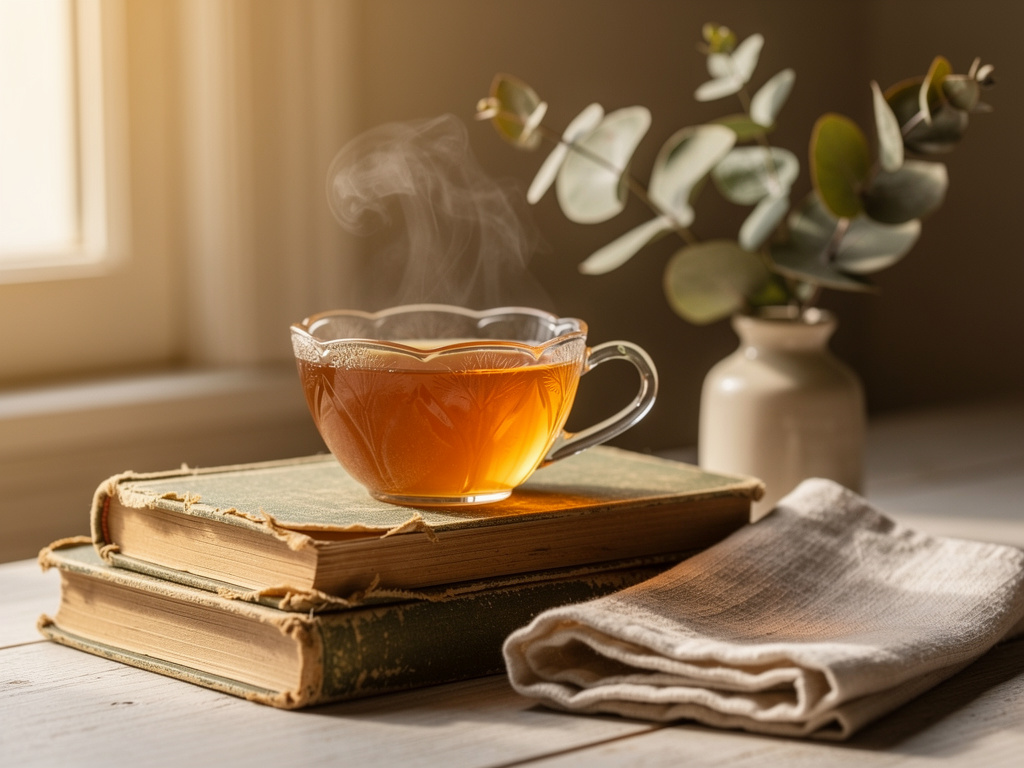
Roses are the most popular botanical choice for flower cups, but they're also one of the most demanding. Without glycerin preservation, rose petals begin browning at the edges within three to six months inside a sealed glass chamber. Lavender is far more forgiving — its low moisture content means it dries cleanly, holds its shape, and retains its purple-grey color for years without special treatment.
Wildflower and fern varieties for a naturalistic look
Dried ferns and ornamental grasses add structural contrast that lasts virtually indefinitely. They don't hold pigment the same way flowering botanicals do, but their form remains crisp for five or more years. Wildflower mixes — chamomile, baby's breath, statice — hit a middle ground: moderate color retention, excellent shape retention, and a naturalistic aesthetic that looks less "crafted" and more foraged.
Preserved vs. dried: which holds color longer inside glass
One honest fact most sellers omit entirely: UV light passing through glass accelerates botanical fading significantly. A cup sitting on a south-facing windowsill will show noticeable color degradation in six to twelve months regardless of how well the botanicals were preserved. Keep that in mind when deciding where to display your cup.
| Flower Type | Initial Color Vibrancy | 1-Year Color Retention | Fragrance Retention | Sourcing Difficulty | Price Tier | |---|---|---|---|---|---| | Glycerin-preserved rose | Very high | Good (70–80%) | Low | Moderate | High | | Air-dried rose | High | Fair (50–65%) | Very low | Easy | Low | | Dried lavender | Moderate | Very good (80–90%) | Moderate (6 mo.) | Easy | Low | | Dried chamomile | Moderate | Very good (85%) | Low | Easy | Low | | Dried fern/grass | Low (structural) | Excellent (95%+) | None | Easy | Low | | Pressed wildflower mix | Moderate | Fair (55–70%) | None | Easy | Low–Mid | | Glycerin-preserved magnolia | Very high | Good (75%) | None | Hard | High |
The type of flower you choose isn't just an aesthetic decision — it's a longevity decision. Understanding this table changes how you evaluate any cup before you buy it.
---
Caring for Your Real Flower Cup So It Actually Lasts
Hand wash only — why dishwashers destroy the seal
This is non-negotiable. Dishwasher heat cycles reach 60–75°C with high-pressure water jets, both of which attack the glass-to-glass bond repeatedly. Even one dishwasher cycle can introduce micro-fractures that won't become visible until weeks later when condensation starts appearing inside the wall.
Wash with warm water, mild dish soap, and a soft bottle brush on the interior only. Rinse. Air dry inverted.
Storage away from direct sunlight to prevent fading
I once watched a customer post a six-month comparison photo in a crafting forum — same cup, same flowers, one stored on a north-facing shelf, one on a windowsill. The windowsill cup had lost nearly half its original color saturation. The shelf cup looked almost new. The difference was purely UV exposure, not care routine.
Even indirect sunlight through a south-facing window carries enough UV to degrade dried botanicals over a season. Keep your cup somewhere you love looking at it, but not somewhere light punishes it.
What to do if condensation appears between the walls
Condensation or fogging between the walls means the seal has been compromised. Moisture is inside the botanical chamber. This is not fixable at home — the glass would need to be re-fused with kiln equipment. Once condensation appears, mold follows within weeks. The cup is not salvageable. This is worth knowing before you buy: it's not a manufacturing defect you caused; it's often a sign the seal quality was insufficient from the start.
Realistic lifespan expectations based on flower type
Well-maintained borosilicate flower cups with glycerin-preserved botanicals can hold their appearance for three to five years. Cups with air-dried flowers in regular glass, stored in moderate light, typically look their best for twelve to eighteen months before noticeable fading. Manage expectations accordingly, especially for gifts.
---
Making a Real Flower Cup at Home: What the Tutorials Don't Tell You
DIY resin flower tumblers vs. true double-wall glass (important distinction)
Nearly every viral DIY tutorial on TikTok or YouTube labeled "DIY flower cup" is actually teaching you to make a resin tumbler — not a double-wall glass cup. The process is completely different, the materials are different, and the safety considerations are different. Calling them the same thing is how beginner crafters end up confused or, worse, using an unsafe finished product.
The epoxy resin method: materials, safety, and realistic results
Resin tumblers are made by coating a blank tumbler in UV or two-part epoxy resin, embedding dried flowers, and curing the resin under UV light or at room temperature. You need resin, a mold or blank tumbler, dried flowers, mixing cups, gloves, and adequate ventilation. Results can be genuinely beautiful.
Contrarian take most blogs skip entirely: DIY resin flower cups are not food-safe unless you apply an FDA-compliant topcoat sealant rated for food contact over the cured resin. Standard craft resins — including popular brands sold at Hobby Lobby and Michaels — are not inherently food-safe once cured. Most tutorials don't mention this at all. If you're drinking from a resin tumbler you made at home without that sealant, you're taking a risk the tutorial host never disclosed.Why true double-wall glass sealing requires professional tools
Fusing two glass walls together requires a kiln reaching over 800°C and glassblowing or lampworking expertise. This is not a home project without serious equipment investment. If you want the genuine double-wall result, buy from an artisan.
Beginner-friendly workaround: pressed flower decoupage on the outside
The real beginner alternative is decoupage. Apply pressed flowers to the exterior of a plain glass using Mod Podge, seal with multiple coats, and you get a beautiful botanical effect without the safety or equipment concerns. Our pressed flower decoupage tutorial for beginners walks through the process with a full materials list.
---
Where Real Flower Cups Are Sold and How to Spot a Quality One
Etsy artisan makers vs. mass-market retailers
Etsy handmade listings for genuine double-wall real flower cups typically run $28–$85 depending on complexity, flower type, and customization. Mass-market versions at World Market or Walmart range from $12–$25, but most use regular soda-lime glass and artificial or printed botanicals rather than real preserved ones. AliExpress versions at $8–$15 are almost universally the latter — they look convincing in compressed product photos but arrive looking distinctly flat and artificial.
Red flags in product listings that signal low quality
Skip any listing that doesn't specify glass type. Skip listings where the flower arrangement photos look digitally enhanced or suspiciously perfect. Skip anything that describes flowers as "lifelike" rather than "real" or "preserved." Legitimate listings specify borosilicate, confirm the botanicals are natural, and often describe the sealing process or show workshop photos.
Price ranges and what they actually reflect
Price reflects glass quality, botanical preparation method, and seal craftsmanship. A $15 cup cutting all three corners will underperform a $55 cup that doesn't. That doesn't mean every expensive cup is excellent, but every genuinely excellent cup will cost more than $20.
Questions to ask a seller before buying
Ask: Are the flowers natural? What preservation method was used? Is the outer wall machine- or hand-sealed? What glass type is used? A seller who can answer all four confidently is selling a legitimate product. One who deflects or gives vague answers probably isn't.
---
Gifting a Real Flower Cup: Occasions, Pairings, and Presentation
Why real flower cups work as wedding, birthday, and sympathy gifts
Flowers carry meaning as a gift. A drinkable vessel carries utility. A real flower cup combines both into something that lasts years rather than days. That's a genuinely compelling gift logic, not marketing language.
For weddings, pressed flower varieties matching the ceremony palette can be custom-ordered from many Etsy sellers. For sympathy gifts, soft chamomile or white botanicals convey calm without feeling celebratory. For birthdays, the variety of color options makes personalization easy.
Pairing with loose-leaf teas and herbal blends for a themed gift set
A chamomile flower cup paired with a chamomile-mint loose-leaf blend is a coherent, thematic gift that costs under $40 total. Lavender cups pair naturally with lavender-earl grey or sleep blends. The botanical inside the cup echoes the botanical in the tea — it's a detail that lands. See our best loose-leaf teas to pair with floral mugs for specific blend recommendations.
For more inspiration, browse unique handmade gift ideas for tea lovers for complete set-building ideas.
Packaging ideas that protect the glass and elevate the unboxing
Double-wall glass is more fragile than it looks because the two layers can separate under impact. Single-wall cardboard boxes are not sufficient shipping protection. Double-box the cup with an inner foam or tissue nest cradling the glass, then place that box inside a larger outer box with fill material. For gifting, a kraft paper nest inside a rigid gift box with a ribbon closure protects the cup and improves the unboxing experience simultaneously. Many Etsy sellers offer this packaging upgrade for $3–$7, and it's worth requesting explicitly when ordering.
---
Frequently Asked Questions
Are the flowers inside a real flower cup actually real, or are they artificial?
In a genuine real flower cup, the botanicals are actual dried or preserved plant material — real flowers, ferns, or grasses that have been prepared through air drying, silica gel drying, or glycerin preservation before being sealed inside the double-wall glass. However, many cups sold online — particularly on Amazon and AliExpress — use artificial botanicals or printed designs and label themselves "flower cups" without clear disclosure. Always check the listing for explicit confirmation that the botanicals are natural. If the listing says "lifelike" instead of "real" or "preserved," that's a red flag.
Can I put a real flower cup in the dishwasher?
No. Dishwashers operate at 60–75°C with high-pressure water jets, both of which stress the glass-to-glass seal that keeps the botanical chamber intact. Even a single dishwasher cycle can introduce micro-fractures in the seal that lead to condensation, moisture infiltration, and eventually mold inside the botanical chamber. Hand wash only, using warm water, mild soap, and a soft interior brush. This applies to both borosilicate and regular glass versions, though borosilicate is marginally more resilient to accidental heat exposure.
How long do the flowers inside a double-wall glass cup last before fading?
Lifespan depends on three factors: botanical type, preservation method, and UV exposure. Glycerin-preserved botanicals in borosilicate cups stored away from direct sunlight can maintain their appearance for three to five years. Air-dried flowers in regular glass, stored in moderate ambient light, typically look best for twelve to eighteen months. UV exposure through glass is the single biggest accelerant of fading — even indirect south-facing light degrades dried botanicals noticeably within six to twelve months. Lavender and chamomile retain color longest; roses are most vulnerable to edge-browning without glycerin treatment.
Is it safe to drink hot liquid from a real flower cup — do chemicals leach from the flowers?
Yes, it is safe. The dried or preserved botanicals inside a genuine double-wall glass cup are completely sealed in the air gap between the walls and never come into contact with the liquid in the inner vessel. Your drink only touches the borosilicate glass inner wall. There is no chemical transfer pathway between the botanical chamber and the drinking surface. The concern about leaching applies to resin tumblers with embedded flowers — a different product — where inadequate sealing can allow contact between cured resin and the drink.
Can I make a real flower cup at home, and what materials do I need?
You cannot make a true double-wall glass flower cup at home without kiln equipment and glassworking skills — fusing two glass walls requires temperatures exceeding 800°C. What most DIY tutorials teach is a resin tumbler, which uses UV or two-part epoxy resin, a blank tumbler, dried flowers, mixing tools, gloves, and proper ventilation. Results can be attractive, but be aware: most craft resins are not food-safe without an FDA-compliant topcoat sealant. A safer beginner project is pressed flower decoupage on the exterior of a plain glass, using Mod Podge as both adhesive and sealant — no food safety concerns, no specialized equipment.
Why is there condensation or fogging between the walls of my flower cup?
Condensation or fogging inside the sealed botanical chamber means the glass-to-glass seal has been compromised. Moisture is infiltrating the space that should be airtight. This is almost always caused by dishwasher use, repeated thermal shock, or a poor-quality original seal. Once moisture enters, mold on the botanicals follows within weeks. There is no home repair for this — re-fusing the walls requires kiln equipment. The cup is effectively at end of life once internal condensation appears. This is why seal quality at purchase is critical, and why buying from verified artisan makers rather than mass-market importers matters.
What is the difference between a real flower cup and a resin flower tumbler?
A real flower cup uses actual preserved botanicals sealed inside a double-wall borosilicate glass chamber. The flowers are never in contact with the liquid. A resin flower tumbler is made by embedding dried flowers in epoxy or UV resin coating applied to the outside or body of a tumbler — often acrylic or stainless steel, not glass. Resin tumblers are more DIY-accessible and less expensive to produce, but most craft resins are not food-safe without additional FDA-compliant sealing. The two products look superficially similar in compressed product images but are materially, structurally, and safety-wise distinct.
How much should a genuine real flower double-wall glass cup cost?
Expect to pay $28–$85 for a genuine handmade real flower cup from an Etsy artisan using borosilicate glass and real preserved botanicals. Mass-market versions from retailers like World Market run $18–$30 but typically use lower-grade glass and less detailed botanical work. Anything under $15 — particularly from AliExpress or unverified Amazon sellers — almost certainly uses artificial botanicals or printed designs rather than real flowers. Price reflects glass quality, botanical preparation, and the labor-intensive hand-placement and sealing process. Customization options like specific flower types or base engraving typically add $5–$15 to artisan orders.


