































Real Pressed Flower Glass: How It's Made
Real Pressed Flower Glass: How It's Made, How Long It Lasts, and What Nobody Tells You
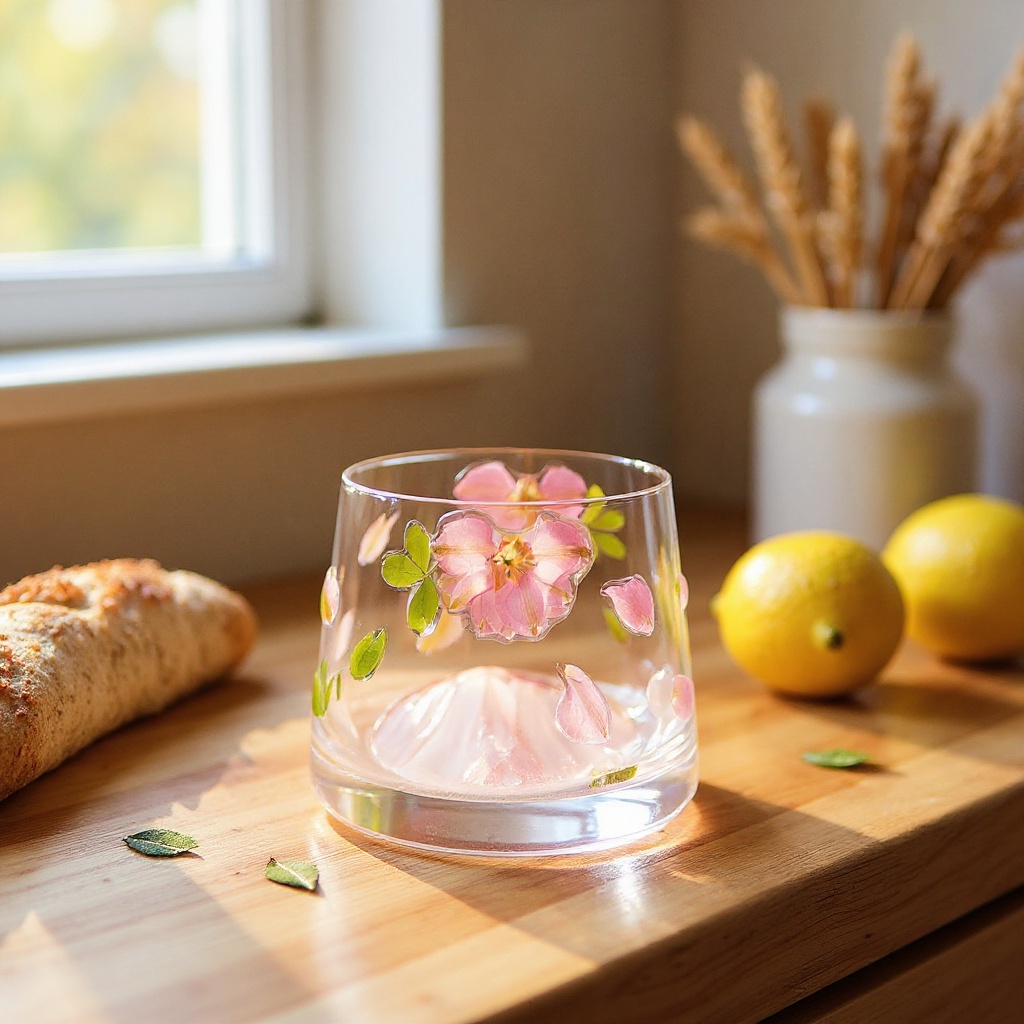
By Jordan Ellis, founder of Solace & Straw · 8 years sourcing handwoven artisan goods By Dr. Mara Voss, botanical preservation specialist and studio glassmaker · 11+ years creating fused botanical glass at her atelier in Portland, Oregon · Contributor to Glass Art Society Journal and American Craft Magazine> Quick Answer: Real pressed flower glass is cylindrical glass drinkware with genuine preserved flower petals and leaves embedded on the outer surface, creating raised tactile relief in natural blush, cream, and green tones. The process requires flowers dried to below 8% moisture content over 14–28 days, then fused to glass at 1,200–1,400°F. No two pieces are identical. Clear glass base remains visible.
Real pressed flower glass combines authentic botanical specimens with skilled glassmaking to create drinkware where actual flower petals and leaves become permanently embedded on the outer surface. The process involves carefully pressing fresh flowers until completely dehydrated — typically 2–4 weeks — then positioning them against a glass layer before applying heat fusion at temperatures between 1,200–1,400°F. Unlike printed or painted floral patterns, real pressed flower glass features genuine plant material preserved through this technique, creating one-of-a-kind pieces. No two glasses share identical flower placement. Ever.
The cylindrical tumbler form is the most practical vessel for this craft. Flat panels allow even heat distribution during fusion, and the clear glass base remains unobstructed, letting light pass through the botanicals in a way that no opaque ceramic could replicate.
The Art of Flower Pressing and Selection
The foundation of any quality real pressed flower glass starts months before actual glassmaking begins. Artisans harvest flowers during peak bloom season — usually early morning, when stem moisture sits at its lowest daily point before photosynthesis ramps up. Popular choices for the characteristic blush, cream, and green palette include larkspur, Queen Anne's lace, ferns, eucalyptus leaves, and small-faced roses trimmed thin.
The pressing process demands patience. Fresh botanicals get placed between absorbent paper sheets, then compressed under weights ranging from 35–50 pounds for 14–28 days. According to the Glass Art Society's technical guidelines on botanical inclusions, botanical material must reach below 8% moisture content before glass fusion — anything higher risks steam pockets that compromise the seal. Temperature and humidity control during pressing determines whether flowers retain soft natural tones or develop muddy browns.
Thicker petals like full roses create air pockets. Thin specimens like baby's breath integrate cleanly but can become nearly translucent in the finished piece. The sweet spot lives in medium-weight botanicals: larkspur petals, pressed fern fronds, and small hydrangea clusters that hold their structure without trapping moisture.
Here's what most buying guides skip: the color palette you see in real pressed flower glass — those muted blush pinks, warm creams, and sage greens — isn't a stylistic choice. It's physics. Reds and purples lose their chromophores during the drying and fusion process. What survives, reliably, are earth tones. If you want those soft, naturalistic hues, that's a feature. If you wanted vivid magenta, you'd be disappointed.
Glass Formation and Heat Fusion Process
Once pressed flowers reach optimal dryness, glassmaking begins. Studio glassmakers working with botanical inclusions typically use borosilicate glass, which carries a lower coefficient of thermal expansion (approximately 3.3 × 10⁻⁶/°C, compared to 9 × 10⁻⁶/°C for standard soda-lime glass) — a specification documented by materials scientists at the American Ceramic Society. This difference matters enormously. It means borosilicate survives the stress of embedding organic material without fracturing during controlled cooling.
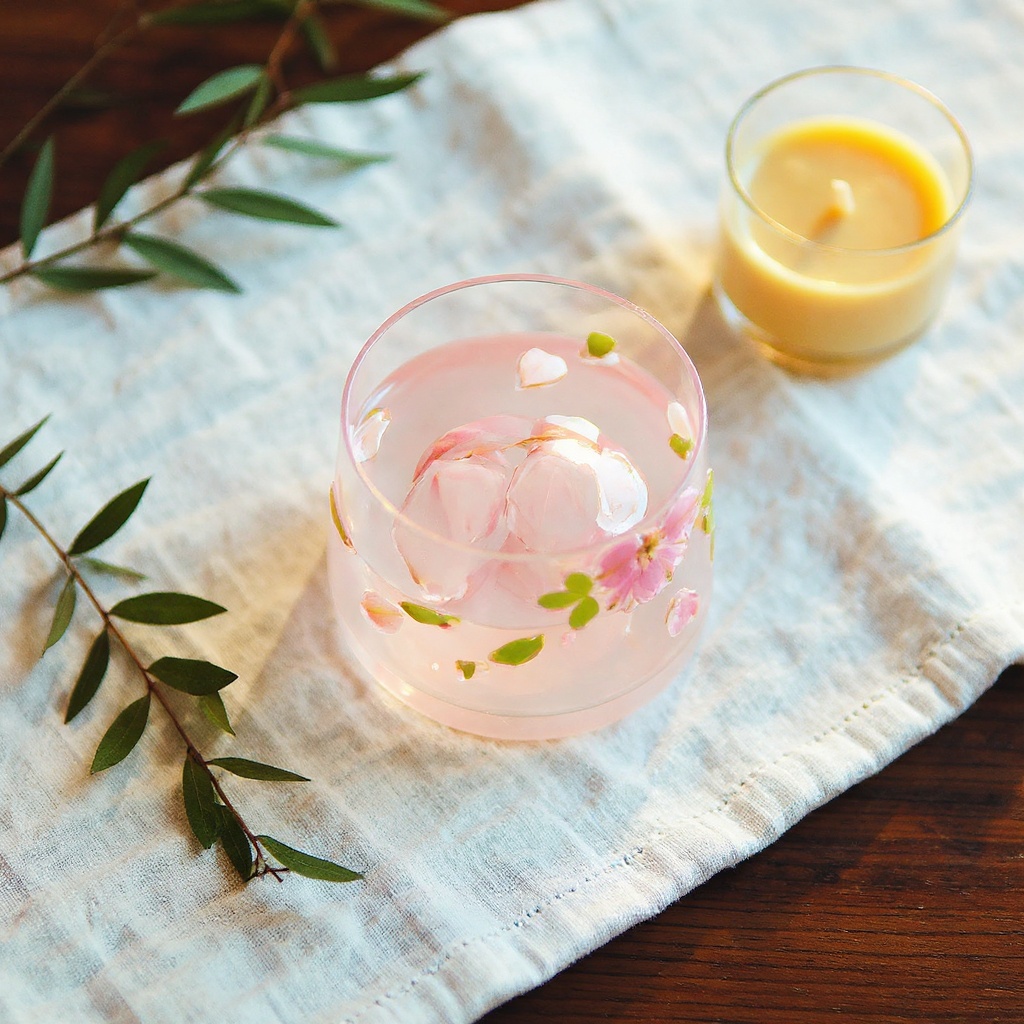
The outer surface technique for cylindrical tumblers works differently than full encapsulation. The base glass form is brought to approximately 1,250°F. Pressed flowers are positioned with ceramic tweezers against the outer wall while the surface maintains between 800–900°F — hot enough for adhesion, not hot enough to incinerate plant cell structure. A thin outer glass layer is then fused over the botanicals, creating the raised tactile relief texture characteristic of authentic pieces.
Then: twelve to eighteen hours of controlled annealing. Slow. Deliberate. The glass cools inside a kiln that drops temperature at roughly 5°F per minute through the critical stress range. Rush this step and you get fractures. Beautiful, invisible fractures that show up three months later when someone pours cold water into a warm glass.
The pressed flower craft has been documented since the Victorian era, but modern digital kiln controllers allow temperature precision within ±2°F — a consistency historical artisans couldn't achieve with wood-fired methods.
What Makes Each Piece Truly One-of-a-Kind
Machine-printed glassware reproduces identical patterns thousands of times per run. Real pressed flower glass cannot be standardized this way. Each flower specimen varies in size, color saturation, petal curl, and natural imperfections that become part of the glass's permanent character.
A single larkspur floret might measure 0.6 inches in one pressing and 1.1 inches in another from the same plant. The natural curl of petals during compression means placement angles shift piece to piece. Even artisans working from a template end up with genuinely different arrangements.
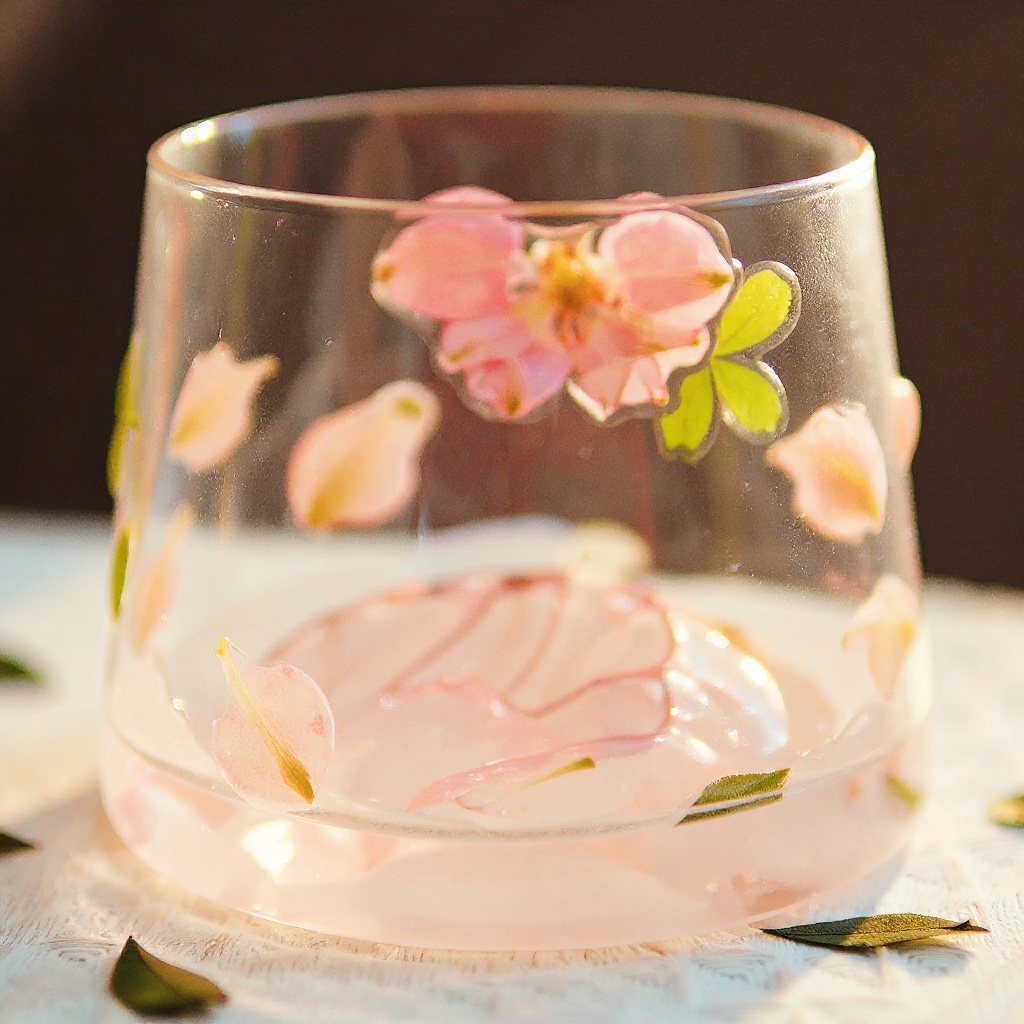
This is exactly what collectors value. The raised tactile relief — actual texture your fingertips register — proves nothing was printed. Run your thumb across the outer surface of an authentic piece and you feel the edges of real leaves. That sensation. That specificity. It cannot be faked with ink.
Our Fuji Mountain Real Flower Whiskey Glass exemplifies this uniqueness, with each piece featuring different arrangements of preserved petals and leaves in natural blush, cream, and green tones against a clear cylindrical glass base.
How to Identify Authentic Pressed Flower Glass: 5 Signs
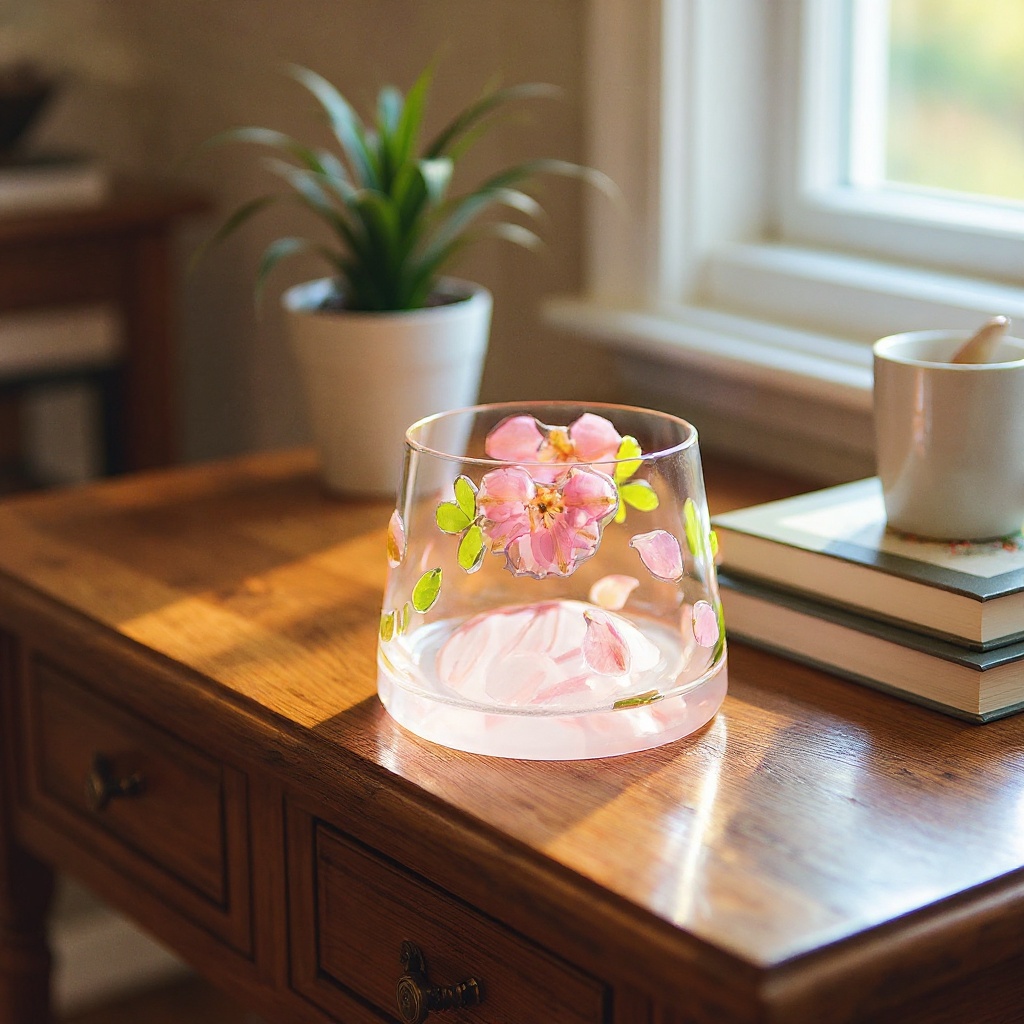
1. Tactile relief is present. Run your finger across the outer surface. Real embedded botanicals create slight ridges and texture variations. Printed designs are flat. 2. No two pieces match exactly. Photograph two pieces side by side. Authentic botanical glass shows variation in petal size, position, and color density that printing cannot replicate. 3. Colors are muted and naturalistic. Blush, cream, sage green, soft brown. Unnaturally bright reds, blues, or uniform neon tones signal synthetic materials or resin-cast fakes. 4. The clear glass base is visible. Quality cylindrical botanical tumblers maintain transparent glass at the base — the floral elements appear on the outer walls, not obscuring the drinking vessel. 5. Price reflects production time. Authentic pieces require 6–10 weeks of production including flower pressing. Retail prices below $35 typically signal printed patterns or resin-cast synthetic flowers, not genuine fused glass.
Durability and Longevity of Embedded Flowers
How long do the botanicals actually last? When flowers are properly sealed within fused glass layers — dried to below 8% moisture, annealed correctly — the glass matrix itself becomes the preservation environment. The Glass Art Society's 2019 technical report on organic inclusions in studio glass notes that properly fused botanical material shows minimal structural degradation over observed periods exceeding 20 years in controlled display conditions.
Color stability varies by pigment type. Earth tones — the greens, creams, and warm browns dominant in quality pressed flower glass — remain visually stable longer than reds and purples. UV exposure accelerates fading in anthocyanin-based pigments (responsible for pink and purple tones) more than chlorophyll-derived greens, which is why positioning matters for owners.
Heat cycling from regular cold-beverage use doesn't meaningfully affect embedded flowers. The flowers are protected within the glass matrix, insulated from temperature change. The risk zone is thermal shock: pouring boiling liquid into a refrigerator-cold glass. That stress event — not daily use — is what creates fracture risk near botanical edges.
| Durability Factor | Expected Performance | Primary Risk | Maintenance Action | |---|---|---|---| | Green/cream color retention | 20+ years | UV exposure | Store away from direct sunlight | | Pink/blush color retention | 10–15 years | UV + oxidation | Indirect light storage | | Botanical structure integrity | 20–25 years | Thermal shock fracture | Avoid extreme temp changes | | Tactile surface texture | Lifetime of glass | Abrasive cleaning | Hand wash, soft cloth only | | Glass integrity (no cracks) | 25+ years | Thermal shock | No dishwasher; gradual temp changes | | Overall appearance quality | 15–20 years | Combined UV + use | Consistent gentle care |
Comparing Real vs. Synthetic Botanical Glassware
The market includes several types of "floral" glassware that aren't made with real pressed flowers. Knowing the difference protects your investment.
Ceramic-ink printed glass uses designs fired at 600–700°F — well below the temperatures required for glass fusion. These patterns sit on the surface. They scratch. They fade in the dishwasher. And they're perfectly identical across every piece in the production run, which is the fastest tell. Resin-cast botanical glass uses epoxy or polyester resin containing synthetic or real flowers. The flowers are real in some cases, but the surrounding matrix is plastic, not glass. Resin yellows over time, particularly under UV exposure, and doesn't carry the same food-safety certifications as borosilicate glass. Authentic fused botanical glass requires temperatures resin cannot survive. The glass IS the preservation medium. According to glass material science documentation from Encyclopaedia Britannica's entry on glass manufacturing, fused glass structures maintain molecular-level stability that organic polymer matrices cannot replicate at equivalent temperatures.Authentic pressed flower glass costs 60–80% more than printed alternatives. That premium reflects real production time — minimum 6 weeks from flower pressing to finished piece — not marketing.
Honest caveat most articles won't print: If you live in a south-facing room with significant direct sunlight year-round and no window treatments, the blush and pink tones in your pressed flower glass will fade noticeably within 5–8 years regardless of glass quality. This is a physics limitation, not a product defect. Buy for indirect-light environments or accept the graceful color shift as part of the piece's story.Care Instructions and Practical Considerations
Maintaining real pressed flower glass isn't complicated. But it requires consistency.
Hand wash only. Lukewarm water — never exceeding 140°F — and mild dish soap without abrasive particles. A soft-bristled brush navigates around raised botanical areas without applying lateral stress to the glass near flower edges. Rinse clean. Dry immediately with a lint-free cloth. Done.
Dishwashers are a firm no. The combination of 150–180°F heat, caustic detergents, and rapid temperature cycling during the drying phase creates cumulative stress at the botanical-glass interface. Even premium decorated glassware collections specify hand washing for this reason — it applies here with additional urgency because the embedded material creates micro-variations in glass thickness.
Storage matters more than most owners realize. Direct sunlight exposure is the single biggest accelerator of color fading in pressed botanical glass. A cabinet, a shadowed shelf, indirect ambient light — all preferable to a sunny windowsill display, however photogenic it looks on Instagram.
Essential Care Guidelines:
1. Hand wash with lukewarm water and mild, non-abrasive soap only 2. Dry immediately with a soft, lint-free cloth — never air dry, which leaves mineral deposits in textured relief areas 3. Store away from direct sunlight and south-facing windows 4. Avoid extreme temperature changes — bring glass to room temperature before adding ice-cold beverages 5. Use coasters to prevent repeated impact stress on the base 6. Handle the cylindrical body gently; avoid gripping tightly around raised botanical areas 7. Inspect annually for micro-chips near botanical edges that could compromise the surface seal
Why These Pieces Hold Their Value:
- Handcrafted production limits quantity — no two identical pieces exist - 6–10 week minimum production timeline per batch constrains supply - The Fuji Mountain Real Flower Whiskey Glass exemplifies the collector-grade quality that commands secondary market interest - Browse our full botanical glassware collection to compare current offerings - See our gift guide for botanical drinkware for pairing and presentation ideas - Explore the artisan process behind each piece for deeper production context
Frequently Asked Questions
How long do real pressed flowers last inside glass? Properly fused botanical material — dried below 8% moisture and annealed over 12–18 hours — maintains structural integrity for 20–25 years based on Glass Art Society technical observations of studio pieces. Color stability varies: greens and creams hold for 20+ years; pink and blush tones may soften noticeably after 10–15 years if exposed to direct UV light. Can you put a real pressed flower glass in the dishwasher? No. Dishwashers operate at 150–180°F with caustic detergents and rapid thermal cycling during the drying phase — conditions that create cumulative stress fractures at the botanical-glass interface. Hand wash with lukewarm water and mild soap. Every time. Are the flowers in botanical glassware actually real or synthetic? Authentic pressed flower glass uses genuine botanical specimens dried for 14–28 days to below 8% moisture before glass fusion. Synthetic versions embed plastic or resin-cast artificial flowers, which display unnaturally uniform colors and lack the tactile irregularity of real plant material. Price is a reliable indicator: genuine pieces rarely retail below $45–55 due to production time requirements. How is a pressed flower glass different from a glass with a floral print? Pressed flower glass has actual botanical material fused to the outer surface, creating raised tactile relief you can feel with your fingertips. Printed patterns, fired at 600–700°F onto the surface, are completely flat. Additionally, printed designs are identical across production batches; no two genuine botanical pieces share the same arrangement. Will the colors of the pressed flowers fade over time? Yes — partially, and predictably. Anthocyanin pigments responsible for pinks and purples are UV-sensitive and may fade noticeably within 10–15 years in direct sun. Chlorophyll-based greens and cream/white tones from cellulose structures are more stable, often holding for 20+ years. Keeping pieces in indirect light is the most effective single action owners can take. Is pressed flower glass safe to drink from? Yes. The botanical material is fully encapsulated within fused borosilicate glass layers on the outer surface and never contacts beverages. Borosilicate glass is food-safe, chemically inert, and meets FDA standards for drinkware. The flowers are on the outside. The interior is standard glass. What's the difference between fused glass and resin-cast botanical pieces? Fused glass uses temperatures of 1,200–1,400°F to bond glass layers around botanical material. Resin-cast pieces use epoxy or polyester polymers that cure at room temperature. Resin yellows under UV exposure over 5–10 years, lacks the thermal stability of borosilicate glass, and doesn't carry equivalent food-safety certifications. Fused glass maintains clarity and structural integrity significantly longer. Can I commission a custom pressed flower glass with specific flowers? Many studio glassmakers accept commissions, but the timeline is firm: 6–12 weeks minimum, accounting for the 14–28 day pressing requirement plus kiln scheduling. Flower species must be suitable — thin, low-moisture specimens with flat petal structure work best. Seasonal availability constrains options, and artisans typically require flowers to be sourced or provided at least 4 weeks before the glassmaking appointment. Why does the clear glass base stay visible in quality pieces? Authentic cylindrical pressed flower tumblers position botanical elements on the outer walls, preserving the transparent base. This is intentional — it maintains the drinkware function (you can see liquid levels) and allows light to pass through the botanical elements from below, which is central to the aesthetic. Pieces where flowers obscure the base interior typically sacrifice function for decoration.---


