































What Is 3D Botanical Relief Glass? A Beginner's Guide
Glass Cup with 3D Botanical Relief: A Beginner's Guide
By pampasroom, founder of Pampasroom · 6+ years hand-pressing flowers and embedding them into clear glass alongside a small studio team · Featured in Cottagecore Weekly and The Artisan HomeA glass cup with 3D botanical relief is exactly what it sounds like: real dried flowers and leaves, pressed flat, then built up on the outer surface of clear glass until you can feel the shape of every petal under your thumb. Not printed. Not painted. If you're new to this style of drinkware, this guide covers how a glass cup with 3D botanical relief is actually made, how to tell a real one from an imitation, and whether it's worth the price tag.
Each glass cup with 3D botanical relief is one of a kind, since no two pressed flowers dry into exactly the same shape, size, or color. That's the whole point.
How a Glass Cup with 3D Botanical Relief Is Made
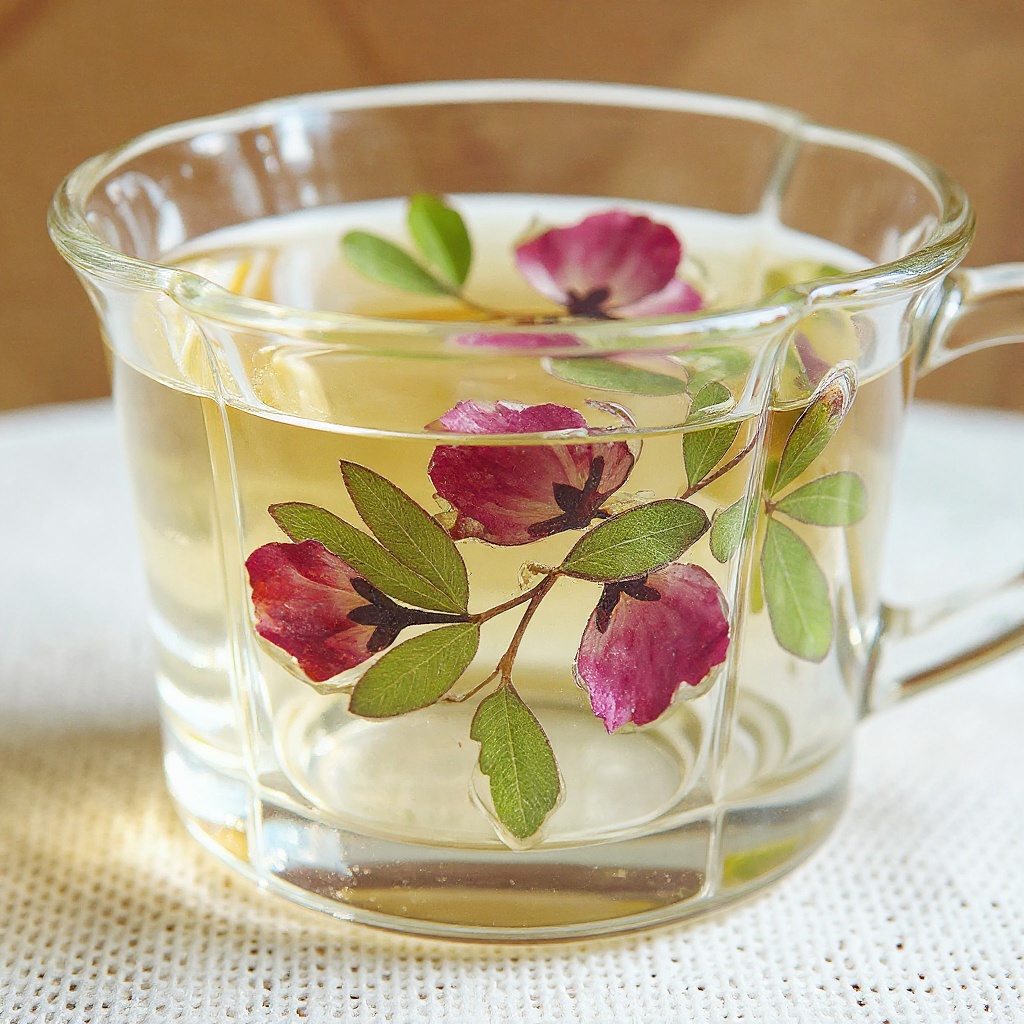
Fresh flowers get pressed and dried first — violets in about five to seven days, thick rose petals in up to three weeks. Once they're bone-dry, an artisan lays each petal directly onto the glass by hand. No shortcuts here. Every glass cup with 3D botanical relief starts life as a flat flower and ends up as a tiny raised sculpture you can run your fingers across.
The relief itself comes from the flower's own thickness, not from anything added on top. Petals typically add 1-3mm of height. Stems and leaf veins can push past 5mm in the right spots. That's part of the glass surface now, not decoration sitting on it, and it gets sealed under multiple coats of food-safe resin.
Drying times swing depending on petal thickness, studio humidity, and honestly, a bit of luck. A batch of violets might be ready in five days. A rose can take three weeks and still crack if the artisan rushes it. Worth the wait, most of the time.
Real Pressed Flowers vs. Printed Floral Designs
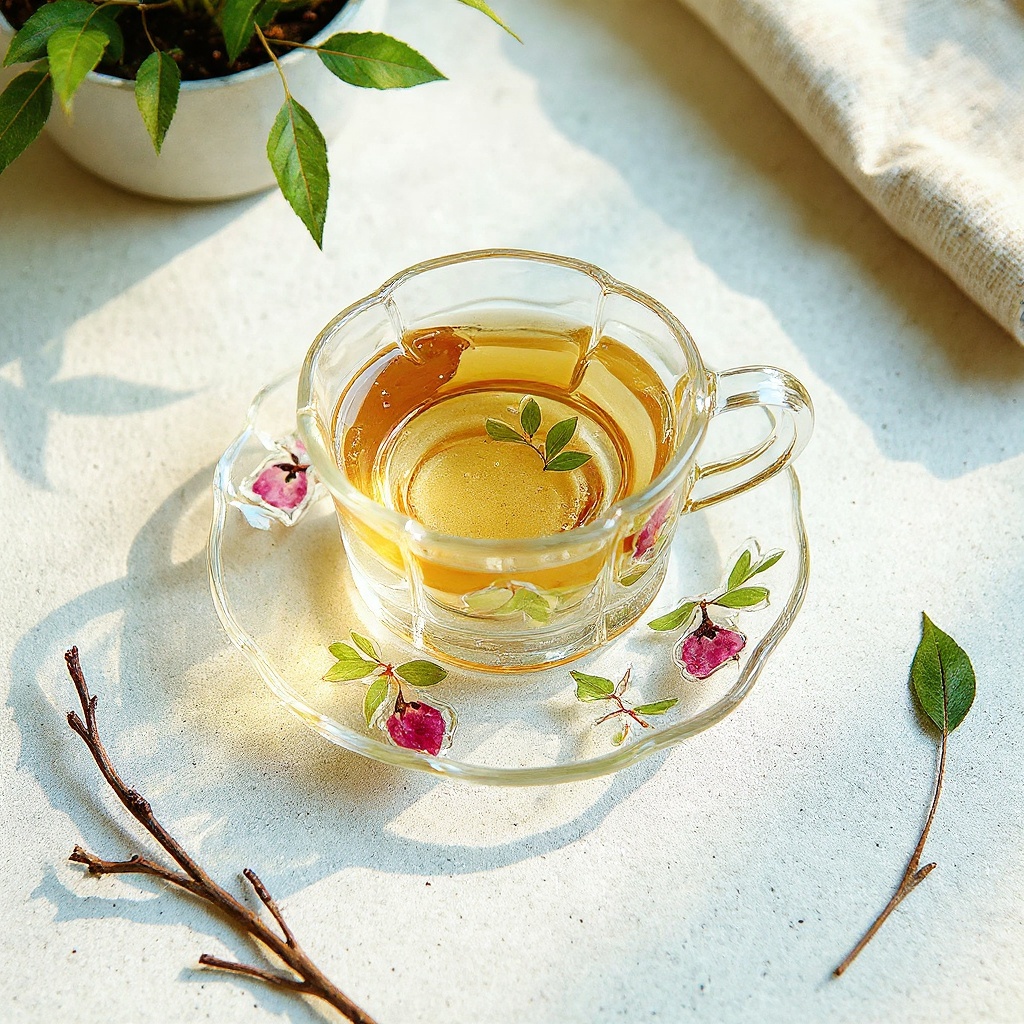
The difference between an authentic glass cup with 3D botanical relief and a mass-produced imitation is obvious the second you hold both. Real pressed flower craft creates genuine texture variation, natural color gradients, and visible details like leaf veins and torn petal edges. Printed cups look fine in photos. They feel like nothing in your hand.
| Feature | Real Botanical Relief | Printed/Decal Designs |
|---|---|---|
| Texture | 3D raised surface you can feel | Completely flat |
| Uniqueness | Every piece different | Identical mass production |
| Durability | Embedded permanently | Can peel or fade |
| Price Range | $80-$200+ | $15-$60 |
| Production Time | Days to weeks per piece | Minutes in factory |
| Care Requirements | Hand wash only | Often dishwasher safe |
Authentic pieces show small imperfections — a curved petal edge, a slightly darker patch on one side of a flower, a tiny air bubble trapped during preservation. Collectors like these flaws. They're proof nobody stamped this out of a mold.
Comparing Care Across Botanical and Floral Drinkware
Not every "botanical" cup on the market is built the same way, and care requirements shift depending on what's actually on the glass.
| Material Type | Hand Wash Only? | Heat Tolerance | Fade Risk | Typical Lifespan |
|---|---|---|---|---|
| Clear glass, 3D botanical relief | Yes | Up to 160°F | Moderate (UV over years) | 5-10 years with care |
| Resin-coated ceramic with dried petals | Yes | Up to 200°F | Low | 8-15 years |
| Printed decal glass | Usually dishwasher-safe | 300°F+ | High, decal fades fast | 2-4 years |
| Hand-painted floral ceramic mug | Often dishwasher-safe | 300°F+ | Moderate, paint chips | 3-6 years |
| Pressed flower resin coasters | Yes | N/A, display only | Low-moderate | 10+ years |
The Cottagecore Connection
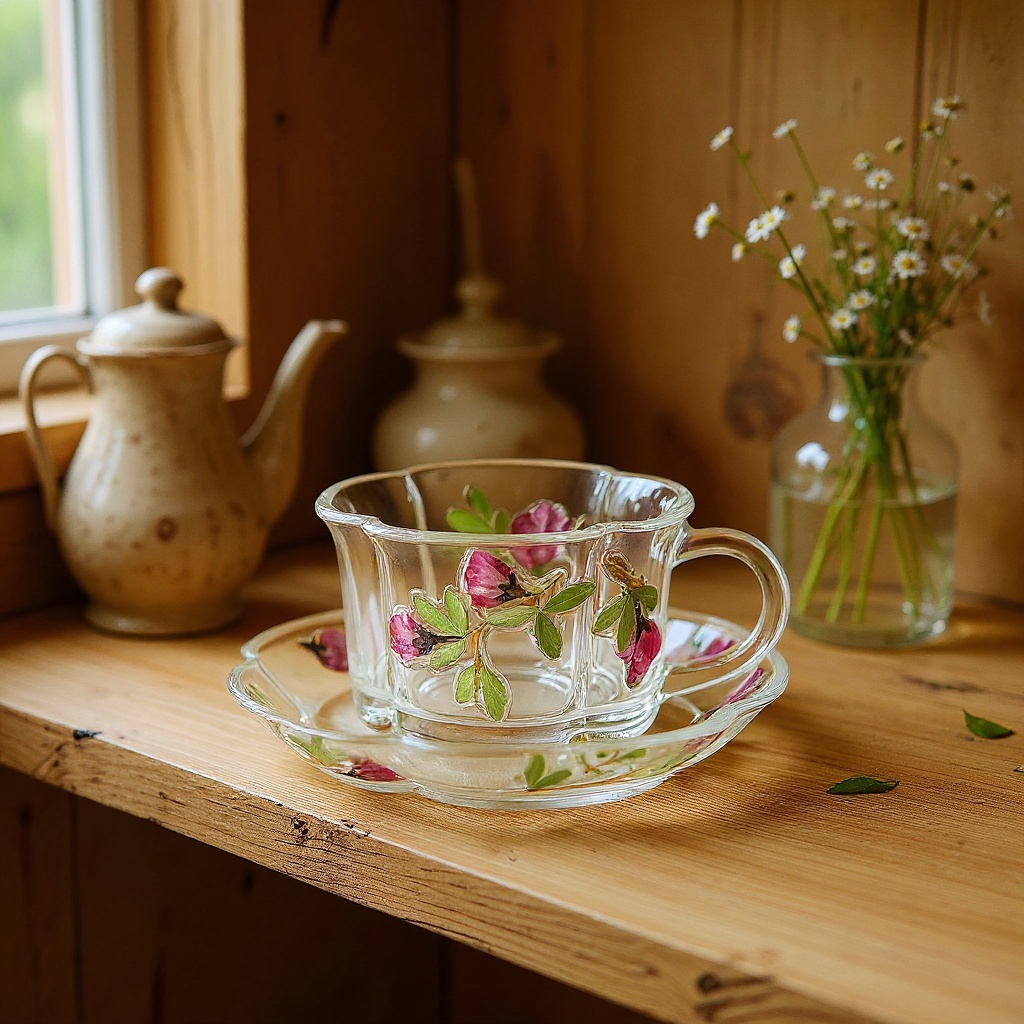
Botanical glassware has become shorthand for the cottagecore aesthetic — rustic, nature-leaning, a little romantic. A 200ml glass cup with 3D botanical relief fits that mood without trying too hard. It's functional for your morning tea. It also just sits there looking like something out of a storybook kitchen.
For readers building out a full tea corner, our guide to styling a linen tablecloth for tea time and our cottagecore tea ritual guide go deeper into pairing pieces like this with fresh-cut botanicals and natural light. Search interest in pressed-flower home goods has climbed steadily on platforms like Pinterest and Etsy over the past few years, though exact figures vary by report and season, so treat any single number with a healthy dose of skepticism.
Our Handmade Glass Cup & Saucer Set | Real Pressed Flowers | Cottagecore Tea Gift is built around this exact idea — a clear glass teacup and matching saucer with real dried petals and leaves embedded in raised relief, styled the way you'd actually use it: linen underneath, fresh botanicals nearby, soft window light. Available in purple, yellow, and blue.
Caring for Your Glass Cup with 3D Botanical Relief
Hand wash it. That's step one, and it's non-negotiable. Dishwashers hit embedded flowers with heat and detergent that the protective coating wasn't built to survive.
A quick routine that's kept our own studio samples intact:
1. Rinse with lukewarm water immediately after use — never hot, never boiling runoff. 2. Wipe with a soft cloth or sponge, no abrasive scrubbers, ever. 3. Skip soaking. A few minutes submerged is fine; an hour in the sink is not. 4. Air dry upright on a towel rather than toweling it dry by hand. 5. Store away from direct sun. A shelf near a bright south-facing window will fade petals within a season or two. 6. Check the seal once a year by running a fingernail gently along the edge of the relief.
Drying takes patience. Let pieces sit rather than rubbing a towel over raised petal edges, which can snag. Store them out of direct sunlight, since UV exposure fades natural pigment over months and years — that's normal, not a defect.
Temperature matters too. These cups handle warm tea or coffee up to about 160°F (71°C) fine. Skip boiling liquids straight from the kettle; the adhesive bond wasn't designed for that kind of thermal shock.
Pricing and Value Considerations
A real glass cup with 3D botanical relief costs more than a printed mug because the labor is genuinely different — days of pressing, hours of hand placement, multiple cure cycles for the coating. Mid-range sets run $80-$200. Luxury collector pieces can clear $300.
Seven things move the price:
1. Botanical complexity - single-flower designs cost less than multi-species arrangements 2. Glass quality - thin, delicate glass demands more skill than thick, forgiving glass 3. Production time - pieces needing 2+ weeks of pressing command higher prices 4. Artist reputation - established makers with a following charge more, fairly or not 5. Set completeness - matching saucers or gift boxes add real value 6. Color availability - true blues and deep purples are rarer and pricier 7. Size and capacity - larger 300ml+ cups use more material and time than a standard 200ml
Before buying, run through this shortlist:
1. Check product photos for actual raised texture, not just flat close-ups. 2. Ask how long the flowers were pressed before use. 3. Confirm hand-wash-only care is stated somewhere on the listing. 4. Look for slight asymmetry between petals — too-perfect symmetry usually means printed. 5. Verify glass thickness matches the botanical density; thin glass loaded with heavy stems is a fragility risk. 6. Ask for a close-up of the underside seal if it isn't already pictured.
A $150 handmade set next to a $25 mug looks like a bad deal. Until you remember one is also a piece of art you'll photograph for years.
Common Concerns and Misconceptions
People assume a glass cup with 3D botanical relief is too delicate for daily use. Not always. The embedded flowers create thicker sections in the glass that resist chipping better than you'd expect. Still — handle it like the handmade object it is, not like camping gear.
Another myth: the flowers will eventually fall off. Quality pieces use adhesives and coatings meant to last decades. The real threat is UV fading or a bad run through the dishwasher, not the petals detaching on their own.
Honestly, though — if you live somewhere consistently humid, like coastal Florida or a Southeast Asian rainy season, think twice. Trapped moisture under the coating over years can cloud the resin faster than most sellers will tell you upfront. It's not a dealbreaker. It's just a real limitation nobody puts in the product description.
Some sellers stretch the word "handmade" to cover machine-pressed flowers with a human gluing them on afterward. True craftsmanship means the flowers were hand-pressed, individually placed, and coated in multiple thin layers rather than one thick pour. You can usually tell the difference by looking closely at how evenly the petals sit.
FAQ: Glass Cup with 3D Botanical Relief
Is a glass cup with 3D botanical relief dishwasher safe?
No. Hand wash only, with lukewarm water and a mild dish soap. Dishwasher heat and detergent will degrade the protective coating over time.
How do artisans get real flowers to stay on glass permanently?
Flowers are dried completely, positioned by hand, then sealed with food-safe adhesive and several thin coats of protective resin. Done properly, the bond holds for years.
Will pressed flowers inside glass fade or discolor over time?
Yes. Any natural pigment fades under UV light eventually. Keep pieces out of direct sun and the color holds noticeably longer.
What's the difference between pressed flower glass and painted floral glass?
Pressed flower glass has real raised texture from actual dried botanicals. Painted glass is flat, applied with ceramic paint or a decal, and can be reproduced identically thousands of times.
Can you put hot tea or coffee in a botanical relief cup?
Yes, up to about 160°F (71°C). Skip boiling water straight off the stove — it stresses the adhesive more than the glass itself.
How much should a handmade floral glass cup reasonably cost?
Expect $80-$200 for a genuine cup and saucer set. Below $50, you're almost certainly looking at a printed design, not embedded botanicals.
Is 3D relief glass more fragile than regular glassware?
Not really. The embedded botanicals reinforce certain areas slightly. The bigger risk is the raised texture snagging on towels or other dishes during storage.
Why are handmade pressed flower cups considered one-of-a-kind?
Every flower dries with its own quirks — color, curl, size. Even the same species pressed the same week won't dry identically twice.
Can I use a glass cup with 3D botanical relief for iced drinks?
Generally yes, though extreme temperature swings between hot and cold in quick succession aren't great for the adhesive bond. Room-temperature-to-cold is fine.
Do the embedded flowers smell after being sealed in glass?
No. Properly dried and sealed botanicals lose their scent well before the coating goes on. If a piece smells musty, moisture got trapped during production — that's a quality issue, not normal.
Bringing Natural Beauty Into Your Daily Routine
A glass cup with 3D botanical relief turns a five-minute tea break into something a little more deliberate. You feel the petals before you taste anything. That's the whole appeal, really.
If that sounds like your kind of morning ritual, our Handmade Glass Cup & Saucer Set | Real Pressed Flowers | Cottagecore Tea Gift features real preserved botanicals in raised 3D relief on clear glass, available in purple, yellow, or blue. Each 200ml set is styled the way it's meant to be used — on linen, near fresh flowers, in soft light. For more on pairing pieces like this into a full tablescape, browse our pressed flower glassware collection.


