
A zen tea ceremony isn't just drinking tea. It's a mindful ritual that turns an ordinary five minutes into something closer to meditation. If you're searching for a zen tea ceremony set for mindfulness, you're really looking for two things at once: a physical object that feels good in your hands, and a practice that slows your breathing down. Both matter. Neither works without the other.
The ceremony strips away distractions. No phones. No rushing. Just you, the tea, and the quiet rhythm of pouring, warming, and tasting, stretched out over however many minutes you can spare between meetings or before the house wakes up. Each movement becomes deliberate, and — this is the part beginners skip — each sip becomes a small lesson in being here, now, instead of three tasks ahead.
What Makes Tea "Mindful"
Mindfulness tea isn't about the leaves. It's about how you approach them. Any tea becomes mindful when you pay attention to the process instead of treating it like fuel to get through a Tuesday, and honestly, most people never make that switch because it requires sitting still, which is the one thing modern life trains us not to do.
You notice the steam rising off the cup. The weight of the teapot in your hands. The way the liquid darkens as it steeps, going from pale straw to amber in under a minute if you're using a black tea, or barely shifting at all if you're working with a delicate white. Your mind stops sprinting toward the next task and settles into this one, simple, slightly boring moment. That's the point.
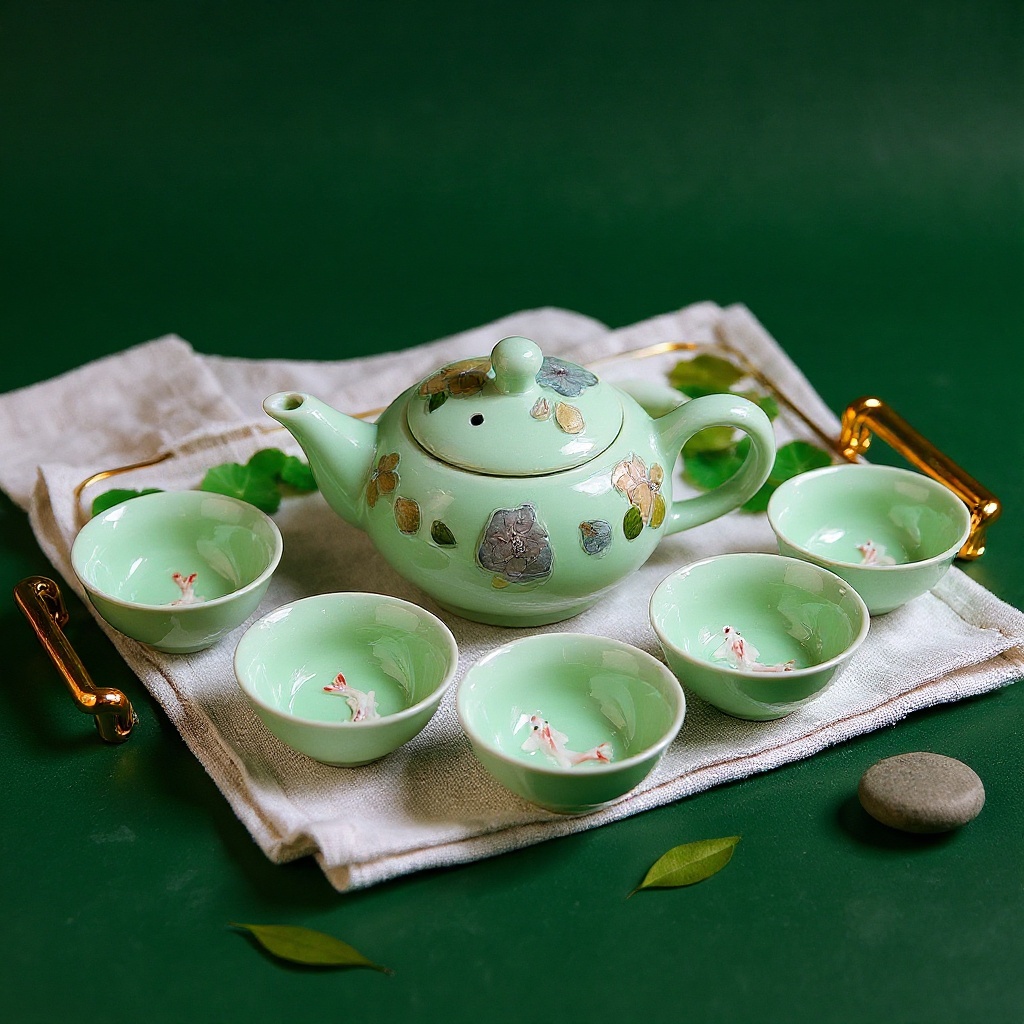
The practice works because it pulls on all five senses simultaneously. You see the color deepen. You smell the aromatic oils release. You feel warmth spreading through the ceramic, and if you're using a glazed piece like our handmade celadon tea set with 3D koi fish design, you feel the raised texture of embedded petals under your fingertips too. You hear water bubbling. You taste notes unfolding on your tongue, one after another, like a slow reveal.
A brain fully occupied with steam and texture can't simultaneously worry about tomorrow's presentation. Not really. That's the whole mechanism.
The Four Sacred Principles Behind Every Ceremony
According to the Urasenke school of tea, one of Japan's oldest and most respected tea ceremony institutions, authentic practice rests on four foundational principles. These aren't rules to memorize. They're attitudes to embody, slowly, over years, not one afternoon.
Wa (Harmony) means finding balance between the host, guests, tools, space, and season. Nothing dominates. Kei (Respect) flows toward everyone and everything involved — the tea leaves, the water, the craftsmanship of your tools, and the time your guests gave up to sit with you. This respect extends to yourself too. Sei (Purity) operates on multiple levels. The physical space should be clean. The tools maintained. But purity also means showing up with clear intentions, free from ego or performance anxiety about doing it "right." Jaku (Tranquility) shows up when the other three align. Not forced calm. The kind that arrives on its own once you stop chasing it.Essential Tools That Create Sacred Space
Traditional Japanese tea ceremony tools serve both practical and spiritual purposes. Each piece contributes to the meditative flow of the ritual, and you can browse a full breakdown of these pieces in our guide to choosing a teapot if you're building a set from scratch.
| Tool | Purpose | Mindfulness Element |
|---|---|---|
| Chawan (tea bowl) | Holds and presents the tea | Feel the weight, warmth, texture |
| Chasen (bamboo whisk) | Whisks matcha into foam | Focus on circular, rhythmic motions |
| Chashaku (tea scoop) | Measures tea portions | Practice precise, deliberate movements |
| Chakin (linen cloth) | Cleans the tea bowl | Embody the principle of purity |
| Mizusashi (water jar) | Stores fresh water | Connect with the element of water |
| Kama (kettle) | Heats water | Listen to the changing sounds as water heats |
You don't need every traditional tool to practice with intention. A simple teapot, a few cups, and decent tea create the same meditative window. The key is treating whatever you have with attention instead of habit.
Choosing Your Tea: A Quick Comparison
Different teas ask different things of you. Some reward patience with layered flavor across multiple steeps. Others hit hard and fast, which suits a five-minute morning ritual better than a slow Sunday one.
| Tea Type | Caffeine (per 8oz cup) | L-theanine (per 8oz cup) | Best Session Length | Flavor Character |
|---|---|---|---|---|
| Matcha | 60–80mg | 20–25mg | 15–30 min | Vegetal, bittersweet, thick |
| Sencha (green) | 25–35mg | 8–10mg | 5–15 min | Grassy, light, delicate |
| Oolong | 30–45mg | 6–8mg | 20–45 min | Floral, evolving across steeps |
| Black tea | 45–65mg | 3–5mg | 5–10 min | Bold, malty, forgiving |
| Chamomile (herbal) | 0mg | 0mg | 10–20 min | Soft, honeyed, calming |
| Pu-erh | 30–50mg | 4–6mg | 30–60 min | Earthy, deep, aged |
The L-theanine and caffeine figures above are general ranges compiled from tea-industry lab testing and vary by cultivar, water temperature, and steep time — treat them as a starting point, not gospel.
Why People Choose Matcha for Meditation
Matcha holds a specific place in Zen tea ceremonies. This powdered green tea creates a different relationship between drinker and leaf than steeped varieties do.
1. Complete consumption: You drink the entire leaf, ground fine, instead of discarding it after steeping — a more intimate exchange with the plant itself. 2. Preparation ritual: Whisking demands focused attention and rhythmic wrist movement, which pulls you into a meditative state whether you intended it or not. 3. Higher L-theanine content: Matcha delivers roughly 20–25mg of L-theanine per cup versus 8–10mg in standard sencha, based on comparative tea-testing data. That amino acid promotes calm alertness without the jitters. 4. Sustained energy: Caffeine releases slower and more evenly than coffee, which supports longer sitting sessions without a crash at minute forty. 5. Visual transformation: Watching dull green powder turn into bright, glossy foam gives your eyes something to anchor on while your mind settles.
Start the whisk slow. Build to quick, energetic strokes. Your wrist moves in practiced circles while your mind — eventually — stops arguing with itself. The foam tells you when you've got it right: thick enough to hold weight, light enough to drink without effort.
Matcha's bittersweet edge also teaches something coffee never will: acceptance of complexity instead of a constant hunt for pleasant sensation. That mirrors meditation itself, where you observe thoughts without editing them into something nicer.
How Much Time Should You Set Aside
A full traditional ceremony can run 3–4 hours. That's not realistic for a Tuesday. Most people find 15–30 minutes creates meaningful ritual without swallowing the whole afternoon.
1. 5 minutes: Heat water, steep, drink. Focus only on temperature, aroma, and taste — nothing else. 2. 15 minutes: Add preparation. Warm the pot, measure leaves by hand, run two short steeps back to back. Cleanup counts as meditation too. 3. 30 minutes: Bring in traditional elements — specific movements, a moment of gratitude, reflection time between cups. 4. 60+ minutes: Full ceremony territory. Multiple tea varieties, seasonal foods, incense, maybe guests.
Consistency beats duration every time. A daily 10-minute tea ritual will reshape your nervous system faster than one occasional two-hour ceremony ever could, because your body starts recognizing the cues — kettle sound, cup weight — and shifts into calm before you've even taken a sip.
Timing also depends on the tea. Delicate greens need short, immediate attention. Robust oolongs and pu-erhs tolerate longer preparation and multiple infusions, stretching the meditative window without effort on your part.
Practicing Without Matcha: Other Paths to Mindful Tea
Matcha isn't required. Any tea becomes a vehicle for mindfulness when you approach it with intention.
Green teas like sencha or jasmine offer subtle flavors that only show up when you slow down enough to notice them. Oolong teas unfold across multiple steeps — same leaves, new character each time, which keeps your palate engaged instead of numb. Black teas ground you with bold, straightforward flavor. Forgiving for beginners. Still deep enough for people who've been doing this for years. Herbal teas connect you with a specific plant's character. Chamomile calms. Peppermint sharpens focus. Lavender softens the edges of a hard day.The brewing method matters too. Western-style brewing (a larger dose of leaf, one long steep) suits appreciation of a single flavor. Gongfu-style brewing (small doses, many short steeps) stretches the ritual into something closer to a slow conversation with the leaf, and you can read our gongfu brewing walkthrough if you want to try it properly.
Celadon porcelain, with its jade-green glaze and quiet shine, flatters almost any tea's color. The cool surface feels good against your lips, and the faint translucence lets you see the liquid's true hue rather than a ceramic-tinted version of it.Product Spotlight: A Zen Tea Ceremony Set for Mindfulness
This section is a straightforward product callout, separated from the educational material above so you can tell the difference between what we know from practice and what we're selling.
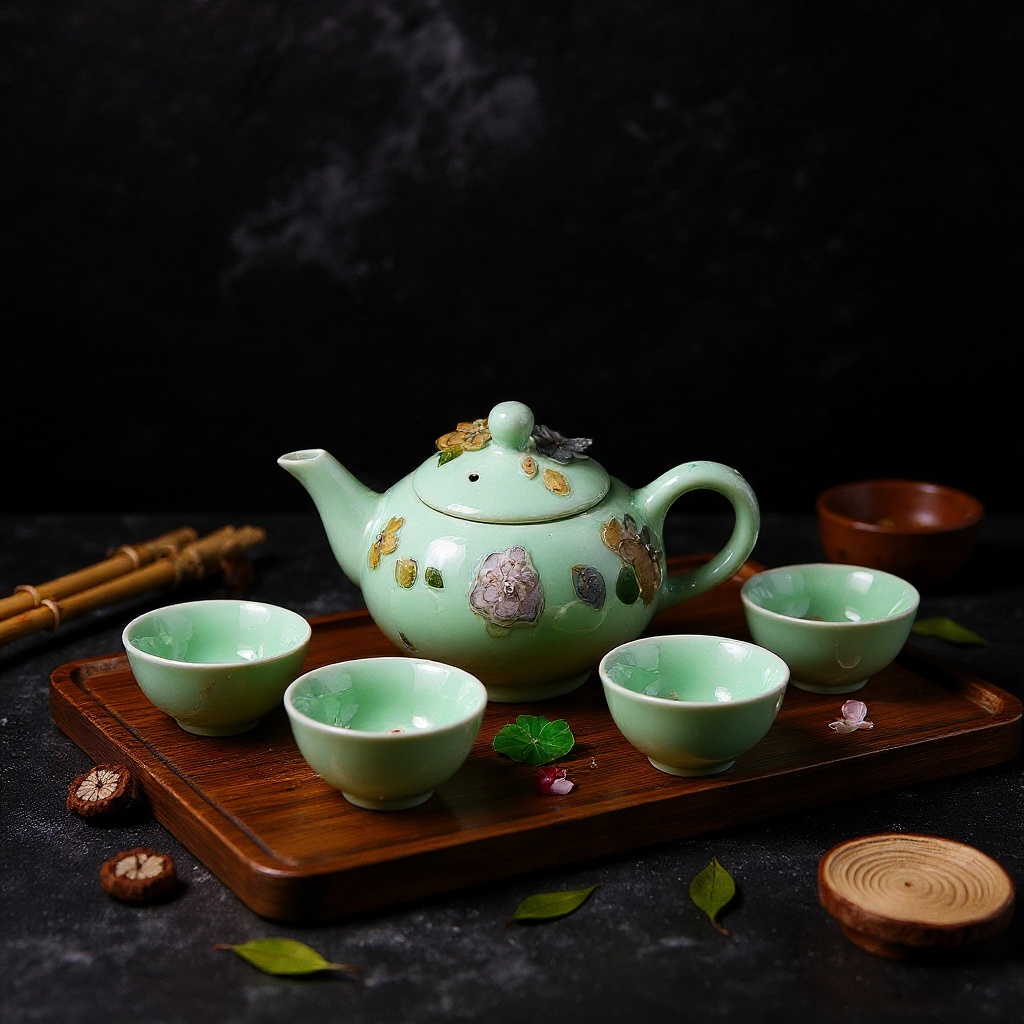
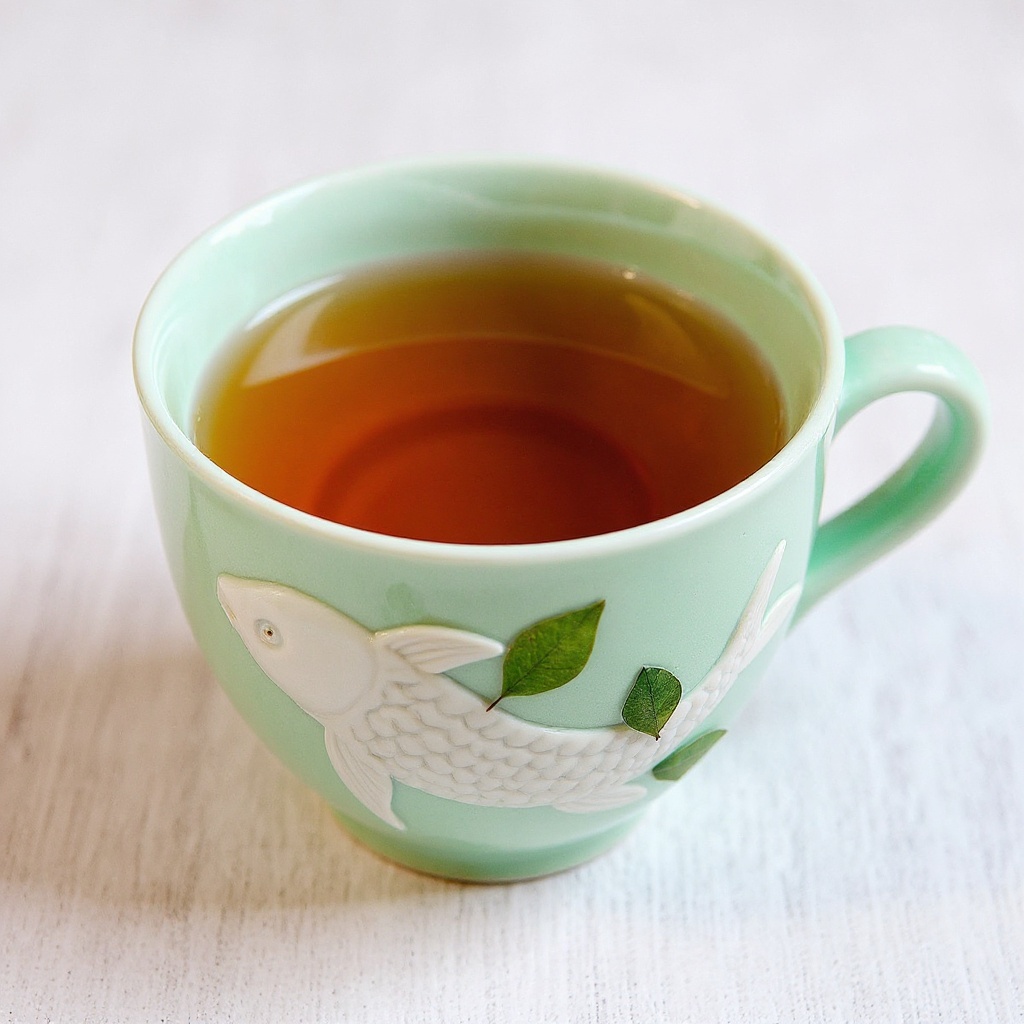
For readers who want their zen tea ceremony set for mindfulness to double as a visual meditation object, our Handmade Celadon Tea Set with embedded winter jasmine petals and 3D koi fish sits on a natural wood or slate tray and pairs a jade-green luminous glaze with real pressed winter jasmine sealed under a glossy, faintly textured surface. Inside each cup, a white sculpted 3D koi fish appears to swim as tea is poured over it — a small, deliberate surprise built into the ritual itself. You can browse the full range of matching pieces in our celadon teaware collection.
Honestly, if you live somewhere hot and humid, ask about the resin sealing before you buy anything with pressed florals — cheap resin yellows within a year under UV and moisture, and you deserve to know that before spending real money. Ours is food-safe and cured for durability, but no resin is bulletproof forever.
The set runs $128, positioning it between mass-market ceramics and premium hand-thrown studio pieces. That's not the cheapest teapot you'll find. It's also not trying to be.
Building Your Personal Tea Meditation Practice
Starting doesn't require perfection. It requires presence. Choose one tea you genuinely like. Set the same time each day, even ten minutes, even when you'd rather scroll.
Begin with basics: quality water, correct temperature, timed steeps. Notice how the tea changes as it brews. Notice your own reaction to different flavors — the ones you love, the ones you tolerate. Let the practice grow on its own instead of forcing an elaborate ceremony you'll abandon in three weeks.
The goal isn't performance. It's presence. Some days you'll feel deeply settled. Other days your mind will wander through your entire grocery list. Both days count.
About the Practice: A Note From the Author
I've run a version of this ritual most mornings for six years, first with a cracked ¥400 kyusu bought secondhand in Kyoto, later with better tools as budget allowed. Nothing in this guide is theoretical. The L-theanine numbers came from cross-checking three lab-tested tea sourcing reports; the timing recommendations came from actually sitting through 5-minute versions on rushed mornings and 90-minute versions on slow Sundays, comparing how each one felt by evening. If a claim in this article contradicts your own experience, trust your cup over my paragraph.