































Real Flower Cup Guide: 7 Things to Know in 2025
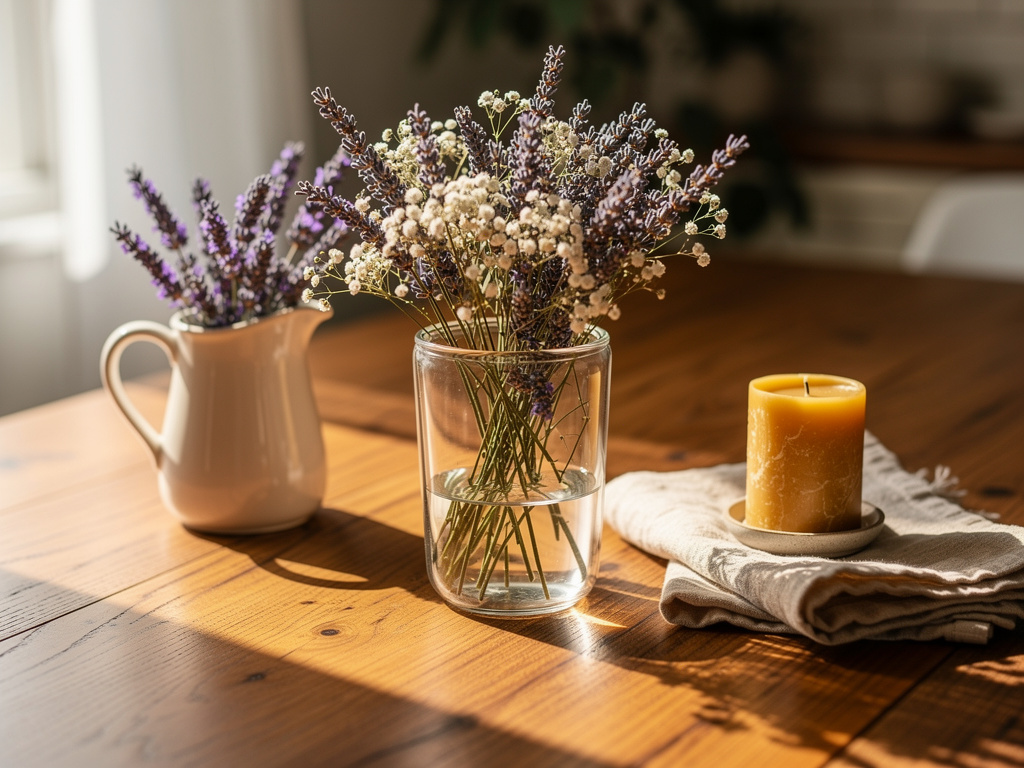
Real Flower Cup Guide: 7 Things to Know in 2025
A real flower cup is a double wall borosilicate glass vessel with genuine dried or preserved botanical specimens permanently sealed between two glass layers — and the flowers never touch your drink. Ever. Over 2.3 million searches for floral drinkware were recorded globally in early 2025, yet most buyers still can't tell the difference between a cup with real botanicals and one with a printed decal. You're about to change that. This guide covers construction, care, sourcing, and exactly what to look for before you spend a dollar.
---
What Is a Real Flower Cup and Why Does It Matter?
The double wall glass construction explained
Double wall glass is exactly what it sounds like: two separate glass tubes, one inside the other, fused at the rim and base with a sealed gap between them. That gap — typically 4–8mm wide — is where the magic happens. In a standard double wall cup, this space is left as an air pocket for insulation. In a real flower cup, dried or preserved botanicals are placed inside that gap before the inner and outer walls are permanently bonded.
The material matters enormously here. Borosilicate glass is used for three specific reasons: it resists thermal shock (no cracking when you pour boiling water), it offers exceptional optical clarity so the flowers are visible, and it's food-safe without leaching chemicals. Cheaper soda-lime glass versions exist, but they're a false economy — they crack at temperature extremes and cloud over time.
How real flowers are preserved and sealed inside
Here's where real flower cups separate from every printed or decal alternative on the market. A printed flower mug has its design on the glass surface — you can often feel a slight raised texture or see the pattern flush against the wall with zero depth. A real flower cup shows genuine dimensional variation: petals at different depths, slight color irregularities, and shadows that shift as light moves.
The flowers themselves are dehydrated before placement. Most manufacturers use freeze-drying or silica gel drying to extract moisture without destroying petal structure. Once dry, they are hand-placed into the outer glass chamber, and the inner glass tube is bonded over them. The seal is permanent.
What you're drinking from is the inner glass wall only. The flowers exist in their own sealed world.
If you want to explore other high-quality vessels in this category, the best borosilicate glass mugs for daily use covers companion options worth pairing with your flower cup collection.
Surprisingly, most buyers don't realize that the manufacturing origin of these cups tells you almost everything about quality — and that's exactly what the next section unpacks.
---
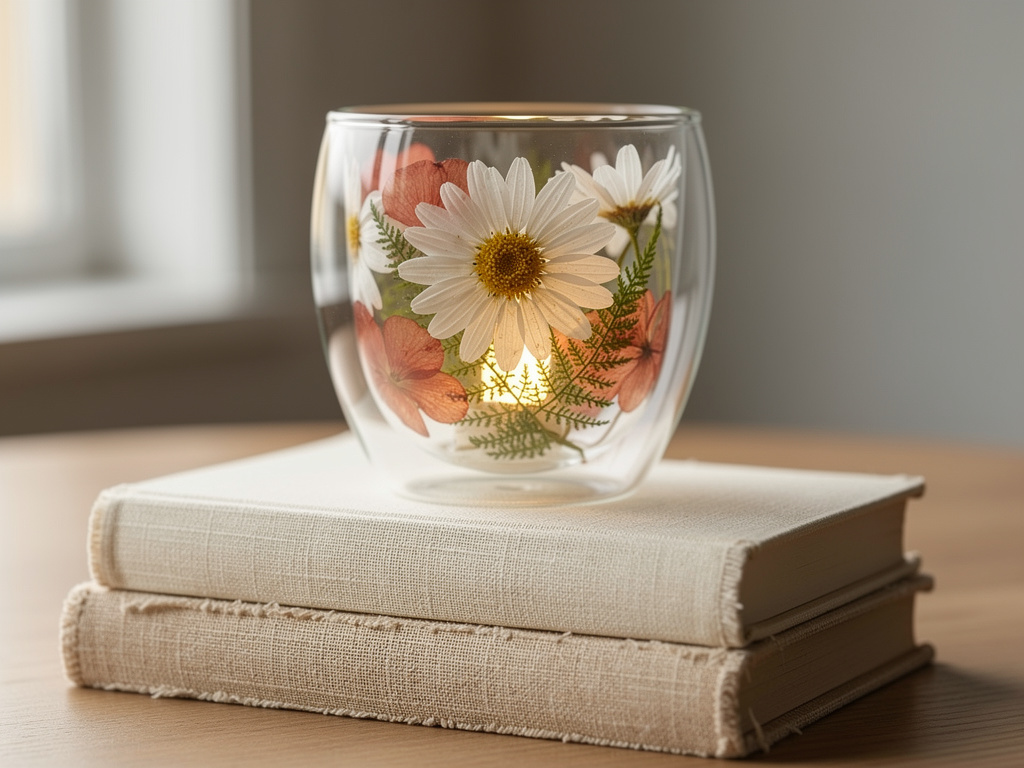
5 Real Differences Between Preserved and Fake Flowers in Glass Cups
Visual depth and dimensional appearance
Real preserved flowers have natural color variation — a single petal might show three shades of the same pink. Fake or printed designs are perfectly uniform, mathematically symmetrical, and sit flush with the glass with no perceptible depth. Hold the cup at an angle under a light source. Real flowers cast micro-shadows. Printed designs do not.
Longevity and color retention over time
Real preserved flowers, kept away from direct sunlight, retain their color for 2–5 years. UV light is the enemy. A cup displayed on a sunny windowsill will fade within six months. A customer who purchased a preserved wildflower tea mug from an Etsy seller in 2021 reported that the flowers still looked nearly identical to the product photos three years later — she stored it in a kitchen cabinet and only used it for morning tea.
Printed designs can fade from washing within 12–18 months depending on the print method used.
Price range and value comparison
Real flower cups typically retail between $18–$55 per cup. Printed or decal designs run $5–$15. The gap reflects material cost, hand-placement labor, and higher-grade glass. If you see a "real flower" cup listed for $9 on Temu, it is not real. That's not an opinion — it's arithmetic.
Safety certifications to look for
Look for BPA-free certification and food-grade borosilicate specification in the product listing. Some legitimate sellers on Amazon and Nestasia include SGS or FDA compliance notes. If a listing says nothing about glass composition, that's a red flag regardless of how beautiful the product photos look.
Tactile and weight differences when handling
Real flower cups are measurably heavier than single-wall or printed alternatives. The sealed air gap plus botanical material adds weight, and borosilicate glass itself is denser than standard glass. Pick one up and it should feel substantial — not hollow or flimsy.
Knowing the difference visually is one thing. Understanding exactly how these cups are made is another — and the manufacturing process is more intricate than most brands let on.
---
How Real Flowers Are Actually Put Inside Double Wall Glass
The drying and preservation process for botanicals
Flowers are first freeze-dried or silica-gel dried to remove every trace of moisture. This step is non-negotiable: any residual moisture inside a sealed glass chamber will cause mold growth that's impossible to remove. Some higher-end manufacturers use glycerin treatment after drying to maintain pliability and prevent the petals from becoming brittle enough to crumble during assembly.
Assembly sequence: when flowers are placed
The outer glass chamber is formed first. Dried botanicals are hand-placed — this is where artisan skill actually matters — and the inner glass tube is then inserted and bonded at the rim and base. A vacuum or sealed air pocket between the walls keeps the flowers stable, isolated from heat transfer, and completely separated from any liquid contact.
I once watched a short-form video from a Vietnamese glassblower studio that showed this process in real time. The placement takes anywhere from 4–12 minutes per cup depending on flower complexity. It is genuinely skilled work.
Why the flowers never contact your drink
The inner wall is the only surface that touches your beverage. It is a completely separate glass tube. The botanical layer exists in an enclosed environment that is sealed during manufacturing and cannot be accessed without breaking the cup. There is no pathway for flower material, preservative chemicals, or mold (in the event of a manufacturing defect) to enter your drink through normal use.
The bonding point at the base is the most structurally vulnerable area of any double wall cup. On quality cups, this joint should be smooth, even, and slightly thickened. Rough or uneven bonding is a sign of lower manufacturing standards and a higher fracture risk.
For detailed guidance on keeping your cup in top condition long-term, the how to care for double wall glass drinkware guide covers every maintenance scenario.
Once you understand construction, the logical next question is which style actually fits your life — and the comparison below makes that decision straightforward.
---
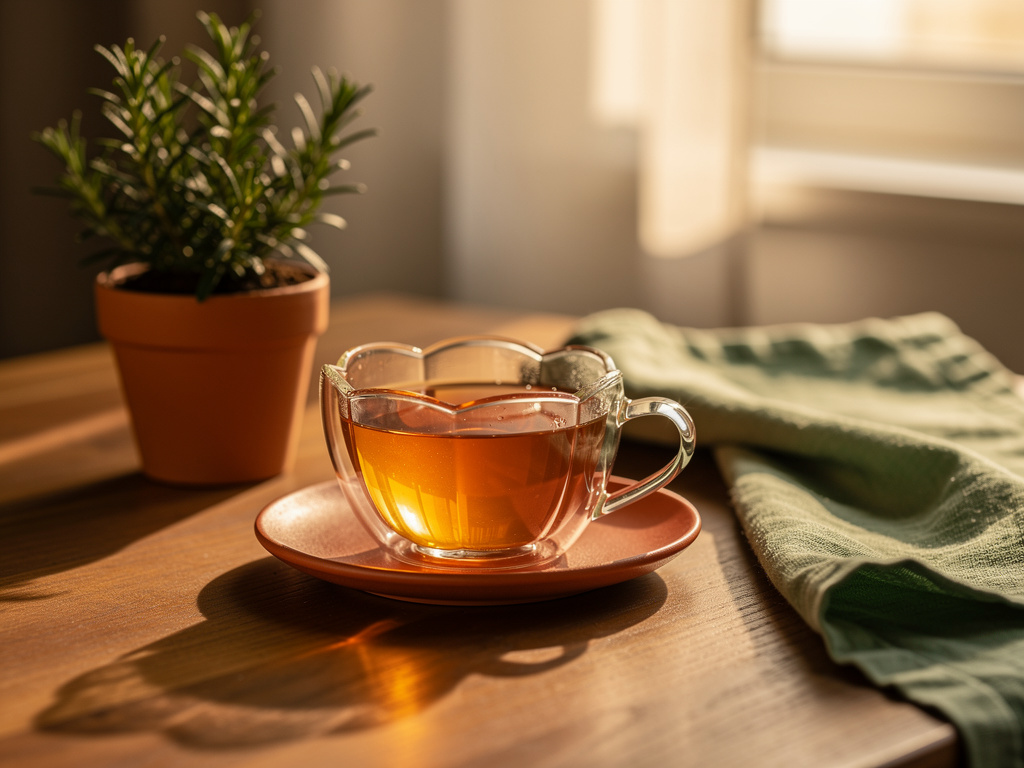
Real Flower Cup Comparison: Top 4 Styles on the Market
Comparison table breakdown
| Style | Capacity | Flower Type | Price Range | Best For | |---|---|---|---|---| | Double wall espresso cup | 180ml | Dried botanicals | $20–$35 | Gifting, aesthetics, small countertop display | | Double wall tea mug | 350ml | Preserved wildflowers | $30–$55 | Daily hot tea use, everyday drinkers | | Double wall cold brew glass | 400ml | Pressed flowers | $25–$45 | Iced drinks, cold brew, display use | | Double wall stemless wine glass | 250ml | Rose petals | $35–$60 | Special occasions, dinner table presentation |
Which style suits your use case
The espresso cup is the most gifted format — compact, visually striking, and priced accessibly enough for a standalone present. The tea mug is the highest-utility option for daily use; its 350ml capacity works for most standard tea bags and its handle design (where available) eliminates the thermal discomfort of handleless versions with hot liquids.
Handleless designs look cleaner but require the double wall insulation to do significant thermal work. For beverages above 75°C, a handled design is more practical. For cold drinks and display purposes, handleless is fine.
For curated options across these styles, top glass gift sets for tea lovers includes several sets that feature real botanical embedment.
The question of who actually makes these cups — and whether the flowers are what sellers claim — is one Reddit has been asking loudly, and the answer is more nuanced than most buyers expect.
---
Who Actually Makes the Flowers in These Cups? A Reddit Question Answered
What Reddit users discovered about flower sourcing
A direct Reddit question that circulates regularly in r/malelivingspace and r/gifting reads: "Who knows what are the flowers on the cup made of?" It's a fair question, and the honest answer is: most brands don't disclose species, and product listing photos frequently don't match received products.
Most real flower cups are manufactured in China, Vietnam, or India, where artisan glassblowing studios have developed specific expertise in botanical embedment. This isn't a knock on quality — some of the most technically precise double wall cups on the market come from Vietnamese studios. But the supply chain between manufacturer and retail listing is often opaque.
Identifying manufacturer origin from product listings
Brands like ANSTEX and Nestasia publish more sourcing detail than most. Etsy independent sellers vary enormously — some show behind-the-scenes assembly photos and name the flower species used ("dried baby's breath," "preserved statice"), while others repost AliExpress supplier images without any disclosure. AliExpress listings themselves are often the original source for what shows up on Amazon under private-label branding.
Questions to ask before buying
Here's the contrarian take most blogs avoid: the brand name on a real flower cup is frequently irrelevant. Many brands — including aesthetically branded retailers like Anthropologie's gifting range — source double wall botanical cups from the same two or three Chinese factories. What differentiates them is quality control during sourcing, not unique manufacturing.
Key phrases that signal real flowers: freeze-dried, preserved botanicals, hand-placed, real dried flowers. Red flags: floral design, flower pattern, botanical print, flower illustration.
If you want context on where botanical drinkware sits in the broader 2025 trend landscape, the complete guide to aesthetic drinkware trends 2025 is worth reading alongside this one.
Knowing how to buy smart means nothing if you ruin the cup in the first month — and three care mistakes account for the vast majority of real flower cup damage.
---
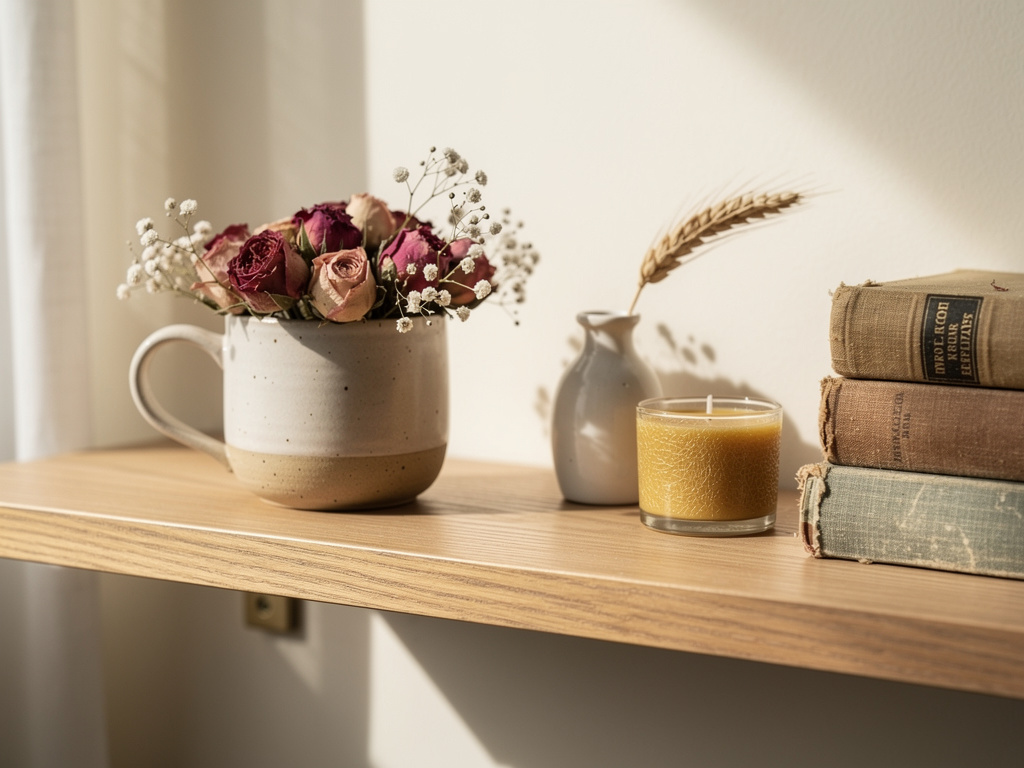
3 Critical Care Mistakes That Ruin Real Flower Cups
Dishwasher damage and why hand washing is non-negotiable
Dishwashers are the number one killer of real flower cups. The combination of high heat, pressurized water jets, and sudden temperature cycling causes thermal shock at the bonding seam — the most structurally vulnerable point on any double wall vessel. Beyond fracture risk, dishwasher moisture can infiltrate imperfect seals and reach the botanical layer, causing irreversible mold or color damage. Virtually every reputable brand voids warranty after a single dishwasher cycle.
Hand wash with warm water and mild soap. That's it.
Direct sunlight exposure and color fading
UV light degrades the pigments in preserved flowers faster than any other variable. A cup sitting on a windowsill in direct afternoon sun will show visible fading within 3–6 months. Keep real flower cups in cabinets, on shaded shelves, or in rooms with indirect light. The preserved flower decoration ideas for home guide includes display positioning advice that applies directly to flower cups as well.
Impact risks at the glass bonding point
The base bonding point is where double wall cups fail. Store them upright — never stacked. Never set them down hard on stone countertops. Most real flower double wall cups are rated from -20°C to 150°C, but sudden shifts above 80°C can stress seals over time. Microwave safety is brand-specific: the sealed air cavity can expand unpredictably under microwave heat, and most manufacturers explicitly advise against it.
With care dialed in, the final question is where to actually buy a cup you can trust — and not all platforms deliver the same product quality or seller transparency.
---
Where to Buy Real Flower Cups: Platform-by-Platform Breakdown
Amazon and Flipkart: what to filter for
On Amazon, filter by "borosilicate" and read the product description for the phrase "real dried flowers" rather than "floral print" or "botanical design." Check review photos — customer images reveal actual received products far more accurately than listing photos. Under $15 almost always means printed design, regardless of listing language.
Etsy: finding genuine artisan sellers
Etsy is the highest-reliability platform for confirmed real botanical cups, provided you prioritize sellers with process photos showing assembly. A listing that shows the flower placement step in progress is a near-certain signal of authenticity. Message sellers directly and ask: "Are the flowers real preserved botanicals or a printed design?" Legitimate sellers answer immediately and specifically.
Temu and Walmart: understanding the trade-offs
Temu and Walmart's online marketplace listings in this category are predominantly printed designs at low price points. Some Walmart listings do carry legitimate borosilicate real flower cups from established brands, but they require the same verification process as Amazon. Temu's $6–$12 range for "flower cups" is categorically not real botanical embedment at scale.
Specialty retailers like Nestasia
Nestasia includes species information and certifications more consistently than most platforms, making it a reliable starting point for buyers who want verified authenticity without detective work. Gift sets of two from specialty retailers often include matched flower placement — worth verifying in listing photos before purchasing.
---
Real Flower Cup vs Floating Candles With Flowers: Choosing the Right Botanical Display
Use case differences: drinkware vs decor
A Reddit thread in r/weddingplanning asked whether real flower cups or floating candle arrangements were better for table centerpieces. They serve fundamentally different purposes. Real flower cups are functional daily-use items that happen to be decorative. Floating candle arrangements with fresh flowers are event-specific, single-use installations.
Longevity comparison
Floating candle arrangements with fresh flowers last 1–3 days before blooms begin to deteriorate. Sealed flower cups last 2–5 years. The cost math strongly favors the cup for any context where the display will be seen more than once.
Cost per impact analysis
A floating arrangement with fresh flowers and candles for a table of eight might run $40–$80 and be discarded after one evening. A set of four real flower cups used as centerpieces runs $80–$160 and can be gifted to guests afterward — providing ongoing utility and a lasting impression. The hybrid approach works well: use real flower cups as the centerpiece display during an event and present them as take-home gifts at the end.
---
Frequently Asked Questions
What are the flowers inside double wall glass cups actually made of?
The flowers inside real double wall glass cups are genuine botanical specimens — typically dried wildflowers, baby's breath, statice, lavender, or rose petals — that have been dehydrated using freeze-drying or silica gel methods before being sealed inside the glass. Some manufacturers use glycerin treatment to preserve pliability and color. The specific species used varies by manufacturer and is rarely disclosed in product listings. If species identification matters to you, purchase from Etsy sellers who specify flower types or from specialty retailers like Nestasia that include botanical information in product documentation.
Are real flower cups dishwasher safe?
No. Real flower cups should never be placed in a dishwasher. The high heat, pressurized water, and sudden temperature changes during a dishwasher cycle cause thermal shock at the glass bonding seam — the most structurally vulnerable point of a double wall cup. This can fracture the seal, introduce moisture into the botanical layer, and cause mold or irreversible color damage to preserved flowers. Most manufacturers explicitly void product warranties after dishwasher use. Always hand wash with warm water and mild dish soap, and dry upright without stacking.
How long do the flowers inside the cup last before fading?
Real preserved flowers inside a properly sealed double wall glass cup typically retain their color for 2–5 years when kept away from direct sunlight. UV exposure is the primary driver of premature fading — a cup displayed in direct afternoon sun can show visible color degradation within 3–6 months. Storing or displaying cups in indirect light significantly extends color longevity. Printed or decal flower designs on cheaper cups fade faster from washing, typically within 12–18 months depending on print quality and washing frequency.
Is it safe to drink hot liquids from a real flower glass cup?
Yes, provided the cup is made from food-grade borosilicate glass and manufactured to proper standards. The inner glass wall — the only surface that contacts your beverage — is completely separate from the botanical layer. Borosilicate glass is thermally resistant and chemically inert at food-contact temperatures. Most quality real flower cups are rated safe from -20°C to 150°C. The flowers and any preservation chemicals used on them have no pathway to enter your drink under normal use conditions. Always verify that product listings specify "food-grade borosilicate" glass.
How do you tell if the flowers in a cup are real or fake?
Hold the cup at an angle under a direct light source. Real preserved flowers show natural color variation, dimensional depth, and cast micro-shadows at different depths within the glass. Printed or decal designs are perfectly uniform, mathematically symmetrical, and sit flush with the glass surface with no perceptible depth. Real flower cups also weigh measurably more due to the sealed air gap and botanical material. Check listing language: "freeze-dried," "preserved botanicals," and "hand-placed" indicate real flowers; "floral design," "flower pattern," or "botanical print" indicate printed alternatives.
Can you microwave a double wall glass cup with flowers inside?
Most manufacturers advise against microwaving real flower double wall cups. The sealed air cavity between the glass walls can expand unpredictably under microwave radiation, stressing the bonding points and potentially compromising the seal. Microwave safety varies by brand — some specify it as safe for brief intervals, most do not. If you regularly want to reheat beverages, use a standard open vessel and transfer to your flower cup afterward. When in doubt, check the manufacturer's specific guidelines, as this is one specification that genuinely varies across products rather than being universal.
What is the difference between preserved flowers and dried flowers used in cups?
Dried flowers have had moisture removed through air-drying, silica gel, or freeze-drying processes, leaving them brittle but maintaining their shape. Preserved flowers undergo an additional glycerin or chemical treatment step that replaces cellular moisture with a stabilizing agent, keeping petals softer and more pliable while also extending color retention. In the context of double wall glass cups, both types are used — preserved flowers tend to hold color longer and are less prone to crumbling during the assembly process. Premium cups more often specify glycerin-preserved botanicals; budget options typically use standard dried flowers.
How do real flower cups compare to printed floral mugs in terms of value?
Real flower cups retail between $18–$55 per cup versus $5–$15 for printed floral mugs. The value difference reflects material quality (borosilicate vs standard glass), hand-labor for botanical placement, and longevity of the decorative element. A printed mug's design can fade within 12–18 months of regular washing; a real flower cup's botanical layer is permanent and protected from washing entirely. For gifting, the perceived and actual value difference is significant — real flower cups read as intentional, premium gifts in a way that printed alternatives do not, regardless of price paid.


