































Cottagecore Tea Set Aesthetic: A Complete Guide
Cottagecore Tea Set Aesthetic: A Complete Guide
By pampasroom, founder of Pampasroom · 8+ years designing and sourcing botanical teaware and pressed flower decorative objects across Southeast Asia · Contributor to Gardenista, Apartment Therapy, and The SpruceThe cottagecore tea set aesthetic centers on natural materials, botanical elements, and handcrafted details that evoke a romanticized rural lifestyle. Real dried flowers embedded in glass. Linen tablecloths in cream and sage. The kind of slow, intentional beauty that mass production simply cannot manufacture. Authentic cottagecore teaware features soft, muted colors — sage green, blush pink, warm ivory — along with genuine botanical preservation techniques and artisanal imperfections that factory lines cannot replicate. Whether you're hosting an afternoon tea or creating layered botanical flat lays, the cottagecore tea set aesthetic transforms everyday tea drinking into a mindful, nostalgic ritual that celebrates simplicity and connection to the natural world.
According to a 2023 report by Etsy Trend Insights, searches for "cottagecore" home goods increased 187% between 2020 and 2023, with botanical and pressed flower teaware among the fastest-growing subcategories. That growth reflects something real: people are reaching for objects that feel handmade, organic, and rooted in something older than the algorithm.
Essential Elements of Cottagecore Teaware Design
Authentic cottagecore tea sets share several distinctive characteristics that separate them from mainstream tableware. The color palette typically includes earthy tones — cream, sage green, dusty rose, and warm ivory — that mirror the natural world. These pieces favor organic shapes with gentle curves rather than sharp geometric lines.
Real botanical elements make the biggest difference. While printed floral patterns can work in a pinch, nothing replicates actual dried flowers embedded in glass or raised in textured relief on the surface. Texture matters too. You want pieces with visible craftsmanship marks, slight variations in glass thickness, or the subtle irregularities that come from handmade production. A pressed flower teapot made over 3–5 days of careful handwork tells a different story than one pulled from a mold in 90 seconds.
Size also plays a role in the cottagecore tea set aesthetic. Smaller, more intimate pieces work better than large formal sets. A 400ml teapot paired with 80–120ml cups creates the right scale for quiet, cozy tea moments. Not a dinner party. Not a catering setup. A moment.
Honestly, if you're expecting these pieces to function exactly like your everyday mugs — dishwasher safe, chip-resistant, stackable — you will be disappointed. These are artisan objects. Treat them accordingly.
Materials That Define the Cottagecore Look
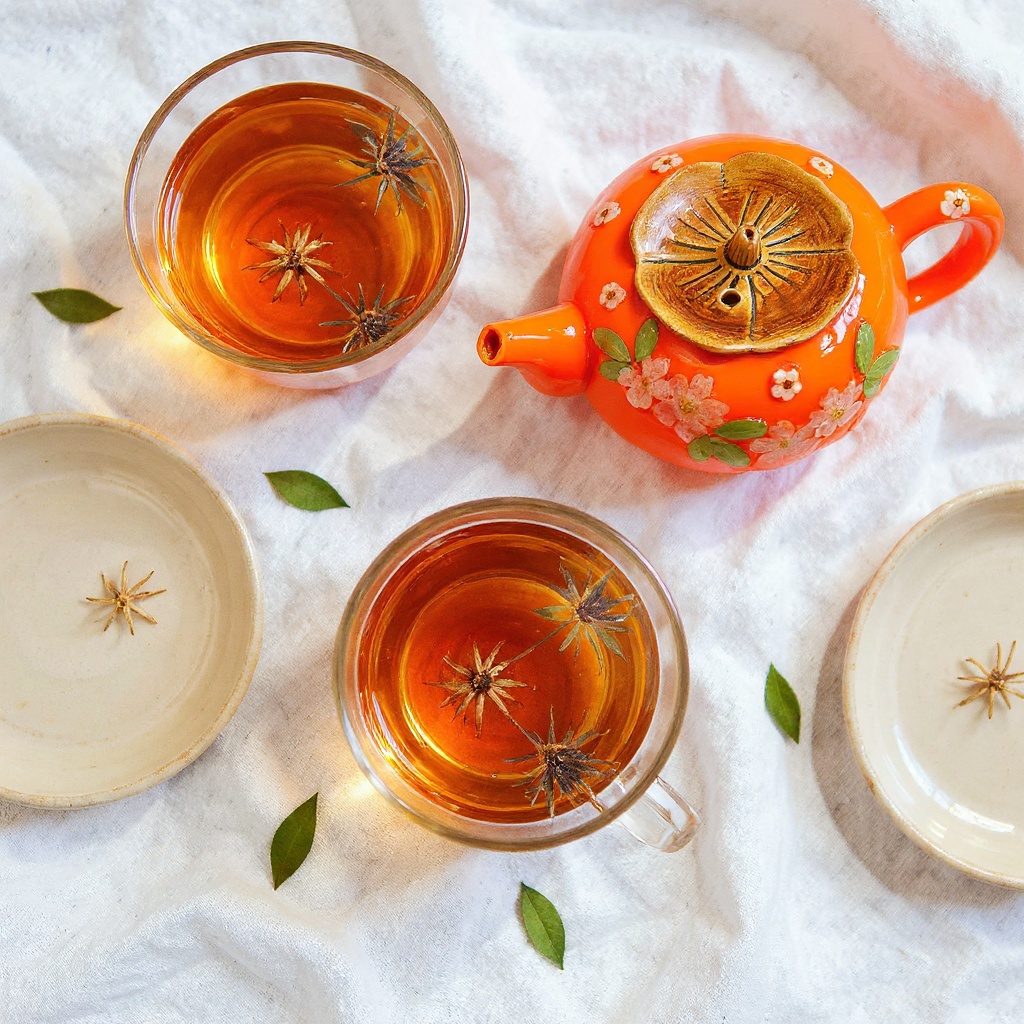
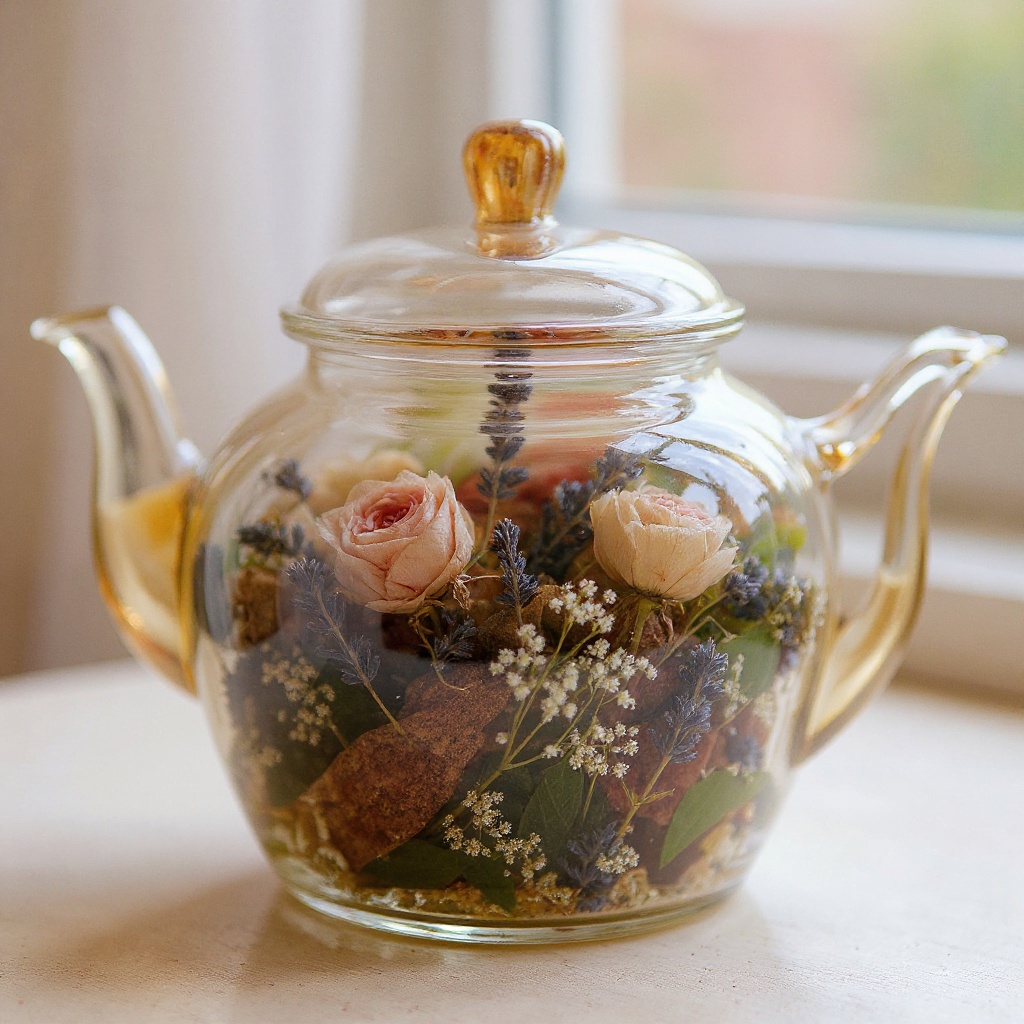
Glass teaware with embedded or raised botanicals represents the pinnacle of cottagecore teaware design. Pressed flower craft has been documented decoratively since the Victorian era, when botanical illustration and flower pressing became popular leisure pursuits among women in the 1850s and 1860s. That historical lineage makes it ideal for this nostalgic aesthetic. When real roses, lavender, or baby's breath are preserved and embedded within the glass walls of a teapot, each piece becomes a miniature garden frozen in time.
Borosilicate glass is the material standard for quality botanical teaware. According to Corning's published materials science data, borosilicate glass can withstand thermal shock across a range of approximately 165°C (300°F) without cracking — meaning it handles hot water from a kettle safely when the glass has been allowed to warm slightly first. Standard soda-lime glass, used in cheaper sets, has a thermal shock tolerance roughly 40–50% lower, making it a real safety concern for actual tea service.
Ceramic and stoneware offer another authentic cottagecore path, especially when featuring hand-painted florals or rustic glazes. Slight color variations, fingerprint impressions in the clay, organic edge treatments — these details add charm. They also confirm the object was touched by human hands.
Avoid anything that screams factory-made: perfectly uniform sets, bright synthetic colors, obviously screen-printed patterns. They won't capture the gentle, handcrafted spirit that defines this aesthetic. Our Handmade Ceramic Teapot Cup Set | Real Pressed Flowers | Eco-Friendly Botanical Teaware exemplifies these principles with heat-resistant glass construction and genuine preserved botanicals embedded in raised relief — roses, lavender, and baby's breath visible and tactile on the surface.
Creating the Perfect Cottagecore Tea Setting
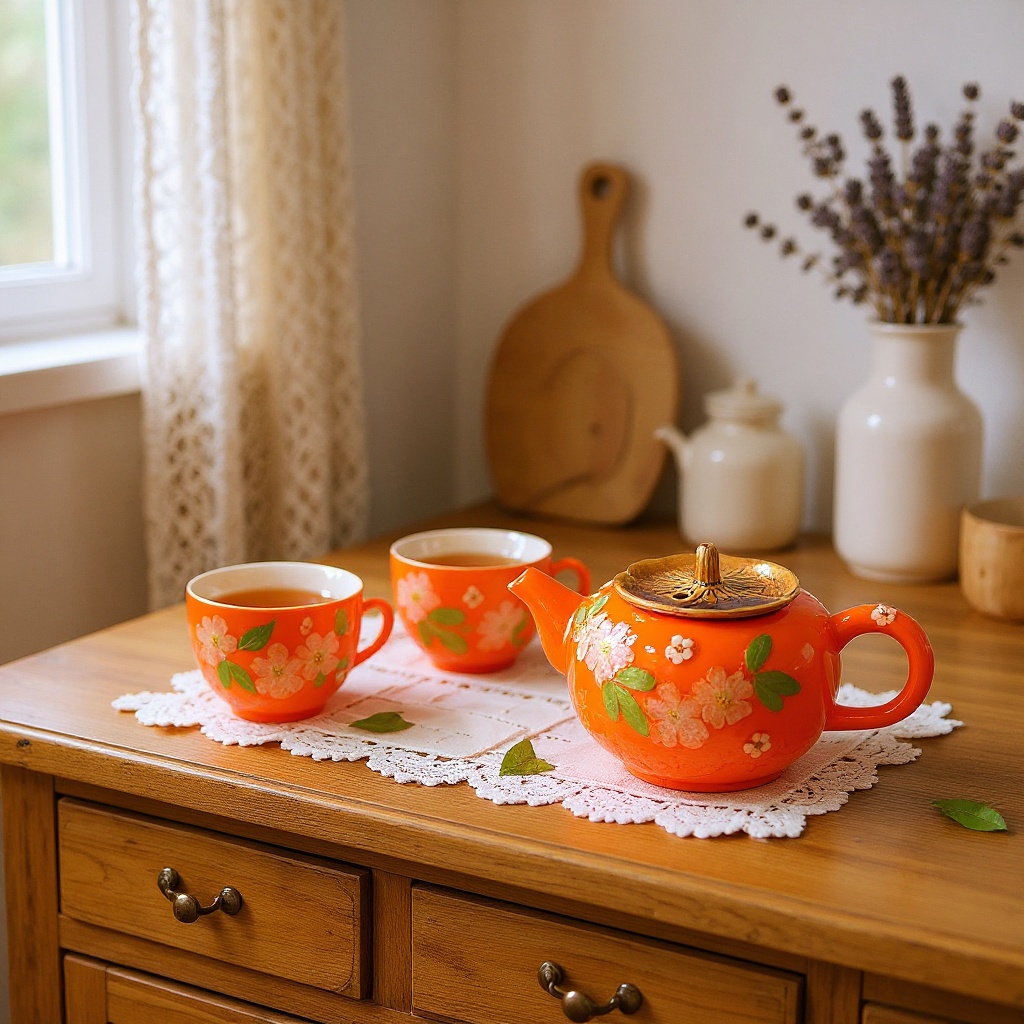
The cottagecore tea set aesthetic extends far beyond the teaware itself. Your entire setting should tell a story of simple, intentional living. Start with natural textiles: a rustic linen tablecloth in cream or sage, a vintage doily, or a worn wooden surface as your base. Layer from there.
Scatter loose dried petals around the teapot. Add a small ceramic tray for sugar cubes or a honey jar. Include vintage silver spoons if you have them. Fresh botanicals in small vessels, weathered books, handwritten labels on loose tea jars — all of it contributes to the atmosphere.
Lighting shapes everything. Soft natural window light is the gold standard. Warm Edison bulb fixtures work in the evening. Harsh overhead fluorescents will kill the mood immediately, and no amount of styling will compensate.
Steps to Style a Cottagecore Tea Setting
1. Lay your textile base — Use a rustic linen tablecloth or a raw linen square in cream, sage, or warm ivory; avoid synthetic blends that reflect light artificially 2. Position your teapot as the anchor — Place it slightly off-center rather than dead-center for a more organic, gathered look 3. Arrange cups at varied angles — Cups facing different directions feel collected rather than staged 4. Add a small ceramic tray — Use it to hold sugar, a honey dipper, or a small pile of loose tea leaves 5. Scatter loose dried petals — Roses and lavender petals scattered around the base of the teapot add organic depth and reinforce the botanical theme 6. Introduce height variation — A small vintage book stack, a glass bud vase, or a ceramic jar creates visual layering 7. Check your light source — Position your setting within 60–90cm of a north- or east-facing window for soft, consistent natural light without harsh shadows
Styling Tips for Different Cottagecore Tea Occasions
Daily tea rituals call for a lived-in approach. Leave your teapot visible on open shelving between uses. Style it with a small potted herb — lavender, rosemary, or thyme. Keep matching cups nearby on wooden saucers. This "curated mess" approach feels more authentic than the perfect arrangement you prepared in 45 minutes before guests arrived.
For special occasions or photography, amplify the botanical elements. Create height variations with vintage cake stands, add fresh flowers, and include props that suggest homemade things — wooden honey dippers, mason jars of loose tea, antique measuring spoons.
Seasonal styling keeps the cottagecore tea set aesthetic fresh year-round. Spring calls for cherry blossoms and pale green accents. Summer brings wild meadow flowers. Autumn features dried hydrangeas and amber tones. Winter styling might include evergreen sprigs and cream ceramics against dark wood.
Comparing Cottagecore Tea Set Options
| Feature | Mass-Produced Sets | Mid-Range Artisan | Premium Handmade Glass |
|---|---|---|---|
| Price Range | $30–$80 | $120–$300 | $350–$800 |
| Primary Material | Printed ceramic or soda-lime glass | Hand-painted stoneware or ceramic | Borosilicate glass with embedded botanicals |
| Botanical Elements | Screen-printed floral patterns | Hand-painted botanical motifs | Real dried flowers (roses, lavender, baby's breath) |
| Production Time | Under 5 minutes per piece | Several hours per piece | 3–5 days per set |
| Thermal Shock Tolerance | ~80–100°C differential (soda-lime) | Varies by glaze and clay body | ~165°C differential (borosilicate) |
| Uniqueness | Identical copies | Limited variation runs | Each set one-of-a-kind |
| Recommended Use | Daily, casual | Regular use with care | Intentional use, hand wash only |
| Cottagecore Authenticity | Low | Medium | High |
What to Look For When Shopping
Authentic cottagecore teaware requires careful evaluation of both aesthetic and functional qualities. Examine the botanical elements closely. Real pressed flowers show natural color variation, visible stem structures, and organic irregularities that come from actual plant material. A study published in the Journal of Cultural Heritage (2019) found that dried botanical specimens preserved in sealed environments — including resin and glass encapsulation — can maintain structural integrity and color fidelity for 20–50 years when kept away from UV exposure.
Construction quality matters more than most buyers realize. Borosilicate glass, as noted above, offers thermal shock resistance roughly 40–50% higher than standard soda-lime glass — a meaningful safety difference when you're pouring water at 85–100°C. Look for smooth, well-finished edges and sturdy handle attachments rated for the weight of a full teapot.
Consider the artisan's process when evaluating price. Sets requiring 3–5 days of handcraft time justify higher costs compared to mass-produced alternatives. The guarantee that your piece is truly one-of-a-kind adds both emotional and collector value that factory sets cannot match.
Caring for Your Cottagecore Tea Collection
1. Hand wash only — Dishwashers typically operate at 60–75°C with high-pressure water jets; that combination risks damaging both the embedded botanicals and the glass surface clarity over time 2. Use gentle dish soap — Harsh detergents and bleach-based cleaners can cloud borosilicate glass and accelerate color fade in preserved botanical material 3. Use warm, not hot, rinse water — Aim for water around 40–50°C when rinsing to avoid sudden thermal contrast against the cooler glass 4. Dry immediately — Water spots obscure the delicate botanical details; use a soft lint-free cloth right after washing 5. Store with soft cloth between pieces — Prevents surface scratches that degrade the glass clarity over time 6. Keep away from direct sunlight — Consistent UV exposure can fade preserved botanicals within 12–18 months; north-facing shelving or closed display cases extend color life 7. Handle with intention — These are artisan objects, not everyday dishes; the handling standard is closer to a wine glass than a coffee mug
Proper care ensures your cottagecore tea set aesthetic remains beautiful for years. The time investment in gentle maintenance reflects the same mindful approach that drew you to this aesthetic in the first place.
Building Your Cottagecore Tea Collection Over Time
Starting a collection doesn't require buying everything at once. The aesthetic works better when pieces accumulate over time. Begin with a teapot and two cups. Then add.
Mix botanical motifs rather than matching everything perfectly. A pressed flower teapot with roses and lavender might pair with hand-painted cups featuring different wildflowers. This gathered-over-time approach feels more authentic than purchasing a complete matching set in one transaction. It looks lived with, not curated by an algorithm.
Consider seasonal additions that expand your styling options. A ceramic sugar bowl with a different botanical motif. A small glass vase with embedded baby's breath. A linen-covered tea tin. The cottagecore tea set aesthetic thrives on this kind of gradual, thoughtful accumulation — pieces that arrive with a story rather than in a box.
For more on building botanical-inspired interiors, explore our guides on dried flower home styling, cottagecore shelf arrangements, and botanical gift sets that complement pressed flower teaware.


