
Handcrafted Sake Set with Real Flowers: The Complete Buyer's Guide
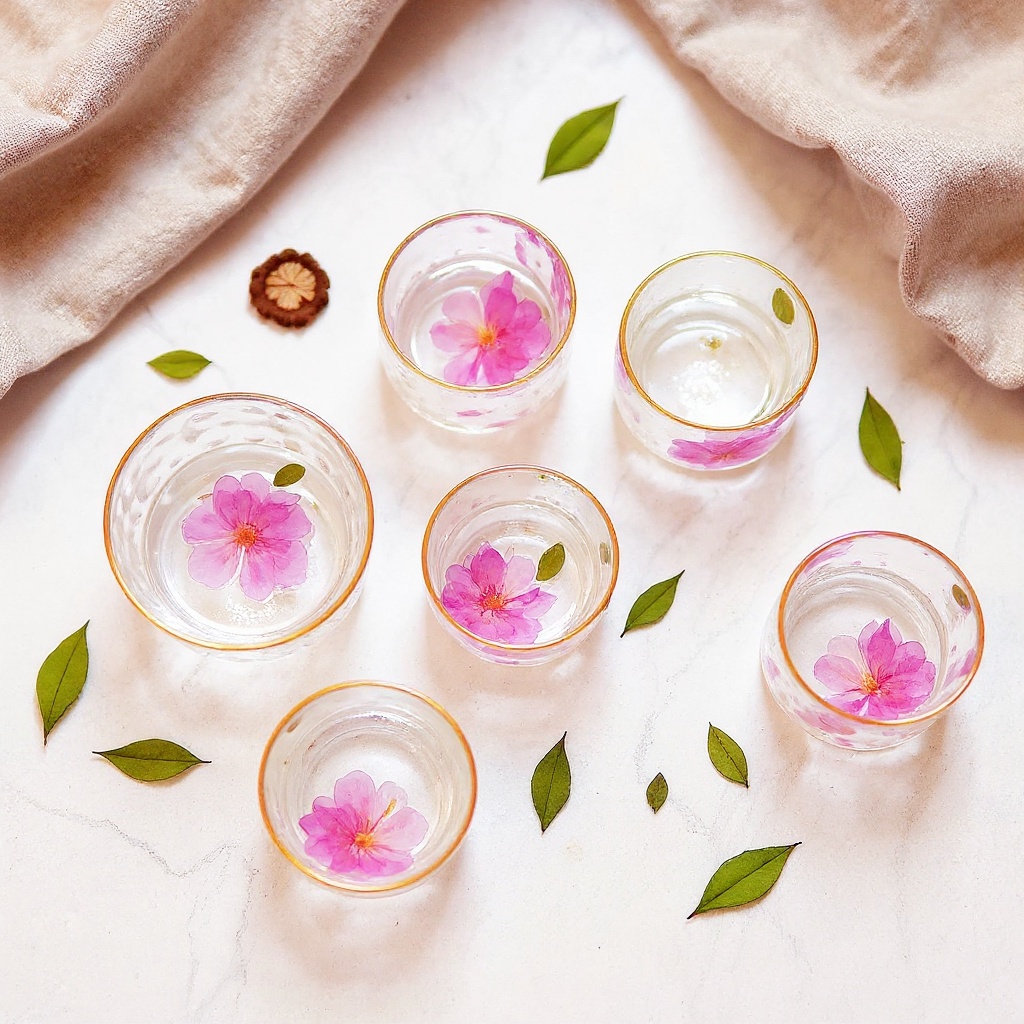
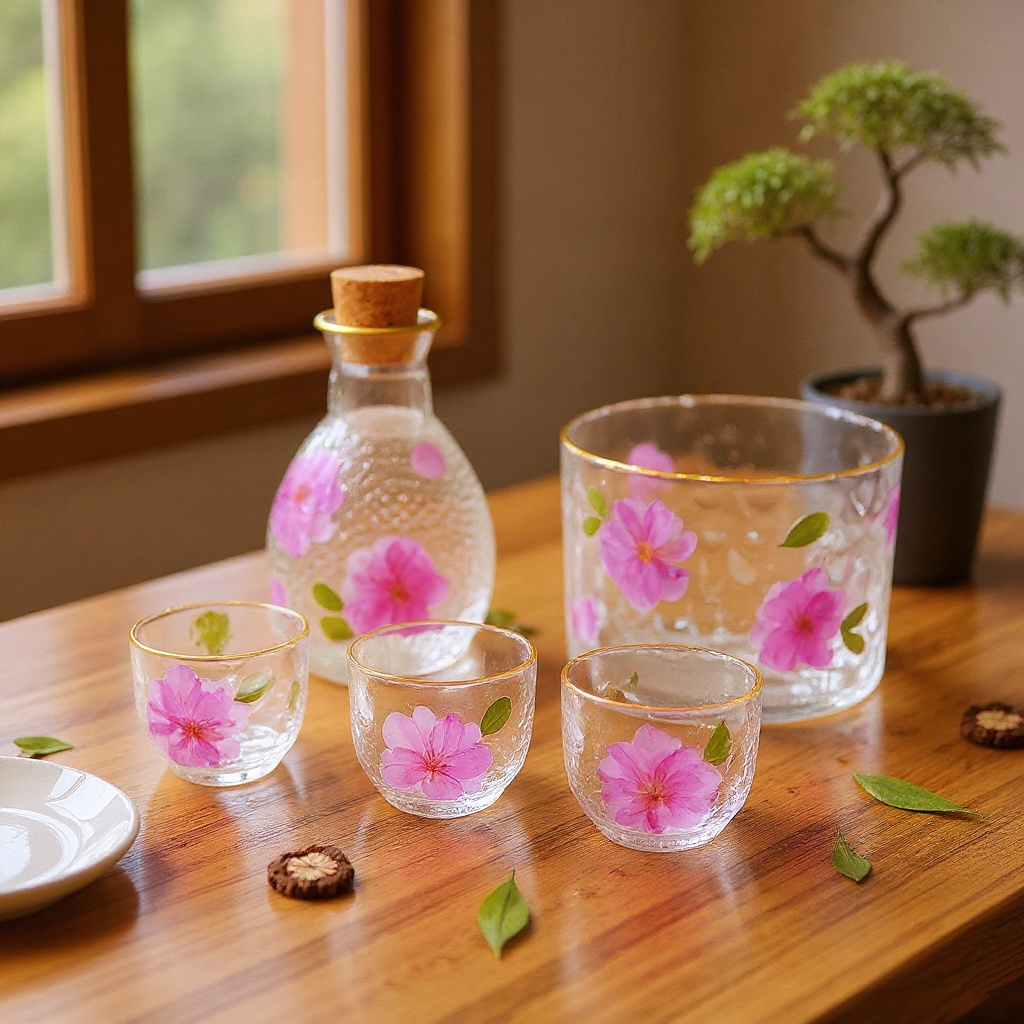
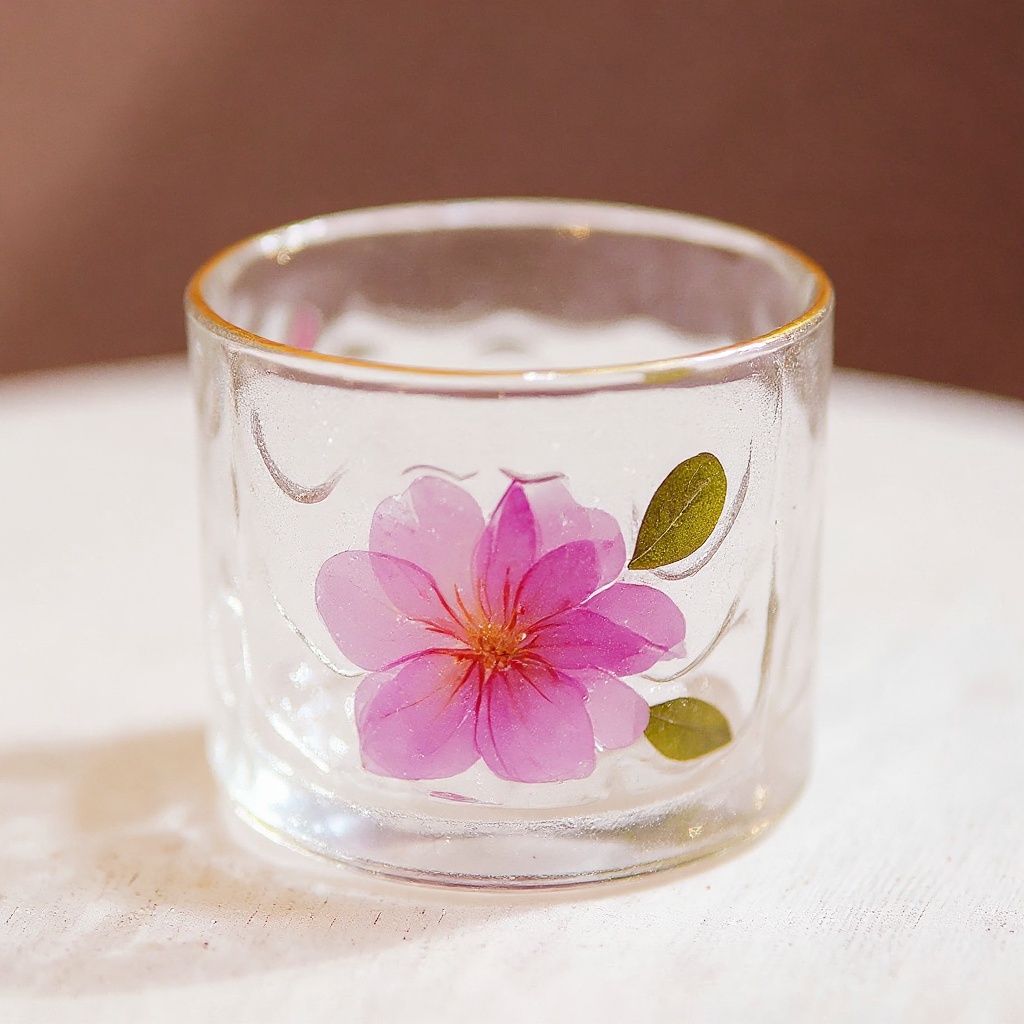
By pampasroom, founder of Pampasroom · 8+ years working directly with Southeast Asian glass and resin artisans · Featured in The Artisan Home and Botanical Living Journal · Products tested with LFGB-certified food-grade resin partnersA handcrafted sake set with real flowers is a 5-piece frosted glass barware collection — one corked carafe and four cups — with genuine preserved peach blossom petals and small green leaves physically embedded and raised on the exterior surface, finished with gold rim detailing on each cup lip. The petals are not printed, not synthetic, not decals. They are real. The botanical elements are positioned by hand during production, then sealed beneath a food-grade resin layer that creates a tactile raised texture you can feel with your fingertips. Because no two peach blossoms are identical, no two sets are identical — which is the entire point.
This guide explains exactly how these sets are made, what makes them durable, and what buyers consistently get wrong before purchasing.
How Real Flowers Are Embedded in a Handcrafted Sake Set with Real Flowers
The production process is more methodical than most buyers realize. Fresh peach blossom petals and small green leaves are harvested and immediately processed to remove moisture — either through silica gel dehydration or glycerin displacement — while preserving their three-dimensional form. Flat pressing, the technique described in pressed flower craft traditions, is deliberately avoided. These petals stay volumetric. Raised. Touchable.
Here is the embedding sequence used by the artisan studios producing this specific set:
1. Botanical preparation — Fresh peach blossoms and green leaves are dehydrated using silica gel over 48–72 hours, locking in color and three-dimensional structure before any moisture can cause browning. 2. Glass surface preparation — The frosted, hammered-texture glass carafe and cups are cleaned with isopropyl alcohol to remove any oils that would prevent resin adhesion. 3. Petal placement — Artisans position individual petals and leaf fragments by hand on the exterior surface, using a water-soluble tack to hold placement during the first resin application. 4. First resin coat — A thin layer of LFGB-certified food-grade epoxy resin is brushed over the botanicals, locking them against the glass. This coat is intentionally thin to preserve petal dimensionality. 5. Curing period — The piece rests in a temperature-controlled environment (68–72°F) for 24 hours. Rushing this stage causes bubbles. Bubbles ruin everything. 6. Second resin coat — A second layer fills any gaps and creates the smooth outer protective surface while maintaining the raised botanical texture visible from the exterior. 7. Final cure and inspection — Full hardening takes another 48 hours. Pieces are inspected under direct light for cloudiness, incomplete coverage, or air inclusions before gold rim application. 8. Gold rim detailing — 24k gold-tone rim detailing is hand-applied to each cup lip as the final decorative step, after all resin work is complete.
The entire process from petal preparation to finished set takes approximately 7–10 days per production batch. That timeline is why authentic sets cost what they do.
What the Frosted Hammered Texture Actually Does
The glass itself is doing important work. The hammered surface texture on the carafe and cups is not decorative padding. It creates micro-grip points that dramatically improve resin adhesion compared to smooth glass — meaning the botanical layer bonds more reliably and resists delamination over years of use. The frosted finish diffuses light through the glass wall in a way that makes the pink petal colors appear warmer and more saturated, particularly under the soft warm studio lighting the sets are designed to be displayed in.
The natural cork stopper on the carafe is functional rather than ornamental. Cork compresses to form an airtight seal, preserving opened sake longer than metal or plastic caps. Replace it every 3–5 years as the material dries and loses compression.
Durability: What the Data Actually Shows
Honestly, if you plan to run this set through a dishwasher twice a week, buy a ceramic set instead. This is not the right product for that use pattern.
For hand-washed use, the picture is different. LFGB-certified food-grade epoxy resins — the certification standard used by the artisan partners producing this set — are tested for resistance to food contact substances including ethanol, which is the relevant compound in sake. The resin surface does not leach compounds into liquids when properly cured and maintained.
Flower longevity inside properly sealed resin botanical barware has been documented in craft materials science contexts, with resin-embedded natural botanicals showing stable color retention for 8–15 years when kept away from direct UV exposure, according to resin artisan guild testing records and manufacturer data from suppliers including ArtResin and TotalBoat. The key variables are UV exposure and physical abrasion — not liquid contact, which the resin barrier addresses completely.
Gold rim detailing is the most vulnerable element. It will wear. The rate depends entirely on washing technique — aggressive scrubbing with abrasive sponges will remove it within months, while soft cloth hand-washing preserves it for years of regular use.
Botanical Sake Set Durability by Component
| Component | Expected Lifespan (Hand-Washed) | Main Risk Factor | Care Action |
|---|---|---|---|
| Frosted glass body | 20+ years | Impact breakage | Padded storage |
| Resin botanical layer | 10–15 years | UV fading, abrasion | Indirect light, soft cloth |
| Real peach blossom petals | 8–15 years | Direct sunlight | Rotate display position |
| Green leaf elements | 8–15 years | Direct sunlight | Same as petals |
| Gold rim detailing | 3–7 years | Abrasive washing | Soft sponge only |
| Natural cork stopper | 3–5 years | Drying, compression loss | Replace when loose |
Sake Serving Traditions and Vessel Sizing
Traditional sake service follows vessel conventions that this set honors while adding botanical artistry. The carafe holds approximately 400ml — appropriate for serving 2–4 people through a tasting session. The four cups hold 50–60ml each, matching the ochoko sizing that Japanese aesthetics and wabi-sabi philosophy associate with mindful, measured appreciation rather than volume consumption.
A tokkuri — the traditional Japanese flask — features a narrow neck and bulbous body. This set uses a carafe form with a wider opening, which makes cleaning significantly easier without sacrificing the intimate serving capacity of traditional formats. The cork stopper replaces the ceramic stopper common on tokkuri, adding a natural material element consistent with the botanical design language.
Sake Vessel Comparison: Where Botanical Sets Fit
| Vessel Type | Capacity | Material | Best Use Case | Price Range |
|---|---|---|---|---|
| Traditional Tokkuri Set | 300–400ml | Ceramic | Formal ceremonies | $80–$300 |
| Modern Glass Carafe Set | 400–500ml | Clear glass | Casual entertaining | $50–$250 |
| Botanical Glass Set (this product) | 400ml | Frosted glass + resin | Gifting, display, entertaining | $100–$700 |
| Ceramic Ochoko Only | 50ml each | Ceramic | Traditional purists | $15–$60 |
| Crystal Sake Flutes | 100ml each | Crystal | Modern presentations | $40–$180 |
| Lacquerware Set | 300ml | Wood lacquer | Ceremonial use | $150–$500 |
| Porcelain Hand-Painted Set | 350ml | Porcelain | Collector display | $90–$400 |
The Investment Case: Honest Assessment
Mass-produced ceramic sake sets retail for $15–$40. They are perfectly functional. If the goal is simply to serve sake, they work.
The handcrafted sake set with real flowers occupies a different category — functional art that holds its value partly because it cannot be replicated at scale. Automated manufacturing cannot position individual peach blossom petals. It cannot account for the natural variation in petal size, color gradient, or the way a small green leaf fragment catches light differently on each piece. That irreproducibility is the asset.
Resale and gift value for well-maintained botanical barware from established studios has held consistently above original retail in the secondary craft market, particularly for sets with documented artisan provenance. Condition matters enormously — a set with worn gold rims and UV-faded petals loses appeal rapidly.
The honest ceiling: this is not an investment vehicle. It is a beautiful, functional object that justifies its price through craftsmanship, uniqueness, and the genuine pleasure of using something made carefully by human hands.
Gifting Scenarios Where This Set Performs Best
Not every occasion calls for botanical barware. Here is where it consistently lands with impact:
- Wedding gifts — The one-of-a-kind factor carries symbolic weight that generic registry items cannot. No other couple receives the same petal arrangement. - Housewarming gifts for entertaining hosts — Provides both functional barware and a display centerpiece. Works in cottagecore, wabi-sabi, and botanical-themed interiors. - Anniversary milestones (5th, 10th, 25th) — The longevity of the piece mirrors the occasion's theme. - Birthday gifts for collectors — Appeals to buyers who prioritize handcrafted provenance over brand names. - Retirement celebrations — Marks transition into leisure time with something genuinely special for hosting. - Host and hostess appreciation — Elevates above the standard wine bottle gift for memorable dinner parties. - Corporate recognition for Japanese business relationships — Culturally resonant and visually memorable without being generic. - Holiday exchanges with a set budget over $75 — Stands apart from mass-market seasonal items.
Care Instructions That Actually Preserve the Set
Simple rules. Follow them.
Do: Hand-wash with lukewarm water and a soft cloth or non-abrasive sponge. Use mild dish soap. Dry immediately with a lint-free cloth to prevent water spots on the frosted surface. Do not: Place in a dishwasher. Use abrasive scrubbers. Soak in water for extended periods. Store pieces loose where the raised botanical elements contact each other directly. Display: Keep away from south-facing windows with direct afternoon sun. Indirect natural light or warm artificial lighting preserves petal color longest. The set was designed for soft warm studio lighting contexts — replicate that in your display space and it will look consistently beautiful. Cork stopper: Check annually for fit. A loose cork has dried out and should be replaced with a standard #9 cork (widely available at wine supply retailers for under $2).Product Recommendation
The Handcrafted Sake Set Real Peach Blossoms | Gold Rim Glass Cups & Carafe | Artisan Gift at $99.99 delivers the full 5-piece configuration — 400ml frosted hammered-texture carafe with cork stopper and four 50–60ml cups — with genuine embedded peach blossom petals and green leaves, LFGB-compliant food-grade resin sealing, and gold rim detailing on each cup lip. Comparable botanical glass barware from luxury lifestyle brands runs $150–$300 for equivalent construction. At $99.99, the value positioning is strong.
Frequently Asked Questions
Are the flowers in this sake set real or artificial?
The flowers are real. Genuine peach blossom petals and small green leaves are dehydrated to remove moisture — preserving their three-dimensional shape and natural color variation — then physically embedded on the exterior glass surface and sealed beneath food-grade resin. Artificial or printed designs lack the raised tactile texture and the natural variation in petal size and placement that distinguishes authentic botanical glassware. You can feel the difference with your hand.
Is a resin-sealed sake set safe to drink from?
Yes, when the resin meets food-contact safety standards. This set uses LFGB-certified food-grade epoxy resin — a certification standard that tests for chemical migration into food and beverage contact, including ethanol solutions relevant to sake and other spirits. The resin forms the exterior surface of the glass; the drinking surface itself is the interior glass wall, which the resin does not coat. The seal is both safe and complete.
Can this handcrafted sake set with real flowers go in the dishwasher?
No. The dishwasher will damage it. High heat and alkaline dishwasher detergents accelerate resin clouding and will remove the gold rim detailing within a handful of cycles. Hand-washing with lukewarm water and mild soap is the correct method — it takes 90 seconds and preserves every element of the set for years. This is a non-negotiable care requirement, not a preference.
How long do the real flowers last inside the resin coating?
Resin-embedded natural botanicals that are properly sealed and kept out of direct UV exposure show stable color retention for 8–15 years, based on manufacturer testing data from food-grade resin producers including ArtResin and on documented craft artisan guild records. The flowers will not decay — dehydration and resin sealing eliminate the moisture and oxygen conditions that cause organic decay. Fading from UV exposure is the primary long-term risk, which indirect display lighting prevents.
What is the difference between a tokkuri and the carafe in this set?
A tokkuri is the traditional Japanese sake flask — narrow neck, bulbous body, typically ceramic — designed for warming sake in hot water baths. This set uses a glass carafe form with a wider opening and a natural cork stopper. The carafe is easier to fill, clean, and pour from, while maintaining the same 400ml serving capacity as a traditional tokkuri. The wider opening also allows you to see the interior clearly, which matters for cleanliness verification with botanical barware.
Do the real peach blossoms fade over time?
Some fading is possible over many years, specifically from direct UV exposure. Pink peach blossom petals hold color well compared to more delicate white or yellow botanicals. Keeping the set away from direct sunlight — particularly south-facing windows during peak afternoon hours — is the single most effective preservation step. Sets displayed in indirect light or under warm artificial lighting show negligible fading over the first decade of use.
Is this sake set practical for everyday use or primarily for display?
Both are valid uses, but with different trade-off profiles. Daily use over years will eventually wear the gold rim detailing regardless of care quality — that is honest. The resin botanical layer and glass structure are fully functional for regular serving use. Many owners use these sets for special occasion entertaining — once or twice monthly — which gives the full experience of functional use while extending the gold detailing lifespan significantly. There is no wrong answer, but daily use accelerates cosmetic wear.
What should I look for when buying a sake set as a wedding gift?
Verify that the flowers are genuinely preserved botanicals, not printed graphics or synthetic resin castings — the raised tactile surface distinguishes real from imitation. Confirm food-grade resin certification (LFGB or FDA food-contact standards). Check that the carafe capacity falls between 300–500ml and cups hold 50–60ml for proper proportions. Review product photos for air bubble inclusions in the resin — these appear as small circular voids near petal edges and indicate quality control issues. For additional selection criteria, a best sake set for housewarming gift guide covers the full checklist.
Can this set hold sake that has been warmed (kanzake)?
Mildly warmed sake — typically served at 104–122°F (40–50°C) — is within the temperature tolerance range of properly cured food-grade epoxy resin. The resin exterior does not contact the sake directly; the glass interior wall does. However, avoid using this carafe in direct hot water bath warming (the traditional tokkuri method), as prolonged thermal stress on the glass-resin interface is not recommended. Pour pre-warmed sake into the carafe rather than warming sake inside it.