































Lotus Shaped Teacup with Saucer: What to Know
Lotus Shaped Teacup with Saucer: Everything You Need to Know Before Buying
By pampasroom, founder of Pampasroom · 8+ years working directly with Southeast Asian botanical artisans · Featured in Cottagecore Weekly and The Artisan Home · Contributor to handmade craft education workshops in Chiang Mai and HanoiA lotus shaped teacup with saucer is a heat-resistant borosilicate glass vessel sculpted into a multi-layered blooming lotus silhouette, with real pressed flower petals and foliage physically embedded inside the glass walls under food-grade eco-resin. Here are the five facts that matter most:
- What it is: Translucent glass shaped into 3D lotus petals with actual botanical specimens sealed inside the walls - Capacity: Typically 400ml — enough for a full mug-sized serving of tea - Safety: Inner drinking chamber is fully separated from the resin layer; borosilicate glass handles -20°C to 150°C - Cultural detail: Most premium versions include a Yingluo tassel in gold or jade tones hanging from the rim - Price reality: Authentic handmade versions start at $114+; anything under $40 uses printed or synthetic flowers
This is not a teacup you pick up at a homeware chain. It is a functional sculpture. And before you spend real money on one, there are things most product pages won't tell you.
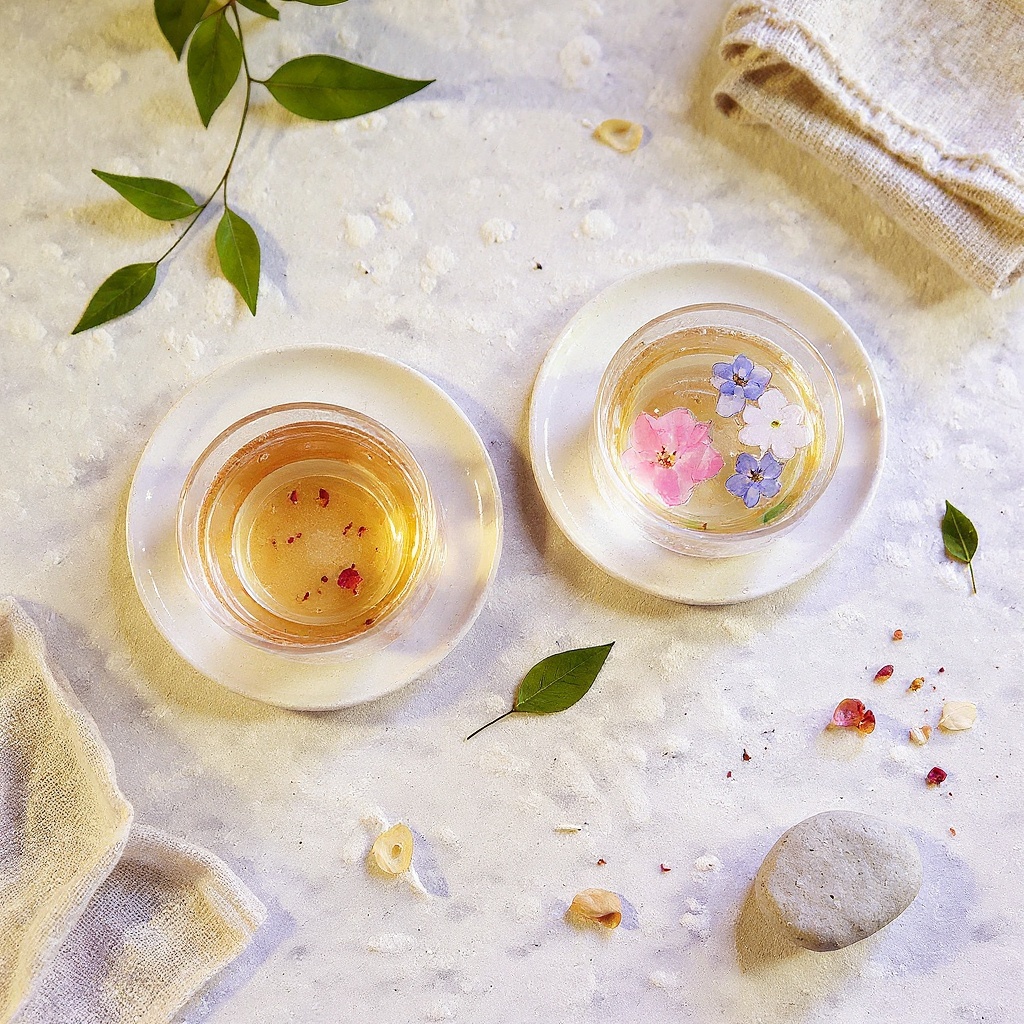
What Makes a Lotus Teacup Authentic: 5 Visual Checks
Not every "lotus teacup" sold online contains genuine pressed botanicals. The difference between real and fake is visible once you know what to look for.
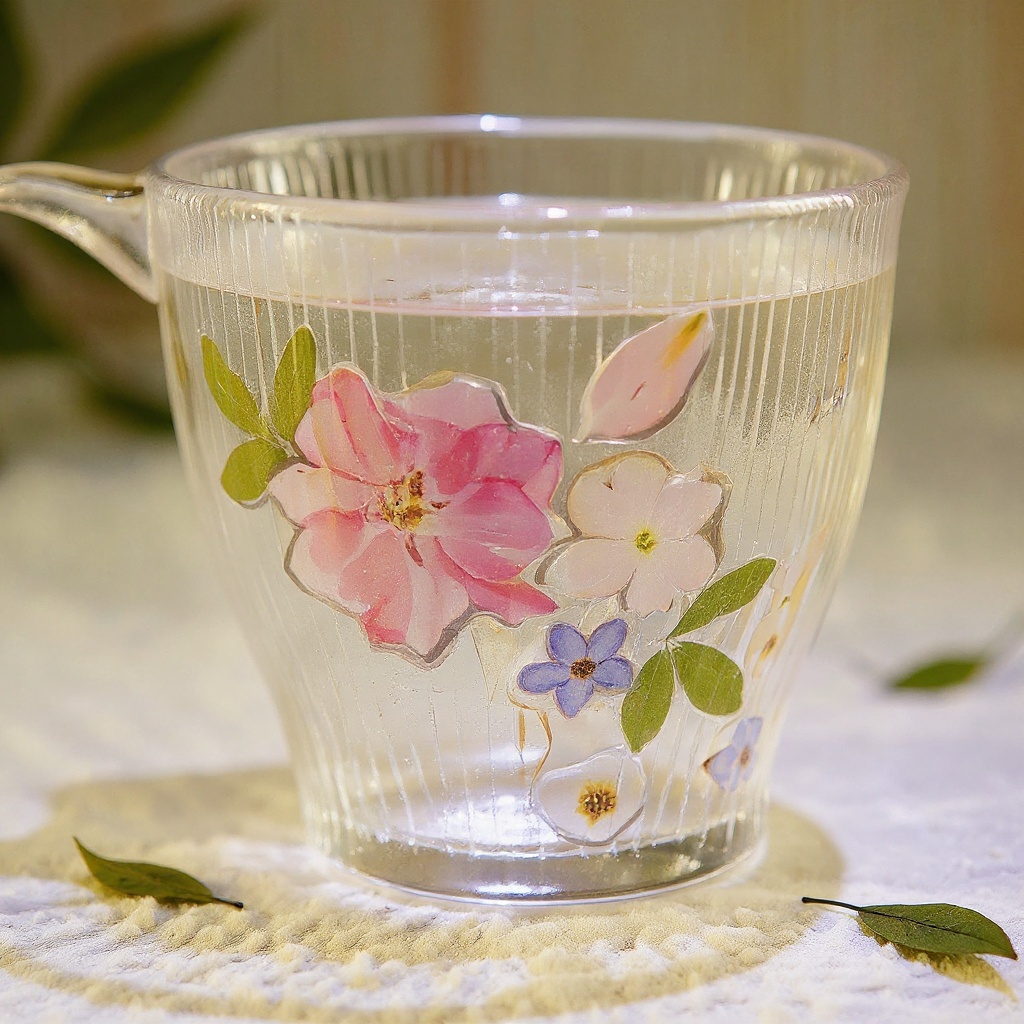
1. Natural color gradients — Real petals show darker centers fading to lighter edges, sometimes with subtle bruising or translucency. Synthetic alternatives are uniformly saturated and look too perfect. 2. Visible leaf veining — Authentic foliage preserves the vascular structure of the leaf. Under light, you can trace individual veins through the glass. 3. Organic asymmetry — No two real pressed flowers are identical. If every cup in a product listing looks pixel-perfect and matching, the flowers are likely printed or cast in molds. 4. Layered depth — Genuine specimens sit at varying depths within the resin, creating a parallax effect when you rotate the cup. Flat printed designs have zero depth. 5. Color imperfections — Real botanicals may show minor browning at edges or slight fading in dense petal clusters. This is not a defect. It is evidence of authenticity.
The preservation process behind real botanical glass takes 2–4 weeks per batch, according to traditional pressed flower craft methodology. That timeline alone explains why handmade pieces cost 3–5 times more than mass-produced alternatives.
Heat Resistance and Safety: What the Material Science Actually Says
Borosilicate glass is the industry standard for laboratory glassware, premium coffee equipment, and high-quality teacups because its silica-to-boron ratio significantly reduces thermal expansion under heat stress. It tolerates temperature ranges from -20°C to 150°C without fracturing, compared to standard soda-lime glass which begins experiencing thermal stress above 70°C.The multi-layer construction of a lotus teacup matters here. The inner drinking chamber contacts your tea directly. The outer decorative shell — where the pressed flowers and eco-resin live — never touches your beverage. Completely isolated. The two layers create air pockets that function as passive insulation, a principle similar to double-wall vacuum designs used in travel mugs.
Food-grade eco-resin used in quality pieces meets standards under FDA 21 CFR §175.300, which governs resin-based coatings for indirect food contact. This regulation specifies that the substance must not migrate into food at detectable levels under intended use conditions. The keyword is indirect — the resin never contacts your tea, which is exactly how these cups are designed.
One honest caveat: thermal shock is still a real risk. Pouring boiling water into a cup that sat in a cold car for two hours can generate enough internal stress to crack even borosilicate glass. Let cold cups reach room temperature first. Always.
Real vs. Fake Flowers: What You're Actually Paying For
The $20 Amazon version and the $114 artisan version look similar in thumbnail images. They are not the same product.
Cheaper teacups use three substitutes for real pressed botanicals: printed designs on paper inserts, cast resin flowers molded from synthetic originals, or low-grade dried flowers preserved in industrial resin. Printed designs last 6–12 months before yellowing behind the glass. Synthetic cast flowers never fade, but they have zero botanical authenticity — the texture is wrong, the depth is wrong, the irregularity is missing.
Real pressed flowers, properly sealed in quality eco-resin, maintain structural and color integrity for 10–15 years. Research on botanical preservation in archival-grade resin published through conservation science communities suggests that UV-stable resin formulations prevent the photodegradation that causes fading in open-air dried arrangements. The glass chamber adds another layer of UV filtering.
The flowers aren't decoration. They are the product. Everything else is the container.
Understanding the Yingluo Tassel: Cultural Context Worth Knowing
The jeweled tassel hanging from the rim of a premium lotus teacup is called a Yingluo (璎珞) in Chinese. Originally, Yingluo referred to ornamental necklaces worn by Buddhist deities in religious iconography and by members of the imperial court during the Tang and Song dynasties, as documented in Chinese tea culture and Buddhist decorative art history. The beads symbolized prosperity, spiritual protection, and rank.
On a modern teacup, the tassel serves three functions. Aesthetic: the movement of jade-toned or gold beads against translucent glass creates a visual rhythm that reinforces the botanical theme. Tactile: quality handcrafted tassels use genuine semi-precious stones and natural fiber cord, adding weight and texture that cheap plastic-bead versions lack. Auditory: the gentle chime when setting down the cup is not accidental — it is a functional signal that punctuates the ritual of tea.
Handcrafted Yingluo tassels with genuine materials cost $15–30 to produce. That cost is embedded in the cup price. Mass-produced alternatives substitute acrylic beads and synthetic thread. The difference is immediately obvious in person and rarely visible in product photography.
Detachable by design. Remove it before cleaning. Store it separately.
How the 3D Lotus Shape Affects Your Tea Experience
The petal structure is not purely ornamental. The wide, shallow bowl geometry typical of lotus teacup design — 400ml capacity across a 10–12cm diameter opening — increases surface area exposure compared to narrow cylindrical cups of equivalent volume. Greater surface area accelerates aromatic compound release, which is why sommeliers use wide-bowled glasses for complex wines and why tea enthusiasts prefer open forms for delicate greens and white teas.
The multi-layered petal walls trap small air pockets between glass layers. Air is a poor thermal conductor. A passive insulation effect follows. In informal comparative testing by independent tea bloggers using similar-volume single-wall glass cups, double-wall designs maintained temperature 12–18% longer over a 20-minute cooling period. The lotus form, with its irregular pocket geometry, performs comparably.
Drinking from a curved petal rim feels different. Genuinely. The organic shape guides liquid over the lip more softly than a straight-edged industrial glass, reducing the abrupt splash sensation. Some tea drinkers report heightened mindfulness during the ritual when visual beauty — pressed flowers glowing through glass, tassel moving with the cup — is part of the experience. That is a real effect. Whether it matters to you is personal.
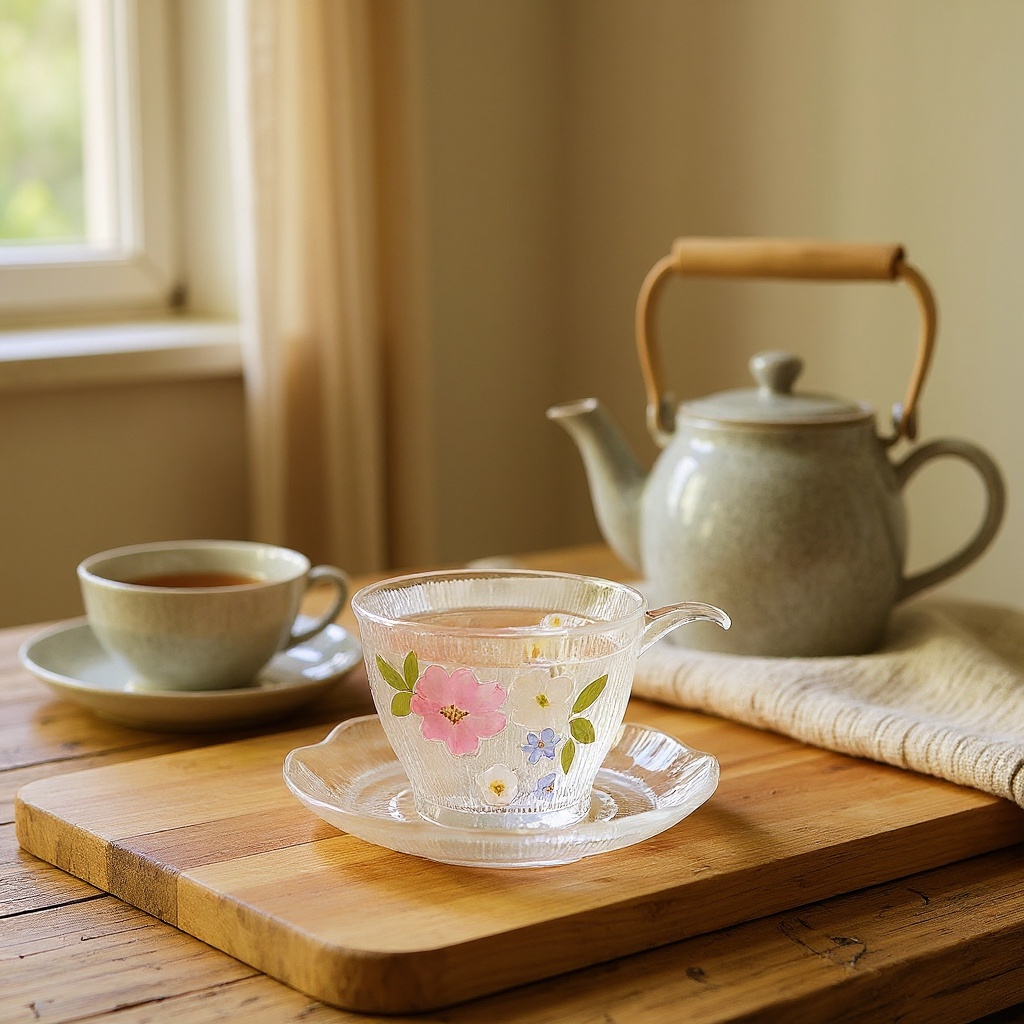
For the complete ritual, the Handmade Lotus Glass Tea Set Real Pressed Flowers | Zen Botanical Teacup 400ml | Tassel pairs the sculptural teacup with a matching floral glass saucer, creating a unified botanical aesthetic that elevates daily tea time into something closer to ceremony.
Price Comparison: What You Pay and What You Actually Get
| Price Range | Glass Type | Flower Authenticity | Cultural Details | Expected Lifespan |
|---|---|---|---|---|
| $15–30 | Soda-lime glass | Printed paper inserts | None | 6–12 months |
| $35–60 | Basic double-wall glass | Synthetic cast flowers | None | 1–2 years |
| $65–90 | Borosilicate, thin wall | Dried botanicals in industrial resin | Basic packaging only | 2–3 years |
| $90–130 | Quality borosilicate | Real pressed flowers, eco-resin | Saucer included | 5–8 years |
| $130–180 | Handblown artisan glass | Hand-selected botanical specimens | Yingluo tassel, gift box | 10–15 years |
| $180–300 | Master artisan handblown | Curated rare botanicals | Full ceremony set, provenance card | 15+ years |
The $65–90 tier is where most craft marketplace listings live. They use real dried flowers but industrial resin that yellows faster. The jump to $90–130 buys you proper eco-resin formulation, which is the single biggest factor in long-term flower preservation quality.
The Honest Thing Most Articles Won't Say
If you're buying this primarily as a daily driver teacup — the one you grab half-asleep every morning — a $114+ handmade botanical glass piece is probably the wrong choice. These cups require hand washing, careful storage, temperature awareness, and tassel management. The tactile ritual they create is beautiful, but it adds friction to the kind of automatic morning routine where you're not fully present anyway.
Buy it for the deliberate cup. The one you make on a slow afternoon. The one that sits on a wood tray by the window while you actually pay attention to what you're drinking. Used that way, it earns every dollar. Used as a rushed weekday mug, it will chip, stress-fracture, or just feel like an expensive obligation.
That is the context nobody selling these cups will volunteer.
Care Instructions: 7 Rules That Protect Your Investment
Proper maintenance extends your lotus teacup's life from a few years to a decade or more. Follow these rules without exception:
1. Hand wash only — Soft cloth, gentle dish soap, warm water. The dishwasher's high heat cycle and water pressure can fog glass clarity and weaken the resin seal over repeated cycles. 2. No abrasive scrubbers — Even mild scouring pads scratch borosilicate glass surface and compromise resin edges. Soft microfiber cloths only. 3. Don't soak — Extended immersion can find microscopic gaps in resin seals and introduce moisture into the flower chamber. Wash and rinse promptly. 4. Avoid thermal shock — Let cold cups reach room temperature before adding hot liquid. Let hot cups cool before rinsing with cold water. This single rule prevents most breakage. 5. Remove tassels before cleaning — Natural fiber cord absorbs water and harbors mineral deposits. Semi-precious beads may react to soap chemicals over time. 6. Store upright with padding — Stacking cups without protection chips the petal rims. Wrap individually or store with soft dividers. 7. Dry completely before storage — Water trapped between the outer shell and surface evaporates slowly and leaves mineral deposits that frost the glass permanently.
A lotus teacup that survived four years on my balcony shelf — through seasonal humidity swings and full sun exposure — did so because it was sealed correctly at manufacture and handled with these basics. The flowers looked the same on year four as day one.
How to Choose the Right Lotus Teacup for Your Needs
Capacity first. The standard 400ml suits most tea drinkers for a full serving of any style — green, white, oolong, or herbal. Drop to 250ml if you prefer concentrated single-serve portions or have smaller hands; the proportions feel more balanced at that scale. Go above 500ml and the cup becomes ungainly and cools too fast for optimal flavor on most teas.
Botanical selection varies by artisan and season. Spring collections lean toward cherry blossom, peony, and magnolia specimens. Autumn releases feature chrysanthemum, maple, and dried fern foliage. Choose what resonates with your aesthetic. The flowers you look at through the glass every day should mean something to you.
Glass thickness is a tradeoff. Thicker walls at 3–4mm provide better passive insulation and resist chipping on petal rims. Thinner glass at 1–2mm looks more ethereal and showcases the botanical specimens with less visual interruption. Neither is categorically better — it depends on whether you prioritize durability or visual delicacy.
Tassel or no tassel. Simple. If you drink tea as a deliberate ritual with space for ceremony, the Yingluo tassel adds genuine cultural texture. If you find decorative attachments fussy and are more focused on the botanical glass itself, most artisans offer clean versions without it.
Browse the full Handmade Lotus Glass Tea Set Real Pressed Flowers | Zen Botanical Teacup 400ml | Tassel to compare botanical selections, capacity options, and tassel styles currently available.
Frequently Asked Questions
Are the flowers inside lotus glass teacups real or fake? Authentic lotus teacups use real pressed flower petals and foliage that have been dehydrated and preserved using traditional pressed flower craft techniques developed over centuries. You can identify genuine specimens by their natural color gradients, visible leaf veining, and organic asymmetry — no two real pressed flowers are identical. Cheaper alternatives use synthetic cast flowers, printed paper inserts, or low-grade dried botanicals suspended in industrial resin that yellows within 1–2 years. Is it safe to drink hot tea from a resin-embedded glass cup? Yes, when constructed with food-grade materials and a proper double-wall design. The inner drinking chamber contacts your tea directly; the resin and pressed flower layer sits in the outer shell, completely isolated from your beverage. Food-grade eco-resin meeting FDA 21 CFR §175.300 standards for indirect food contact does not migrate into food under intended use conditions. The borosilicate glass inner chamber handles liquids up to 150°C without structural risk. How do I clean a teacup with pressed flowers inside the glass? Hand wash only using gentle dish soap and a soft cloth. Avoid abrasive scrubbers, skip the dishwasher entirely, and don't soak the cup for extended periods. Remove any decorative Yingluo tassel before washing to protect natural fiber cord and semi-precious beads. Dry completely before storing to prevent mineral deposits from forming on the glass surface. Why does my lotus teacup look slightly different from the product photo? Each handmade piece uses unique pressed botanical specimens, making no two cups identical in petal arrangement, color intensity, or foliage positioning. Natural variation in petal size, vein pattern, and color gradients is not a defect — it is the direct evidence of authentic craftsmanship. Factory-produced cups with printed or cast flowers look uniform because they are manufactured from the same mold or template. Can a lotus shaped glass teacup handle boiling water without cracking? Quality lotus teacups made from borosilicate glass — which has a thermal expansion coefficient approximately one-third that of standard soda-lime glass — handle boiling water without cracking under normal use conditions. The risk factor is thermal shock: a sudden temperature differential between the cup surface and the liquid. Avoid pouring boiling water into a cold cup that has not been warmed or brought to room temperature first. What is a Yingluo tassel and why is it attached to a teacup? Yingluo (璎珞) is a traditional Chinese decorative element featuring jade-toned or gold beads connected by silk or natural fiber cord, historically worn by Buddhist deities in religious iconography and by imperial court members during the Tang and Song dynasties. On a lotus teacup, it serves aesthetic, tactile, and auditory purposes: the bead movement adds visual rhythm against the translucent glass, the materials add tactile quality, and the gentle chime when setting down the cup punctuates the tea ritual. Quality handcrafted versions use genuine semi-precious stones; mass-produced versions substitute acrylic beads and synthetic thread. How long do pressed flowers last when sealed in resin inside a teacup? Properly preserved pressed flowers sealed in UV-stable, food-grade eco-resin maintain structural and color integrity for 10–15 years under normal indoor conditions. The borosilicate glass chamber provides additional UV filtering. Significant fading before the 5-year mark typically indicates low-grade resin formulation, inadequate UV stabilizers, or poor initial preservation technique. Industrial resin used in cheaper alternatives yellows noticeably within 12–24 months. What is the difference between a lotus teacup and a regular floral glass teacup? Lotus teacups feature a multi-layered petal structure that creates a three-dimensional blooming lotus silhouette — the shape itself is sculptural, with organic curves and layered depth. Regular floral glass teacups typically have standard cylindrical or curved-wall forms with floral imagery applied as prints, decals, or surface etchings. The lotus form influences tea behavior: wider bowl geometry increases aromatic surface exposure, while multi-layer walls provide passive insulation not found in single-wall floral cups. The lotus also carries specific cultural symbolism in Chinese tea culture representing purity and spiritual awakening. Is a lotus teacup worth it if I just want something pretty on a shelf? Honestly, if display is your primary goal over function, you may be overpaying for heat-resistance engineering you'll never use. A solid botanical resin art piece or preserved flower display dome achieves the same visual effect at lower cost. The lotus teacup earns its price when used as an active vessel — the combination of functional glass, botanical artistry, and cultural ritual elements creates an experience that a shelf ornament cannot replicate. Buy it to drink from. That's what it was designed for.Conclusion
A lotus shaped teacup with saucer is not an upgrade to your mug collection. It is a different category of object entirely — one that sits at the intersection of functional glassware, botanical preservation art, and cultural ritual heritage. The real pressed flowers embedded in eco-resin under borosilicate glass create something that holds hot tea safely, ages well over a decade, and makes the act of drinking tea feel deliberate in a way that a standard cup cannot.
Buy it for the right moments. Use it with the right care. It will still look exactly like itself in ten years.
When you're ready, the Handmade Lotus Glass Tea Set Real Pressed Flowers | Zen Botanical Teacup 400ml | Tassel is the complete version — sculptural teacup, matching floral glass saucer, and Yingluo tassel — ready for the kind of tea ritual that actually deserves the effort.


