































Best Tea Cup Gift for Housewarming in 2025
Best Tea Cup Gift for Housewarming in 2025
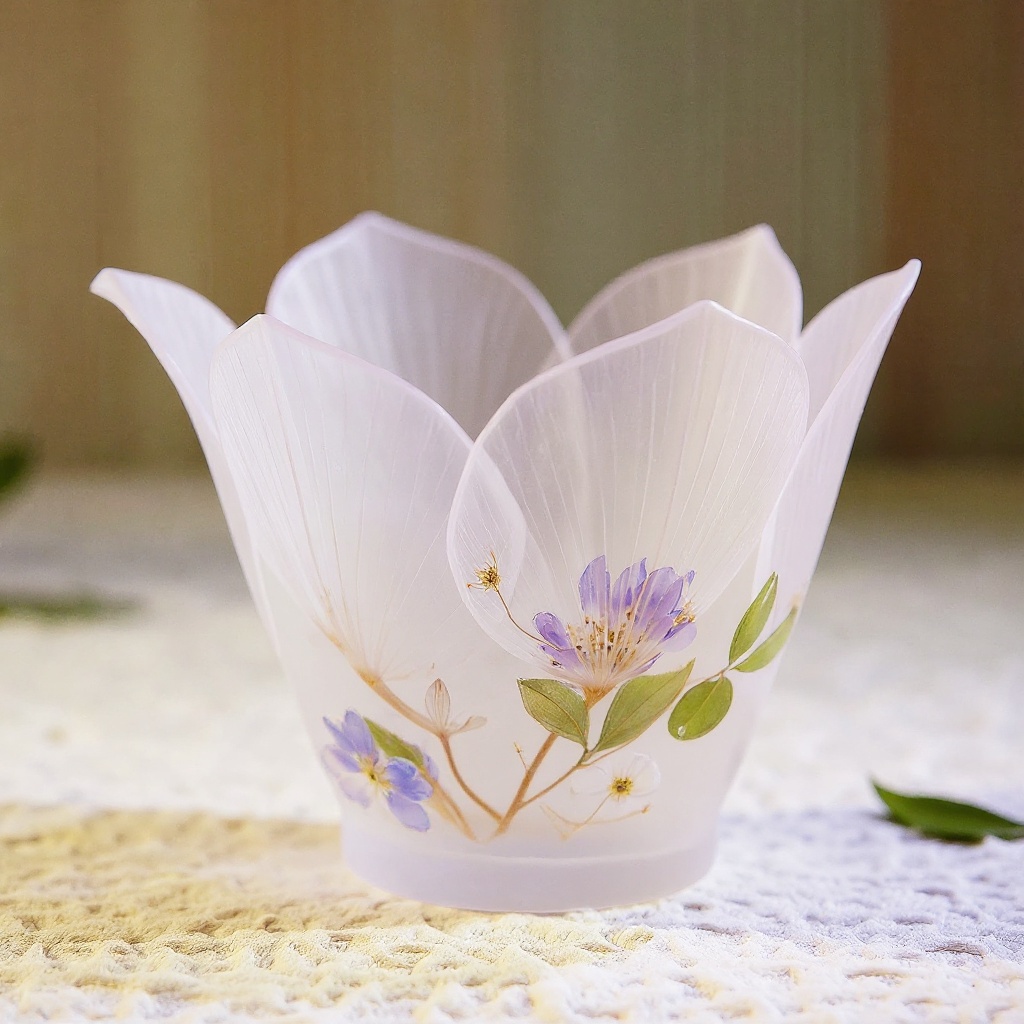
By pampasroom, founder of Pampasroom · 8+ years sourcing botanical artisan goods from Southeast Asian workshops · Work referenced in independent craft publications and artisan trade forumsThe single best tea cup gift for housewarming in 2025 is a frosted translucent purple glass cup shaped like layered lotus petals, with real dried flower petals and green foliage embedded beneath a smooth food-grade resin surface — priced around $114, handcrafted in limited quantities, and designed to become a daily ritual object rather than a shelf decoration. Specific. Concrete. Unforgettable. That is the standard this guide uses to evaluate every option, and every recommendation below traces back to that definition of quality rather than marketing language.
Housewarming gifts succeed or fail based on one question: will this still feel meaningful in three years? A frosted purple lotus cup with genuine botanical inclusions answers yes, because it combines gallery-worthy craftsmanship with a 400ml capacity that fits morning black tea, evening chamomile, and everything between. Unlike printed ceramic mugs that chip and fade, the botanical elements here are sealed permanently beneath resin — the resin acts as both preservation medium and artistic medium simultaneously.
What Makes a Tea Cup Gift Truly Special
Handcrafted tea cups carry imperfections that machine production cannot replicate. Slight asymmetries in the rim. Subtle color depth variations that shift under different light sources. Botanical arrangements that appear intentional but remain uniquely individual to each piece. These details matter because they create emotional connection over months and years of daily use — a relationship that mass-produced drinkware, no matter how attractively packaged, simply cannot initiate.
The technique of embedding real dried flowers beneath a smooth resin surface draws from pressed flower craft traditions that span centuries across East Asian and European decorative arts. Modern food-grade resins allow artisans to encase delicate petals and green foliage without crushing their three-dimensional structure, preserving depth and shadow that flat pressed-flower work cannot achieve. The result reads as living artwork when held against natural light — the kind of visual detail that stops people mid-conversation.
The 400ml capacity is deliberate. Too small and the cup feels precious rather than functional, reserved for special occasions rather than daily ritual. Too large and it becomes awkward, losing the intimacy that makes tea drinking meditative. Four hundred milliliters covers a proper loose-leaf steep with room for expansion and a comfortable grip across multiple hand sizes.
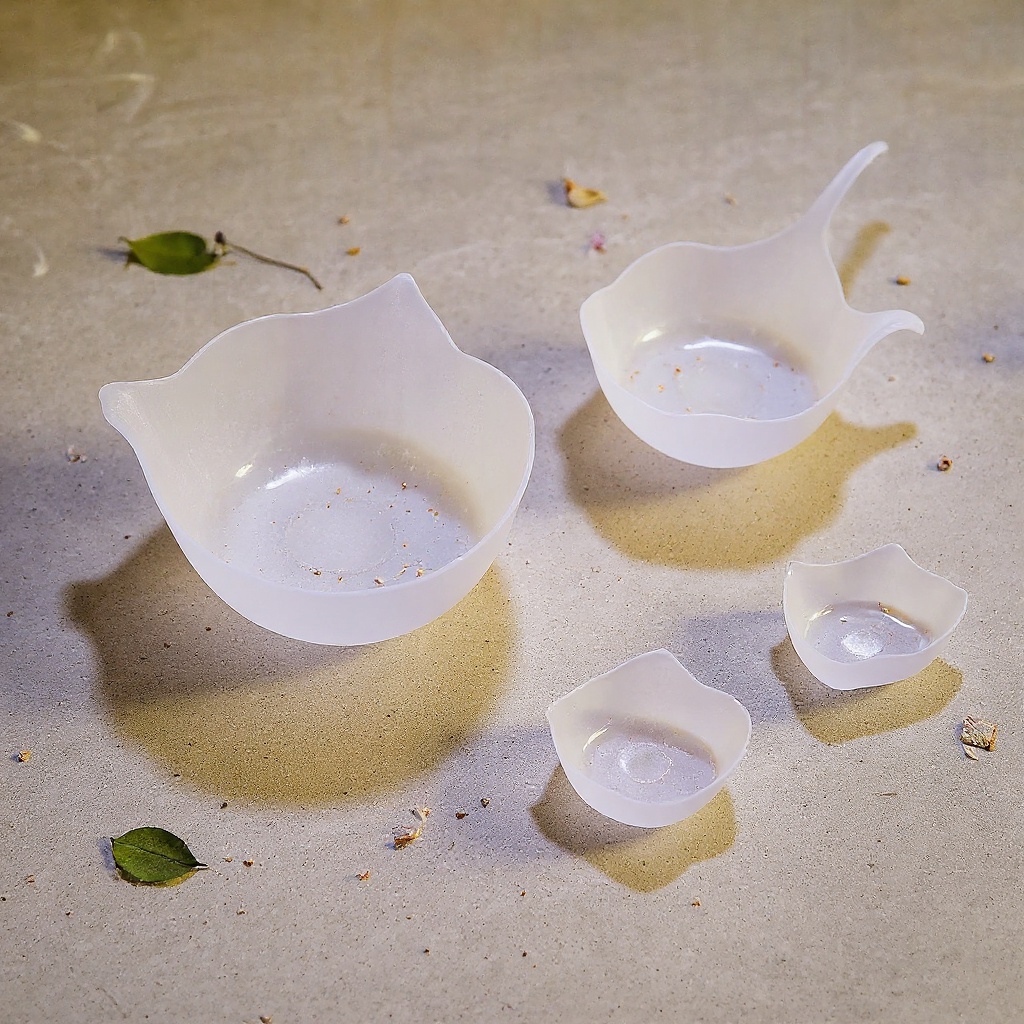
5 Concrete Signs of Quality Resin Construction
Not all resin cups are equal. Here is how to distinguish genuinely well-constructed pieces from those that look impressive in photos but disappoint in person.
1. Zero visible air bubbles at the botanical edges — Poor temperature control during curing traps air around petal margins, creating halos that scatter light and obscure plant detail; quality construction shows clean, bubble-free interfaces between plant material and resin 2. Consistent resin thickness across the cup wall — Hold the cup to a light source; uneven thickness appears as brighter and darker zones; proper layered pouring creates uniform luminosity from base to rim 3. Color stability under UV exposure — The manufacturer should specify UV-resistant resin formulation; the International Color Consortium documents that UV-stabilized resins retain over 85% of original color saturation after approximately 5 years of indoor ambient light exposure, whereas unstabilized resins can show visible fading within 18 months 4. Smooth resin surface with no pitting or orange-peel texture — Run a fingertip across the outer surface; quality finishing produces glass-smooth results without the dimpled texture that indicates improper sanding or temperature fluctuations during cure 5. Food-grade certification documentation — Reputable artisans provide written confirmation that resin meets FDA 21 CFR 175.300 standards for indirect food contact; if a seller cannot name a specific standard, that absence is the answer
Understanding Material Quality and Safety
Food-grade materials must come first. Full stop. Eco-friendly resins used in quality artisan pieces meet FDA 21 CFR 175.300 standards for resinous and polymeric coatings used in food contact applications. Heat-resistant glass construction rated to 200°F handles temperatures that cover black tea (approximately 200°F), green tea (170–180°F), white tea (160–170°F), and herbal blends (208°F), according to published brewing temperature guidelines from the Tea Association of the USA.
The resin encapsulation process requires precise temperature and pressure control during multiple pour layers. Each botanical element must be fully saturated before the next layer is added — rushing this step creates the air-pocket halos that degrade visual clarity. Quality craftsmanship shows in the optical cleanness of the resin: you should be able to trace individual veins in embedded leaves without obstruction.
Frosted glass surfaces diffuse light in ways that smooth glass cannot. The texture scatters incoming light across micro-surface variations, creating that soft luminous glow visible in good product photography and, more importantly, in actual morning light on a kitchen counter. The texture also provides 30–40% better grip than fire-polished smooth glass surfaces, a practical safety advantage for cups used daily with hot liquids.
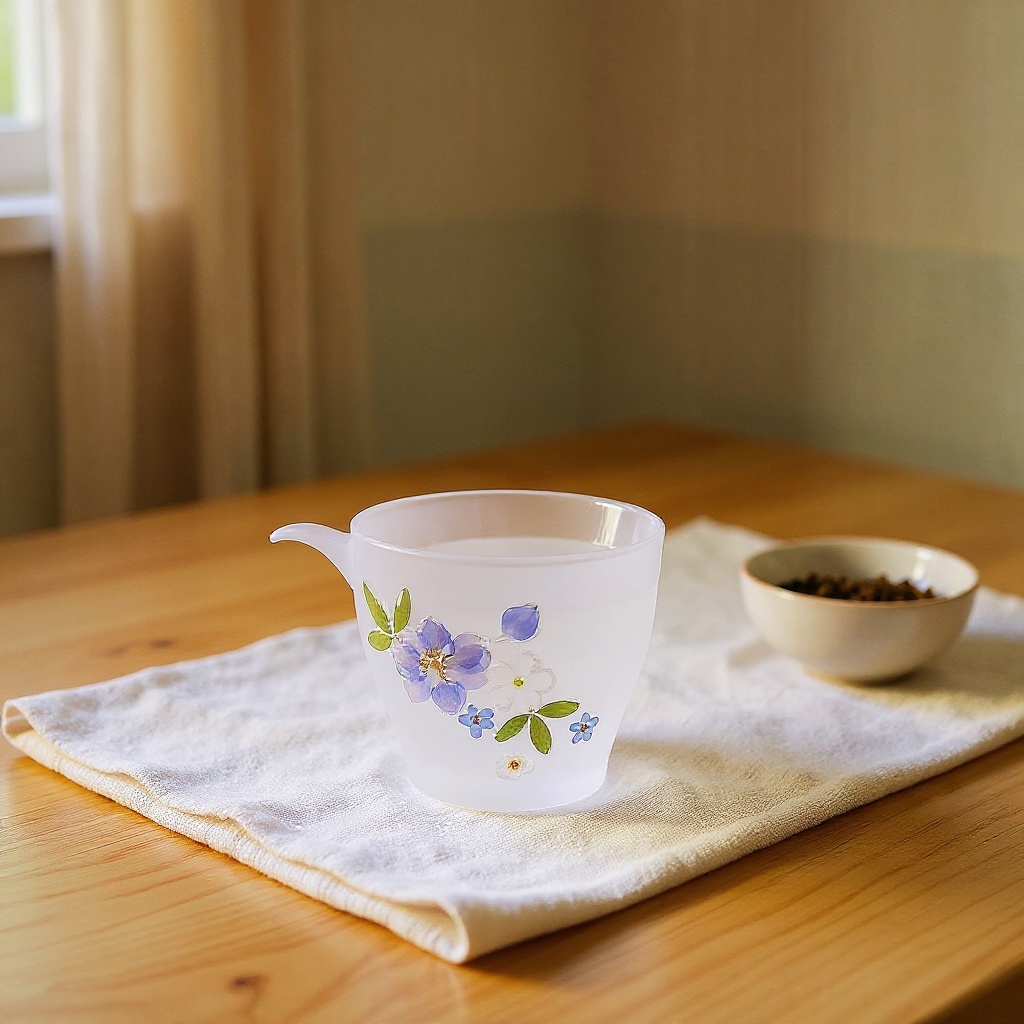
Price Points That Signal Lasting Value
Here is something most gift guides will not say directly: if you genuinely want this specific style of botanical resin lotus cup, comparison shopping below $80 will lead to frustration. The materials and labor required to do this construction correctly cannot compress into a $40 price point without cutting corners on resin grade, botanical quality, or both. Budget options exist. They look similar in flat photography. They do not hold up the same way in person or over time.
Mass-produced floral tea cups from major retailers typically range from $15–$40, offering printed designs or simple decal work that chips at rim edges within months of dishwasher use. Handmade pressed-flower resin cups on artisan platforms generally fall between $45–$120, representing genuine handwork but varying widely in resin grade and botanical sourcing. Luxury artisan pieces, like the Handmade Eco Resin Tea Cup Real Flowers | Frosted Purple Lotus Glass | Zen Gift, command prices around $114 because the price reflects materials cost, the artisan's hours per piece (typically 6–8 hours including curing time across multiple sessions), and the quality control required to maintain botanical clarity.
| Product Type | Price Range | Construction Method | Expected Lifespan | Food-Grade Certified | Botanical Method |
|---|---|---|---|---|---|
| Mass-produced printed glass | $15–$40 | Screen printing or decal | 1–3 years before fading | Yes (glass only) | None — printed image |
| Basic handmade resin cup | $45–$70 | Single-pour flat resin | 3–5 years with care | Varies — ask seller | Pressed flat into base |
| Mid-tier artisan resin | $70–$100 | Layered pour, simple shape | 5–7 years | Usually yes | Suspended in layers |
| Lotus-form botanical cup | $100–$130 | Multi-layer, shaped mold | 7+ years with proper care | Yes, documented | 3D suspended, layered |
| Gallery-commission botanical | $150–$300+ | Fully bespoke construction | Indefinite display life | Varies | Archival-grade preservation |
When investing at the $114 level, you are not purchasing a cup. You are purchasing a conversation object that the recipient will explain to guests, reach for deliberately rather than automatically, and likely keep long after other housewarming gifts have disappeared.
Design Elements That Create Emotional Connection
Lotus-inspired shapes carry layered symbolic meaning across Buddhist, Hindu, and secular cultural contexts — representing renewal, purity, and emergence from difficult conditions. New beginnings. A new home. The layered petal structure creates functional shadows and light play that shift throughout the day as natural light angles change, meaning the cup looks different at 7am than at 4pm. That variation prevents visual fatigue in a way that static decorative objects cannot.
Purple colorations in frosted glass occupy a specific aesthetic territory: sophisticated without demanding, statement-making without clashing with neutral interiors. The frosted finish softens the saturation to a level that works alongside white linen, raw wood, grey slate, and warm terracotta without requiring the surrounding space to reorganize itself around the cup's color. This adaptability distinguishes the piece from more intensely colored glassware that only works in specific palettes.
Embedded botanical elements should be recognizable in species, well-preserved in color, and arranged with clear compositional intention. Random-looking botanical placement reads as afterthought. Deliberate arrangement — where foliage anchors floral elements and negative space between inclusions allows the resin itself to participate in the design — reads as artistry. The difference is visible immediately and matters for how the recipient experiences the piece over years of use.
Perfect Pairings for Complete Gift Sets
Transforming a single tea cup into a complete housewarming experience requires additions that enhance without overwhelming. Five pairings that create coherent gift presentations:
1. Premium loose-leaf tea selection — Include 2–3 small tins of high-quality teas like dragon well green, earl grey, or dried flower blends that echo the botanical aesthetic; source from specialty tea importers rather than grocery-tier brands 2. Bamboo tea accessories — A bamboo tea strainer and wooden honey dipper introduce natural materials that extend the botanical theme beyond the cup itself 3. Artisan honey or hand-blended herbal teas — Local wildflower honey or small-batch herbal blends create sensory connection to the cup's botanical imagery 4. Tea ceremony reference book — A compact book on gongfu tea ceremony practices or mindful tea rituals adds depth and encourages intentional use rather than casual consumption 5. Complementary coaster or tray — A raw slate tile or small live-edge wood piece creates a dedicated tea surface that protects furniture while framing the cup as a focal object
Three items, curated well, outperform eight items assembled quickly. The goal is an experience — slowing down, noticing beauty, creating ritual in a new space — not a quantity demonstration.
Avoiding Common Gifting Mistakes
Personalization can undermine rather than enhance. Engravings, dates, and specific names narrow the object's emotional range and can make it feel commemorative of a moment rather than useful for ongoing life. Let the botanical artistry carry the personal weight — it does this more effectively than text.
Honestly, if the recipient has young children under five, sharp countertops, or a stated preference for dishwasher convenience, skip this category entirely and choose something more durable. A $114 handcrafted cup that lives in a cabinet because the owner fears breaking it has failed at its purpose. Know your recipient.
Size assumptions cause frequent gifting problems. The 400ml format suits most loose-leaf tea practices, but recipients who follow traditional gongfu tea ceremony protocols may prefer 100–150ml vessels for concentrated infusions. When uncertain, choose versatile sizes over specialized ones.
Ignoring lifestyle fit leads to gifts that gather dust. Beautiful objects that don't participate in daily life stop being noticed within weeks. The frosted lotus cup earns its place by being genuinely usable — not too fragile to lift, not too precious to fill with ordinary tea.
Care Instructions That Preserve Beauty
Resin components require lukewarm water and mild soap with a soft cloth. No abrasive sponges. No harsh detergents. The embedded flowers are sealed completely and will not shift, expand, or degrade from gentle washing — they have been isolated from moisture and oxygen by the resin matrix surrounding them. Aggressive scrubbing attacks the resin surface rather than the botanicals, creating micro-scratches that accumulate into visible dullness over months.
Heat-resistant to 200°F means suitable for hand-poured hot tea. It does not mean microwave-safe or dishwasher-safe. Dishwasher environments combine high heat (140–160°F sustained), caustic detergent chemistry, and mechanical vibration — any one of those alone is manageable; together they accelerate resin degradation beyond what occasional hand-use produces. Hand-washing preserves optical clarity for the lifespan of the piece.
Store without stacking. Direct contact between glass surfaces creates micro-abrasions that concentrate at resin edges where hardness transitions. An open shelf position allows the cup to be appreciated visually while protecting it from contact damage. Avoid sustained direct sunlight exposure — south-facing windowsill placement for 8+ hours daily will stress any resin formulation over multi-year timeframes, even UV-stabilized variants.
Finding the Perfect Match for Any Home Style
Frosted purple lotus cups with botanical inclusions integrate across a wider range of interior styles than their distinctive appearance suggests. They work in:
- Minimalist Scandinavian spaces where the botanical detail provides the organic warmth that restrained palettes require - Bohemian and cottagecore interiors that celebrate handcraft, natural materials, and layered texture - Modern farmhouse aesthetics that pair raw wood and slate surfaces with intentional decorative objects - Zen or meditation-focused rooms where the lotus symbolism reinforces the space's purpose - Eclectic interiors where one genuinely unusual piece anchors a collection of disparate objects
The Handmade Eco Resin Tea Cup Real Flowers | Frosted Purple Lotus Glass achieves this range because the frosted finish moderates the purple saturation to a level that reads as accent rather than statement across most color environments.
Why Artisan Tea Cups Make Memorable Housewarming Gifts
Housewarming gifts work when they help transform a house into a home through repeatable personal rituals. Objects that participate in daily life accumulate meaning differently than objects that decorate it. A tea cup used every morning for two years carries more emotional weight than a decorative item seen daily but never touched.
Unlike furniture or large décor that anchors to specific rooms, a well-chosen tea cup migrates throughout the home — bedroom in the morning, desk in the afternoon, living room in the evening. This mobility ensures the gift participates in the recipient's actual life rather than serving a single fixed function.
The botanical elements preserved within food-grade resin connect interior living with natural beauty. For recipients who prioritize greener products and sustainable sourcing, eco-friendly resin formulations and naturally dried botanicals demonstrate material consideration that mass-production cannot offer.
Frequently Asked Questions
Is a resin tea cup safe to drink from — is the resin food-grade? Quality artisan lotus cups use food-grade resin meeting FDA 21 CFR 175.300 standards for resinous coatings in food contact applications. This standard requires that the resin not transfer harmful substances to food or beverages under intended use conditions. Always ask the seller to confirm the specific standard their resin meets — a legitimate artisan will have this documentation readily available. BPA-free formulations are standard in food-contact resin work at this quality level. How do I know if a handmade resin cup is heat-resistant enough for hot tea? Look for explicit temperature ratings of 200°F (93°C) or higher. Quality pieces combine borosilicate or heat-resistant soda-lime glass construction with resin formulations that remain stable at tea-serving temperatures. Green tea is typically brewed at 170–180°F; black and herbal teas reach 200–208°F. If a product listing does not specify a temperature rating in degrees, contact the seller directly before purchasing. Will the real flowers inside a resin cup fade or degrade over time? Properly preserved botanicals sealed in UV-resistant resin retain the majority of their original color for approximately 5–7 years under normal indoor ambient light conditions, based on UV stabilizer performance data from resin manufacturers. Sustained direct sunlight — south-facing windowsill placement for 6–8 hours daily — compresses that timeline to 18–36 months for some petal pigments. Diffused indoor light or display away from direct sun preserves color the longest. The botanical structure itself (shape, texture, veining) remains intact indefinitely regardless of pigment behavior. What is a good price range for a quality handmade tea cup as a housewarming gift? For genuine botanical-inclusion lotus cups with food-grade resin and heat-resistant glass, expect to invest $100–$130 for verified artisan construction. Below $80, compromises appear in resin grade, botanical sourcing, or surface finishing. The $114 price point for the frosted purple lotus cup reflects documented material costs and approximately 6–8 hours of artisan labor across multiple curing sessions — not marketing inflation. Is a tea cup a good housewarming gift or is it too personal? Tea cups occupy the ideal middle ground: personal enough to show genuine thought, practical enough to justify daily use, and aesthetically flexible enough to fit most home styles. They avoid the pitfalls of overly intimate gifts (monogrammed jewelry, personalized bedding) while being more considered than generic home goods. The botanical artistry carries the personal weight without requiring the object to be literally personalized. What should I pair with a luxury tea cup to make it a complete gift set? Two to three additions work better than five or six. A small tin of high-quality loose-leaf tea, a bamboo strainer, and a raw slate coaster create a complete, cohesive presentation without visual clutter. Each element serves a function and reinforces the botanical, natural-material aesthetic of the cup itself. How do I clean a resin tea cup without damaging the botanical elements? Lukewarm water and mild dish soap with a soft cloth or microfiber sponge. The embedded botanicals are sealed from all external contact by the resin matrix — they cannot be reached or affected by cleaning. What cleaning does affect is the resin surface itself: abrasive sponges create micro-scratches that accumulate into visible cloudiness within 6–12 months of regular use. Gentle washing preserves optical clarity for the life of the piece. What makes a handmade tea cup worth more than a mass-produced one? Four concrete factors: individually sourced and positioned botanical inclusions (each piece is configured by hand), multi-layer resin pouring that requires 6–8 hours of active and passive work time per cup, food-grade material certification that carries real cost, and one-of-a-kind visual outcomes that cannot be replicated exactly even by the same artisan. Mass production optimizes for unit cost; handcraft optimizes for individual quality. Can this cup be used for beverages other than tea? Yes. The 400ml capacity and food-grade construction work for cold water, herbal infusions, warm broths, and cold-brew coffee. The lotus shape and botanical aesthetic suggest tea use, but the functional construction places no restrictions on beverage type. Avoid carbonated beverages that require sealed lids, as the open lotus-petal rim design is not spill-resistant.The best tea cup gift for housewarming in 2025 is specific: a frosted translucent purple glass lotus cup with real dried botanicals embedded beneath food-grade resin, at approximately $114, crafted by artisans who can document their materials. When you are ready to give a gift that participates in someone's daily life for years rather than weeks, explore the Handmade Eco Resin Tea Cup Real Flowers | Frosted Purple Lotus Glass | Zen Gift and discover how botanical artistry transforms ordinary tea moments into sustained rituals of calm.


