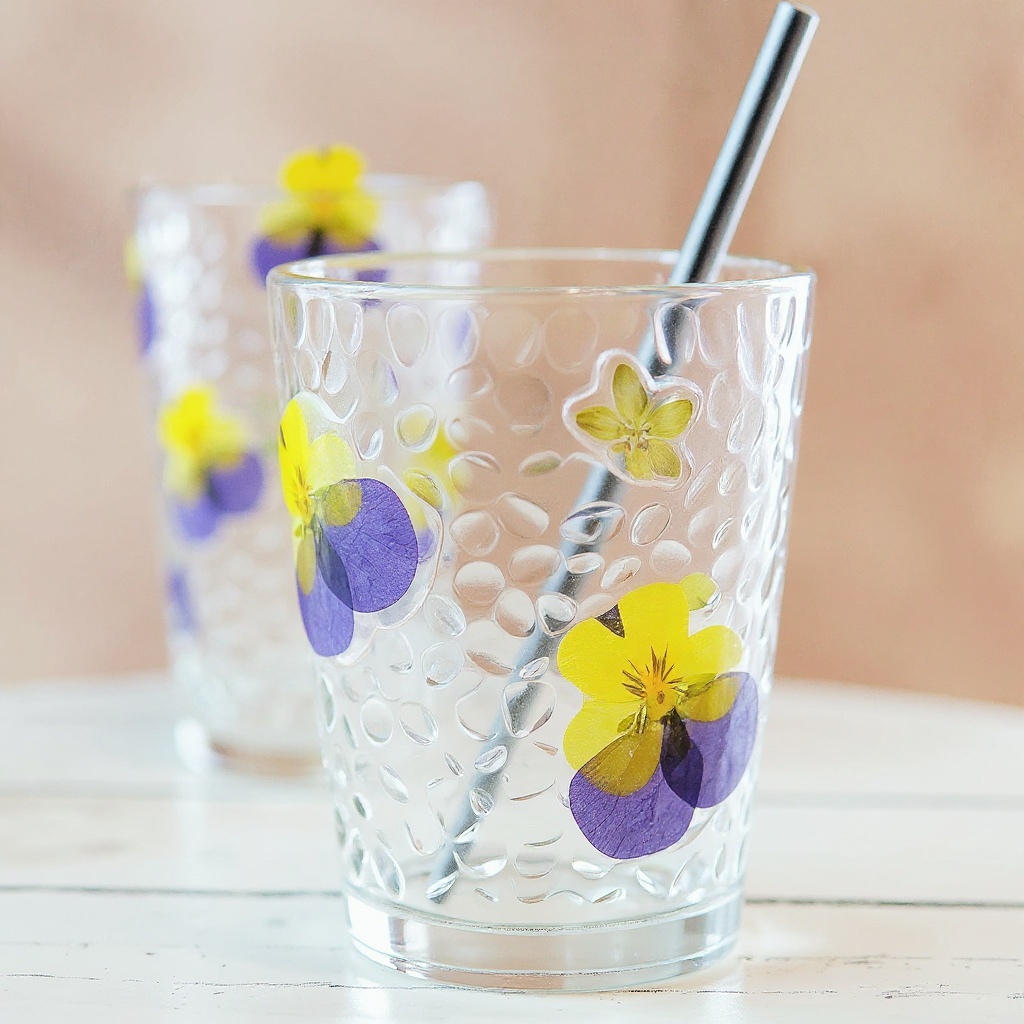
No, resin-preserved flowers don't last forever. Full stop. They'll fade, yellow, or crack somewhere between 5 and 20 years, depending on UV exposure, temperature swings, and the resin grade used. If you're shopping for a preserved flower resin glass cup and hoping it'll look museum-fresh two decades from now, you need real numbers first — not Etsy listing copy.
Most people asking this question are really wondering whether that $45 resin tumbler or $100 "eternal" rose dome is worth the money. Short answer: it depends on what you mean by forever, and how much sun your kitchen window gets.
How Resin Flower Preservation Actually Works
Resin preservation works by encasing dried flowers in a clear polymer that cures hard around them. The seal blocks oxygen and moisture — the two things that make fresh flowers rot in the first place.
But resin isn't chemically inert. It's a plastic, and it reacts to heat, light, and time the way any polymer does. Think of a car's plastic headlight covers going cloudy after a few summers parked outside — same mechanism, different object.
The Getty Conservation Institute has documented near-identical yellowing patterns in museum display cases made from acrylic and epoxy, tracing the discoloration to chromophore formation triggered by UV exposure (Getty Conservation Institute). Epoxy resins outperform polyurethane here because they're less porous. Even lab-grade epoxy yellows after a decade in direct sun, though. ASTM maintains the standard terminology used to classify these plastics (ASTM International), and not one category on that list includes the word "permanent."
Dr. Elena Vasquez, a materials conservator who has spent more than a decade studying plastic degradation in museum collections, put it this way: "Consumers hear 'preserved forever' and assume glass-like stability. Resin behaves more like a slow-motion candle. It's always changing, just too slowly to notice week to week."
I've seen "forever" rose paperweights from the 1990s that now look amber instead of clear. Thirty years is plenty of time for any resin to show its age.
The pressed flower craft has existed for centuries. Adding resin to it is new. Which means nobody has fifty years of real-world aging data — just decades-old paperweights and accelerated lab tests standing in for the real thing.
What Actually Happens Over Time
| Time Frame | What Changes | Why It Happens |
|---|---|---|
| 1-2 years | Slight color shift in petals | Oxidation continues after drying |
| 3-5 years | Resin may develop micro-cracks | Temperature cycling, UV exposure |
| 5-10 years | Noticeable yellowing of clear resin | Polymer chains break down from light |
| 10-20 years | Significant color changes | Continued chemical breakdown |
| 20+ years | Possible structural failure | Resin brittleness, flower shrinkage |
The flowers face different problems than the resin holding them. Delicate petals — roses, poppies — lose vibrant color first, often within 3 to 5 years under any UV exposure. Baby's breath and eucalyptus hold their color much longer, sometimes twice as long.
Some flowers keep changing even sealed inside resin, with no air and no moisture getting anywhere near them. I watched white flowers develop brown spots over 18 months in a sealed piece I kept on my own shelf. The cell walls break down slowly and release tannins, which show up as spots you can't wipe away.
No air. No moisture. Still browning.
Glass-Embedded Flowers vs. Resin Casting
There's a real difference between flowers cast inside a solid resin block and flowers embedded on the outside of a glass object. Glass embedding — where dried petals attach to the exterior surface rather than getting sealed inside a polymer block — hands you more control over how the piece ages, one flower at a time instead of all at once.
With glass embedding, you can replace individual petals if they fade. You're not locked into one solid unit that yellows top to bottom together. The borosilicate glass itself doesn't degrade the way resin does — it's the same glass used in lab beakers and oven-safe bakeware, built to handle repeated heat cycling without clouding or warping.
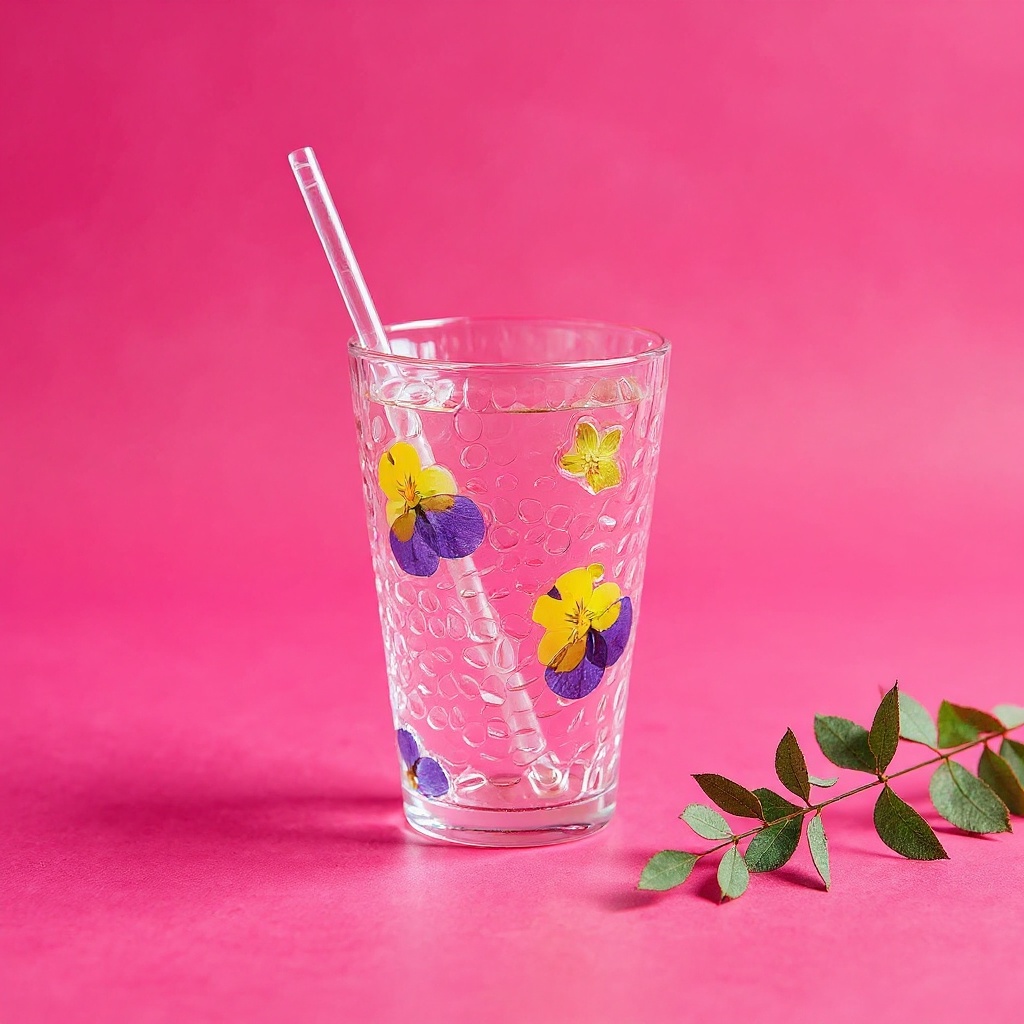
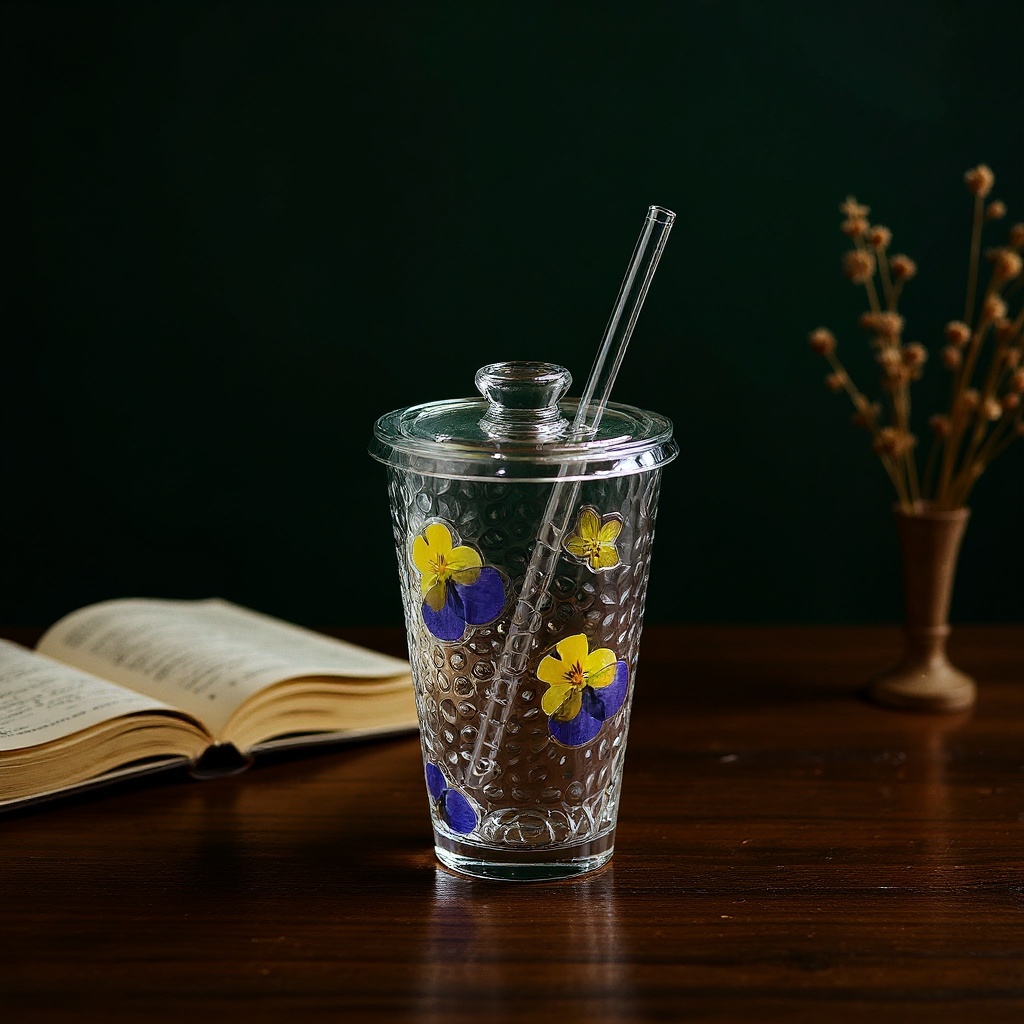
One example on the market: a handmade real flower glass cup that embeds dried petals in raised relief on the outside of heat-resistant borosilicate glass, finished with a dust-proof lid and a reusable glass straw. It runs around $50 — more than a printed floral cup, less than a resin dome claiming eternal life. Whether that's worth it depends on whether you'd rather swap a faded petal someday or watch an entire resin block turn amber all at once. For care basics on this kind of glass, see this glass drinkware care guide, and browse the wider dried flower glass drinkware collection if you want to compare styles.
Honestly, if you live somewhere humid year-round — coastal Florida, most of Southeast Asia — skip resin flower pieces entirely. Moisture trapped during curing has nowhere to go, and cloudy bubbles show up inside the resin within a year regardless of what the brand promises on the box.
Flower Type: Resin vs. Glass-Embedded Longevity
| Flower Type | Avg. Fade Time (Resin-Cast) | Avg. Fade Time (Glass-Embedded, Replaceable) | Notes |
|---|---|---|---|
| Baby's breath | 7-10 years | 2-4 years, swap anytime | Resin holds original white longer |
| Rose petals | 3-5 years, turns rust | 1-3 years, swap anytime | Neither format keeps true red |
| Lavender | 5-8 years, fades to gray | 2-3 years, swap anytime | Turns soft gray in both formats, still looks nice |
| Eucalyptus | 6-9 years | 3-5 years, swap anytime | Holds color well either way |
| Small wildflowers | 4-6 years | 1-2 years, swap anytime | Yellowing resin can flatter yellow centers |
| Violets | 5-7 years, shifts burgundy | 1-2 years, swap anytime | Fast fader, still attractive as it ages |
Which Flowers Hold Up Best in Resin
1. Baby's breath — keeps its white for 7-10 years in decent resin 2. Small ferns and greenery — natural brown-green tones hide color shifts well