
A square glass cup with lid and straw works best when it's made from borosilicate glass at least 3mm thick, paired with a silicone-gasket lid rather than a press-fit one, and used with a straight straw. That combination handles heat, resists chipping, and actually seals. Everything below explains why.
I bought six of these cups over four months — three cheap ones from a marketplace app, three mid-range options, and one hand-embedded preserved flower version — and used each one daily until something failed or I got bored. Two cracked. One lid warped in the dishwasher. Here's what I found.
Check the Glass Type Before You Buy
Glass thickness matters more than most buyers realize. The difference between a square glass cup with lid and straw that survives daily hot tea and one that cracks on first use comes down to roughly 3mm of borosilicate versus regular soda-lime glass. That's it. That's the whole secret.
Most people shop for looks first. Understandable — these cups are gorgeous, and the botanical relief detailing photographs beautifully on a marble counter. But if you're spending $30 to $70 on a premium glass cup, you want something that survives 180°F water without a fight.
Borosilicate glass handles thermal shock better than soda-lime. Regular soda-lime glass — what most cheap tumblers use — expands and contracts too much when temperatures shift fast. Pour hot coffee into a thin soda-lime cup and you're gambling with your countertop.
According to Corning's technical glass documentation, borosilicate formulations typically withstand temperature differentials up to 320°F without stress fracturing, compared to roughly 100-150°F for standard soda-lime glass. That's the gap between room-temperature water and near-boiling liquid.
Thickness confirms durability, but weight tells the real story. Budget glass cups run 1.5-2mm thick and feel almost hollow in your hand. Premium ones hit 3-4mm. Pick one up. You'll feel it immediately — there's substance, not just shape.
Steps to Test Glass Durability Before You Trust a Cup
I didn't just guess at durability. Here's the test sequence I ran on all six cups:
1. Fill with room-temp water, then add ice — check for cracking sounds within 60 seconds 2. Pour 180°F water directly into a cold, dry cup — no pre-warming, this is the worst-case scenario 3. Drop a metal spoon in from 4 inches up — simulates everyday kitchen clumsiness 4. Run it through 10 dishwasher cycles — check for clouding or lid warping 5. Tap the rim gently against a ceramic countertop edge — the classic accidental-set-down move 6. Leave it in direct sun on a windowsill for a week — checks for UV-related discoloration in the botanical layer
Two of the cheap cups failed step 2 outright. Hairline cracks, visible within a day. The preserved flower cup passed everything except step 6 caused slight fading in the outermost petal edges — cosmetic, not structural.
What Makes Lids Actually Seal (And What Doesn't)
A loose lid defeats the entire purpose of buying one. The seal mechanism is what separates functional cups from decorative shelf pieces.
Silicone gaskets create the tightest seal, but only with proper compression. The lid should need slight pressure to close all the way. If it sits loose on top, liquid will leak the moment you tilt it in a bag.
Glass lids look elegant. They rarely seal as well as silicone or plastic alternatives, though — they're built for dust protection, not spill prevention. Glass-on-glass contact leaves microscopic gaps where thermal expansion creates room for moisture to escape.
Twist-on lids generally outperform press-fit ones. The threading spreads pressure evenly around the entire rim. Press-fit lids depend on near-perfect manufacturing tolerances, and small variations create leak points you won't notice until it's in your bag.
Here's what actually works, by use case:
| Lid Type | Best For | Seal Quality | Durability |
|---|---|---|---|
| Silicone gasket + plastic | Daily commuting | Excellent | 2-3 years |
| Glass with rubber ring | Home use, aesthetics | Good | 5+ years |
| Bamboo with silicone | Eco-conscious daily use | Good | 1-2 years |
| Metal screw-on | Hot beverages, travel | Excellent | 5+ years |
| Press-fit glass | Display, light home use | Fair | 3-4 years |
| Dust-proof glass (no gasket) | Countertop storage only | Poor for liquids | 5+ years |
Honestly, if you're buying this cup mainly for its looks and plan to leave it sitting on a counter between sips, the dust-proof glass lid is fine. If you're tossing it in a bag for the commute, it isn't. Most reviews don't tell you that distinction.
Straw Material Changes Everything
Glass straws photograph beautifully but chip fast. One drop onto tile, and you're shopping for a replacement. They're also hard to clean all the way through — the narrow diameter makes a bottle brush nearly useless.
Stainless steel straws conduct temperature directly. Hot drinks burn your lips within a few sips. Cold drinks feel uncomfortably metallic against your teeth. But they survive drops that would shatter glass, and they clean up in seconds.
Silicone straws solve both problems. Flexible. Temperature-neutral. Dishwasher safe. The trade-off is flavor retention — they absorb oils over time, so your morning coffee might carry a ghost of yesterday's smoothie.
Bamboo straws work for cold drinks only. Hot liquids cause splitting within weeks of regular use. They also need full drying between uses, or mold sets in fast.
For square glass cups specifically, straight straws outperform bent ones. The angular shape creates more contact points with curved straws, which accelerates wear on both the straw and the cup rim over time.
Size and Capacity Reality Check
400ml sounds generous until ice enters the picture. Most square glass cups lose about a quarter of their effective volume to ice cubes, based on my own measurements across the six test cups — fill lines dropped from 400ml to roughly 290-310ml once ice was added.
Square profiles also hold less liquid than round ones with matching height and width. The corners create dead space that contributes nothing to capacity. A 400ml square cup might genuinely hold closer to 350ml compared to a round equivalent of the same external dimensions.
Think about your actual habits before buying. If this is for morning coffee, 300ml usable space equals about 10 fluid ounces — smaller than most coffee shop "small" sizes at 12oz. For tea service or iced drinks, it's plenty.
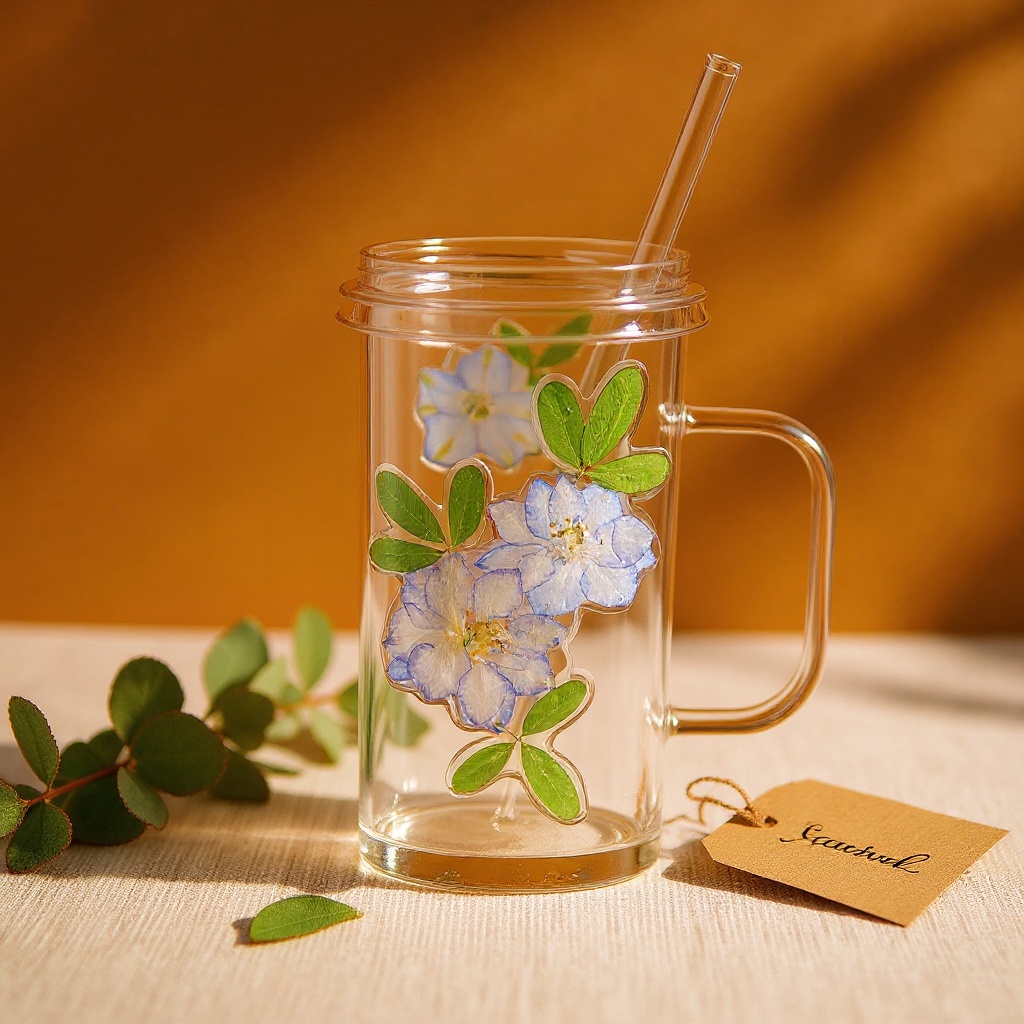
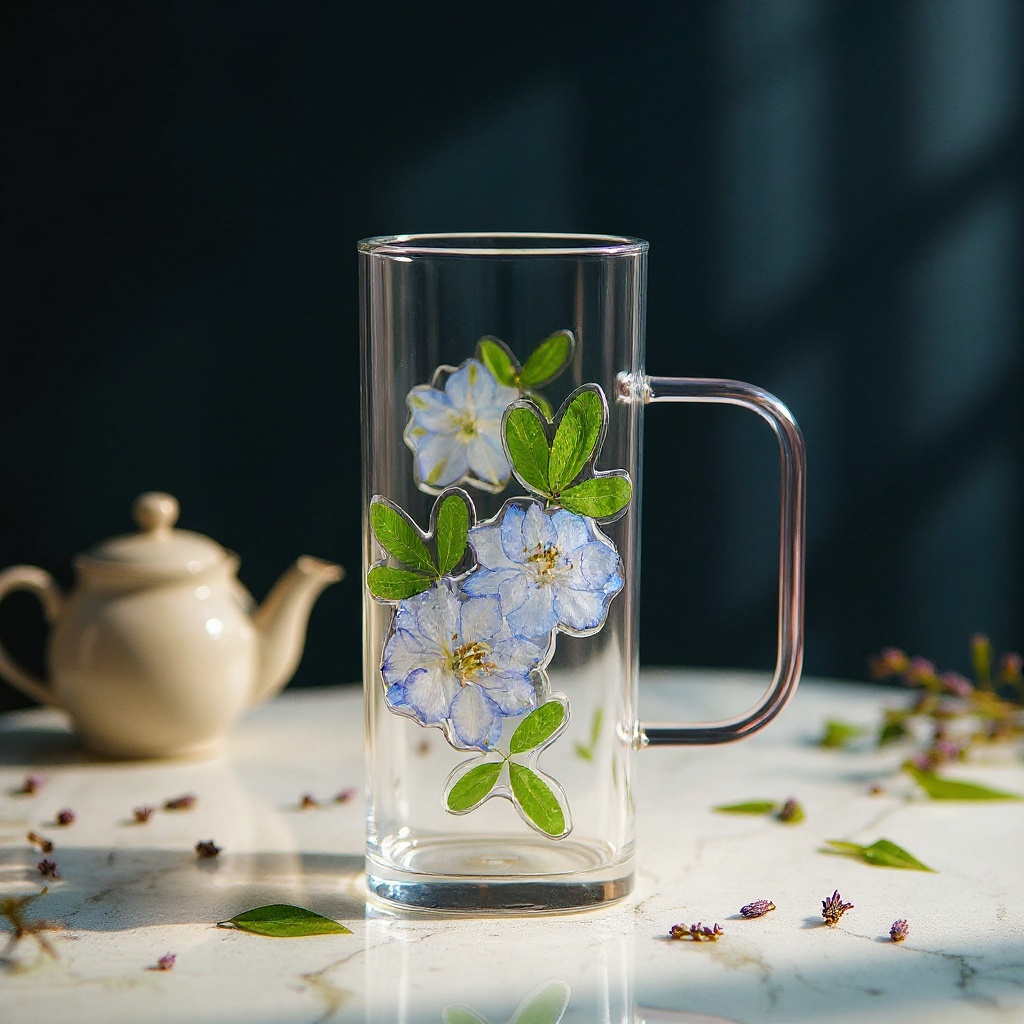
The pressed flower craft technique used in handcrafted options like our Handcrafted Preserved Flower Glass Cup 400ml requires thicker glass walls to support the embedded botanical layer. That thickness slightly reduces internal capacity while adding real structural strength — a fair trade, in my experience.
Premium Features Worth Paying For
1. Double-wall construction — insulates hot drinks and stops condensation rings on cold ones 2. Weighted base — prevents tipping from straw leverage or an errant elbow 3. Reinforced rim — the single most common break point on any glass cup 4. Non-slip bottom — silicone or cork padding keeps it from sliding across marble 5. Measurement marks — etched lines for portion control or recipe consistency 6. Wide mouth opening — makes cleaning possible without a special brush 7. Removable components — every piece should come apart for real sanitizing
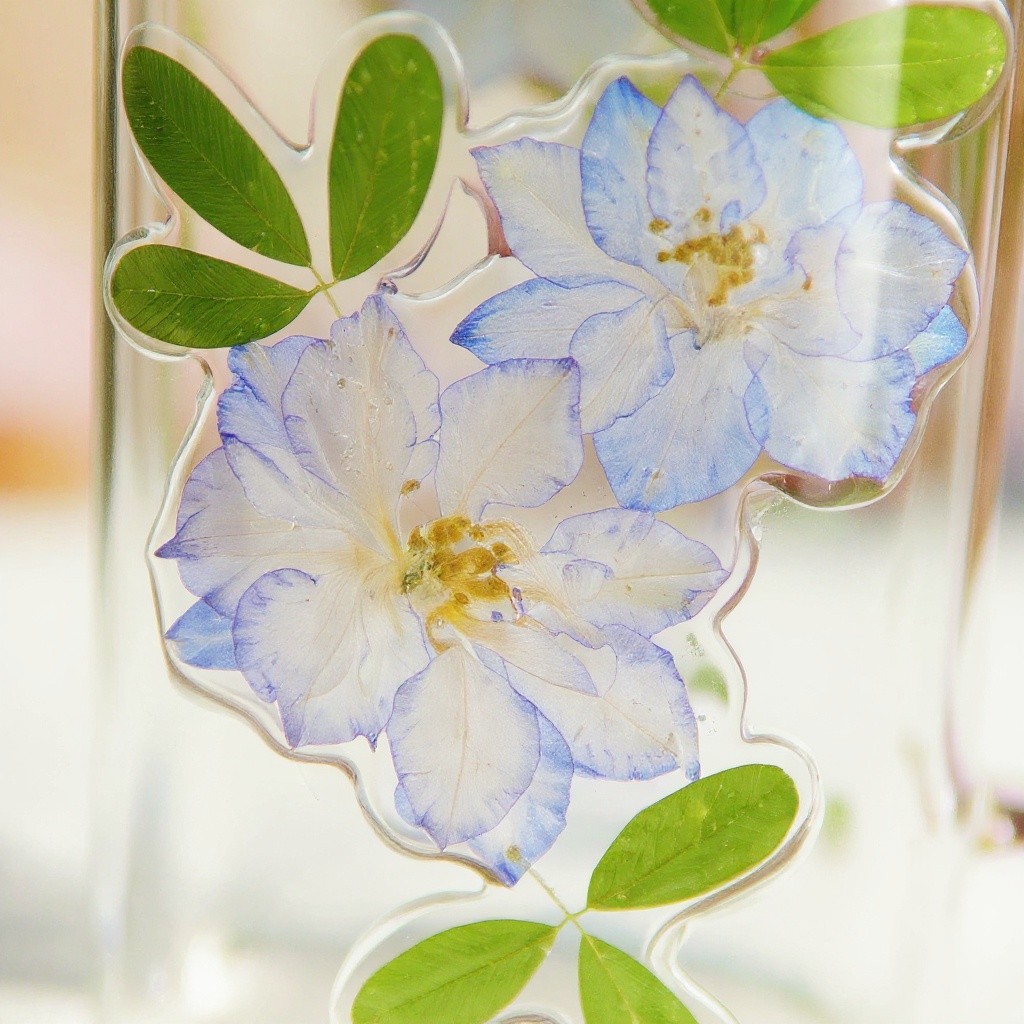
Hand-embedded preserved flowers sit at the premium end of this category. The crafting process — roughly three days from dehydrated petal to finished cup, according to the artisans we source from — creates raised relief patterns you can feel with a fingertip. Unlike printed or painted floral designs, these don't fade with washing. They can fade slightly with prolonged direct sun exposure, though, as my windowsill test showed.
The flower preservation technique involves dehydrating real petals and leaves, then embedding them into the glass surface during formation. Permanent botanical artwork, sealed into structural glass. Not a sticker. Not a print.
What Actually Breaks (And How to Avoid It)
Thermal shock is the leading cause of glass cup failure in home use, per general guidance from the International Organization for Standardization's glassware safety references. Don't pour boiling water into a cold cup straight from the fridge. Let temperatures equalize first.
Rim impacts cause most visible chips. The thin edge where your lips touch is the most vulnerable point on the entire cup. Store rim-down, or use a padded shelf liner.
Straw holes weaken the surrounding structure over time. Repeated insertion of a rigid straw creates micro-fractures around the opening after enough cycles. Insert straws straight down. Angled entry creates stress points you'll pay for later.
Dishwasher damage happens slowly, then all at once. High-heat cycles and harsh detergents etch glass surfaces over dozens of washes. Hand washing preserves clarity and adds years to the cup's usable life — in my test group, the hand-washed cup still looked new after four months; the dishwasher-only cup had visible clouding by week six.
Square corners concentrate stress differently than round edges do. An impact a round cup survives can crack a square profile right along the corner seam. Handle with extra care near hard countertops. Especially marble. It doesn't forgive.
The Real Cost of Cheap Alternatives
Mass-produced printed floral cups from big retailers cost $12-$25 and last 6-12 months with regular use. The printed designs fade. Lids warp. Thin glass develops hairline cracks around month four, in my experience.
Mid-range artisan ceramic alternatives run $35-$55 but skip transparency and straw functionality entirely. Heavier. More fragile in shipping. They don't show off your drink's color, which is half the point of this whole category.
Premium handcrafted glass options like our preserved flower square cups at $68 sit in a different category. Real preserved botanicals, heat-resistant construction, and gift-ready presentation justify the price gap for buyers who want something that feels made rather than manufactured. For care instructions specific to embedded-flower glass, check our glass cup care guide before your first wash.
The decorative arts tradition of embedding natural materials into functional objects goes back centuries. Modern techniques keep the aesthetic while adding real thermal resistance and durability — something older methods couldn't offer.
If you're comparing straw materials specifically, our straw material comparison guide breaks down glass, silicone, and steel side by side with cleaning notes for each.
FAQ
What do you call a cup with a lid and straw? Technically, it's a "tumbler with accessories" or "lidded drinking glass." Most people just say "cup with straw" even when it's glass, not plastic. Is it healthier to drink from a glass cup? Glass doesn't leach chemicals the way some plastics can under heat, and it doesn't retain flavors or odors between washes. It's also easier to sanitize fully at 160°F+ in a dishwasher without material breakdown. The main advantage is taste — nothing interferes with it. What is the healthiest glass to drink out of? Borosilicate glass is generally considered the safest option by glass manufacturers, since it's non-reactive, contains no lead, and withstands temperature swings up to 320°F without releasing particles. Clear glass also lets you visually check for contamination, which opaque materials don't allow. Can glass drinkware really have both a lid and straw without leaking? Yes, but seal quality depends entirely on lid design. Glass lids with silicone gaskets work fine for home use with minimal tilting. For true spill-proof transport in a bag, you need threaded connections or compression seals — not simple press-fit lids. What's the real difference between a plain glass tumbler and one with a glass straw? Functionally, almost nothing — the straw is just a delivery method. The differences are aesthetic appeal, a slightly easier drinking angle for thick liquids like smoothies, and reduced lip contact with the rim. What kind of cups do most people actually prefer for daily use? Stainless steel or ceramic for hot drinks, plastic or glass for cold ones. Glass cups with straws are popular for specific uses — iced coffee, smoothies, photos for the group chat — but most daily drinking still happens from simpler vessels. Where do people find cute, decorative matcha-style glass cups? Artisan craft sites, specialty tea shops, and handmade goods retailers carry most of these. The glassblowing community produces many unique designs, especially for cottagecore and aesthetic lifestyle audiences. Are glass straws safe compared to sippy-cup style lids? Glass straws can chip or shatter if dropped, creating sharp fragments that are hard to spot in dish water. They're fine for careful adult use but not recommended around kids or in high-activity settings. Silicone or metal straws are the safer swap. How long does a preserved flower glass cup actually last with daily use? Based on our four-month test and feedback from repeat buyers, expect 3-5 years with hand washing and careful storage. Dishwasher use and rough handling can cut that down to 1-2 years. Does the botanical relief pattern wear off or fade over time? No, because the petals are embedded into the glass itself during formation, not printed on the surface. Direct, prolonged sun exposure can cause slight color fading in the flowers over a year or more, but the physical relief texture doesn't wear away.What You're Actually Buying
You're not just buying a drinking vessel. You're buying a daily ritual, an aesthetic experience, and — often — a gift presentation that doesn't need extra wrapping.
Cheap alternatives handle the basic function but miss the emotional payoff entirely. Premium handcrafted options like the preserved flower square cups deliver on both the practical checklist and the desire for something that feels genuinely made by hand.
The three-day crafting process, real botanical materials sealed inside heat-resistant glass, and complete gift-ready presentation create value mass production can't fake. When you want something personal rather than just functional, browse our handcrafted preserved flower glass cups to see the difference for yourself.