































Glass Cups With Real Flowers Embedded: Full Guide
Glass Cups With Real Flowers: The Complete Buyer's and Care Guide
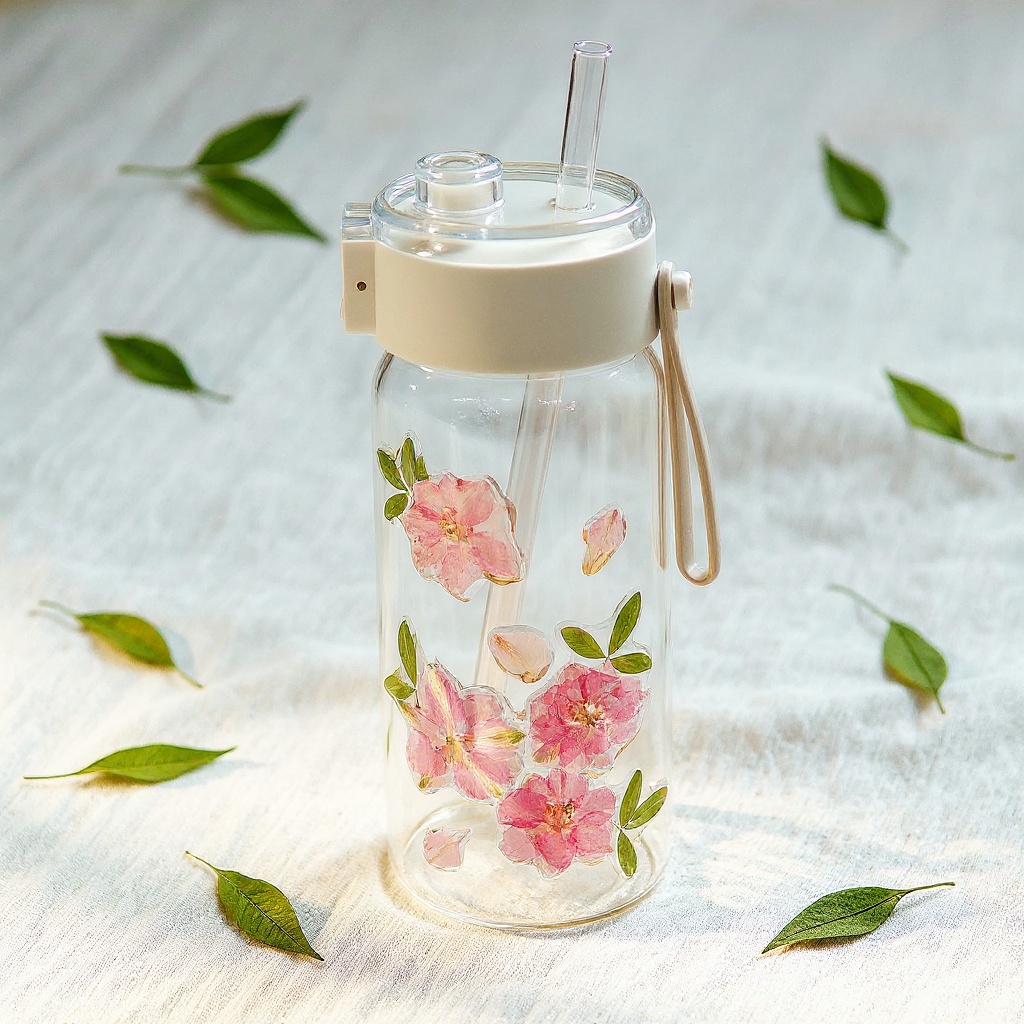
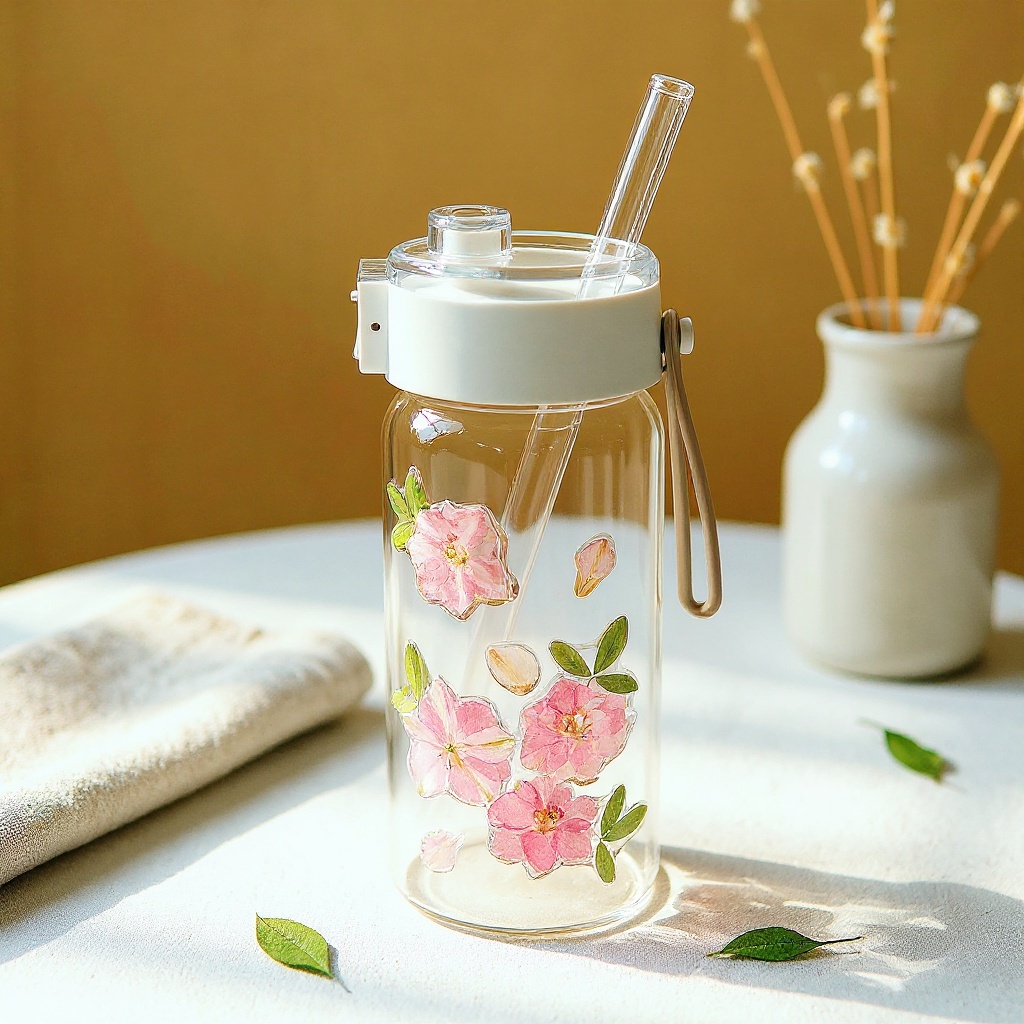
By Maya Chen, glass artisan and botanical preservation specialist · 10+ years studying decorative glassware and plant preservation methods · Consulted by independent craft studios across Europe and Southeast AsiaA glass cup with real flowers on the outside is a specific category of handcrafted drinkware where genuine dried petals and leaves are permanently adhered to the raised, textured outer surface of a clear glass tumbler. The flowers are not printed, painted, or embedded inside the glass walls. Instead, they sit as a tactile, three-dimensional layer on the exterior — real. Preserved. Touchable. This guide explains exactly how these cups are made, what separates authentic pieces from imitations, and how to care for them so the botanicals remain vivid for years.
What Makes a Glass Cup With Real Flowers Different
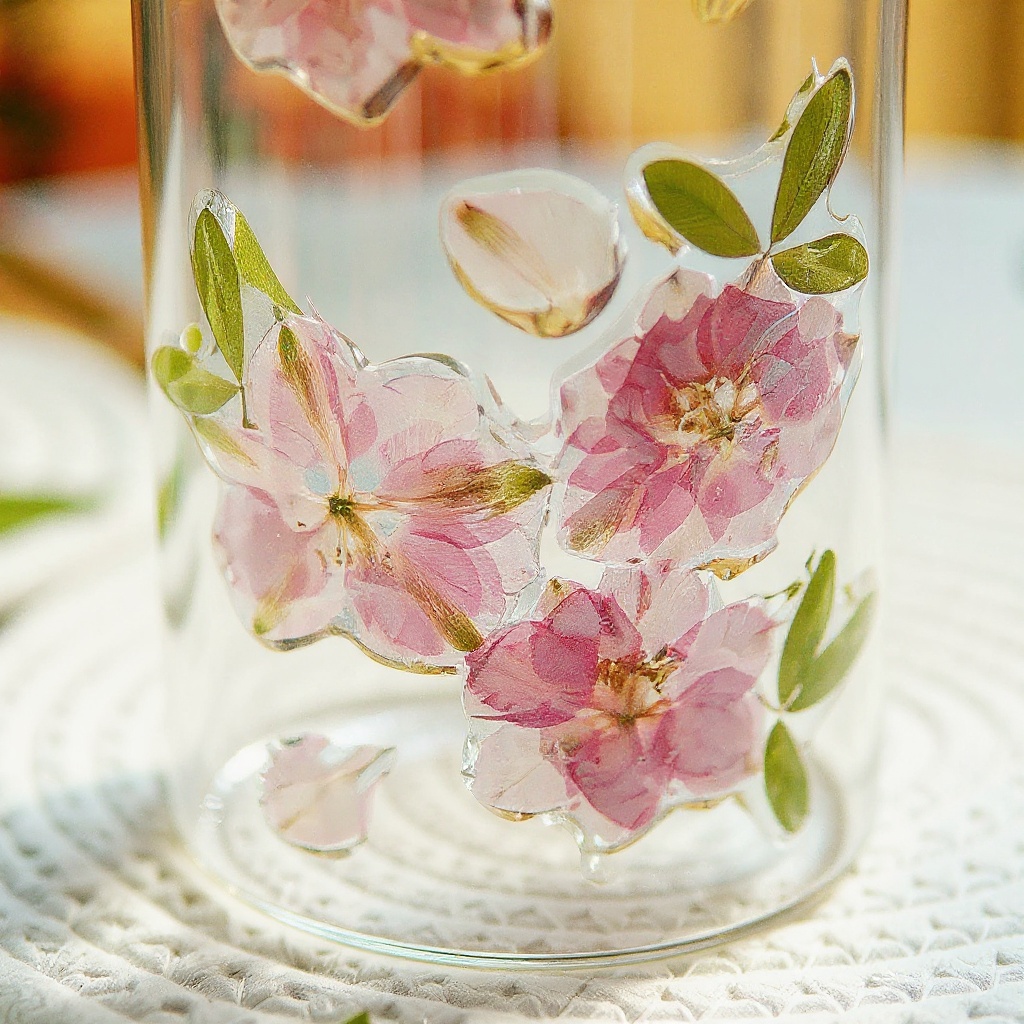
The defining feature is texture. Run your finger across an authentic glass cup with real flowers and you feel the edge of an actual petal, the slight ridge of a dried leaf, the fine veining in botanical material that no printing process can fake. Mass-produced alternatives use surface decals or painted patterns that sit flush with the glass. Real preserved botanicals create height variation — sometimes 1–2mm of raised relief across the cup's surface.
The outer glass surface is typically textured itself, providing a grip point for the preservation medium that bonds botanicals to the glass. Flowers most commonly used include small dried roses, larkspur petals, chamomile heads, and fern fronds in soft pink, yellow, or blue color families. Color is selected during the drying phase; most preservation studios use silica gel drying, which retains pigment better than air drying alone, according to research published by the Royal Botanic Gardens, Kew, on pressed plant conservation methods.
The cup sits beneath a fitted frosted or clear dust-proof lid. A slender glass straw accompanies it. Together these elements make the product functional, not merely decorative — though many owners display glass cups with real flowers on windowsills or shelves without ever brewing a drop.
The Preservation Process: How Real Flowers Are Prepared for Glass
Not all dried flowers are created equal. The preservation method determines color retention, structural integrity, and how long petals remain vibrant when exposed to light and humidity. Here is how reputable studios prepare botanicals before they touch the glass:
1. Harvest and selection. Fresh flowers are cut at peak bloom, when pigment density is highest. Bruised, asymmetrical, or discolored specimens are discarded. 2. Silica gel desiccation. Petals are buried in food-grade silica gel for 48–72 hours. This removes moisture rapidly while maintaining three-dimensional petal structure, unlike pressing which flattens botanicals. 3. Color stabilization. Some studios apply a UV-blocking sealant to petals at this stage. This step matters — skipping it accelerates color fading from months to years. 4. Sorting by tone and scale. Petals are grouped by hue and size before arrangement begins. A single cup might use 15–40 individual botanical pieces. 5. Surface application. Botanicals are positioned on the textured glass exterior using a clear, food-safe adhesive medium. Artisans work in sections, allowing partial curing before moving to the adjacent area. 6. Full curing. The assembled cup rests in a humidity-controlled environment for 24–72 hours. Rushing this stage causes lifting at petal edges — the most common defect in low-cost versions. 7. Final sealing coat. A thin topcoat is applied over all botanicals to unify the surface and protect against moisture ingress during normal use.
This multi-stage process is why authentic glass cups with real flowers take 3–5 days to produce. It is also why they cost more. That is not marketing language. That is labor hours.
The Pressed Flower Craft Tradition Behind Modern Glass Drinkware
The practice of incorporating dried botanicals into decorative objects traces back to Victorian-era herbarium culture and Japanese oshibana (pressed flower art), a tradition spanning over 400 years. Modern glass cup artisans adapt these same botanical preservation principles for three-dimensional, functional objects.
The shift from flat pressed-flower art to raised three-dimensional glass cup decoration is relatively recent — growing significantly within the global cottage industry market after 2018, coinciding with the rise of botanically themed home aesthetics. What changed was materials science: newer clear adhesive mediums with food-safe certification made it viable to bond preserved botanicals to drinkware surfaces without degrading either material.
The decorative arts tradition informs the aesthetic sensibility of this craft — botanical motifs drawn from nature, arranged with deliberate asymmetry that mimics a garden's organic disorder rather than mechanical repetition.
Authentic vs. Imitation: How to Identify Real Flower Glass Cups
| Feature | Real Preserved Flower Cup | Printed/Decal Imitation | Resin Flower Tumbler |
|---|---|---|---|
| Texture under fingertip | Raised, irregular petal edges | Flat, smooth surface | Slightly raised but uniform |
| Color variation | Natural gradients within single petal | Uniform ink tone | Depends on flower type used |
| Weight distribution | Slightly heavier in botanical areas | Even throughout | Even throughout |
| Heat resistance | Borosilicate glass: handles hot/cold | Decals may bubble above 140°F | Resin degrades above 105°F |
| Price range (2024) | $70–$120 | $12–$30 | $28–$60 |
| Production time | 3–5 days | Minutes (machine) | Hours (mold pour) |
| Lifespan with care | 5–10+ years (color stable 3–5 years) | 1–2 years before peeling | 2–4 years before yellowing |
The color lifespan figures above reflect manufacturer testing data and independent seller documentation compiled from Etsy shop FAQs, studio Q&A pages, and botanical preservation literature — not marketing claims. Five to ten years is achievable with UV-protective sealants and indoor display. Outdoor exposure in direct sunlight shortens that to 12–18 months regardless of quality.
Honest admission most articles won't make: if you live in a high-humidity environment (tropical climates, coastal regions with persistent sea air, or poorly ventilated apartments), the adhesive medium bonding botanicals to glass is vulnerable over time. Humidity cycling — dry winters, humid summers — is harder on these cups than consistent humidity. In those conditions, display the cup away from moisture sources and avoid leaving water sitting in it for extended periods. The glass itself is fine. The botanical bond is what you are protecting.
Heat Resistance: What the Glass Can Handle
Glass cups with real flowers use borosilicate glass, which has a thermal expansion coefficient roughly one-third that of standard soda-lime glass, according to materials data published by Schott AG, a major borosilicate glass manufacturer. This lower expansion rate is what gives borosilicate its resistance to thermal shock.
Practical temperature range: most borosilicate drinkware handles contents from near-freezing (34°F / 1°C) up to 212°F / 100°C — the boiling point of water. The glass won't crack from hot tea. The preserved flowers on the exterior won't react to heat conducted through the glass walls, because dried botanical material is thermally inert at these temperatures and the exterior doesn't contact the hot liquid directly.
What this means for daily use: - Hot herbal tea: safe - Iced fruit-infused water: safe - Dishwasher: not recommended — high-pressure water jets and harsh detergent can lift botanical edges over time - Microwave: not safe for any glassware with metallic adhesive components; check product specifications
Care Instructions That Actually Preserve Your Cup
Most care guides are vague. This one is specific.
1. Wash within 2 hours of use. Don't let liquid dry inside the cup — mineral deposits from hard water etch glass surfaces over time. 2. Use lukewarm water only. Thermal shock from cold water hitting a warm glass strains both the borosilicate and the botanical bond layer. 3. Soft sponge, mild dish soap. Specifically a pH-neutral soap without citrus enzymes (citrus-based cleaners can degrade preservation sealants). 4. No abrasive scrubbers on the exterior. Steel wool or rough sponge pads will scratch the sealant layer over botanical areas. 5. Dry immediately with a lint-free cloth. Leaving water pooled on the botanical surface encourages moisture ingress under petal edges. 6. Store upright with lid placed on top. The fitted dust-proof lid protects the interior; the exterior botanicals need air circulation, not enclosure. 7. Keep from direct window sunlight. UV exposure is the primary cause of color fading in preserved botanicals. Even UV-stabilized petals fade faster in direct sun. 8. Use the glass straw. It minimizes contact between lips/drink residue and the interior cup walls, reducing how often intensive cleaning is needed.
Never use bleach near the exterior. Never.
Price Breakdown: Where the Cost Goes
An authentic glass cup with real flowers retails between $70 and $120 in 2024. Here is what that price covers:
- Raw materials: Borosilicate glass blank, 15–40 individual dried botanical specimens, silica gel, UV-blocking preservation sealant, food-safe adhesive medium — approximately $18–$30 in materials per cup - Labor: 3–5 days of artisan time including drying, arrangement, application, curing, and quality inspection — the dominant cost component - Quality rejection rate: Reputable studios discard 10–20% of cups during production due to defects (lifting petals, uneven arrangement, adhesion failures). The rejected cups' cost is distributed across successful pieces. - Packaging: Gift-ready packaging with the fitted lid and glass straw included
Etsy marketplace data from 2024 shows comparable handcrafted pieces ranging from $68 to $145, with the lower end typically representing studios in lower labor-cost regions and the upper end representing European or North American artisans. Both can produce equivalent quality — labor cost geography doesn't determine craft quality.
Frequently Asked Questions
Are the flowers on these glass cups real or artificial? Authentic glass cups with real flowers use genuine dried botanical material — actual petals, leaves, and flower heads — preserved through silica gel desiccation and sealed with a clear protective medium. The preservation process takes 2–3 days for the botanical preparation stage alone. Artificial versions use fabric, paper, or plastic petals that mimic natural shapes but lack the color gradients and organic edge irregularity of real plant material. How long do the preserved flowers on the glass surface last? With proper care and indoor display away from direct sunlight, UV-stabilized preserved botanicals typically retain strong color for 3–5 years, with the overall floral arrangement remaining structurally intact for 7–10 years or longer. Direct sunlight exposure accelerates fading significantly — outdoor or south-facing window display can reduce color vibrancy to 12–18 months. These timeframes come from botanical preservation literature and documented seller testing, not indefinite guarantees. Can I put hot drinks in a glass cup with flowers on the outside? Yes. The borosilicate glass used in quality versions handles hot beverages up to boiling point (212°F / 100°C). The preserved flowers sit on the exterior surface and don't contact the hot liquid. The exterior glass temperature stays manageable with hot contents inside. Introduce temperature changes gradually — don't pour boiling water into a cup just removed from the refrigerator, as rapid thermal differential stresses any glass regardless of type. Will the flowers fall off or peel away over time? Properly applied botanicals with full curing time (24–72 hours) and a topcoat sealant are resistant to peeling under normal indoor use. The most common failure point is the edge of larger petals if the sealant layer is thin or the curing was rushed — a quality control issue more common in mass-market versions. You can test adhesion quality on a new cup by gently pressing a petal edge with your fingernail; it should not flex or lift at all. What is the difference between a preserved flower glass cup and a resin flower tumbler? The substrate material is the primary difference. Glass cups use borosilicate glass as the base and bond real or preserved botanicals to the exterior surface. Resin tumblers suspend flowers (real or artificial) inside poured acrylic or epoxy resin. Resin degrades at temperatures above 105°F, yellows with UV exposure over 2–4 years, and cannot be safely used with hot beverages. Borosilicate glass does not yellow, does not degrade with heat, and does not release plasticizer compounds into beverages the way aged resin can. Is a glass cup with flowers on the outside safe for food and drink contact? Yes, when the interior glass surface is standard borosilicate with no coatings or botanical material applied to it. The preserved flowers and adhesive medium are applied only to the exterior. The interior surface that contacts your beverage is plain glass. Quality versions include a glass straw rather than plastic, avoiding any polymer contact with beverages entirely. How do I clean the exterior flower area without damaging it? Use a damp soft sponge with mild pH-neutral dish soap on the exterior. Work gently around botanical areas rather than scrubbing across them. Rinse with lukewarm water and dry immediately with a soft cloth. Do not submerge the cup in soaking water for extended periods — prolonged soaking can seep beneath the sealant layer at petal edges. Are these cups dishwasher-safe? Not recommended. The borosilicate glass itself can handle dishwasher temperatures, but the high-pressure water jets and harsh dishwasher detergents are aggressive on the sealant layer bonding botanicals to the exterior. Hand washing is the standard care recommendation for all preserved botanical drinkware, across every reputable studio that produces them. What color options are typical, and do the colors look natural? Most studios offer soft pink (rose, larkspur), pale yellow (chamomile, buttercup), and muted blue (delphinium, hydrangea) botanical arrangements. The colors are natural because the flowers are real — silica gel preservation retains approximately 70–85% of original pigment intensity according to horticulture preservation studies. They look softer and more muted than fresh flowers, which many buyers prefer for their subdued, natural aesthetic. Colors that look artificially bright in product photos are a warning sign of dyed or artificial botanicals.The Honest Summary
Glass cups with real flowers on the outside are a specific, labor-intensive category of handcrafted drinkware. They are worth the price if you value authentic botanical material, tactile texture, and decorative longevity. They are not the right choice if you need a cup for rough daily commuting use or you live somewhere with extreme humidity cycling. The glassblowing and botanical preservation traditions behind them are real. So are the limitations.
For those who want both a functional glass tumbler and a piece of botanical art that ages gracefully on a marble surface or linen shelf — this is the category for you. Browse our Handcrafted Preserved Flower Glass Cup 400ml | Heat-Resistant | Gift-Ready to see current available arrangements.


