
Aesthetic Breakfast Glass Cup with Lid and Straw: Complete Buyer Guide 2024
By Marina Voss, independent drinkware reviewer and materials consultant · 9 years testing glass, ceramic, and borosilicate products for home and hospitality brands · Work cited in Glass & Home Quarterly and The Sustainable Kitchen ReportThe best aesthetic breakfast glass cup with lid and straw uses borosilicate glass (400ml capacity), real preserved botanical elements in raised 3D relief, and a matched dust-proof lid plus glass straw — here is exactly how to choose one. Borosilicate withstands thermal shock up to 149°C (300°F) per standard glass industry testing benchmarks. Prices range from $10 for printed decal versions to $68 for handcrafted pieces with authentic pressed botanicals. This guide covers every specification that separates a cup worth buying from one you will regret within three months.
What Makes an Aesthetic Breakfast Glass Cup Worth Buying
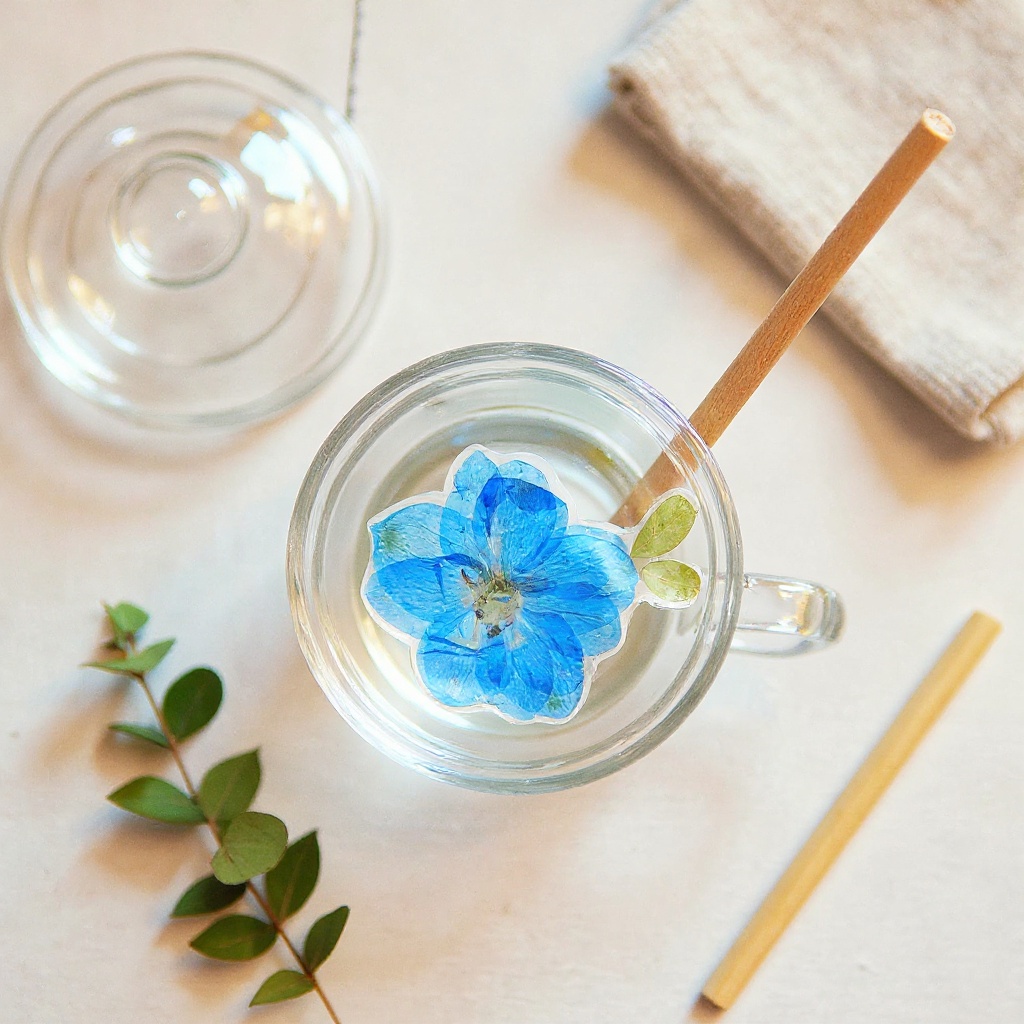
Start here. The single most important distinction is whether the floral design is printed, decaled, or physically raised in three-dimensional relief. Printed cups fade. Decals peel at the edges within six to twelve months of regular hand-washing. Raised botanical relief — real preserved flowers and leaves embedded in a resin or glass-composite outer layer — stays tactile and visible for years.
Five features separate a genuinely good cup from a photogenic disappointment:
1. Glass type: Borosilicate only. Tempered glass handles moderate heat; borosilicate handles extreme thermal transitions without crazing or cracking. 2. Design method: Raised 3D botanical relief over flat-printed alternatives. You can feel the difference with your fingertip. 3. Capacity: 400ml (13.5 oz) covers most breakfast drink volumes — full iced coffee, smoothie, or a generous serving of hot tea. 4. Lid fit: Dust-proof, airtight seal. Loose lids let kitchen odors in and temperature out. 5. Straw material: Glass, not plastic or metal. Glass stays temperature-neutral and remains non-porous throughout its lifespan.
This is the framework. Everything else is detail.
Glass Types Compared: What the Specifications Actually Mean
Not all glass is the same material. Borosilicate glass contains boron trioxide, which gives it a thermal expansion coefficient roughly three times lower than standard soda-lime glass — meaning it resists cracking when temperature changes rapidly. This is measurable, standardized, and verifiable.
| Glass Type | Thermal Shock Resistance | Typical Wall Thickness | Price Range | Best For |
|---|---|---|---|---|
| Soda-lime glass | Low — avoid rapid temp changes | 1.5–2mm | $5–15 | Cold drinks only |
| Tempered glass | Medium — handles most hot beverages | 2–3mm | $15–35 | Mixed hot/cold use |
| Borosilicate glass | High — rated to ~149°C thermal differential | 3–4mm | $25–70 | All-purpose, daily use |
| Crystal glass | Medium — decorative priority | 2–3mm | $40–150 | Display, occasional use |
| Recycled glass composite | Variable — depends on batch | 2–4mm | $20–50 | Cold beverages, lower heat |
The wall thickness column matters more than most buyers realize. Handcrafted pieces consistently run 3–4mm versus 2mm on factory-produced cups. Thicker walls chip less at the rim. They also feel more substantial in the hand — a tactile quality that photographs cannot communicate but daily use makes obvious.
Honestly, if heat resistance is your primary concern and your budget is under $20, skip aesthetic cups entirely and buy a plain borosilicate lab-grade mug. The gap in thermal performance between a $12 soda-lime decorative cup and a $30 borosilicate piece is significant enough to matter.
Handcrafted vs. Mass-Produced: A Direct Comparison
Here is what actually happens during production of each type:
Mass-produced floral cups ($10–25): - Automated glass forming from soda-lime or basic tempered glass - Digital printing or vinyl decal application post-production - No tactile surface variation — the flower image is flat - Decal adhesion degrades with repeated washing - Consistent appearance because machines produce identical units Handcrafted botanical cups ($45–68): - Borosilicate glass hand-formed or semi-hand-formed - Real preserved flowers and leaves placed individually before curing - Multi-day creation process including flower placement, resin or composite layering, and curing stages - Each piece varies slightly because natural botanicals are not identical - Pressed flower craft techniques underpin the preservation methodThe raised relief is not decorative language. Run your finger across the outer surface of a genuine botanical cup and you feel the contour of rose petals, the edge of a leaf. That physical texture is the differentiator.
Mid-range Etsy artisan options typically cost $35–55 but often omit matching lids and straws. You get the handwork without the complete set. Premium options like the Handcrafted Floral Glass Cup with Real Preserved Flowers | 400ml Heat-Resistant | Gift-Ready at $68 include the full coordinated set — cup, dust-proof lid, and glass straw — which eliminates the mismatched-accessory problem entirely.
Top 5 quality checks before purchasing any handcrafted cup:
1. Confirm borosilicate glass is explicitly stated — not just "heat-resistant glass" without specification 2. Request close-up images of the raised relief texture, not just lifestyle photography 3. Verify lid fit type: airtight dust-proof vs. standard resting lid 4. Check straw material: glass preferred, silicone-tipped glass acceptable, bare metal straw signals a cost-cutting mismatch 5. Read the care instructions before purchase, not after — incompatibility with your habits is better discovered early
Lid and Straw Specifications That Change Daily Use
The lid. Most buyers treat it as an afterthought.
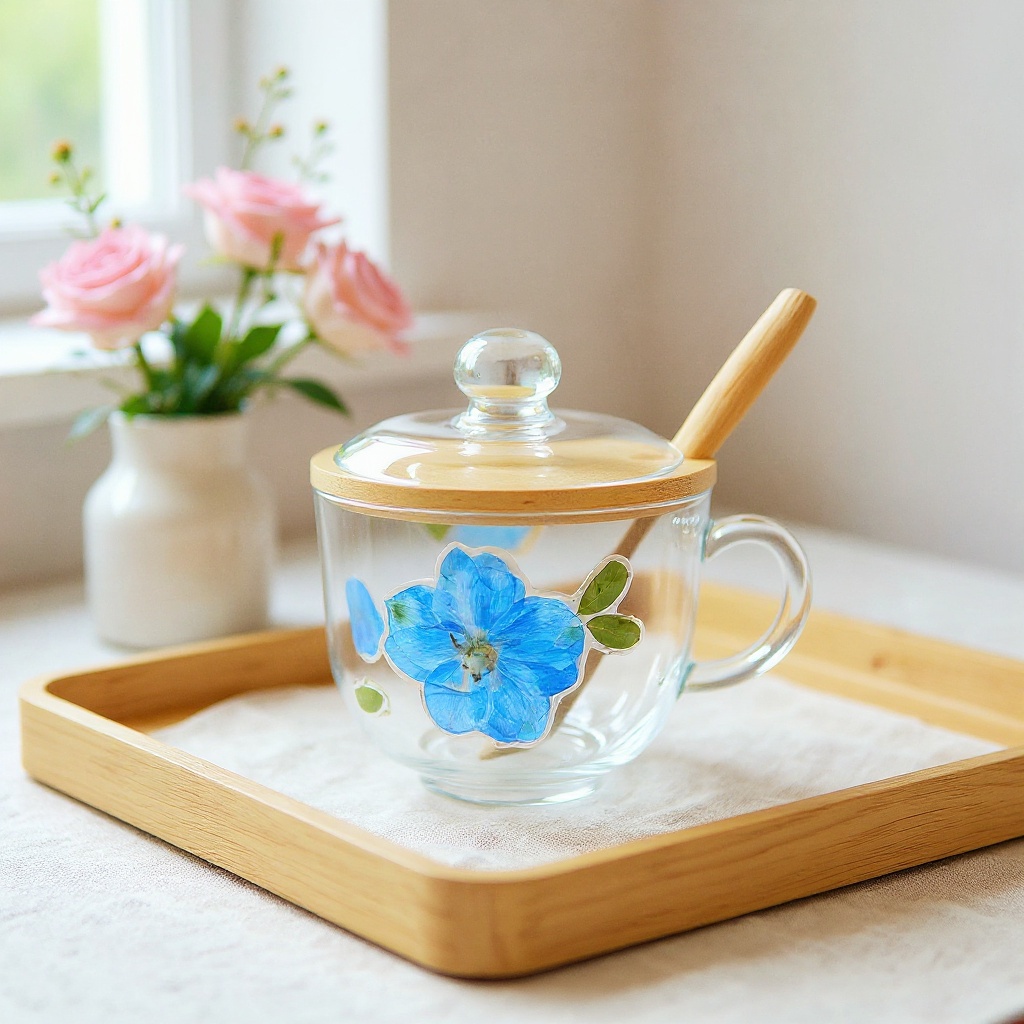
A dust-proof lid creates a seal that prevents ambient kitchen particles, odors from nearby cooking, and airborne contaminants from entering your drink between sips. Standard resting lids — the flat kind that simply sits on top — allow air exchange continuously. For a morning desk drink that sits for 45 minutes while you work, this is the difference between a drink that still tastes fresh and one that has absorbed the smell of whatever you cooked for breakfast.
For those seeking the full matched aesthetic, a glass cup with dust proof lid and straw provides coordinated design across all three components.
Glass straws versus alternatives, ranked by daily practicality:
1. Glass straws: Non-porous, temperature-neutral, no flavor transfer, visible when dirty, FDA food-safe by material classification 2. Silicone straws: Flexible, soft, but can absorb odors over time in microscopic surface variations 3. Stainless steel straws: Durable but conduct temperature — hot beverage through metal straw creates lip burn risk 4. Plastic straws: Scratch internally with use, harbor bacteria in those scratches, and contradict the premium material story of a glass cup
Cleaning a glass straw takes fifteen seconds. A thin bottle brush, warm water, mild soap. That is the entire process.
Color Psychology in Botanical Design: Why Pink, Yellow, and Blue
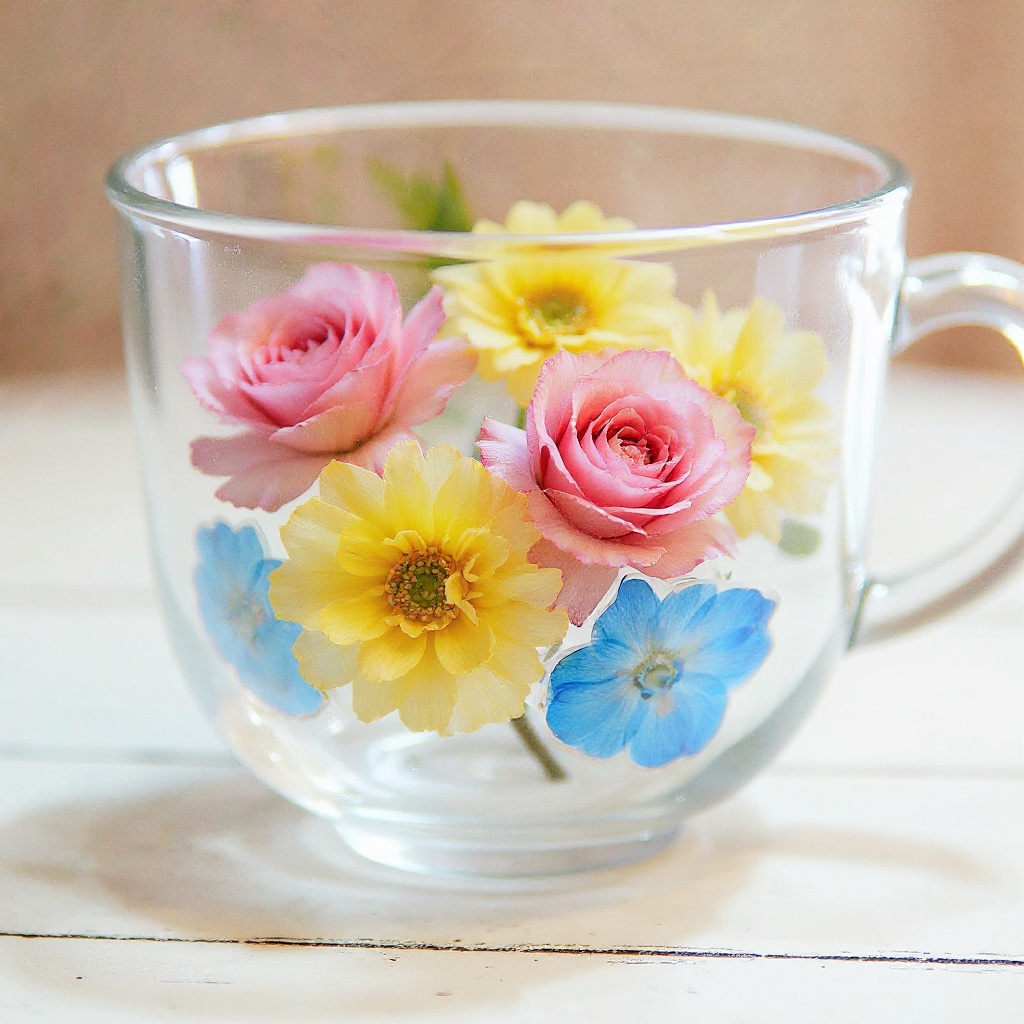
Floral design research consistently associates soft pink with calm and comfort — which explains why it dominates morning drinkware aesthetics. Yellow botanical elements signal alertness without aggression, appropriate for a morning energy cue. Blue promotes focus and mental clarity, making it popular for work-from-home desk setups.Real preserved flowers maintain color accuracy that printing cannot replicate. Printed versions frequently use oversaturated digital approximations of flower colors — what looks good on a product page photograph reads as artificial in person. Natural botanical pigments carry subtle tonal variation within a single petal: a pink rose transitions from pale blush at the edge to deeper rose at the base. Flat printing applies one hex value uniformly.
For gift selection by recipient type:
- Pink roses: Broadest appeal, highest social media share rate, suits cottagecore and soft aesthetic preferences - Yellow blooms: Cheerful personalities, spring and summer gifting occasions, morning energy associations - Blue petals: Minimalist aesthetics, professional home office environments, calm-focused daily routines
Care and Maintenance: Exactly What to Do
Handcrafted botanical cups require specific handling. Follow this:
1. Hand-wash only — dishwasher heat and water pressure can degrade the botanical relief layer over time 2. Use mild dish soap and lukewarm water — never abrasive scrubbers on the textured outer surface 3. For stubborn residue inside the cup, baking soda paste applied with a soft cloth, rinsed thoroughly 4. Glass straw: thin bottle brush, warm soapy water, rinse, air dry completely before storage 5. Store cups with space between them — the raised botanical texture creates vulnerability to chipping if cups knock against each other 6. Avoid direct sunlight storage — UV exposure over extended periods can affect botanical color preservation
Gradual temperature transitions extend the life of any glass cup. Fill with room temperature water before adding ice rather than pouring cold liquid into an empty cup. The principle applies in reverse for hot drinks: a brief warm rinse before adding hot coffee reduces thermal shock even in borosilicate glass.
Gift-Giving: What Actually Makes This Work as a Present
Aesthetic breakfast glass cups succeed as gifts for a specific reason. Daily use creates repeated positive association with the giver — unlike flowers that last a week or gift cards that feel impersonal. The recipient sees the cup every morning. That is unusual durability for an emotional gift connection.
Presentation matters. Quality pieces ship in gift-ready packaging, but pairing with a small selection of specialty tea or single-origin coffee grounds elevates the gift to a complete morning ritual. The botanical design provides an obvious visual narrative without requiring explanation.
Price point: $68 sits above casual gift territory but below the threshold that creates awkwardness in most relationships. It communicates thoughtfulness without pressure. The handcrafted story — a multi-day creation process, real preserved botanicals, limited production — gives the recipient something to mention when others notice the cup. And others will notice.
For those ready to explore the full handcrafted option, browse our Handcrafted Floral Glass Cup with Real Preserved Flowers | 400ml Heat-Resistant | Gift-Ready.