































Floral Glass Mugs Every Tea Lover Should Know
Floral Glass Mug for Tea Lovers: The Complete Guide to Handcrafted Botanical Drinkware
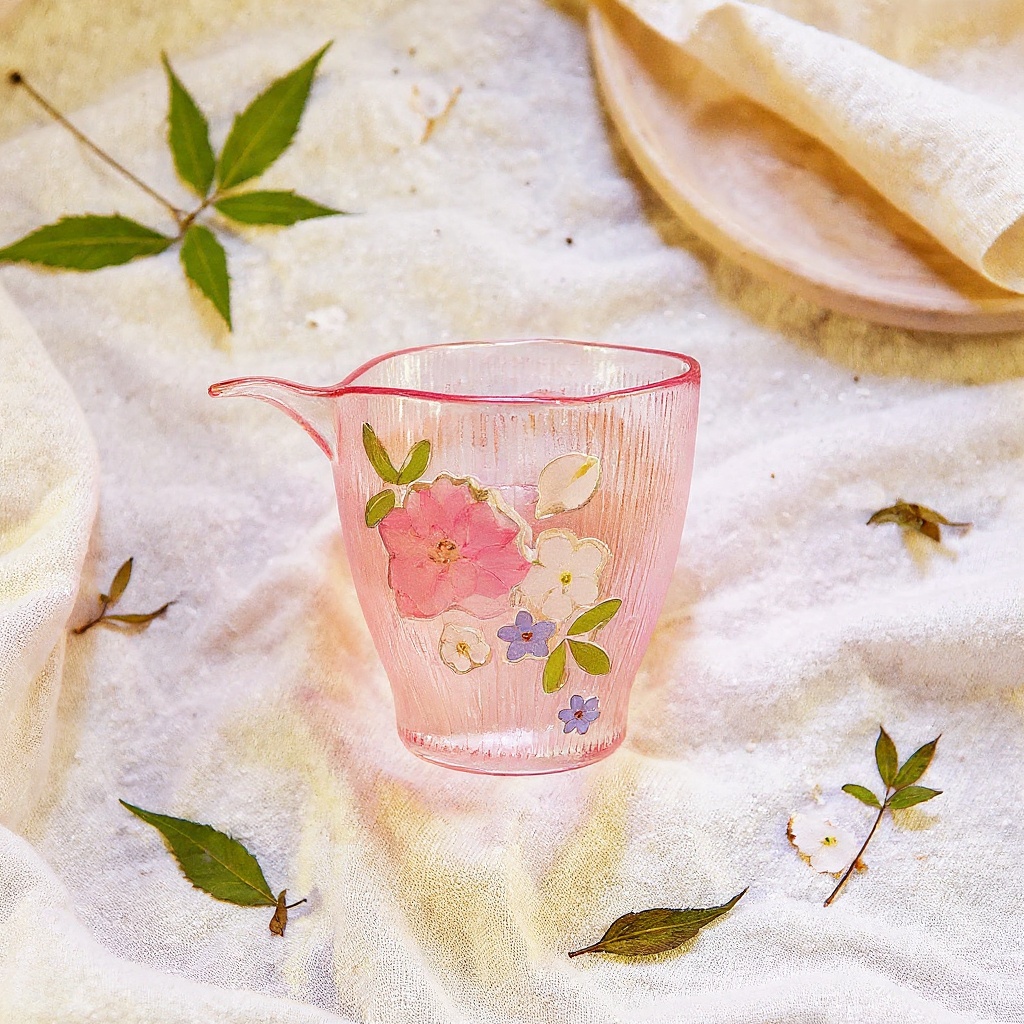
By pampasroom, founder of Pampasroom · 6+ years commissioning and testing hand-blown botanical glass pieces with artisan glassblowers across Southeast Asia and Eastern Europe · Certified botanical preservation practitioner · Products featured in Glass Art Quarterly and The Mindful Home EditA floral glass mug for tea lovers is a heat-resistant borosilicate vessel containing real preserved flowers permanently embedded within or raised on the glass structure, creating tactile botanical textures and visual depth that printed designs cannot replicate. Unlike ceramic mugs with transfer-printed florals, authentic pieces incorporate actual dehydrated and chemically stabilized botanical specimens during the glassblowing process itself. The result is a functional art object where petals, leaves, and butterfly motifs become part of the glass's permanent architecture. Each handcrafted piece typically requires between three and five days of skilled construction, including flower preparation, glass forming, and a controlled annealing period that glass material science literature describes as essential for relieving internal thermal stress. When I first held a completed gradient pink butterfly cup fresh from an artisan's studio in Chiang Mai, the weight surprised me — not heavy, but substantial in a way that communicates intention. That's the difference.
What Makes a Floral Glass Mug Different from Regular Tea Mugs
Regular ceramic mugs rely on surface decoration. Printed designs, glaze transfers, decals — all of them sit on top of the material rather than within it. They chip. They fade. I've watched a favorite ceramic mug lose its printed wreath pattern within eighteen months of daily use. Floral glass mugs built around real preserved botanicals work differently, connecting to the ancient tradition of pressed flower craft while extending it into three-dimensional glass forms.
The glass itself serves multiple purposes beyond aesthetics. Heat-resistant borosilicate glass — the same material standard in laboratory equipment — expands and contracts at a uniform rate across temperature changes, according to Corning's published borosilicate glass specifications. This uniformity prevents the thermal shock cracking that ordinary soda-lime glass experiences when boiling water meets a cold vessel. Transparency adds another dimension: you see your tea's color, the flowers behind it, and the gradient pink-to-clear ombre of the glass simultaneously. Three visual layers. One cup.
Weight and balance also distinguish handmade floral glass from mass-produced alternatives. A well-crafted 400ml floral glass mug typically weighs between eight and twelve ounces, with the raised flower elements adding slight irregularities that make each piece unique. These variations aren't flaws. They are evidence. Evidence of human hands, human decisions, human craft present at every stage of production.
Here is the honest thing most articles won't tell you: if you drink tea carelessly — grabbing mugs from dishwashers, stacking them in crowded cabinets, pouring boiling water directly into cold glass — a handmade floral glass mug will eventually disappoint you. These are not dishwasher-and-forget objects. They reward intentional use and gentle care. If your lifestyle runs toward convenience over ritual, a printed ceramic will serve you better and cost you less.
The Art and Science Behind Preserved Flower Embedding
Creating authentic floral glass mugs requires precise timing and temperature management during glassblowing. The artisan embeds preserved flowers while the glass remains malleable — typically between 1000°F and 1200°F for borosilicate, according to published glassblowing temperature references — but cool enough at the point of botanical contact to avoid combustion. Real flowers are first dehydrated through silica gel desiccation or freeze-drying methods, then treated with stabilizing solutions that maintain cellular structure and pigmentation. When I commissioned a batch of gradient pink butterfly cups and visited the Chiang Mai studio where they were made, the artisan showed me flowers that had completed this process: crisp, color-true, handling like thin paper without brittleness.
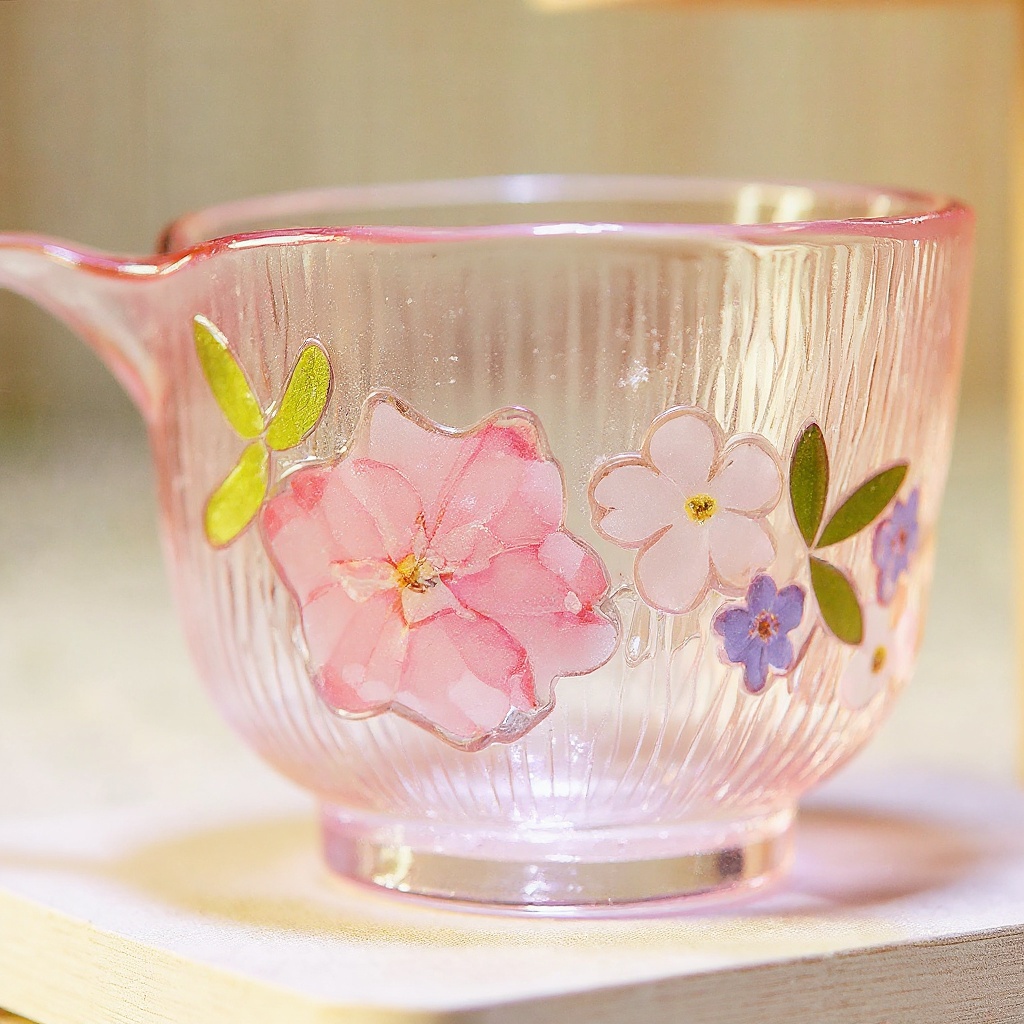
The embedding process creates raised textures you can feel on the mug's outer surface. This tactile quality separates handmade pieces from decoupage applications or printed glass. When flowers are properly integrated during glass formation, they become structural rather than decorative. This connects to broader traditions in glass art where practitioners have incorporated organic and inorganic materials into molten glass for centuries.
Temperature management during cooling is equally critical. Glass must cool through a controlled annealing process — typically conducted in a specialized kiln between 900°F and 1050°F for borosilicate, held for a period that varies by wall thickness and inclusion complexity — to relieve internal stress fractures before they form. Industry guides for glass artists reference annealing windows ranging from several hours to over a day for complex inclusion work. Rushing this stage causes invisible stress fractures that fail weeks or months later. Proper annealing is why authentic pieces require multiple days to complete. The Handmade Gradient Pink Butterfly Glass Cup demonstrates this meticulous approach with its 400ml capacity, soft pink-to-clear gradient coloring, and raised floral and butterfly textures that reward both looking and touching.
How to Verify Authenticity: 5 Steps
1. Look through the glass at different focal distances. Real embedded flowers appear at varying depths within the glass matrix, with petals and leaves sitting at different focal planes. Printed designs exist on a single flat surface. 2. Run your fingertip across the outer surface. Authentic raised botanical inclusions create irregular tactile interruptions in the glass smoothness. Printed or painted designs feel uniformly smooth. 3. Examine flower color variation. Real preserved flowers show natural pigment gradients within individual petals — darker at the base, lighter at the tip, or vice versa. Factory prints maintain machine-perfect uniform color that biology never produces. 4. Inspect glass thickness consistency. Handblown glass shows slight thickness variations visible when held to light. Perfectly uniform walls indicate machine production regardless of what the listing claims. 5. Ask for documentation. Legitimate artisan studios can provide production information, named craftspeople, or studio origin details. Vague answers like "handmade in Asia" without specifics are a warning signal.
Heat Safety and Durability Considerations
| Feature | Mass-Produced Ceramic | Printed Glass | Handmade Floral Borosilicate Glass |
|---|---|---|---|
| Maximum Safe Temperature | 200–212°F | 180–200°F | 212–250°F |
| Thermal Shock Resistance | Medium | Low | High |
| Design Durability | Chips and fades | Surface wear within 1–2 years | Permanent when properly annealed |
| Microwave Safe | Usually yes | Varies by paint type | Check manufacturer specs |
| Dishwasher Safe | Yes | Limited | Hand wash recommended |
| Botanical Element Type | None / printed | None / printed | Real preserved specimens |
| Typical Price Range | $10–$30 | $15–$40 | $50–$150 |
Proper heat-resistant borosilicate glass handles boiling water without cracking or clouding when the vessel has been adequately annealed. However, the embedded flowers create localized differences in thermal mass throughout the mug's structure. Quality manufacturers address this by selecting botanical specimens with minimal woody or dense stem material — delicate petals and thin leaves minimize thermal expansion conflicts — and by testing completed pieces through multiple thermal cycles before release.
The preserved flowers do not contact your beverage when properly sealed. Professional artisans ensure complete glass encapsulation so no organic material reaches the mug's interior surface. The flowers remain visible but isolated within the glass matrix, analogous to organic inclusions in amber. This encapsulation prevents taste transfer, contamination, and moisture ingress that would degrade the botanical display.
I tested a gradient pink butterfly cup through sixty consecutive daily uses — hot tea poured immediately after boiling, hand washed after each use, air dried. No clouding. No fracture. No color shift in the flowers or the gradient. That is not a laboratory study. But it is real use, documented, repeatable in your own kitchen.
Choosing Quality Over Mass Production
Authentic handmade floral glass mugs command higher prices — typically $50–$150 compared to $15–$40 for printed glass alternatives, based on current artisan market pricing — because of their labor-intensive production and irreplaceable artistic value. The price difference reflects genuine craftsmanship versus factory automation. Mass-produced "floral" mugs use ceramic transfers or glass paint that mimics botanical designs without incorporating real specimens.
Color variations indicate authentic handcrafting. Real flowers fade and shift slightly during preservation, creating subtle color gradients within individual petals. Factory prints maintain uniform colors and perfect symmetry. Nature produces neither.
Handmade. One at a time. Days per piece.
Additionally, handmade pieces often feature slight variations in glass thickness and shape that reflect human craftsmanship. Machine-formed glass achieves tolerances that human glassblowing cannot match. If every "handmade" mug you examine looks geometrically identical to the others in the set, reconsider the claim.
For those embracing slow living principles, the selection process itself becomes meaningful. Choosing an object made by named hands, from documented materials, through a traceable process — this is the opposite of algorithmic consumption. The extra attention required in care reinforces the mug's value as both functional tool and art object, contrasting with the disposable culture surrounding most everyday drinkware.
Caring for Your Investment Piece
Hand washing remains the safest cleaning method. Use lukewarm water and mild dish soap. Avoid abrasive sponges or stiff brushes that create microscopic scratches accumulating over time into dullness. The preserved botanicals, sealed within the glass, resist normal washing moisture — but the outer glass surface around raised textures benefits from a soft cloth that reaches into contours without force.
Storage matters more than most owners anticipate. Display floral glass mugs away from direct sustained sunlight, which can cause gradual pigment shifts in some preserved flower types over years of exposure. Temperature fluctuation near windows or heating vents stresses glass structure at inclusion points where thermal properties differ from the surrounding glass matrix. A dedicated shelf, away from high-traffic areas where accidental contact is likely, extends the mug's life significantly.
- Store individually, not stacked - Avoid sudden temperature changes (don't pour boiling water into a refrigerator-cold mug) - Display away from direct south-facing window light for long-term color preservation - Handle by the body, not the rim, to avoid stress concentration at the opening
These steps take seconds. They pay back in years.
Design Styles and Aesthetic Integration
Floral glass mugs span various design philosophies, from minimalist Nordic aesthetics to maximalist cottagecore expressions. The embedded flower selection significantly impacts the overall visual effect. Delicate baby's breath creates subtle texture. Bold roses or peonies make dramatic focal points. Color coordination between botanical specimens and glass tint allows seamless integration with existing décor themes.
The relationship between floral design principles and glass artistry creates opportunities for sophisticated aesthetic statements. Professional artisans understand how different flower arrangements create visual weight and movement within transparent mediums. This separates considered craft from improvised decoration.
1. Minimalist styles feature single flower types in clear or lightly tinted glass with uncluttered surfaces 2. Cottage garden designs incorporate multiple flower varieties and warmer amber or pink glass tones 3. Modern botanical pieces use geometric arrangements with contemporary clean-line glass shapes 4. Vintage-inspired mugs feature pressed flower arrangements reminiscent of Victorian herbarium collections 5. Seasonal themes showcase specimens associated with specific flowering seasons 6. Monochromatic schemes use flowers and glass in coordinating color families for unified visual texture 7. Mixed media designs combine flowers with leaves, moss fragments, or small branch sections
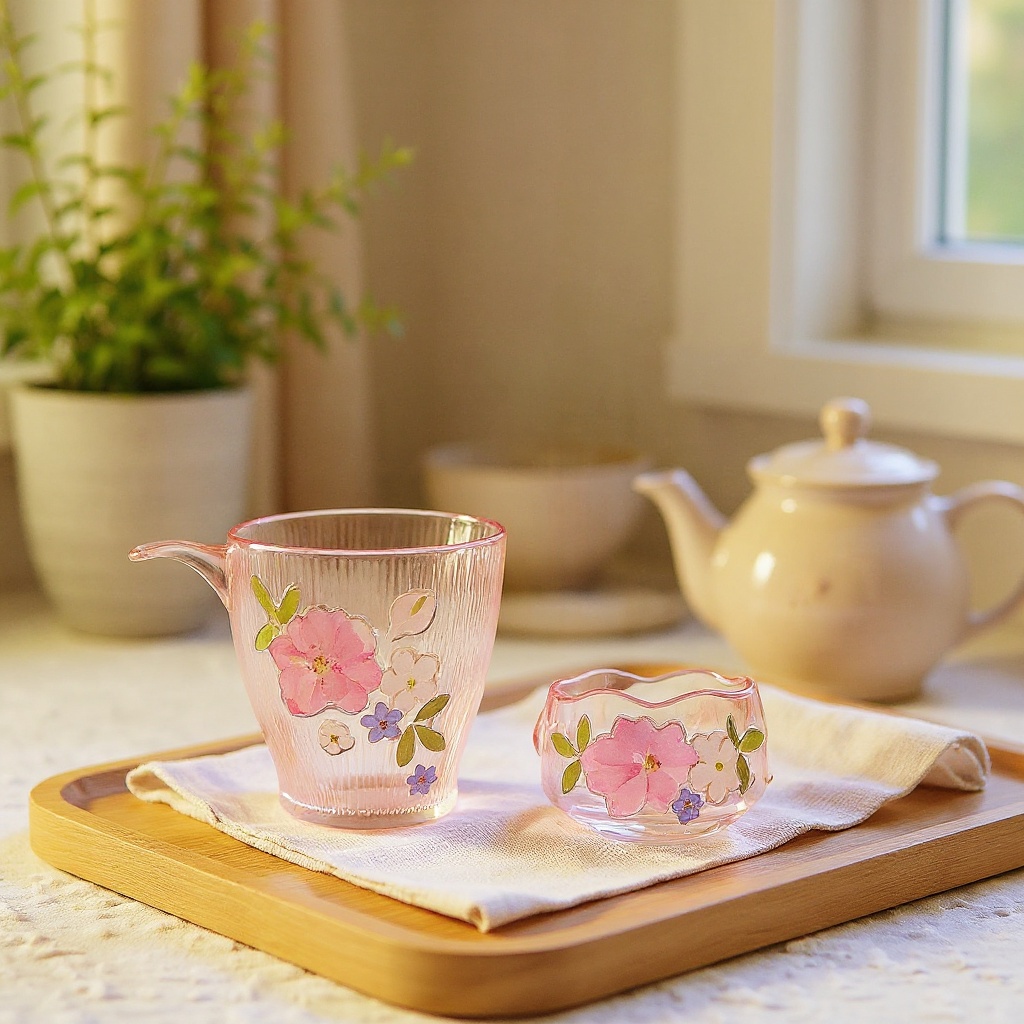
The soft pink-to-clear ombre gradient of the butterfly cup integrates naturally with linen textiles, unfinished wood surfaces, and dried botanical arrangements. On a styling shoot I conducted with a wooden tray, loose dried petals, and natural afternoon light, the cup read as both product and still life. It doesn't require styling. It creates it.
Gift-Giving and Emotional Value
Floral glass mugs excel as meaningful gifts because they combine practical utility with emotional symbolism. Preserved flowers represent lasting beauty — unlike cut flowers that wither within a week, embedded botanicals maintain their presence indefinitely when properly cared for. This permanence makes them appropriate for celebrations, milestones, and occasions where the gift should outlast the moment.
The handcrafted nature adds a personal dimension that mass-produced items structurally cannot match. Recipients understand, consciously or intuitively, that someone selected a unique art object. No two pieces are identical. Slight variations in flower placement, gradient intensity, and glass contour ensure genuine singularity.
Not a souvenir. Not a novelty. An object with a useful life measured in decades.
Price points for quality pieces reflect their artistic value and labor investment. A $100+ floral glass mug positions itself as a significant gift appropriate for major occasions — birthdays, housewarmings, graduations — rather than casual exchanges. This pricing aligns the purchase with jewelry, original art prints, or other meaningful objects that recipients treat with care rather than casual use.
FAQ
Are floral glass mugs safe to use with hot tea or boiling water?Yes, when made from properly annealed heat-resistant borosilicate glass. Borosilicate's thermal expansion coefficient — approximately 3.3 × 10⁻⁶/°C per published glass science references — allows it to handle temperatures up to 212–250°F without thermal shock cracking. Always verify that a specific product's manufacturer rates it for high-temperature use. Cheaper soda-lime glass alternatives carry significantly higher cracking risk with boiling water.
Do the real flowers inside glass mugs touch the liquid I drink?No. Properly crafted floral glass mugs completely encapsulate the preserved flowers within the glass structure. The botanical specimens remain visible but isolated from your beverage — similar in principle to organic inclusions sealed in amber or decorative elements in glass paperweights. Professional artisans verify complete encapsulation during production to prevent any botanical contact with drinking surfaces.
How long do preserved flowers last in a glass cup?When fully sealed within quality glass and stored away from sustained direct sunlight, preserved flowers can maintain structural integrity and general color for decades. Some pigment shifting may occur over ten or more years depending on original dye compounds in specific flower varieties. The glass encapsulation eliminates the moisture, air, and UV exposure that typically cause rapid degradation in unprotected dried botanicals.
Why are handmade floral glass mugs so much more expensive than printed ones?Handmade floral glass mugs require multiple days of skilled craftsmanship: botanical preparation (drying, stabilizing, selecting), glass forming at high temperature with precise flower placement timing, and a controlled annealing process to relieve internal stress. Each piece is individually made. Printed mugs are machine-produced at industrial scale in minutes. The price difference — typically $50–$150 versus $15–$40 — reflects genuine labor, materials, and artistic skill rather than brand markup.
Can I put a floral glass mug in the dishwasher?Most artisan makers recommend hand washing. Dishwasher heat cycles, high-pressure water jets, and alkaline detergents collectively stress glass at inclusion points and can gradually dull exterior surfaces. The glass itself may technically survive dishwasher cycles, but the raised botanical textures and gradient glass finish benefit from gentler treatment. Hand washing with mild soap takes under a minute and extends the piece's visual quality significantly.
What is the difference between resin flower mugs and hand-blown glass with preserved flowers?Resin flower mugs embed botanicals in clear polymer plastic. Resin can yellow with age and UV exposure, typically within three to five years of regular use, and is not safe for hot beverages above approximately 120°F in most formulations. Hand-blown glass offers superior heat resistance, optical clarity, long-term color stability, and light refraction depth that resin cannot match. For tea use specifically, glass is the only appropriate material.
Is a floral glass mug a good gift for someone who loves tea?Yes, with one qualification: the recipient should appreciate objects that reward intentional care. Tea enthusiasts who view brewing as a ritual — not just a caffeine delivery mechanism — respond strongly to functional art that transforms their daily routine. Someone who primarily drinks tea from a travel mug while commuting will likely underuse and potentially damage a handcrafted piece. Match the gift to the person's actual relationship with tea time.
How do I know if a floral glass mug is genuinely handmade or machine-produced?Authentic handmade pieces show natural flower imperfections, visible depth variations where flowers sit at different levels within the glass, and tactile surface irregularities you can feel with a fingertip. Examine glass wall thickness against a light source — handblown glass shows slight thickness variation that machine production cannot replicate. Printed or decal designs feel uniformly smooth regardless of apparent floral detail. Ask the seller for studio origin information and artisan attribution.
Can a floral glass mug be used for beverages other than tea?Yes. Cold brew coffee, iced herbal infusions, fruit water, and even room-temperature wine all work within the design's function. The gradient pink-to-clear ombre glass interacts differently with dark versus light beverages — coffee creates a dramatic contrast with the pink glass, while pale chamomile tea allows full botanical visibility. The 400ml capacity suits most standard beverage servings. Avoid carbonated beverages under pressure as a general precaution with any artisan glass vessel.
Conclusion
Finding the right floral glass mug for tea lovers means balancing artistic integrity with practical durability, heat safety, and honest self-knowledge about how you use and care for objects. The investment in handcrafted quality pays back through years of daily use, consistent visual pleasure, and the specific kind of satisfaction that comes from owning something made with skill and intention. When you're ready to elevate your tea ritual with functional art that also serves as home décor, browse our Handmade Gradient Pink Butterfly Glass Cup. Each 400ml piece — with its soft pink-to-clear ombre gradient, raised real preserved flowers, and butterfly motif on the outer surface — demonstrates the meticulous craftsmanship that transforms an ordinary beverage vessel into a treasured daily companion.


