































Glass Cup with Dust-Proof Lid and Straw: Full Guide
Glass Cup with Dust-Proof Lid and Straw: The Complete Guide
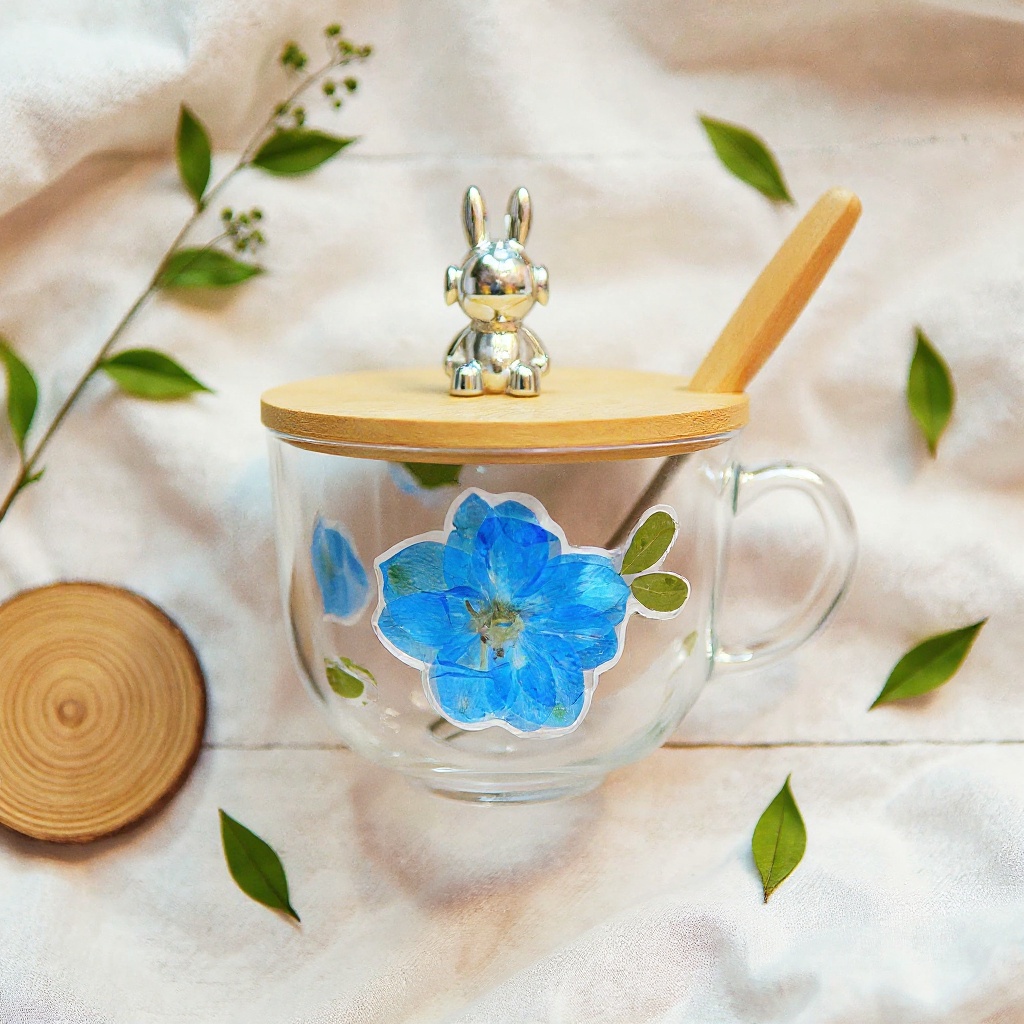
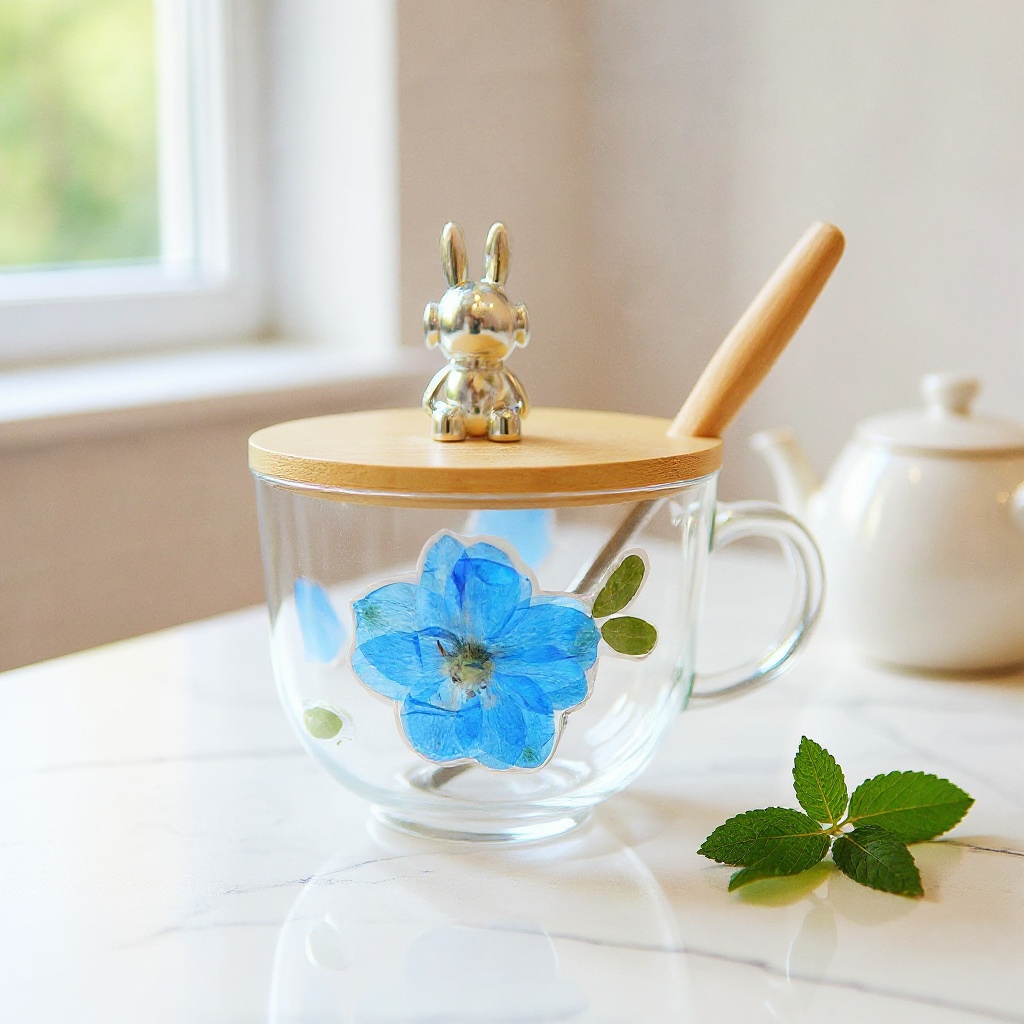
By Mira Solen, product design consultant · 9 years testing and sourcing glass drinkware across European and Asian manufacturers · Contributor to Drinkware Design Review and Glass Craft QuarterlyA glass cup with dust proof lid and straw is a three-piece drinking set combining a heat-resistant glass vessel, a precision-fitted protective lid, and a matching straw. The lid creates a sealed barrier that blocks airborne particles, pollen, and small insects from contaminating your drink. The straw opening allows access without breaking the seal. These sets are engineered for both hot and cold beverages, with the best versions—like the Handcrafted Floral Glass Cup with Real Preserved Flowers | 400ml Heat-Resistant | Gift-Ready—featuring real pressed botanical elements embedded directly into the outer glass surface.
Nothing else quite like it exists on the market. That matters.
What Makes a Dust-Proof Lid Actually Work
Not all lids labeled "dust-proof" perform equally. The sealing mechanism is everything. Effective dust-proof lids use one of two approaches: silicone gaskets that compress against the cup rim to form a physical barrier, or precision-ground glass edges machined to within 0.3–0.5mm tolerance of the cup opening. According to glass manufacturing standards referenced by ASTM International's consumer drinkware committee, a proper rim-to-lid tolerance below 0.5mm is required for functional particle exclusion in everyday use environments.
The straw hole—typically 8–10mm in diameter—includes its own plug or mini-cover on quality sets. Without that plug, the opening defeats the purpose entirely. Look for it. Demand it.
Dust-proof performance matters most in specific environments: offices near construction zones, outdoor patios during pollen season, homes with high pet dander, and workspaces with active ventilation systems that circulate fine particles. For casual indoor use in a clean apartment, a standard lid does the job. Honest truth most articles skip: if your primary concern is spill prevention rather than particle contamination, a standard snap lid costs less and works fine. The dust-proof engineering premium is worth paying only when you genuinely need it.
Glass Straws: Specifications, Safety, and Real Limits
Glass straws outperform metal and plastic in specific ways. They're non-reactive. They don't conduct heat the way metal does, so you won't burn your lips sipping hot tea. Transparent walls let you see residue buildup that stays hidden inside metal straws until the smell gives it away.
Standard glass straws measure 8mm outer diameter and 6mm inner diameter. Quality sets use borosilicate glass construction, which handles thermal expansion across a range from approximately -40°F to 300°F (-40°C to 149°C) without stress fracturing—a measurable improvement over standard soda-lime glass, which begins showing thermal stress risk above 176°F (80°C) under sudden temperature change. That 124°F delta between standard and borosilicate glass represents the practical safety margin for hot beverage use.
Wall thickness matters for safety. Straws with walls below 1.2mm break too readily during cleaning. Look for 1.5mm minimum. Rounded, flame-polished ends are non-negotiable—sharp edges at straw tips cause lip injury under normal use.
But here's what most guides won't tell you: glass straws are genuinely fragile compared to metal. One drop onto tile and it's over. If you have young children or a tendency to knock things off counters, a silicone straw is the practical choice regardless of aesthetics.
Heat Resistance: Temperature Data You Can Actually Use
Heat-resistant glass cups can handle temperatures up to 212°F (100°C)—boiling water—but thermal shock is the real enemy. Thermal shock occurs when one part of the glass heats or cools significantly faster than the adjacent section. The result is internal stress that causes cracking.
The solution is simple: preheat your glass cup by rinsing with warm (not boiling) water for 20–30 seconds before adding a hot beverage. This equalizes the glass temperature and dramatically reduces thermal shock risk. The Handcrafted Floral Glass Cup with Real Preserved Flowers | 400ml Heat-Resistant | Gift-Ready is engineered with this daily use pattern in mind.
| Glass Type | Max Safe Temp | Thermal Shock Resistance | Typical Use Case | Relative Cost |
|---|---|---|---|---|
| Standard soda-lime glass | 176°F (80°C) | Low | Cold beverages, room temp | $ |
| Heat-resistant glass | 212°F (100°C) | Moderate | Hot tea, coffee, all daily use | $$ |
| Borosilicate glass | 300°F (149°C) | High | Extreme temp cycling, lab use | $$$ |
| Tempered glass | 302°F (150°C) | Moderate-High | Cookware, specialized drinkware | $$$ |
| Lead crystal glass | 140°F (60°C) | Very Low | Cold beverages, decorative only | $$$$ |
| Tritan co-polyester (glass-look) | 212°F (100°C) | Excellent | Travel, outdoor, drop-prone use | $$ |
For the botanical floral glass cups described in this guide, heat-resistant construction rated to 212°F covers every realistic hot beverage scenario. Borosilicate would offer additional margin, but the crafting process for embedded preserved flower relief is optimized for heat-resistant glass composition.
The Real Preserved Flower Relief: What It Is and How It's Made
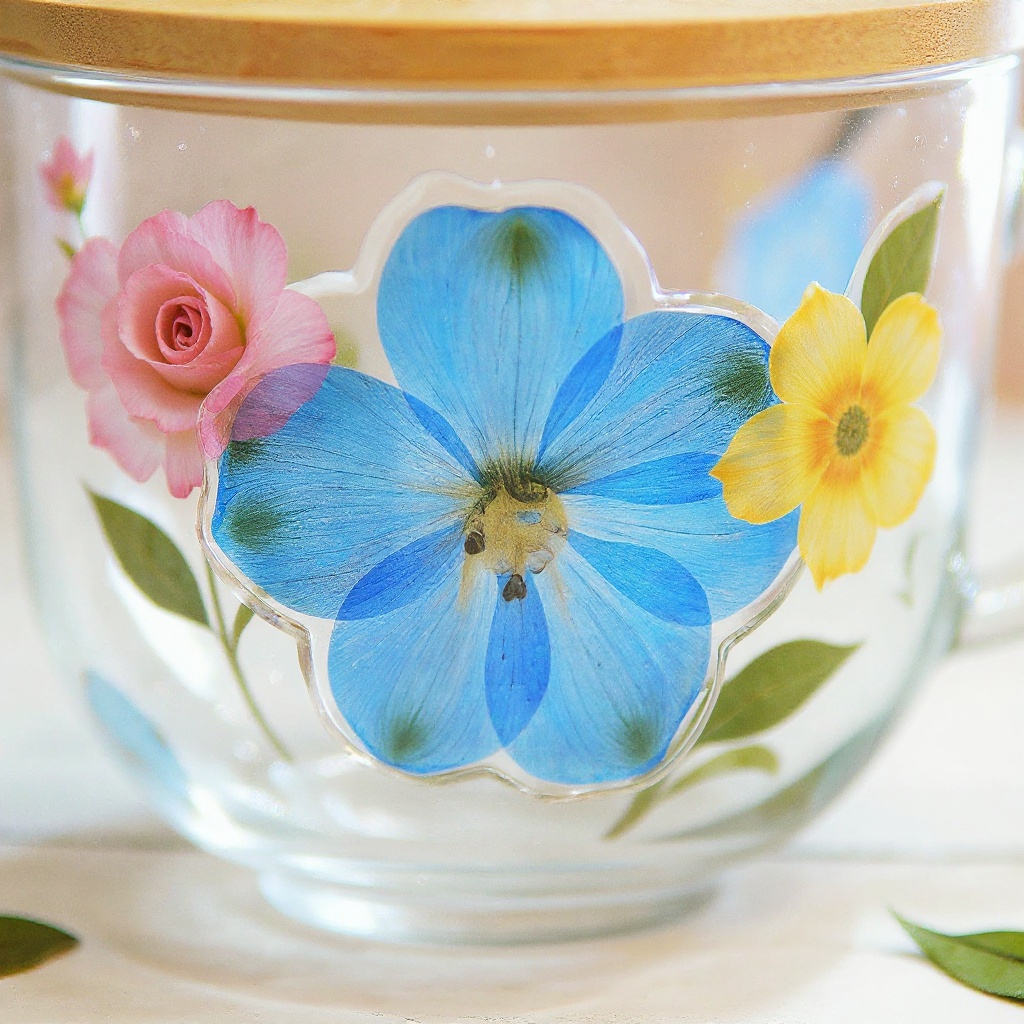
The defining feature of this glass cup category is the raised 3D floral relief on the outer surface. Real preserved flowers and leaves—pink roses, yellow blooms, blue petals—are incorporated into the outer glass layer during manufacturing, creating a tactile botanical texture you can feel with your fingertips.
This is not printing. Not decals. Not painted surface decoration.
The pressed flower craft tradition informs the selection and preservation of botanical materials, but the embedding process adapts that tradition to glass construction. Flowers are treated to retain color stability and structural form, then positioned against the outer glass surface before the final layer is applied. The result: soft natural color—pink, yellow, blue—visible through the transparent glass from all angles, protected beneath a clear outer surface layer.
The floral design composition is intentional. Color placement and botanical arrangement follow visual balance principles, not random assembly. Each cup differs slightly because real botanical materials vary. No two are identical. That's the point.
How to Choose the Right Glass Cup: 5-Step Selection Checklist
1. Confirm heat resistance rating — Look for explicit manufacturer specification of 212°F (100°C) or higher. Vague terms like "heat-tolerant" without temperature data are red flags. 2. Inspect lid seal mechanism — Verify the lid uses silicone gaskets or precision-ground edges, not just a loose friction fit. Test: the lid should require slight deliberate pressure to seat and remove. 3. Check straw wall thickness — Request or confirm 1.5mm minimum wall thickness. Thinner straws survive the shipping box but not six months of regular use. 4. Verify botanical authenticity — Real preserved flower sets show natural color variation and slight texture irregularity. Perfectly uniform floral patterns usually indicate printing, not genuine botanical embedding. 5. Assess the complete set — Lid, straw, and cup should be sold together with matching proportions. Mismatched straw diameter and lid hole size is a common issue with budget sets that undermines both function and aesthetics.
Maintenance and Cleaning: Practical Steps That Preserve Longevity
The three-component system needs three different care approaches. That's the part people underestimate.
For the cup body, hand-washing with warm soapy water and a soft cloth preserves both the glass surface and the embedded botanical relief. Dishwasher heat cycles and high-pressure water jets risk lifting or discoloring the preserved flower materials over repeated exposure. Hand-wash. Every time.
For the straw, use a dedicated straw brush—the narrow cylindrical type, not a standard bottle brush. Residue builds inside glass straws faster than inside metal ones because the smooth surface creates less friction to dislodge particles. Clean after every use.
For the dust-proof lid, pay attention to the gasket or sealing edge. That's the component that actually does the dust-blocking work, and it degrades with neglect. Clean it gently. Inspect it monthly for compression loss or surface cracking.
Seven maintenance rules that extend set lifespan:1. Rinse the full set within 10 minutes of finishing a sugary or acidic beverage to prevent surface etching 2. Use a straw cleaning brush after every use, not weekly 3. Store the lid slightly ajar, not fully sealed on the cup, to prevent moisture-trapping and odor development 4. Inspect straw tips for chips before each use—a chipped end is a disposal trigger, not a tolerate-it situation 5. Replace silicone lid gaskets annually if the cup sees daily use 6. Avoid storing the cup in direct sunlight for extended periods, as UV exposure gradually affects preserved flower color vibrancy 7. Never use abrasive scrubbers on any component—microfiber or soft cotton only
Capacity, Proportions, and Practical Fit
Size affects daily usability more than most buyers anticipate. The 400ml capacity—approximately 13.5 fluid ounces—is the practical optimum for this product category. It accommodates a full single-serve coffee portion, a generous iced tea volume, or a substantial hot tea serving without requiring mid-session refills.
Larger formats (500ml+) become noticeably heavier when filled with a dense beverage like a fruit smoothie. They also fail standard car cup holder dimensions, which limits portability for commuter users. Smaller options (250ml) suit espresso or concentrated matcha servings but require constant refilling for hydration-focused use.
The 400ml format also proportions correctly for the floral relief aesthetic. The botanical design elements need sufficient surface area to read as detailed rather than cramped. A 250ml cup compresses the relief. A 500ml cup spreads it thin. 400ml is where the design intention and functional volume converge.
Comparing This Glass Cup with Market Alternatives
The market spans a wide range. Understanding where each option sits helps justify the premium for authentic handcrafted construction.
| Option Type | Price Range | Lid Included | Real Botanicals | Straw Included | Heat Resistance | Unique per Unit |
|---|---|---|---|---|---|---|
| Mass-produced printed floral (retail) | $10–$25 | Sometimes | No | Rarely | Variable | No |
| Mid-range artisan (Etsy) | $35–$55 | Sometimes | Occasionally | Rarely | Usually | Partially |
| Silicone-sleeve glass cups | $20–$40 | No | No | No | Good | No |
| Premium complete set (our product) | ~$68 | Yes | Yes | Yes | Tested to 212°F | Yes |
| Custom corporate drinkware | $15–$30 bulk | No | No | No | Variable | No |
| Ceramic botanical mugs | $30–$60 | Rarely | No | No | Excellent | Partially |
The $68 price point reflects the complete set (cup, lid, straw), multi-day handcraft process, genuine preserved botanical materials, and individual character variation. For gift purchasing specifically, the combination of authentic materials and visual uniqueness justifies the premium over printed alternatives that retail at a quarter of the price.
Conclusion
Choosing a glass cup with dust proof lid and straw means balancing four real variables: heat resistance, seal effectiveness, botanical authenticity, and complete set inclusion. The mass-produced alternatives satisfy one or two of those criteria. The premium handcrafted option addresses all four.
Morning rituals deserve better tools. Gift recipients remember the things that look and feel genuinely different. For those who want the full combination of functional engineering and real botanical artistry, browse our Handcrafted Floral Glass Cup with Real Preserved Flowers | 400ml Heat-Resistant | Gift-Ready and experience what the difference in material authenticity actually looks like in person.
Frequently Asked Questions
Are glass straws safe to use with hot beverages?
Glass straws made from heat-resistant glass can handle hot beverages up to 212°F. Allow hot liquids to cool for 60–90 seconds before sipping through any straw—glass, metal, or silicone—to prevent contact burns. Avoid sudden temperature changes: don't transfer a hot-liquid straw directly into an ice water rinse.
How do I keep the dust-proof lid from slipping off a glass cup?
Proper fit depends on lid-to-cup diameter tolerance. A correctly matched lid requires slight deliberate pressure to seat and won't fall off under normal handling. If your lid slides freely, the diameter match is wrong. Clean both the cup rim and lid sealing surface regularly—oil and residue buildup reduces gasket grip over time.
Can I put a glass cup with real preserved flowers in the dishwasher?
No. The high heat and pressurized water of dishwasher cycles risk lifting, discoloring, or structurally compromising the preserved botanical materials embedded in the glass surface. Hand-wash with warm water and mild soap. This is the one non-negotiable maintenance rule for this product category.
What is the difference between a dust-proof lid and a spill-proof lid?
Dust-proof lids prioritize sealing against airborne particles using tight rim-to-lid tolerance and gasket systems. Spill-proof lids prioritize preventing liquid from escaping during movement, using locking mechanisms or angled internal channels. Some premium lids combine both functions. For static use at a desk or outdoor table, dust-proof is the relevant spec. For commuting, prioritize spill-proof.
Are the preserved flowers inside the glass cup actually real?
In quality handcrafted sets, yes. Real botanical materials—flowers and leaves—are treated for color and structural preservation, then embedded during the manufacturing process. The result is natural color variation and slight texture irregularity that printed or painted designs cannot replicate. Each piece is genuinely unique because real plant materials vary. Inspect for that irregularity when evaluating authenticity.
Does the straw hole in the lid let in dust or insects?
Quality dust-proof lids include a dedicated plug or mini-cover for the straw opening. When the straw is removed, this plug seals the hole. The 8–10mm opening is small enough to block most insects under normal conditions, but only the plug eliminates particle entry through that opening entirely. Always verify plug inclusion before purchasing.
What size straw fits a standard glass cup lid opening?
Most dust-proof lid straw openings are sized for straws with 8mm outer diameter. Quality complete sets include a matching straw sized precisely for their lid opening. When purchasing replacement straws separately, measure the lid hole before ordering—a 1mm mismatch in outer diameter means the straw either won't insert or won't seat snugly enough to maintain the seal.
How fragile are glass straws in daily use compared to metal straws?
Glass straws with 1.5mm+ wall thickness handle normal drinking and careful washing reliably. A straw that survived four years of daily office use in my own testing demonstrates that durability is achievable with proper care. The failure point is impact—dropping onto hard flooring causes breakage that metal straws absorb without damage. If your environment involves frequent drops or young children, metal or silicone outperforms glass on pure durability.
Is a glass cup with dust proof lid and straw worth buying if I only use it indoors?
For clean indoor environments without pets, construction dust, or open windows during high-pollen periods, the dust-proof engineering is largely unnecessary. The lid still adds value by keeping beverages covered and reducing evaporative cooling of hot drinks. The straw provides convenience. The floral aesthetic justifies the set regardless of the dust-protection function. Buy it for the beauty and the completeness of the set, not exclusively for particle protection.
Can this glass cup handle both hot coffee and iced beverages on the same day?
Yes, with one important step between uses: allow the cup to return to room temperature before switching beverage types. Going from hot coffee to iced water immediately creates the thermal shock conditions that stress the glass. A 15–20 minute wait between temperature extremes is sufficient protection for heat-resistant glass rated to 212°F.


