
Glass Mugs With Embedded Dried Flowers Explained
By pampasroom, founder of Pampasroom · 8+ years working directly with Southeast Asian rattan artisans · Featured in Cottagecore Weekly and The Artisan HomeA glass mug with embedded dried flowers is a handcrafted drinking vessel where real pressed botanicals are permanently sealed between layers of clear glass or directly embedded into the outer surface. These mugs combine functionality with artistry, featuring genuine flowers like pansies, daisies, or wildflowers that create a raised, tactile texture you can feel with your fingertips. The flowers maintain their natural colors and shapes through a specialized preservation and sealing process that takes skilled artisans approximately three days to complete per piece.
How Real Flowers Get Embedded in Glass
The process of creating a glass mug with embedded dried flowers starts with flower selection and pressing. Artisans choose specific blooms based on their ability to retain color and structural integrity during the preservation process. The flowers are carefully pressed for 2-3 weeks between absorbent papers under consistent pressure to remove moisture content down to about 5-10%.
Once properly dried, the flowers undergo positioning on the glass surface. This step requires precision because repositioning isn't possible once the sealing process begins. The artisan applies a specialized clear resin or glass-compatible adhesive that bonds the botanical materials to the mug's exterior while maintaining optical clarity. Some techniques involve heating the glass to approximately 500-600°F to create a permanent seal, while others use UV-cured resins for room-temperature applications.
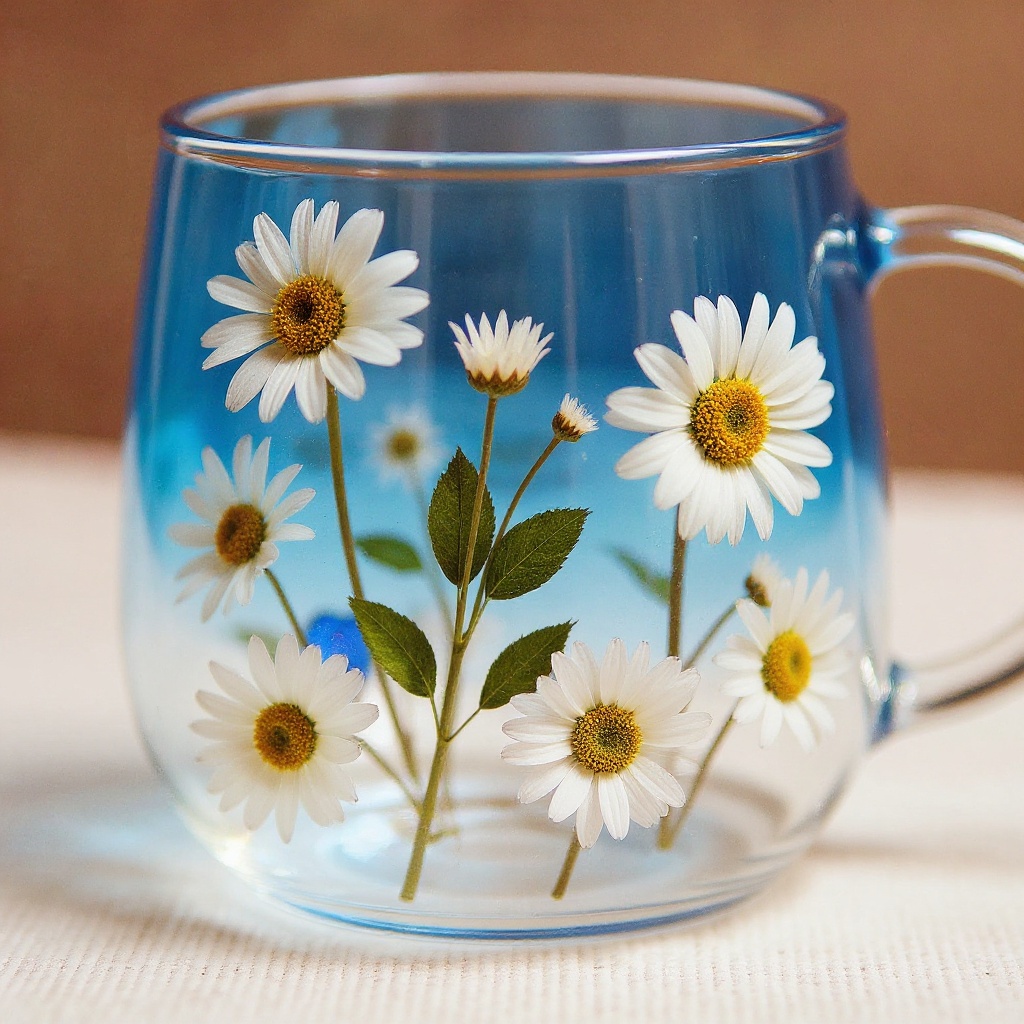
The three-dimensional effect comes from the flower's natural thickness remaining intact. Unlike printed designs, these pressed flowers maintain their original petal layers, creating shadows and depth that change with lighting angles. This raised texture is what distinguishes authentic embedded flower mugs from flat printed alternatives that cost $10-$30.
Why Each Mug Looks Different
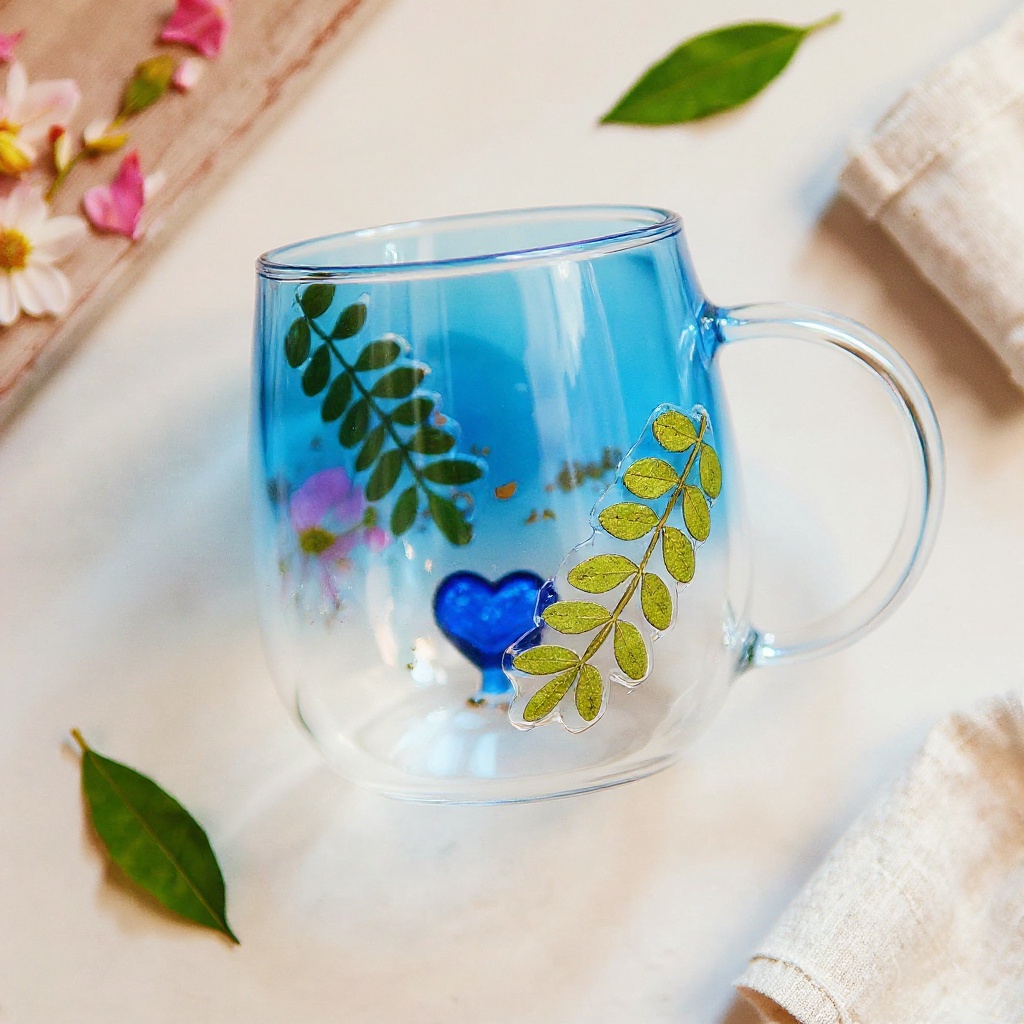
No two pressed flower mugs can ever be identical because nature doesn't create duplicate flowers. Even flowers from the same plant vary in size, petal count, color intensity, and growth patterns. A single daisy might have 21 petals while another has 34, and pansy faces show unique color variations ranging from deep purple to pale yellow.
The pressing process itself adds another layer of uniqueness. How each flower responds to dehydration depends on its original moisture content, thickness, and cellular structure. Some petals might curl slightly during pressing, while others remain perfectly flat. These subtle differences become permanent features once embedded in the glass.
Handmade positioning means human variation too. Even the most skilled artisan can't replicate exact placement angles or spacing between multiple flowers on a single mug. This human touch is what collectors value – each piece carries the maker's individual aesthetic choices and technique variations.
Materials and Construction Quality
Authentic pressed flower mugs use borosilicate glass or similar heat-resistant materials rated for temperatures up to 300°C (572°F). This glass composition handles thermal shock better than standard soda-lime glass, making it suitable for hot beverages without cracking from rapid temperature changes.
The flower preservation follows traditional pressed flower craft techniques that date back to the Victorian era. Modern artisans combine these historical methods with contemporary sealing technologies to ensure longevity. Quality embedded flower mugs maintain their floral appearance for 5-10 years with proper care, though colors may gradually fade due to UV exposure.
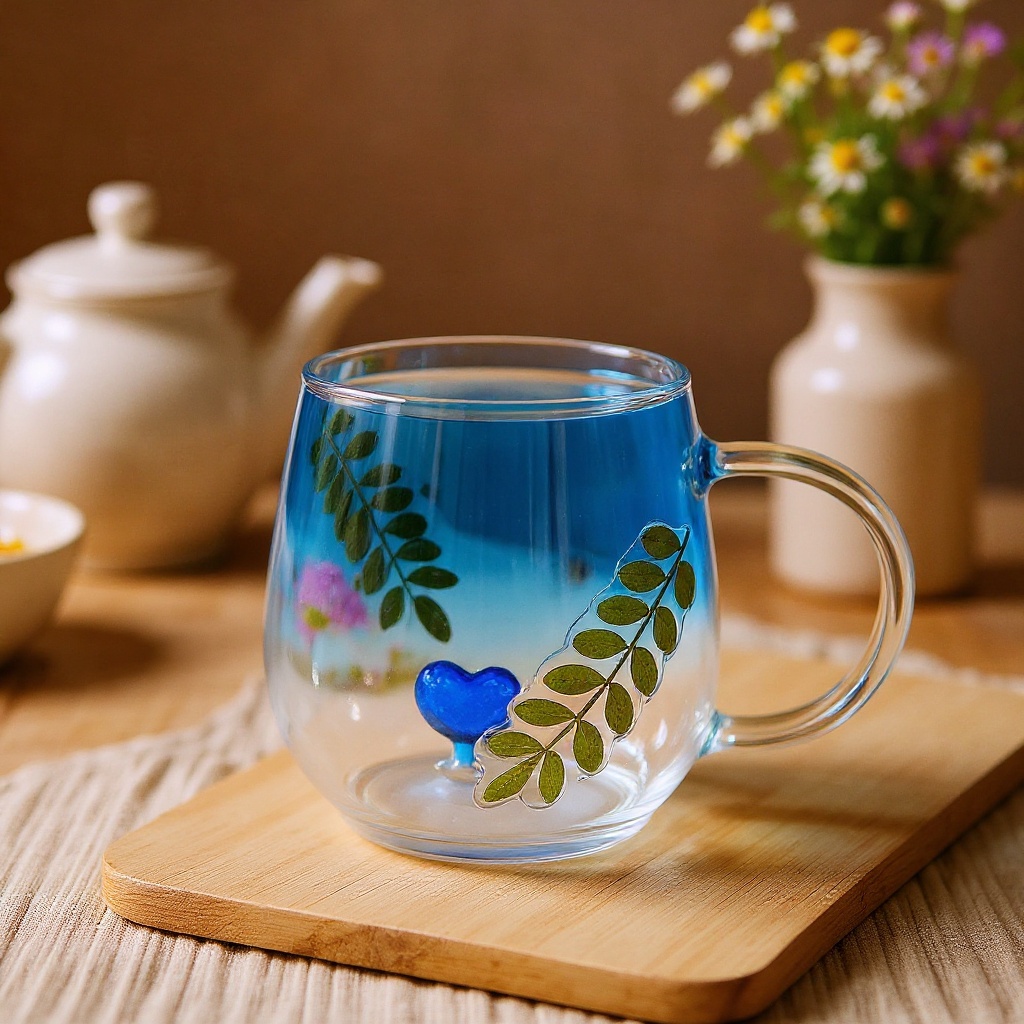
Our Handmade Pressed Flower Glass Mug 400ml | Eco-Friendly Floral Tea Coffee Cup Gift uses this borosilicate construction with a 400ml capacity – perfect for standard coffee or tea servings. The heat-resistant properties mean you can safely pour brewing-temperature liquids without worrying about thermal damage.
Durability and Longevity Factors
The lifespan of embedded flowers depends on several key factors. UV exposure causes the most significant deterioration – direct sunlight can fade flower colors within 6-12 months, while indirect light preserves appearance for years. Temperature cycling also affects the seal integrity, though quality construction handles normal beverage temperatures without issues.
Physical handling matters too. The raised flower surfaces can snag on dishwasher racks or scrubbing pads, potentially loosening the seal over time. Hand washing with lukewarm water and gentle soap preserves both the glass clarity and floral elements. Avoid abrasive cleaning tools that might scratch the protective coating around the flowers.
Comparison: Pressed Flower vs. Alternative Mug Types
| Feature | Pressed Flower Glass | Printed Ceramic | Hand-Painted Ceramic |
|---|---|---|---|
| Price Range | $60-$150 | $10-$30 | $40-$80 |
| Uniqueness | Every piece different | Mass-produced identical | Limited variations |
| Texture | Raised 3D surface | Flat smooth finish | Slightly raised paint |
| Durability | 5-10 years with care | Dishwasher safe, indefinite | 3-5 years before chipping |
| Heat Resistance | Up to 300°C | Varies by ceramic type | Usually 200-250°C |
| Maintenance | Hand wash only | Machine washable | Hand wash recommended |
Proper Care and Maintenance
Maintaining a pressed flower glass mug requires gentle handling and specific cleaning techniques. The flowers are sealed but not indestructible – harsh chemicals or abrasive materials can damage the protective coating and cause premature deterioration.
7 Essential Care Guidelines:
1. Hand wash only – Never put in dishwashers where high heat and harsh detergents can break down the flower seals 2. Use lukewarm water – Extreme temperatures can cause thermal shock even in heat-resistant glass 3. Gentle soap application – Mild dish soap works best; avoid bleach-based or antibacterial cleaners 4. Soft cloth cleaning – Microfiber or cotton cloths prevent scratching the glass surface around embedded flowers 5. Immediate drying – Don't let water spots form on the glass, which can obscure the floral details 6. Storage away from direct sunlight – UV rays are the primary cause of color fading in preserved flowers 7. Handle with care – The raised flower surfaces can catch on towels or other items during drying
Proper storage extends the mug's lifespan significantly. Display it in indirect light where you can appreciate the botanical details without exposing it to fade-causing UV rays. A kitchen shelf away from windows or a dining room cabinet works perfectly.
Why the Higher Price Point Makes Sense
The $71 price point for our handmade pressed flower glass mug reflects the intensive labor and materials involved. Each piece requires approximately 3 days of artisan time: flower selection and initial pressing (day 1), positioning and initial sealing (day 2), and final curing plus quality inspection (day 3).
Compare this to mass-produced printed mugs that roll off automated production lines at rates of hundreds per hour. The time investment alone justifies the price difference. Add in the cost of quality borosilicate glass, specialized sealing materials, and the skill required for proper flower preservation, and the pricing becomes reasonable within the artisan market segment.
Collector value also plays a role. Since no two pieces can be identical, each mug represents a unique art piece that happens to be functional. Similar handcrafted glass items with embedded naturals often retail for $150-$600 in gallery settings, making this price point accessible for the quality level provided.
Frequently Asked Questions
Are the flowers in a pressed flower glass mug real or synthetic?The flowers are genuine botanicals that have been carefully pressed and dried using traditional preservation techniques. Real flowers provide the natural color variations and authentic textures that synthetic materials can't replicate. Each petal maintains its original cellular structure, creating the distinctive raised surface you can feel when handling the mug.
How long do the embedded flowers last before fading or falling off?With proper care, embedded flowers maintain their appearance for 5-10 years. Color fading occurs gradually due to UV exposure, but the flowers themselves remain securely sealed. Direct sunlight accelerates fading to 6-12 months, while indirect light preserves colors much longer. The flowers won't fall off if the mug is handled gently and cleaned properly.
Can I put a pressed flower glass mug in the dishwasher?No, pressed flower glass mugs require hand washing only. Dishwasher heat and harsh detergents can break down the protective seals around the flowers, causing them to loosen or deteriorate. The high water pressure and mechanical action can also damage the raised floral surfaces. Hand washing with lukewarm water and mild soap preserves both the glass and embedded botanicals.
Is it safe to use a pressed flower glass mug for hot drinks like tea and coffee?Yes, quality pressed flower mugs use borosilicate or heat-resistant glass rated for temperatures up to 300°C (572°F). This handles standard brewing temperatures without thermal shock or cracking. However, avoid pouring boiling water directly onto the embedded flower areas, as rapid temperature changes near the seals could affect their integrity over time.
Why is a handmade pressed flower mug so much more expensive than a printed floral mug?The price difference reflects the 3-day handcrafting process versus automated mass production. Each pressed flower mug requires individual flower selection, pressing, positioning, and sealing – all done by skilled artisans. The materials cost more too: borosilicate glass and specialized sealing compounds versus standard ceramic and printed inks. You're paying for uniqueness, craftsmanship, and the functional art aspect.
How do artisans seal the flowers so they stay raised on the glass surface?Artisans use specialized clear resins or heat-fusion techniques to permanently bond flowers to the glass surface. Some methods involve heating the glass to 500-600°F to create a molecular seal, while others use UV-cured resins that maintain optical clarity. The sealing process preserves the flower's three-dimensional structure while protecting it from moisture and handling damage.
What is the best way to clean a glass mug with embedded dried flowers without damaging it?Use lukewarm water with mild dish soap and a soft microfiber cloth. Gently clean around the raised flower areas without scrubbing directly on the botanicals. Rinse thoroughly and dry immediately to prevent water spots. Avoid abrasive materials, harsh chemicals, and extreme temperatures. Clean the mug after each use to prevent staining that could obscure the floral details.
Can the embedded flowers be removed or replaced if they get damaged?No, the embedding process creates permanent bonds between the flowers and glass. Attempting removal would likely damage both the botanicals and the mug surface. This permanence is part of what makes each piece unique – the flowers you see are the ones that will remain for the mug's lifetime. Choose your design carefully since it can't be altered later.
Finding Your Perfect Pressed Flower Mug
Choosing a glass mug with embedded dried flowers means investing in a piece that combines daily functionality with artistic beauty. The key is understanding what you're getting: a handcrafted item that requires gentle care but offers years of unique visual appeal that changes subtly with different lighting throughout the day.
If you're drawn to the idea of sipping your morning tea from a vessel that showcases nature's artistry, consider our Handmade Pressed Flower Glass Mug. Each 400ml mug features carefully selected pressed flowers in patterns that exist nowhere else – because nature never repeats herself exactly. The three-day handcrafting process ensures you're getting an authentic piece that honors both traditional flower preservation techniques and modern glassworking skills.