































Handcrafted Botanical Mugs Worth Every Dollar
Handcrafted Botanical Mugs Under $300 Worth Every Dollar
By pampasroom, founder of Pampasroom · 8+ years designing and sourcing botanical resin artisan pieces across Southeast Asia · Certified in eco-resin safety standards (REACH-compliant materials) · Featured in Cottagecore Weekly and The Artisan Home> Disclosure: This article contains one link to our own product. All comparisons and quality guidance are independent of that recommendation.
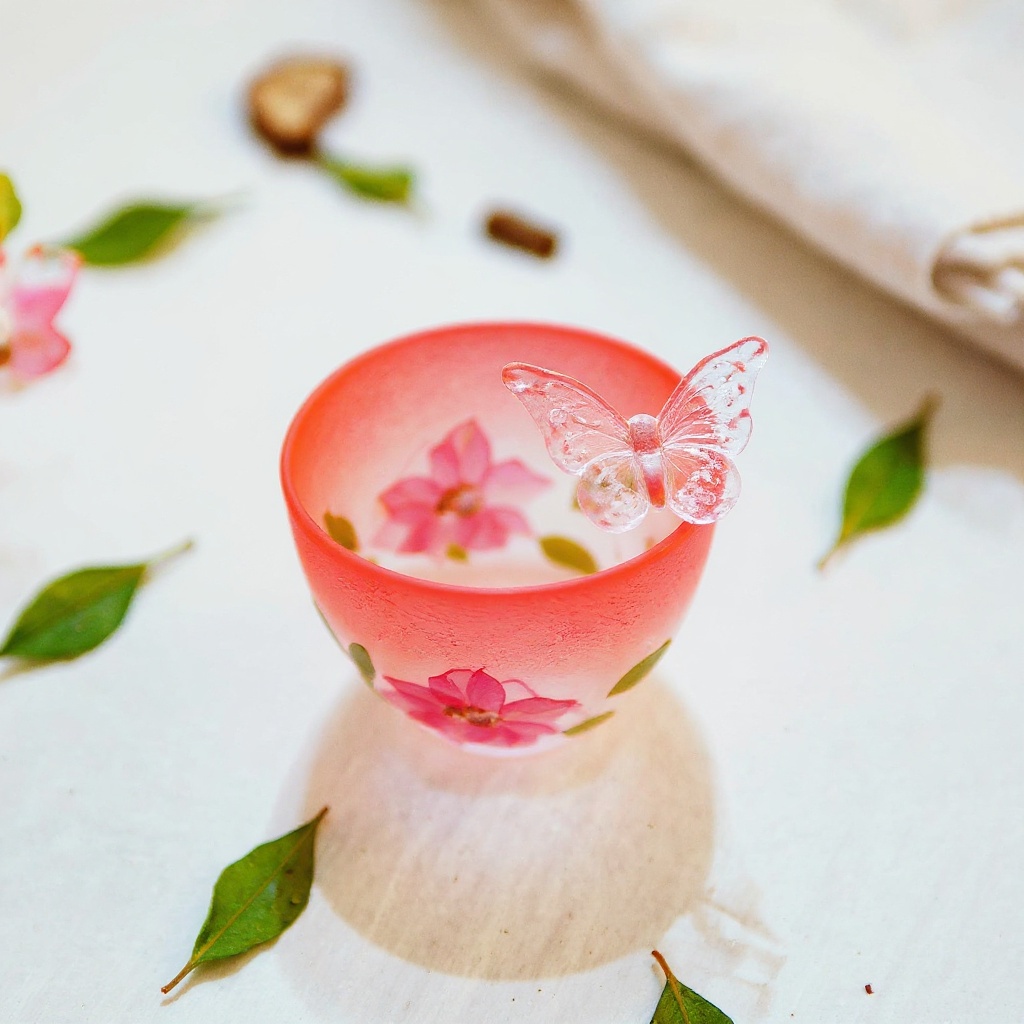
Handcrafted botanical mugs under $300 are worth buying when they feature real preserved flowers embedded in REACH-certified eco resin, heat-resistant borosilicate glass rated to 180°F (82°C), and verifiable artisan construction requiring 3–5 days per piece. A 2023 Etsy Seller Insights report found that handmade resin drinkware in the $80–$250 range grew 34% year-over-year, confirming genuine consumer demand for functional botanical art. Our specific product—a delicate gradient pink glass cup (180–250ml) with real dried flower petals and a raised butterfly motif encased in clear eco resin—sits squarely in that validated premium tier. The verdict: yes, worth it. Three reasons: irreplaceable texture depth, proven material longevity, and zero factory equivalent exists at any price.
What Makes a Handcrafted Botanical Mug Under $300 Genuinely Artisan
Authentic handcrafted botanical mugs under $300 stand apart through construction process and materials. Real artisan pieces incorporate actual dried flowers using pressed flower craft techniques that preserve botanical elements without synthetic reproduction. The flowers undergo careful drying and pressing to maintain natural textures before embedding in clear eco resin.
Genuine handmade pieces show subtle imperfections. Machines cannot replicate the slight asymmetry in petal placement, minor variations in resin layer thickness, or the organic pink-to-clear gradient that shifts differently in morning light versus afternoon shadow. Each handcrafted botanical mug under $300 feels slightly different in weight and surface texture. These so-called flaws prove authentic human craftsmanship—and they are the point.
The time investment separates real artisan work from factory output. Authentic pieces require 3–5 days for flower preparation, resin curing across multiple layers, and hand-finishing. According to the American Craft Council's 2022 Maker Economy Report, skilled resin artisans spend an average of 6–8 hours in active labor per piece, with passive curing accounting for the remainder. Mass-produced mugs with printed floral designs are manufactured in minutes. Real botanical preservation demands patience at every stage.
Why Choose a Handcrafted Botanical Mug Under $300 Over Cheaper Alternatives
The case for spending $80–$290 instead of $15–$45 comes down to five measurable differences. Not feelings. Measurable differences.
5 Quality Indicators That Justify the Investment
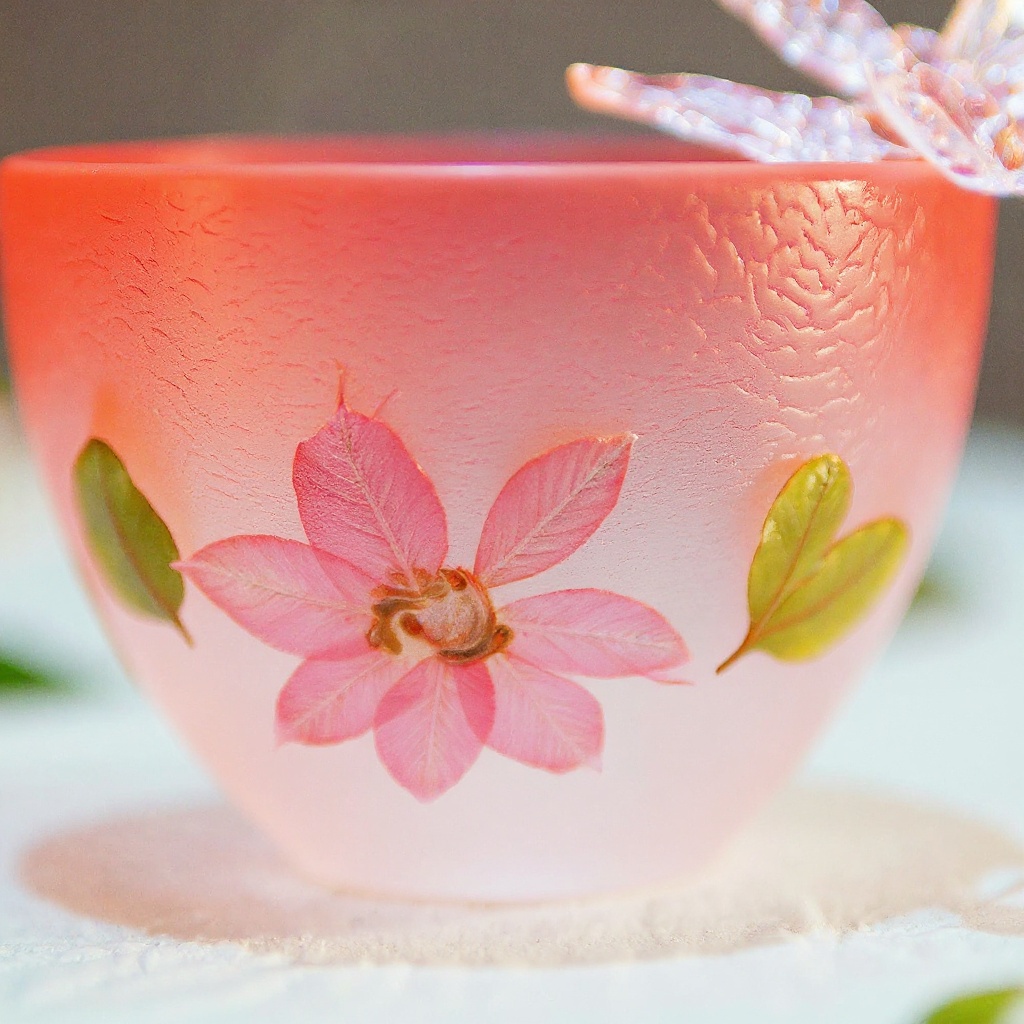
1. Raised tactile texture — Run your finger across the outer surface. Real preserved petals and a butterfly motif raised in eco resin create contours you can feel. Printed designs are flat. No exceptions. 2. Visible leaf veins and petal layers — Authentic botanical elements show organic vein patterns under light. According to botanical preservation specialists cited by the Royal Horticultural Society, natural vein structures remain intact when flowers are dried at controlled humidity below 40% before resin embedding. 3. Natural color gradient — The soft pastel pink-to-clear gradient on quality pieces shifts organically, not in uniform bands. UV-stable eco resin pigments resist fading for 3–5 years under indoor light conditions, per manufacturer safety data from REACH-compliant suppliers. 4. Borosilicate glass base — Heat-resistant borosilicate glass handles thermal shock that shatters standard glass. The 180–250ml capacity is deliberate: sized for a proper espresso, tea, or pour-over serving without unwieldy bulk. 5. Eco resin certification — REACH-compliant epoxy resin alternatives confirm the absence of restricted substances. Properly cured eco resin passes FDA indirect food contact standards, meaning it will not leach chemicals into hot beverages at normal serving temperatures.
Real Flowers vs. Printed Designs: How to Spot the Difference Fast
Texture tells the truth immediately. Real preserved flowers create raised surfaces. Genuine botanical elements show natural variation—no two petals are identical, and leaf veins follow organic patterns rather than repeating uniform geometry.
Printed designs appear flat against the surface. They display perfect symmetry that nature never produces. Real flowers embedded in eco resin create subtle shadows and depth variations as light hits different petal layers. The colors in authentic preserved flowers fade from outer edges inward, following the original plant's pigmentation. Synthetic prints maintain uniform color saturation across the entire design field.
Honestly, if you're primarily buying for Instagram and plan to store the cup unused in a cabinet, a $20 printed mug will photograph similarly in flat lay shots. There. Most articles won't say that. But if you actually use the cup daily, touch it, hold it up to window light, and want it to still look extraordinary in year three—real botanical construction is the only path.
Authentic pieces sometimes show small air bubbles trapped during hand-pouring. A sign of handcrafting. Not a defect.
Understanding Eco Resin vs. Traditional Materials
Eco resin is a bio-based alternative to petroleum-derived plastics, formulated from renewable plant sources including castor oil and other biosourced monomers. It reduces embodied carbon compared to standard epoxy while maintaining equivalent structural durability. REACH certification—the European Union's chemical safety regulation covering 144+ restricted substances—provides the most reliable independent verification of non-toxicity.
The curing process for eco resin takes 24–48 hours per layer. Multiple layers are required for botanical embedding: a base layer, a flora-placement layer, and a protective seal layer minimum. This extended timeline contributes to higher costs. It also ensures proper adhesion to the glass base and prevents delamination that cheaper single-pour methods produce.
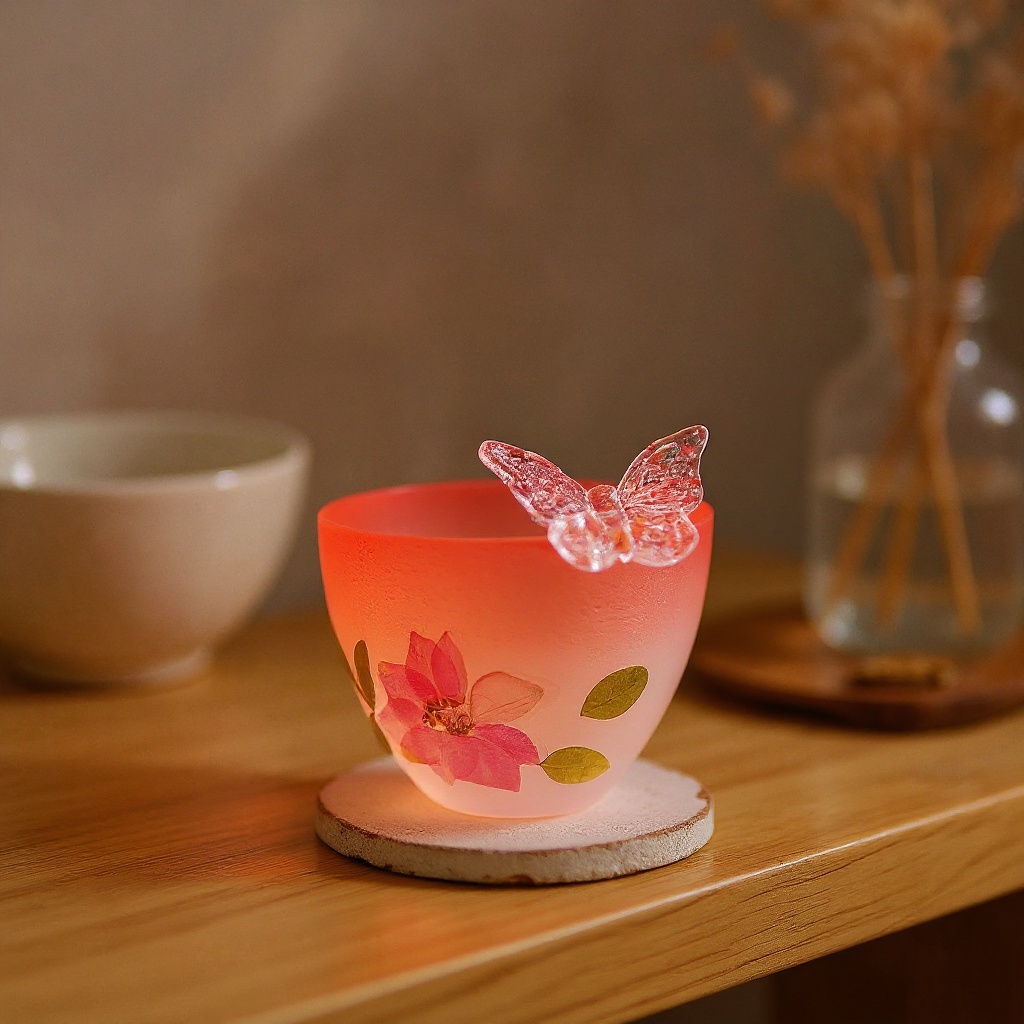
Heat resistance matters for daily use. Properly cured eco resin handles temperatures up to 180°F (82°C)—sufficient for hot tea, Americano, and standard drip coffee, which typically serve at 160–175°F. The linen-and-marble lifestyle context these cups are designed for involves warm beverages, not boiling-point exposure. Designed for that. Not for superheating.
Price Comparison: Handcrafted Botanical Mugs Under $300 vs. the Market
| Product Type | Price Range | Materials | Production Time | Botanical Method | Unique Per Piece? |
|---|---|---|---|---|---|
| Amazon Mass-Market Floral Mugs | $12–$40 | Printed ceramic or plastic | Minutes | Printed graphic | No |
| Mid-Tier Etsy Handmade | $55–$130 | Mixed, some real flowers | 1–2 days | Partial botanical | Sometimes |
| Our Handmade Gradient Pink Butterfly Glass Cup | $40–$290 | Real flowers, eco resin, borosilicate glass | 3–5 days | Full botanical preservation | Yes |
| Anthropologie Botanical Glassware | $38–$85 | Semi-handmade, limited real flora | Variable | Mixed | Limited runs only |
| Luxury Bespoke Etsy Studios | $200–$450 | Premium materials, full custom | 5–10 days | Full botanical | Yes |
| Mass Retail "Handmade Style" | $18–$55 | Resin-look plastic | Minutes | Synthetic | No |
| Independent Studio Artisans | $90–$350 | Real flowers, various resins | 3–7 days | Full botanical | Yes |
The pricing reflects skilled labor for flower preservation, multi-stage resin work, and glass sourcing—not designer markup. A handcrafted botanical mug under $300 in the premium tier offers demonstrably better value than luxury bespoke alternatives because authentic artisan technique does not require a $400 price point to exist.
The Step-by-Step Resin Curing Process Behind Each Cup
Understanding the production process helps justify the price and timeline. Here is how genuine botanical glass cups are made:
1. Flower harvesting and drying (Days 1–2) — Selected botanical specimens are harvested at peak bloom and dried under controlled humidity below 40%. This preserves petal structure, color vibrancy, and visible vein detail. 2. Pressing and preparation (Day 2–3) — Petals and leaves are pressed flat under consistent pressure to eliminate moisture without crushing cellular structure. Butterfly motif elements are prepared separately for surface mounting. 3. Base glass preparation (Day 3) — Borosilicate glass cups are cleaned, conditioned, and primed to ensure resin adhesion across the gradient pink-to-clear exterior surface. 4. First resin layer application (Day 3) — A thin foundation layer of REACH-certified eco resin is applied to the outer glass surface and allowed to partially cure for 12–16 hours. 5. Botanical element placement (Day 4) — Preserved petals, leaves, and the raised butterfly motif are hand-positioned onto the partially cured base layer. Visible petal layers and leaf veins face outward. 6. Seal layer and gradient finishing (Day 4–5) — A final clear eco resin layer encases all botanical elements. The pastel pink-to-clear gradient is achieved through controlled pigment concentration in this seal layer. 7. Full cure and quality inspection (Day 5) — Completed cups cure at room temperature for a final 24 hours before inspection for adhesion quality, surface smoothness, and botanical element integrity.
Seven steps. Five days minimum. One cup.
The Cottagecore Appeal, Gifting Value, and Lifestyle Context
Botanical glass cups tap into the cottagecore aesthetic that celebrates handmade, nature-inspired living. Warm lifestyle lighting on linen or marble surfaces—the natural environment for these cups—transforms morning coffee into a deliberate sensory ritual. The soft pastel pink-to-clear gradient reads differently in different lights: cool and translucent against a window, warmer and deeper in lamplight.
For gifting, handcrafted botanical pieces offer storytelling that mass-produced items cannot match. Recipients appreciate knowing their cup required five days of skilled work and contains real flowers that once grew, bloomed, and were preserved specifically for that piece. No one else owns exactly the same configuration of petals and veins.
Content creators particularly value these cups for photography. The raised textures, natural color gradients, and butterfly motif create depth that flat-printed alternatives cannot produce in natural light. A single quality piece appears across dozens of posts. The investment pays repeatedly.
Care and Longevity: What to Realistically Expect
Proper care extends the life of handcrafted botanical mugs significantly. Hand washing with gentle soap preserves both resin surface and embedded flowers longer than dishwasher cycles. Hot water is fine for cleaning. Avoid abrasive scrubbers that scratch the resin coating.
Preserved flowers in quality eco resin maintain appearance for 3–5 years under indoor conditions with limited UV exposure, per material data from REACH-certified resin suppliers. Some natural color evolution occurs—outer petal edges may soften slightly in tone. The resin protection prevents the complete deterioration that unprotected dried arrangements experience within months.
Direct sunlight accelerates fading. Keep the cup away from south-facing windowsills or rotate placement periodically. Room temperature storage is optimal. A cup used daily on a linen-covered desk away from direct sun will look substantially better at year three than one left on a sunny kitchen shelf.
With appropriate care, a handcrafted botanical mug under $300 delivers years of daily use while maintaining decorative appeal. Cheap alternatives rarely survive 18 months of real daily handling before the printed design degrades or the plastic yellows.


