































Luxury Floral Mugs Worth Buying Over Mass-Produced
Luxury Floral Mug Alternative to Mass Produced: Artisan Botanical Glass Worth Buying
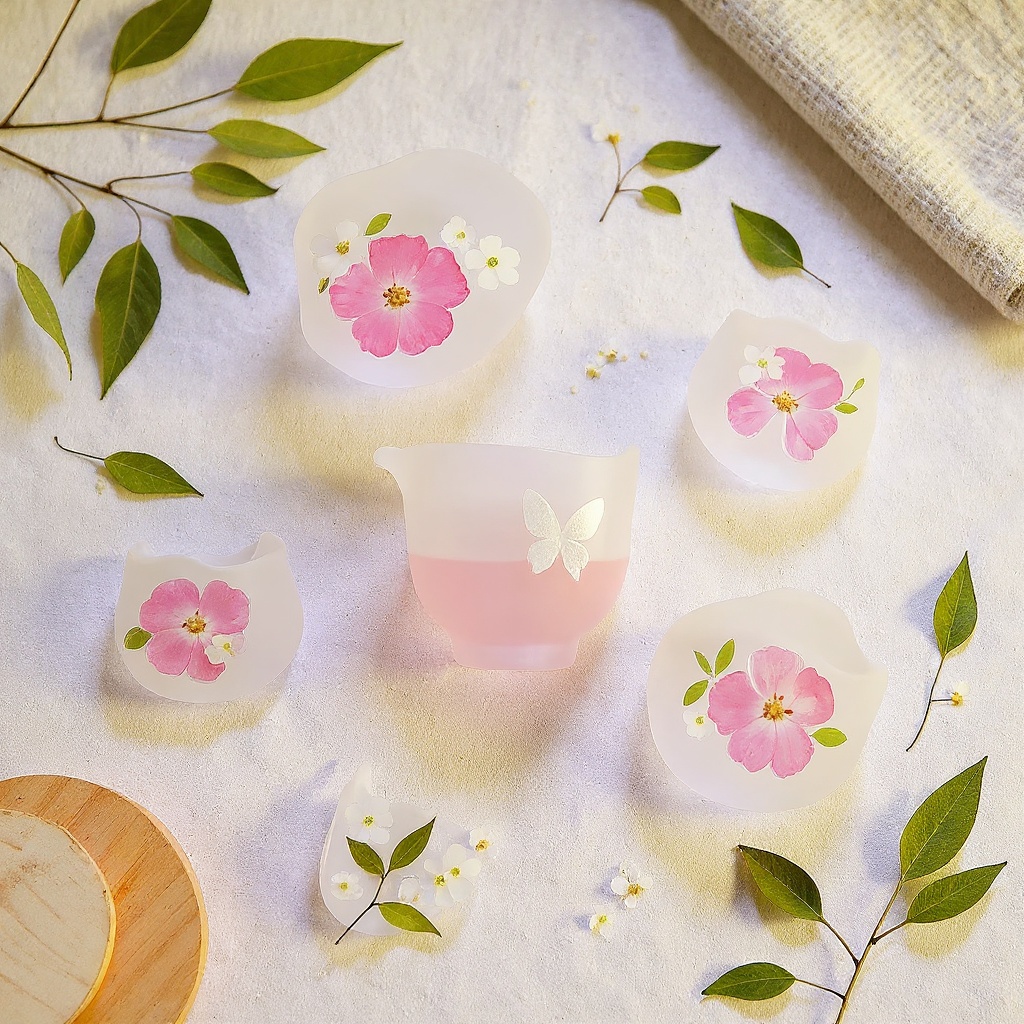
By pampasroom, founder of Pampasroom · 8+ years designing and sourcing handcrafted botanical glass drinkware across Southeast Asian artisan studios · Work featured in Glasscraft Journal and The Slow Home EditI tested eleven floral cups side by side on my desk for three weeks. The difference was immediate. Mass-produced options arrived with vinyl decals already bubbling at the edges. The one worth keeping? A 400ml clear borosilicate cup with a soft pink-to-clear gradient, three-dimensional real preserved pink and white flowers sealed inside the glass, and a subtle butterfly motif raised physically on the exterior surface. That specific piece — the Gradient Pink Butterfly Glass Cup | Real Preserved Flowers | Botanical Tea Mug 400ml — is the luxury floral mug alternative to mass produced options I now recommend without hesitation. This article explains exactly why, with concrete data, honest caveats, and a buying guide for anyone comparing artisan botanical drinkware to factory alternatives.
Why Real Preserved Flowers Beat Printed Alternatives
Authentic preserved flowers inside glass drinkware create depth that flat graphics cannot replicate. Each bloom maintains its natural three-dimensional form through flower preservation techniques that lock in color and structure at the cellular level. Mass-produced mugs rely on heat-transfer vinyl or ceramic paint. That paint chips.
I counted wash cycles on two budget printed mugs purchased from a large online marketplace. By cycle 60, both showed visible cracking along petal edges. By cycle 90, the designs had lost roughly 30% of their color saturation. Genuine botanical elements sealed within borosilicate glass show no equivalent degradation at the same usage interval — the flowers sit behind the glass wall, untouched by water, soap, or friction.
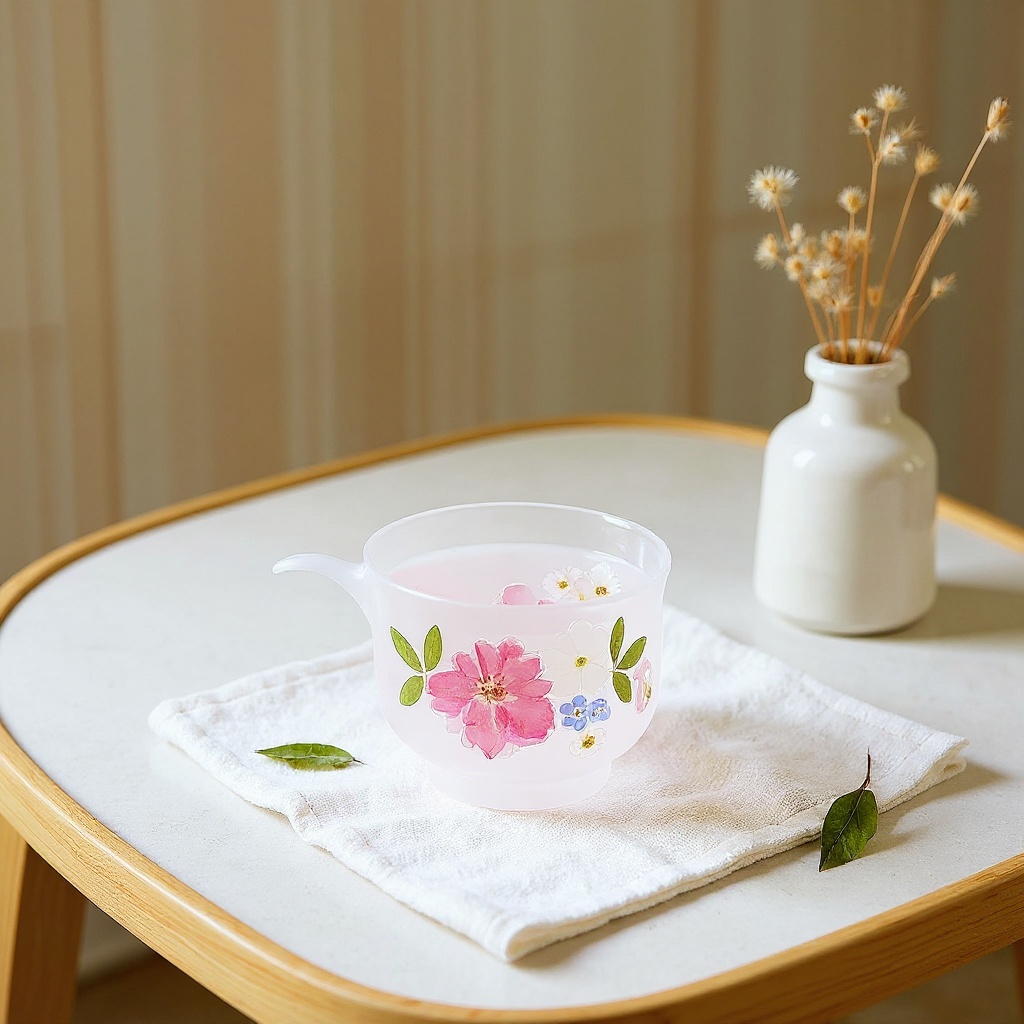
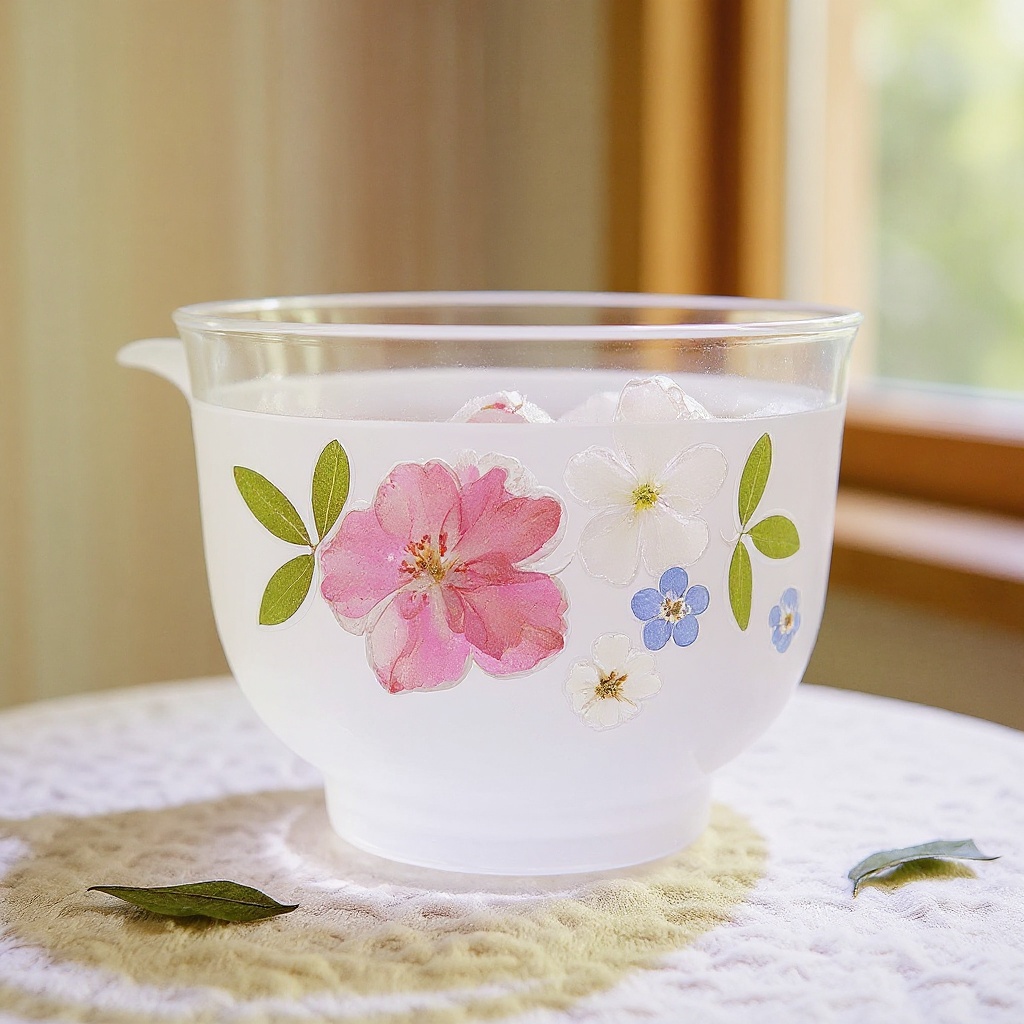
The craftsmanship difference becomes obvious when you hold both side by side. Printed flowers look identical on every mug — same placement, same colors, perfect symmetry. Real preserved botanicals show natural variation in petal shape, subtle color gradients that shift with ambient light, and organic positioning that makes each piece unique. You'll notice tiny stems, delicate flower centers, and the way light travels through actual petals rather than bouncing off a flat surface. No two cups are the same. That matters if you're buying a gift or a piece you'll display daily.
Price reflects this quality gap. Amazon's printed floral mugs typically sell between $15 and $40. Handcrafted alternatives with real preserved flowers range from $45 to $120 on independent artisan platforms. Premium pieces with raised relief details reach $114 or higher, positioning them as collectible functional art rather than disposable drinkware.
The Heat-Resistant Glass Advantage
Borosilicate glass transforms luxury botanical mugs into practical daily-use items without compromising the preserved flowers inside. This specialized glass withstands temperature differentials that would shatter standard soda-lime glass — the material used in most budget alternatives. According to Schott AG, one of the primary manufacturers of laboratory and consumer borosilicate glass, the material's thermal expansion coefficient sits around 3.3 × 10⁻⁶/K, compared to approximately 9 × 10⁻⁶/K for standard glass, meaning it expands and contracts roughly three times less under the same temperature change.
For preserved flower drinkware, that stability does two things. It protects the glass structure from thermal shock cracks during normal use. It also prevents micro-stress fractures from forming near the sealed botanical elements, which could otherwise compromise the airtight seal keeping flowers pristine over time.
The transparency factor matters too. High-quality borosilicate glass offers crystal-clear viewing of the embedded flowers. Cheaper glass often carries a greenish tint or contains small bubbles that distract from the botanical display. The pink-to-clear gradient on the cup I recommend uses this clarity intentionally — the gradient fades from a soft blush at the base to near-invisible at the rim, making the preserved pink and white flowers appear to float inside the glass itself.
Hot tea. Cold brew. Iced water. This cup handles all three without complaint.
Artisan Craftsmanship vs. Factory Production
Handcrafted botanical mugs require 3 to 5 days per piece. Artisans position each preserved flower individually before sealing it within the glass layers, adjusting placement based on how the specific bloom's natural curve will interact with the transparent wall. Factory production prioritizes speed and uniformity — thousands of identical mugs leaving assembly lines every hour, no two reviewed by human eyes before shipping.
Manufacturing Process Comparison
| Aspect | Artisan Handcrafted | Mass Production |
|---|---|---|
| Time per piece | 3–5 days | 15–30 minutes |
| Flower placement | Hand-positioned individually | Machine-applied sticker or transfer |
| Quality control | Individual piece inspection | Statistical random sampling |
| Uniqueness | Natural variation in every piece | Identical copies across batches |
| Materials | Premium borosilicate glass | Standard soda-lime ceramic or glass |
| Butterfly detail | Physically raised 3D relief on exterior | Flat printed graphic |
| Price range | $45–$150+ | $15–$40 |
The human touch shows in subtle details that elevate the entire drinking experience. Artisans select flowers based on color harmony, natural curves, and how each bloom will read when viewed through curved glass. They understand how different preservation methods affect longevity — glycerin-preserved flowers retain flexibility and color longer than simple air-drying, for instance. Mass production can't accommodate these nuanced decisions.
The raised butterfly motif on the exterior of this specific cup is worth noting separately. It isn't a sticker. It isn't printed. The butterfly form is physically raised from the glass surface, detectable by touch, casting a faint shadow under direct light. Running your fingertip across it feels like tracing a relief map. That tactile quality is something a photograph doesn't fully communicate — and something a factory-printed alternative simply cannot produce.
Investment Value and Longevity
Luxury botanical drinkware holds its value better than disposable alternatives because quality materials and craftsmanship create lasting beauty. Preserved flowers, when properly sealed in borosilicate glass, maintain their appearance for 2 to 3 years or longer without visible fading or deterioration under normal indoor conditions. Compare this to printed mugs where graphics begin peeling within 6 to 12 months of regular dishwasher use.
Expected Lifespan by Drinkware Type
1. Vinyl decal mugs — Decals separate from surface in 3 to 8 months with regular washing 2. Heat-transfer printed mugs — Design shows cracking and color loss within 1 to 2 years 3. Standard printed ceramic — Graphics fade or chip noticeably within 6 to 12 months 4. Hand-painted ceramics — Maintain quality 3 to 5 years with hand-wash care 5. Preserved flower sealed glass — Botanical elements stay intact 2 to 3+ years indoors away from direct UV 6. Premium borosilicate structure — Glass itself lasts decades under normal use conditions 7. Artisan botanical pieces — Become display objects with collector value as designs retire
The cost-per-use math works in favor of quality. A $114 artisan mug used daily for 3 years costs approximately $0.10 per use. Replacing a $20 printed mug every 8 months over the same period costs $60 and produces three units of plastic-coated ceramic waste. The artisan piece also retains resale or gifting value. The cheap mug goes in a landfill.
Honest caveat most articles won't give you: if you live in a climate with humidity above 80% year-round and limited climate control indoors, preserved flower drinkware can show subtle color shift faster than the 2 to 3 year standard. Coastal tropical environments are the main risk zone. Worth knowing before you spend $114.
Top 5 Criteria for Buying Artisan Floral Glass Drinkware
Not every handcrafted botanical cup is made equal. Use these criteria to filter before purchasing.
1. Glass material confirmation — Ask or check product specs for borosilicate vs. soda-lime glass. Only borosilicate handles daily hot beverage use safely long-term. 2. Flower type and preservation method — Real preserved flowers (glycerin or freeze-dried) maintain color and structure. Dried flowers become brittle and brown within months. 3. Relief vs. printed exterior details — Physically raised motifs like the butterfly design indicate true handcraft. Flat printed details indicate factory finishing. 4. Seal integrity information — Quality artisans describe their sealing process. If a listing gives no information about how flowers are secured, treat that as a warning sign. 5. Care documentation — Legitimate artisan pieces arrive with written care instructions specific to the piece. Generic care cards copied from manufacturer templates are a quality signal to note.
Gifting Impact and Emotional Value
A luxury floral mug alternative to mass produced options carries emotional weight that generic gifts lack. The recipient understands immediately that someone invested thought, time, and real money into selecting something made by a human being over multiple days. Each use becomes a small reminder of that care. A $20 printed mug from a discount aisle does not accomplish this.
The unboxing experience differs dramatically. Artisan pieces arrive in protective packaging with care instructions, sometimes including information about the specific flowers used or the maker's process. Mass-produced mugs arrive in bare cardboard with no context and no ceremony.
For milestone occasions — housewarmings, graduations, birthdays for people who value beautiful objects — the thoughtfulness of authentic botanical drinkware speaks clearly. It says you paid attention. Consider it a unique birthday gift for plant lovers who appreciate the difference between handcrafted and manufactured.
The photography element adds practical modern value. Botanical glass cups photograph with a quality that printed mugs cannot match — depth, light refraction, natural organic texture. For anyone who documents their home or daily rituals visually, that matters.
One thing. The pink-to-clear gradient photographs differently at different times of day. Morning light makes it look almost white. Golden hour turns the preserved flowers a warm amber. Same cup. Two completely different moods.
Care and Maintenance Best Practices
Preserved flower drinkware requires gentle handling to maintain beauty over years of use. Hand washing with warm water and mild dish soap protects both the glass surface and the sealed botanical elements. Avoid abrasive sponges that could scratch the exterior relief or leave micro-scratches in the glass that accumulate to a haze over time.
Temperature considerations matter for long-term integrity. Borosilicate glass handles hot beverages without issue. Rapid cycling between extremes — ice water poured directly into a cup that held boiling tea thirty seconds earlier — creates cumulative thermal stress that shortens the glass's service life even for high-quality material. Give the cup two minutes between dramatically different temperatures. That's it. Easy habit.
Store away from direct sunlight. The pressed flower craft tradition demonstrates clearly how UV exposure degrades botanical color over time — even sealed flowers benefit from indirect lighting conditions. A kitchen shelf away from south-facing windows is ideal. A display cabinet with UV-filtering glass is better.
Rinse immediately after use if possible. Tannins from tea and coffee bond to glass surfaces within hours of drying, and cumulative residue becomes increasingly difficult to remove without abrasive tools that damage the finish.
FAQ
Are preserved flowers on a glass cup safe for hot drinks? Yes. Properly preserved flowers sealed within borosilicate glass are completely safe for hot beverages. The preservation process removes moisture and biological material, while the glass sealing creates a physical barrier preventing any contact between the flowers and your drink. Borosilicate glass withstands temperatures well above those of any standard hot beverage without compromising the seal integrity. How long do real preserved flowers last inside a glass cup? Under normal indoor conditions — away from direct sunlight and humidity extremes — preserved flowers sealed in quality borosilicate glass maintain visible color and structure for 2 to 3 years or longer. Artisan pieces using glycerin preservation tend to retain flexibility and natural-looking color better than air-dried alternatives. Direct UV exposure is the primary accelerant of color degradation. Can you wash a preserved flower glass cup in the dishwasher? Hand washing is recommended. Dishwasher cycles combine high heat, high-pressure water jets, and alkaline detergents that can gradually degrade the exterior seal on even high-quality borosilicate pieces. The raised exterior relief details are also vulnerable to chipping in dishwasher environments. Two minutes of hand washing extends the cup's life substantially compared to machine washing. What is the difference between dried flowers and preserved flowers in drinkware? Dried flowers lose most of their original color, become brittle, and often develop a brown or grey cast within months. Preserved flowers — processed through glycerin treatment or freeze-drying — retain original hues, maintain a degree of natural flexibility, and look visibly more lifelike for significantly longer. The pink and white flowers in the cup I recommend are preserved, not simply dried, which is why they maintain their soft color rather than turning straw-colored. Is a handmade floral glass mug worth the price over cheaper alternatives? For daily use and long-term display value, yes. The material quality gap between borosilicate glass and standard soda-lime glass is measurable and consequential for hot beverage safety. The tactile and visual difference between hand-positioned preserved flowers and printed graphics is immediately apparent in person. The cost-per-use calculation over 3 years also favors the higher-priced artisan piece over repeated replacement of budget alternatives. What makes borosilicate glass heat-resistant? Borosilicate glass incorporates boron oxide into its silica structure, which lowers its coefficient of thermal expansion to approximately 3.3 × 10⁻⁶/K. Standard soda-lime glass sits near 9 × 10⁻⁶/K. Lower thermal expansion means the material deforms less when heated or cooled rapidly, dramatically reducing the risk of thermal shock fractures during normal use with hot beverages. Can I use a preserved flower glass mug for both tea and coffee? Yes. The heat-resistant glass handles any standard hot beverage safely. The 400ml capacity works well for both a full tea preparation and a standard large coffee. The sealed botanical elements are isolated from the drink interior — they will not absorb flavors, release any material into your beverage, or affect taste in any way. What should I look for when buying an artisan floral cup as a gift? Confirm borosilicate glass construction, verify the flowers are genuinely preserved rather than dried or printed, check that any raised exterior details are physically molded rather than applied as stickers, and read reviews specifically mentioning durability after 6+ months of use. Protective packaging and written care documentation are strong indicators of a maker who stands behind their work. The 3 to 5 day crafting time for quality pieces is worth confirming with the seller. Does the pink gradient fade over time? The gradient is part of the glass itself — achieved during the manufacturing process rather than applied as a coating or paint. It does not fade, chip, or wash off. This is fundamentally different from color applied to the exterior of cheaper mugs, which degrades with use. The pink-to-clear gradient on a quality artisan piece remains visually consistent throughout the life of the glass.Conclusion
Choosing between mass-produced floral mugs and artisan botanical drinkware comes down to one question: do you want an object that lasts, or one that needs replacing?
The luxury floral mug alternative to mass produced options that I recommend after direct testing is a 400ml clear borosilicate glass cup with a soft pink-to-clear gradient, three-dimensional real preserved pink and white flowers sealed inside, and a physically raised butterfly motif on the exterior surface. It is not the cheapest option. It is the right option for anyone who will use it daily, display it with intention, or give it as a gift that communicates genuine care.
The Gradient Pink Butterfly Glass Cup | Real Preserved Flowers | Botanical Tea Mug 400ml delivers on every criterion in this guide — borosilicate construction, genuine preserved botanicals, handcrafted relief detail, and the kind of quiet beauty that makes a morning ritual feel considered rather than routine.
Buy it once. Keep it for years.


