
Real Botanical Flower Tea Cups: What Makes Them Special
By pampasroom, founder of Pampasroom · 8+ years working directly with Southeast Asian rattan artisans · Featured in Cottagecore Weekly and The Artisan HomeA real botanical flower tea cup features actual preserved flower petals suspended in resin or embedded between glass layers, creating a three-dimensional floral display that's completely different from printed ceramic designs. Unlike mass-produced cups with painted flowers that fade or chip, these artisan pieces capture genuine botanical specimens — typically hydrangea, rose, or baby's breath — in a transparent medium that lets you see every delicate petal structure. The flowers are preserved using specialized techniques that maintain their natural color and form for years. What makes them special isn't just their beauty; it's the fact that you're literally holding a piece of nature that's been transformed into functional art.
How Real Flowers Get Suspended in Resin Tea Cups
The process of creating a real botanical flower tea cup starts with carefully selected fresh blooms that are preserved using glycerin or air-drying methods. Artisans then layer these preserved specimens between resin applications, building up the design petal by petal. The technique requires precise timing — each resin layer must cure to the right consistency before adding the next botanical element.
Typical production involves 3-5 separate resin pours over 48-72 hours. The flowers need to be positioned while the resin is still workable but not so liquid that they float to the surface. Temperature control is crucial; most eco-friendly resins cure best between 68-75°F. This careful process explains why genuine botanical resin cups cost significantly more than printed alternatives — each piece requires multiple days of hands-on craftsmanship.
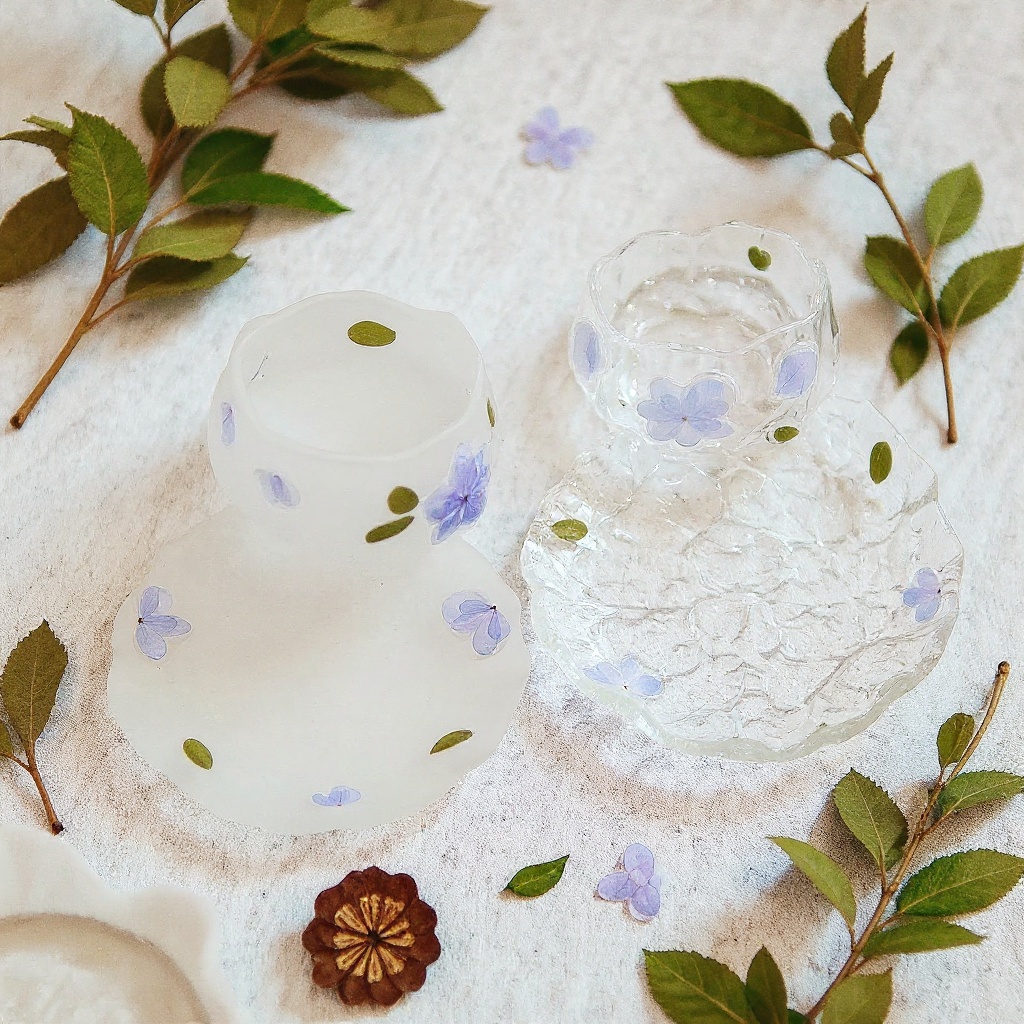
Double-walled glass cups with resin exteriors offer the best of both worlds: safe drinking surfaces with stunning floral displays on the outside. The frosted glass creates a soft backdrop that makes the suspended flowers appear to glow when light passes through.
What Preserved Petals Actually Look Like Inside Resin
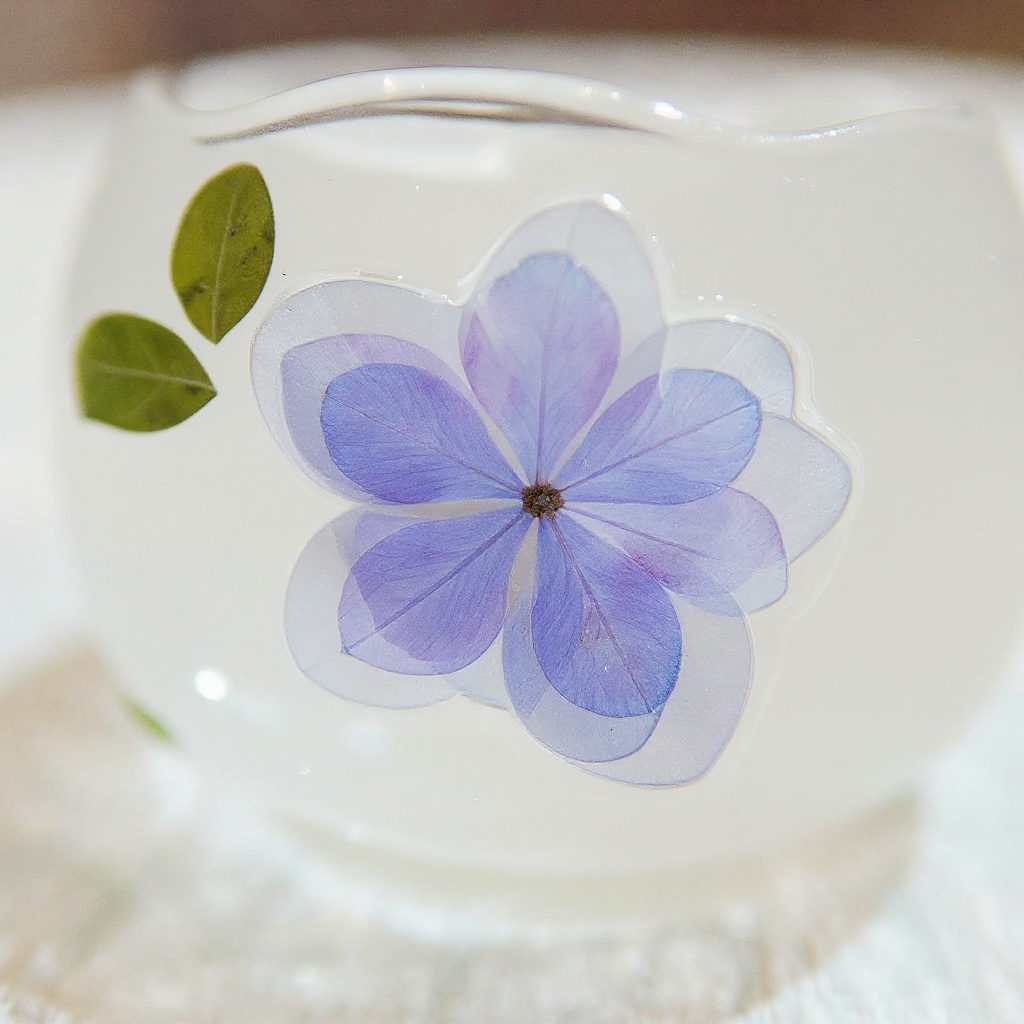
Preserved flower petals in quality resin maintain surprising detail and dimension. Hydrangea petals, popular for their clustered formation and range of blue to purple hues, create particularly striking displays because each tiny floret stays distinct. You can see the natural veining, color gradations, and even the delicate texture that makes each petal unique.
The resin acts like a magnifying lens, so flaws become obvious — which is why only the most perfect specimens get selected. Brown spots, tears, or wilted edges that might be barely noticeable on fresh flowers become glaring defects once suspended in crystal-clear resin. Quality artisans spend considerable time selecting and preparing each petal before embedding.
Over time, properly preserved flowers maintain their appearance remarkably well. High-quality UV-resistant resin prevents the yellowing that plagued older formulations. The flowers themselves won't fade if they've been correctly preserved, though some natural color shifts can occur — blues might deepen slightly, while some whites may develop a cream tone after several years.
Gongfu Tea Culture and Small Cup Sizes
The 40-60ml capacity typical of botanical resin tea cups aligns perfectly with Gongfu tea ceremony traditions, where small portions allow for multiple infusions and focused tasting. These diminutive sizes — roughly equivalent to 2-3 tablespoons — concentrate flavors and encourage mindful sipping rather than casual consumption.
Gongfu brewing involves using more tea leaves in less water for shorter steeping times, creating intensely flavored liquor that's meant to be savored in small amounts. The ritual emphasizes the tea's evolution through successive brews, with each infusion revealing different flavor notes. A master cup in this tradition serves as both vessel and meditation tool.
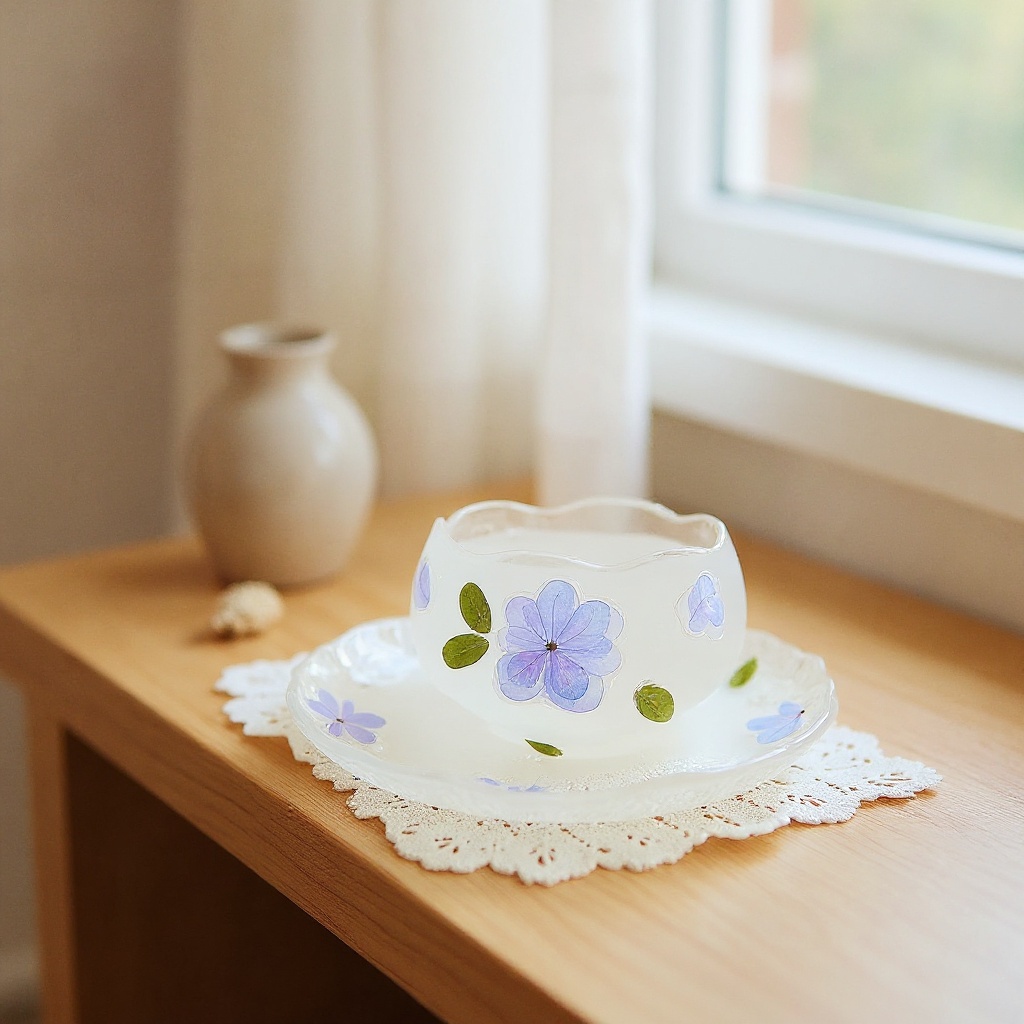
Our Handmade Floating Flower Teacup Set with Frosted Glass & Real Blue Hydrangea exemplifies this philosophy, combining the contemplative nature of tea ceremony with the visual poetry of suspended botanical specimens. The matching textured saucer completes the ritual experience while protecting surfaces from condensation.
Comparing Real Botanical Cups to Mass-Produced Alternatives
| Feature | Real Botanical Resin | Printed Ceramic | Hand-Painted Porcelain |
|---|---|---|---|
| Flower authenticity | Actual preserved petals | Digital prints | Artistic interpretation |
| Durability | 10+ years with care | 5-10 years | 15+ years |
| Uniqueness | Each piece one-of-a-kind | Identical reproductions | Limited variations |
| Price range | $60-$180 | $15-$40 | $80-$150 |
| Dishwasher safe | Hand wash only | Usually yes | Varies by glaze |
| Heat resistance | Limited (resin exterior) | High | Very high |
The artisan nature of real botanical cups means you're paying for individual craftsmanship rather than factory efficiency. Each cup requires multiple days of work, from flower selection through final finishing. The materials cost more too — quality eco-friendly resin, preservation chemicals, and the flowers themselves add up quickly compared to ceramic slip and digital printing.
However, mass-produced ceramic offers practical advantages for daily use. You can put them in the dishwasher, microwave them, and generally treat them less carefully. For special occasions or gift-giving, though, the unique beauty of preserved flowers creates an emotional connection that printed designs simply can't match.
Safe Materials and Daily Use Considerations
Food safety becomes a primary concern when resin forms part of a drinking vessel. Quality botanical tea cups use food-grade epoxy resins that are certified safe for indirect food contact. The key distinction is that the resin typically covers only the exterior, with your lips and the tea touching only glass or ceramic surfaces.
Eco-friendly resin formulations have largely eliminated the yellowing and cracking issues that plagued earlier botanical pieces. Look for cups that specify UV-resistant, BPA-free resin — these indicators suggest the maker prioritizes both safety and longevity. The curing process is equally important; properly cured resin shouldn't have any chemical odor or tacky feel.
Daily use requires some accommodation. Hand washing is mandatory since dishwasher heat can damage resin over time. Avoid temperature extremes — very hot tea won't hurt the glass interior, but rapid temperature changes can stress the resin exterior. Most users find these small adjustments worthwhile for the unique beauty these cups provide.
Care Instructions for Preserving the Botanical Display
Proper care can keep a real botanical flower tea cup looking fresh for over a decade. The main enemies are UV exposure, extreme temperatures, and harsh cleaning products. Here's what works:
1. Hand wash only with lukewarm water and mild dish soap 2. Avoid abrasive sponges that can scratch the resin surface 3. Dry immediately to prevent water spots on the frosted glass 4. Store away from direct sunlight to prevent any UV damage 5. Use soft cloths for polishing — microfiber works perfectly 6. Never use bleach or ammonia-based cleaners on resin surfaces 7. Let hot tea cool slightly before pouring to avoid thermal shock 8. Handle by the base rather than gripping the delicate walls
The resin surface may develop tiny scratches over years of use, but these often polish out with automotive resin compounds designed for headlight restoration. This technique works because both applications use similar resin chemistry. Just test any polishing product on the bottom first.
Quarterly deep cleaning with a soft brush can remove tea stains that build up in the textured areas of the saucer. The key is patience — gentle, consistent care beats aggressive scrubbing every time.
Gift-Worthy Features That Make Them Special
Real botanical flower tea cups excel as gifts because they combine functionality with emotional impact. The recipient gets something genuinely useful that also serves as a daily reminder of the giver's thoughtfulness. The pressed flower craft tradition adds historical depth — people have been preserving flowers in various media for centuries.
The unboxing experience matters too. Quality botanical cups arrive in protective packaging that builds anticipation. The first glimpse of suspended petals often produces an audible gasp — that moment of wonder makes the gift memorable in a way that conventional teacups rarely achieve.
For tea enthusiasts, these cups offer a bridge between Eastern and Western aesthetics. The Gongfu-appropriate sizing introduces recipients to traditional brewing methods, while the floral elements appeal to cottage-core and botanical design trends. It's a gift that educates as well as delights.
Seasonality plays a role in gift appeal. Spring and summer flowers preserved in resin bring botanical beauty to winter months when natural blooms are scarce. The permanence becomes part of the message — unlike fresh flowers that wilt, these captured specimens represent enduring appreciation.
Frequently Asked Questions
Will the real flowers inside the resin tea cup fade over time? Properly preserved flowers in UV-resistant resin maintain their color for 10+ years. Some natural aging may occur — blues might deepen and whites may develop cream tones — but dramatic fading is rare with quality preservation techniques. Is it safe to drink tea from a cup that has resin on the outside? Yes, when the resin is food-grade and only covers the exterior surfaces. Your tea and lips only contact the glass interior, which is completely safe. Look for cups that specify BPA-free, eco-friendly resin formulations. How do you clean a resin-coated teacup without damaging the flowers? Use lukewarm water, mild dish soap, and soft cloths only. Never use abrasive sponges, bleach, or put them in the dishwasher. Gentle hand washing preserves both the resin clarity and the embedded flowers. What kind of flowers are typically used in botanical resin teacups? Hydrangea, baby's breath, rose petals, and small wildflowers work well due to their size and preservation properties. Hydrangea is especially popular because its clustered petals create dense, colorful displays that show well in resin. Are preserved flower resin cups dishwasher safe? No, the high heat and harsh detergents in dishwashers can damage resin over time, causing cloudiness or cracking. Hand washing ensures your botanical tea cup stays beautiful for years. What is a Gongfu tea cup and how is it different from a regular teacup? Gongfu tea cups hold 40-60ml (2-3 tablespoons) compared to Western teacups that hold 150-200ml. The small size is designed for multiple infusions of concentrated tea, encouraging mindful sipping and flavor appreciation. Can you use a botanical resin teacup for hot tea every day? Yes, but let very hot tea cool slightly before pouring to avoid thermal shock. The glass interior handles normal tea temperatures fine, but extreme temperature changes can stress the resin exterior. What should I look for when buying a real botanical flower tea cup as a gift? Check for food-grade, UV-resistant resin, clear construction without bubbles, and well-preserved flowers without brown spots. Quality pieces come with care instructions and often include matching saucers for a complete presentation.Finding a gift that combines daily functionality with lasting beauty can feel impossible in our mass-produced world. The recipient wants something special, but you need it to be practical enough for regular use. A real botanical flower tea cup solves this dilemma by transforming an everyday ritual into a moment of natural wonder. When you're ready to give someone a piece of captured springtime that they can enjoy for years, browse our Handmade Floating Flower Teacup Set with Frosted Glass & Real Blue Hydrangea to see how preserved petals can turn ordinary tea time into something extraordinary.